
Many people experience occasional discomfort from seasonal changes, like stuffy noses, persistent coughing, or that heavy feeling in the chest that makes everyday activities harder. These issues can disrupt sleep, drain energy, and leave you searching for simple ways to feel more comfortable. It’s frustrating when breathing doesn’t come as easily as it should, especially when you’re just trying to get through the day.
But here’s the good news: nature offers everyday plants that have been used for generations to support respiratory comfort. And one of the most accessible ones might already be growing in gardens or available at your local store. Keep reading to discover how this common herb could become a gentle addition to your wellness routine.

What Is This Everyday Herb We’re Talking About?
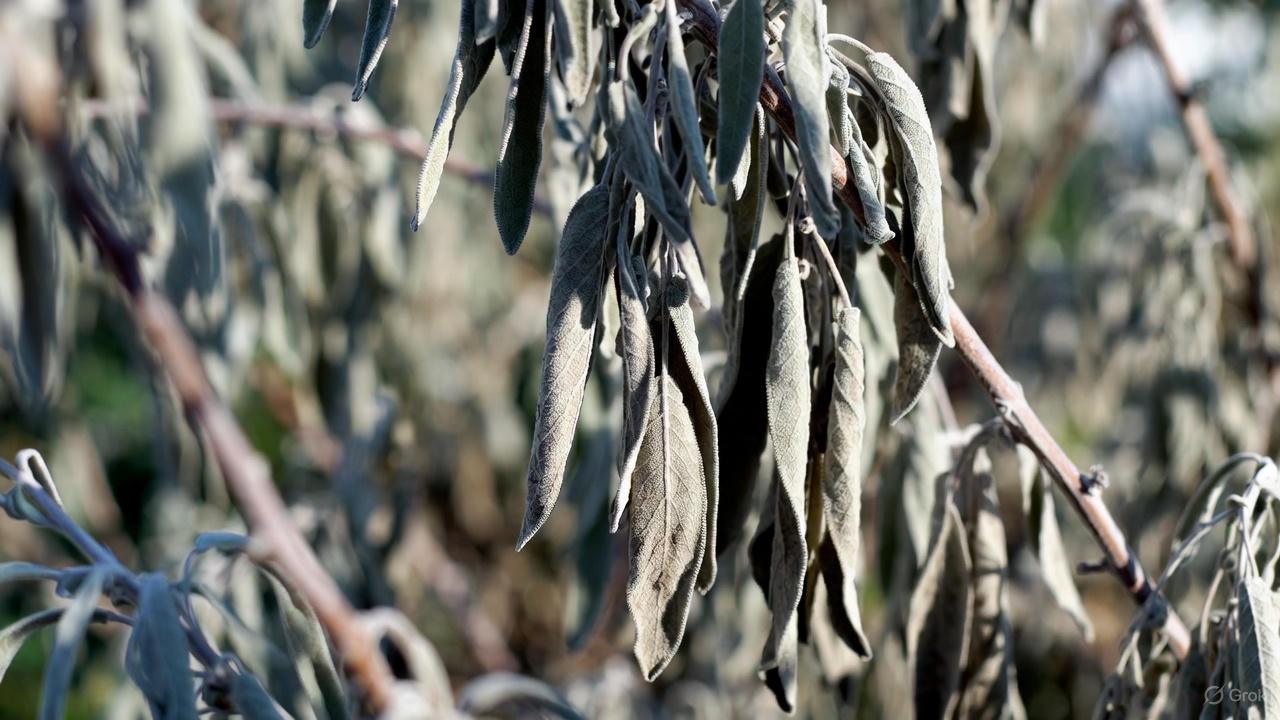
The plant in question is common sage, scientifically known as Salvia officinalis. It’s a perennial shrub with fuzzy gray-green leaves and a distinctive earthy aroma. Native to the Mediterranean region, sage thrives in sunny spots and is easy to grow almost anywhere.
You’ve probably encountered it as a kitchen spice for seasoning dishes. But traditionally, sage has been valued for more than just flavor. Historical records show it being used in herbal teas and infusions to promote overall comfort during times of respiratory irritation.
The leaves contain natural compounds like essential oils (including camphor and cineole), flavonoids, and rosmarinic acid. Research suggests these contribute to its antioxidant and anti-inflammatory properties, which is why it’s often highlighted in studies on plant-based wellness.
Why Sage Has Been a Go-To for Respiratory Comfort
Struggling with occasional coughs or congestion can make you feel wiped out. That’s where sage’s traditional role comes in—many cultures have turned to it for soothing the throat and supporting clearer airways.
Studies on sage extracts have shown potential bronchodilatory effects, meaning they may help relax airway muscles in lab and animal models. For instance, one study found that sage helped inhibit bronchospasm in tested subjects, offering a scientific glimpse into its longstanding use.
Additionally, sage’s antimicrobial properties have been noted in research, with compounds showing activity against certain bacteria and viruses. This aligns with its traditional application in steam inhalations or teas during cold seasons.
But that’s not all—sage is also rich in antioxidants. Research indicates it may help combat oxidative stress, which plays a role in inflammation. This makes it a fascinating option for those exploring natural ways to maintain respiratory wellness.
Here’s a quick look at some key compounds in sage and their researched benefits:
- Rosmarinic acid: Known for anti-inflammatory effects in various studies.
- Camphor and 1,8-cineole: Linked to expectorant-like actions in traditional herbalism.
- Flavonoids: Support overall antioxidant activity, as seen in lab analyses.
The truth is, while modern science is catching up, generations have relied on sage for these very reasons. And the best part? It’s incredibly versatile.

Simple Ways to Add Sage to Your Routine
Incorporating sage doesn’t have to be complicated. Here are practical, step-by-step ideas you can try at home for potential respiratory support.
Making a Soothing Sage Tea
This is one of the easiest methods.
- Take 1-2 teaspoons of dried sage leaves (or a handful of fresh ones).
- Pour 1 cup of hot (not boiling) water over them.
- Steep covered for 10-15 minutes.
- Strain and sip slowly, up to 2-3 times a day.
Add a touch of honey for extra soothing if desired. Many find this ritual calming in the evening.
Sage Steam Inhalation for Congestion Relief
Perfect for when things feel stuffy.
- Boil water in a pot and add a handful of fresh or dried sage.
- Remove from heat and let cool slightly.
- Drape a towel over your head and inhale the steam for 5-10 minutes.
- Do this once daily as needed.
This method allows the aromatic compounds to reach your airways directly.
Other Everyday Uses
- Gargle: Use cooled sage tea to rinse for throat comfort.
- Culinary boost: Sprinkle dried sage on meals for a subtle daily intake.
- Combined infusions: Pair with thyme or lemon for variety—both have complementary traditional uses.
Start small to see how your body responds. Most people tolerate sage well in moderate amounts.
What Research Says About Sage and Breathing Support
To build trust, let’s look at evidence-based insights.
Animal and lab studies have explored sage’s potential:
- One investigation showed bronchodilatory activity, similar to some common respiratory supports.
- Antioxidant assays highlight its ability to neutralize free radicals.
- Traditional reviews, like those from the National Center for Complementary and Integrative Health (NCCIH), note sage’s historical use for respiratory comfort.
Human experiences align with this—many report easier breathing during seasonal challenges after regular use.
However, results vary, and sage is best as part of a balanced approach including hydration, rest, and fresh air.
Here’s a comparison of common respiratory-support herbs:
| Herb | Traditional Use | Key Compounds | Common Preparation |
|---|---|---|---|
| Sage | Soothing coughs, clearing mucus | Rosmarinic acid, cineole | Tea or steam |
| Thyme | Expectorant support | Thymol | Infusion |
| Eucalyptus | Opening airways | Eucalyptol | Inhalation |
| Peppermint | Cooling sensation | Menthol | Tea |
Sage stands out for its accessibility and mild flavor.
This is the exciting part—combining these could enhance your routine even more.
Tips for Safe and Effective Use
Always choose organic sage when possible to avoid pesticides.
- Limit tea to 3 cups daily.
- Avoid high doses of essential oil internally—it’s potent.
- If pregnant, nursing, or on medications, check with a professional first.
Sage contains thujone, which in very large amounts could cause issues, but normal culinary or tea use is generally fine.
Pair with healthy habits: Stay hydrated, eat antioxidant-rich foods, and get gentle exercise.
Wrapping It Up: A Simple Step Toward Easier Breathing
Sage is a humble yet powerful plant that’s been supporting wellness for centuries. From its antioxidant properties to traditional respiratory applications, it’s worth exploring as part of your daily habits.
Whether through a warm cup of tea or a relaxing steam, many find it brings noticeable comfort. Give it a try and see how this garden staple fits into your life.
Frequently Asked Questions
How much sage tea can I drink daily?
Most sources suggest 1-3 cups per day is a good starting point for adults, using 1-2 teaspoons of dried leaves per cup.
Can sage help with seasonal allergies?
Traditionally, yes—its anti-inflammatory compounds may soothe irritated airways, though individual results differ.
Is fresh or dried sage better?
Both work well. Fresh offers a brighter flavor, while dried is more concentrated and convenient year-round.
Disclaimer: This information is for educational purposes only and is not intended to diagnose, treat, cure, or prevent any disease. Always consult a healthcare professional before adding new herbs to your routine, especially if you have health conditions or take medications.
(Word count: approximately 1320)


