
Many adults experience occasional digestive discomfort after meals, like mild bloating or that heavy feeling in the afternoons. These common issues can make everyday activities feel more tiring than they should. The good news is that small, consistent habits—like enjoying a warm, soothing beverage—may help support better digestion and overall comfort. Keep reading to discover why this easy-to-make drink, inspired by traditional Japanese wellness practices, has caught the attention of so many people looking for natural ways to feel more energized and balanced.

What Makes This Green Tea, Lemon, and Ginger Drink Special?
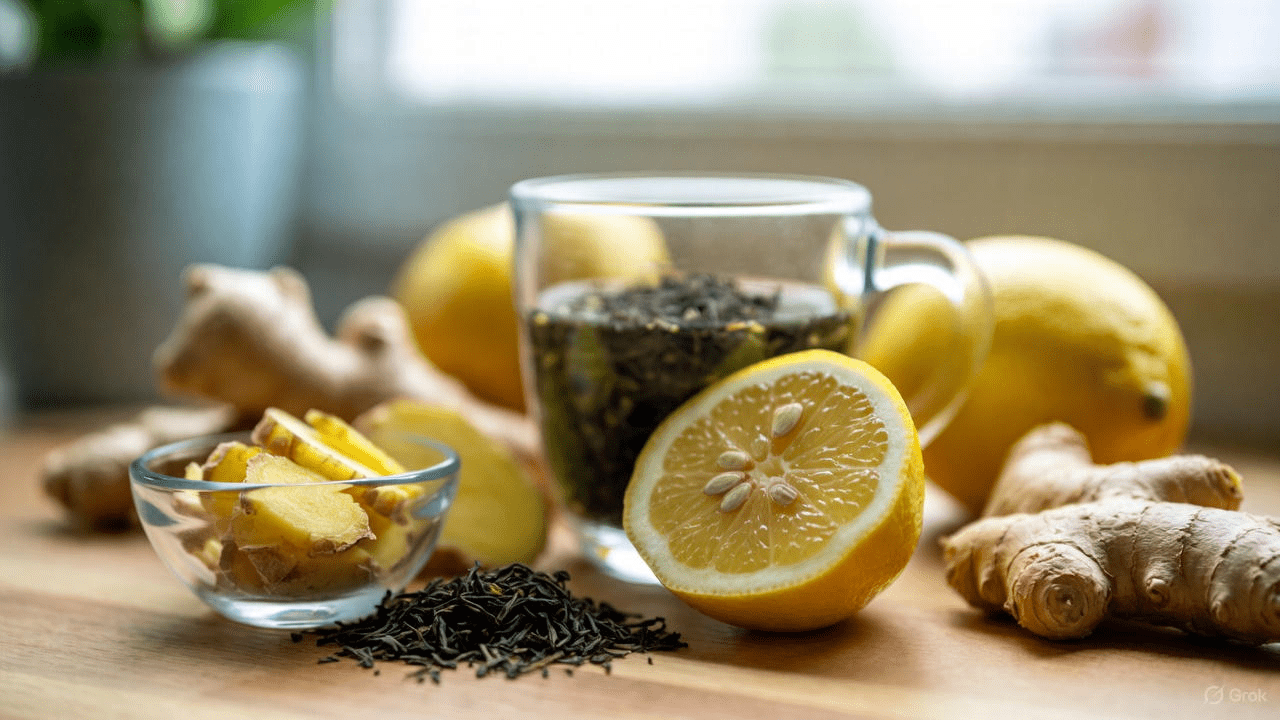
This refreshing beverage combines three everyday ingredients: high-quality green tea, fresh lemon, and ginger root. In Japan, warm ginger-based drinks (known as shogayu) have been enjoyed for generations to warm the body and promote comfort during cooler weather.
Green tea provides a gentle base with its natural antioxidants, like catechins. Lemon adds a bright citrus note along with vitamin C. Ginger brings a subtle spice and has been studied for its potential role in supporting digestive ease.
Research suggests that these ingredients may work together in interesting ways. For instance, studies on green tea indicate it may help support a healthy metabolism, while ginger compounds like gingerol show promise in promoting smoother digestion. But that’s just the start—let’s explore some specific areas where this drink might offer support.
Potential Ways This Drink May Support Digestive Comfort
One of the most common reasons people try this beverage is for occasional bloating or post-meal heaviness. Ginger has been researched for its ability to help speed up gastric emptying, which could reduce that full, uncomfortable feeling.
Studies, including reviews published in journals like the Journal of Ethnopharmacology, note that ginger may help alleviate mild digestive discomfort. Adding lemon’s natural compounds could further support this process by encouraging food movement through the digestive tract.
Many people report feeling lighter after incorporating this drink into their routine. Of course, results vary, but the science points to promising digestive benefits.
How It Might Help Maintain Steady Energy Levels
That mid-afternoon slump is familiar to many of us. Green tea contains moderate caffeine and L-theanine, a compound that may promote calm focus without the jitters often associated with coffee.
Research on green tea suggests its antioxidants could support metabolic function, potentially leading to more consistent energy throughout the day. Ginger adds a warming effect that might enhance this feeling of vitality.
If you’re looking for a natural alternative to sugary energy drinks, this combination could be worth trying.
Supporting Your Body’s Natural Defenses
Staying well during busy seasons is a priority for most. Lemon is a great source of vitamin C, which plays a key role in immune function. Ginger’s anti-inflammatory properties have been highlighted in multiple studies for potentially strengthening the body’s response to everyday challenges.
Combined with green tea’s polyphenols, this drink packs a trio of compounds that research links to antioxidant support. While it’s no substitute for a balanced lifestyle, it may contribute to overall resilience.
Other Areas Where Research Shows Promise
Here’s a quick overview of additional potential benefits backed by studies:
- Reduced occasional inflammation: Ginger’s bioactive compounds, like gingerol, have shown anti-inflammatory effects in research from sources like Healthline and WebMD reviews.
- Hydration and relaxation: The warm drink encourages fluid intake, which supports overall wellness, and may help with evening wind-down.
- Metabolic support: Some studies suggest green tea catechins and ginger may aid in maintaining healthy weight when paired with diet and exercise.
- Skin and oral health: Antioxidants from all three ingredients could contribute to a healthier glow and gum comfort.
| Potential Support Area | Key Ingredient Contribution | Supporting Evidence |
|---|---|---|
| Digestive ease | Ginger speeds gastric emptying | Multiple clinical reviews |
| Energy and focus | Green tea’s caffeine + L-theanine | Neuroscience studies |
| Immune function | Lemon’s vitamin C + ginger compounds | Immunology research |
| Inflammation comfort | Gingerol and catechins | Anti-inflammatory trials |
| Metabolic health | Catechins and thermogenic effects | Metabolism-focused studies |
This table highlights how the ingredients complement each other—often more effectively together than alone.
Simple Steps to Make Your Own Drink at Home
Ready to try it? Here’s an easy guide:
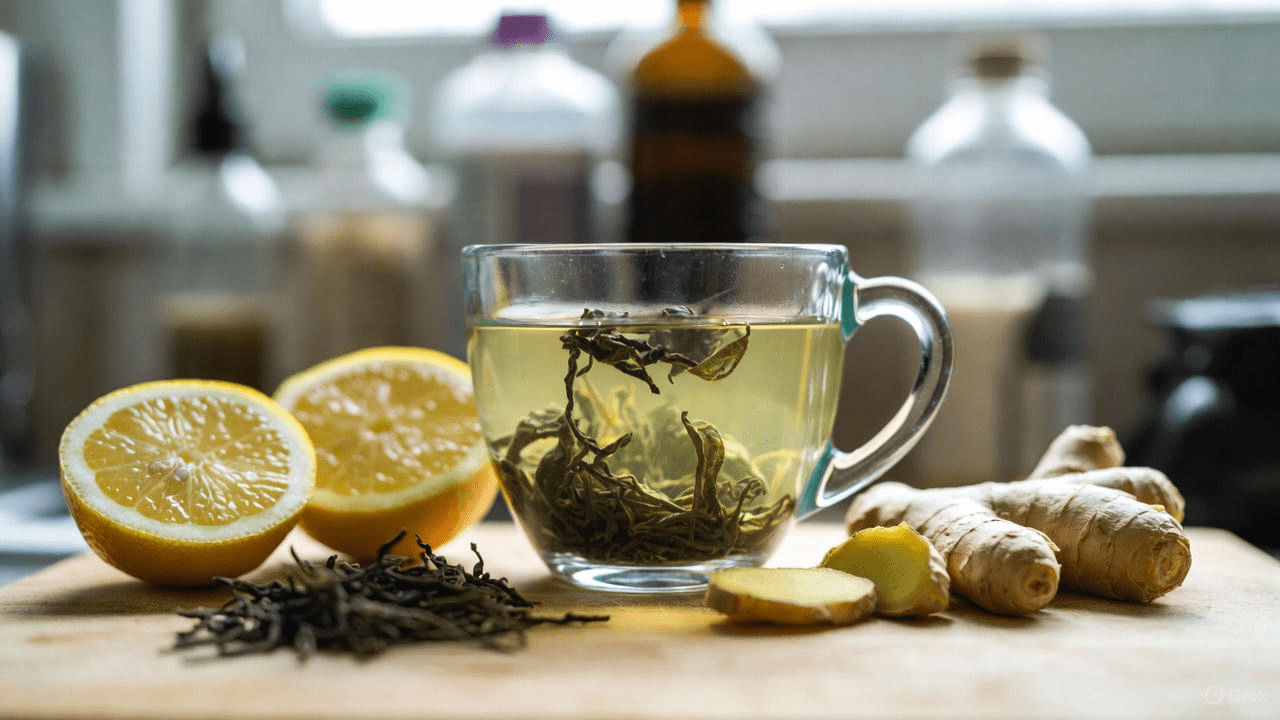
- Boil fresh water and let it cool slightly (around 80-90°C to preserve green tea’s benefits).
- Steep 1 green tea bag (or 1 tsp loose leaves) in a cup for 2-3 minutes.
- Add 1-2 thin slices of fresh ginger root.
- Squeeze in the juice of half a lemon.
- Optional: Add a touch of honey for natural sweetness.
Drink it warm in the morning on an empty stomach for a gentle start, or in the afternoon for a pick-me-up. Aim for 1-3 cups daily, but listen to your body.
For variety:
- Iced version for warmer days.
- Extra ginger for more spice.
- A pinch of turmeric for added warmth (another traditional twist).
Start small and see how it fits your routine.
Why Consistency Matters More Than Perfection
Like any healthy habit, the potential benefits come from regular enjoyment alongside a balanced diet, exercise, and good sleep. Thousands incorporate similar drinks into their lives, drawing from traditions while supported by modern research.
You’re already taking a positive step by exploring natural options—keep going!
Frequently Asked Questions
How many cups can I drink per day?
Most people enjoy 2-3 cups safely. Start with one and increase as comfortable.
Is it safe during pregnancy or with medications?
Ginger is often used for morning discomfort, but consult your healthcare provider, especially if on blood thinners or blood pressure meds.
Can I use powdered ingredients instead of fresh?
Fresh offers the best flavor and compounds, but quality powders work in a pinch.
This article is for informational purposes only and is not intended to diagnose, treat, or cure any condition. Always consult your healthcare provider before making changes to your diet, especially if you have health concerns.


