
Many adults experience occasional digestive discomfort, such as bloating or gas after meals. These issues can feel frustrating and disrupt daily life, leaving you feeling heavy or low on energy. The good news is that simple additions to your routine, like a familiar spice, may help support better digestion and overall comfort.
But what if one everyday ingredient could make a noticeable difference? Keep reading to discover practical ways to use cardamom—and a few surprising insights backed by research that might encourage you to give it a try.

Why Digestive Comfort Matters More Than You Think
Digestive issues are common. Surveys show that a significant portion of American adults deal with symptoms like bloating, gas, or abdominal discomfort regularly. For instance, large population-based studies indicate that nearly two-thirds of people experience recurring gut symptoms, and about 1 in 7 report bloating weekly.
These discomforts can stem from various factors, including diet, stress, or slower digestion. Over time, they might affect energy levels, mood, or even nutrient absorption.
That’s where natural supports come in. Research suggests certain spices, including cardamom, may help promote digestive ease due to their traditional use and emerging studies.
But that’s just the start…
What Makes Cardamom Special?
Cardamom, often called the “queen of spices,” comes from the seeds of plants in the ginger family. It has a warm, aromatic flavor and has been used for centuries in cooking and traditional wellness practices.
Its key compounds, like 1,8-cineole and terpenes, contribute to its potential benefits. Studies, including reviews in journals like Phytotherapy Research, highlight its antioxidant and anti-inflammatory properties.
Here’s the interesting part: While it’s best known in curries or chai, many people are exploring its everyday uses for wellness support.
Practical Ways Cardamom May Support Your Health
Research points to several areas where cardamom shows promise. Here are some evidence-based insights:
Supports Digestive Comfort
Cardamom has long been used to ease occasional bloating and gas. Animal and lab studies suggest its compounds help relax digestive muscles and promote healthy bile flow.
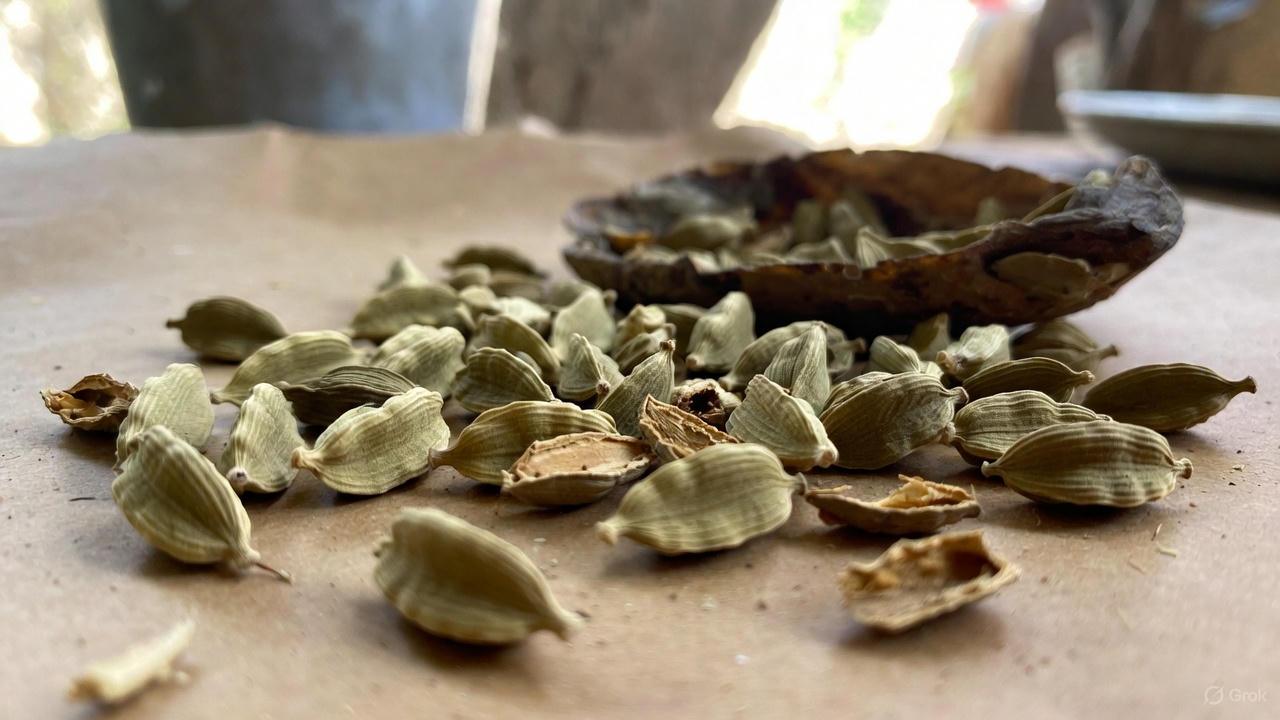
Human trials, such as one on functional dyspepsia, found that daily cardamom reduced bloating significantly compared to placebo. Chewing seeds or sipping cardamom tea after meals is a simple habit many try.
Promotes Fresh Breath Naturally
Its antimicrobial properties may help maintain oral health. Studies show cardamom extracts can combat bacteria linked to bad breath, offering a natural alternative to mouthwash.
May Help Maintain Healthy Blood Pressure and Blood Sugar
Meta-analyses of randomized trials indicate cardamom supplementation can support modest reductions in blood pressure and improve metabolic markers, like blood lipids.
Other research links it to better insulin sensitivity, which could aid blood sugar balance.
Provides Antioxidant and Anti-Inflammatory Support
Rich in polyphenols, cardamom helps neutralize free radicals. Reviews note its role in reducing inflammatory markers like CRP and TNF-alpha.
This may contribute to overall wellness, including liver health support seen in some NAFLD studies.
Additional Areas of Interest
- Respiratory ease: Traditional use for soothing airways, with compounds relaxing bronchial muscles.
- Mood and relaxation: Aromatherapy studies suggest it may influence serotonin levels.
- Skin and joint comfort: Anti-inflammatory effects could play a role.
But don’t stop here—there’s more on how to get started.
Cardamom vs. Other Common Spices: A Quick Comparison
| Spice | Common Use | Potential Edge of Cardamom |
|---|---|---|
| Ginger | Nausea relief | Adds breath freshening and mood support |
| Cinnamon | Blood sugar support | May act faster with a cleaner taste |
| Turmeric | Anti-inflammatory | Gentler on the stomach |
| Cloves | Oral health | Sweeter flavor, less numbing |
Research supports unique benefits for each, but cardamom stands out for its versatile, aromatic profile.
Easy Ways to Add Cardamom to Your Day
Start small for the best results:
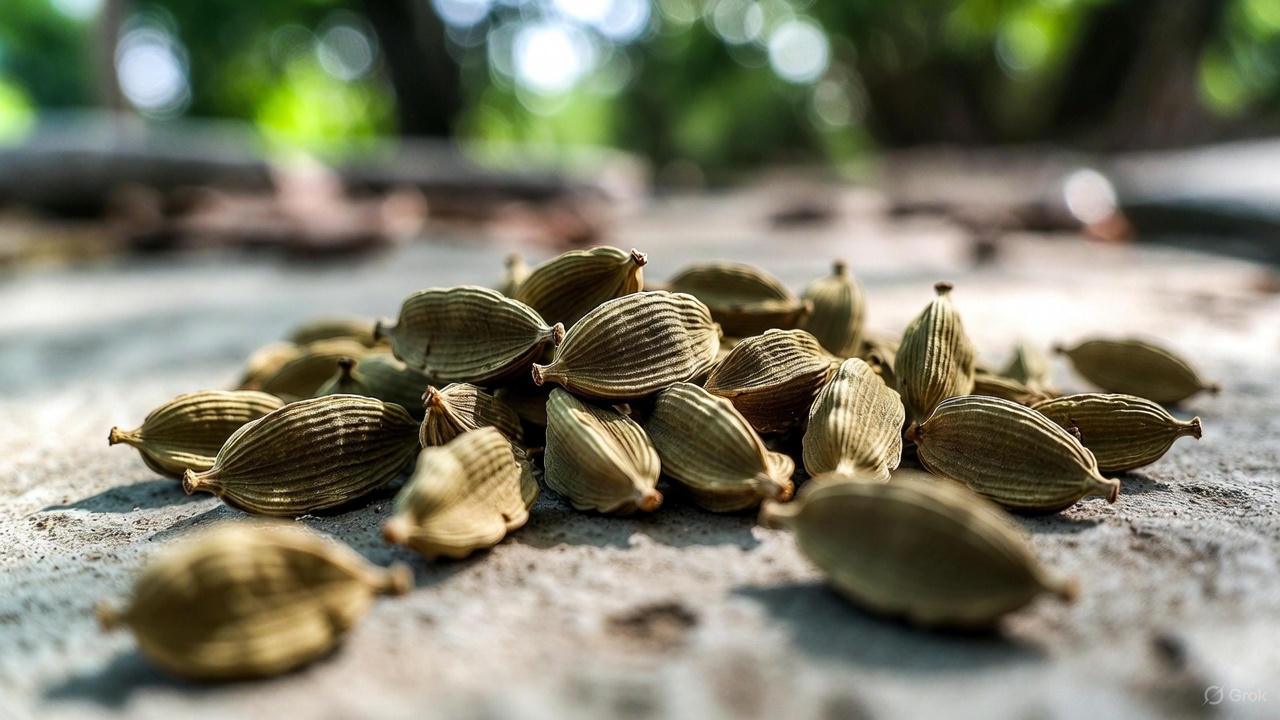
- After meals: Chew 2-3 seeds or pods for quick digestive support.
- In drinks: Add crushed pods to tea, coffee, or warm milk.
- In cooking: Sprinkle ground cardamom in oatmeal, yogurt, or soups.
- Aromatherapy: Inhale the scent from fresh pods for a calming moment.
Most studies use 1-3 grams daily (about 1/2 to 1 teaspoon of powder). Whole pods keep potency longer—store in a cool, dry place.
Here’s a simple 30-day plan many find helpful:
- Week 1: Chew seeds after meals.
- Week 2: Add to morning tea.
- Week 3: Include in recipes.
- Week 4: Combine habits and note how you feel.
Common Questions About Cardamom
How much cardamom is safe to use daily?
Culinary amounts are generally safe. Studies often use up to 3 grams per day with no major issues reported in healthy adults.
Can anyone use cardamom?
It’s well-tolerated by most, but those with gallstones should avoid larger amounts. Always check with a doctor if pregnant, breastfeeding, or on medications.
Does cardamom interact with anything?
It may enhance effects of blood pressure or blood sugar meds. Consult a healthcare provider for personalized advice.
Final Thoughts
Incorporating cardamom into your routine is an easy, flavorful way to explore natural wellness support. From digestive comfort to antioxidant benefits, research continues to uncover its potential.
Small changes, like adding a few pods to your tea, might add up over time. Listen to your body and enjoy the process.
Disclaimer: This article is for informational purposes only and is not intended to diagnose, treat, cure, or prevent any disease. Always consult your healthcare provider before making changes to your diet or starting new habits, especially if you have health conditions or take medications.


