
Many people notice changes in their hair as they get older, such as slower growth or increased shedding. These shifts can feel frustrating, especially when everyday factors like stress or buildup add to the challenge. The good news is that natural ingredients from your kitchen might offer gentle support for a healthier scalp environment.
One such ingredient is cloves, a common spice known for its warming aroma. Keep reading to discover why some people are turning to clove water as part of their routine—and there’s a straightforward recipe waiting at the end that you can try at home.

Why Hair Changes Happen Over Time
Hair growth naturally slows with age. Research shows that scalp circulation and follicle health play key roles in how hair behaves.
Factors like oxidative stress from daily life or minor scalp irritations can influence the overall condition of your strands. Maintaining good scalp hygiene and nourishment helps create a better foundation for healthy hair.
But that’s not all—certain spices have been used traditionally for centuries to support scalp wellness.
What Makes Cloves Interesting for Hair Care
Cloves contain a compound called eugenol, which research suggests has antioxidant, antimicrobial, and anti-inflammatory properties.
Studies, including animal research, indicate that eugenol may help improve scalp circulation and create a cleaner environment by addressing microbes. For example, one study on clove oil formulations showed potential benefits for hair conditioning and follicle activity in lab settings.
Other research highlights eugenol’s role in reducing oxidative damage, which could indirectly support stronger strands over time.
Here’s a quick look at some potential ways cloves might help:
- Support better circulation: Eugenol may act as a vasodilator, helping nutrients reach follicles more effectively.
- Promote a cleaner scalp: Antimicrobial effects could combat bacteria and fungi linked to issues like dandruff.
- Reduce irritation: Anti-inflammatory properties might soothe minor scalp discomfort.
- Protect against damage: Antioxidants like gallic acid help fight free radicals that weaken hair.
These insights come from lab and animal studies—human results vary, but many find cloves a gentle addition to their routine.
Potential Benefits of Using Clove Water on Hair
People who incorporate clove water often report noticing differences in how their hair feels. Here are some commonly mentioned advantages based on traditional use and preliminary research:
- Shinier, more manageable strands
- Less buildup and a refreshed scalp
- Reduced flakiness from common irritants
- A subtle warming sensation during application
- Overall stronger feel with consistent use
But the real interest lies in how easy it is to make at home…
How to Make and Use Clove Water: Step-by-Step Recipe
This simple infusion draws out the spice’s natural compounds without needing fancy tools.
Ingredients
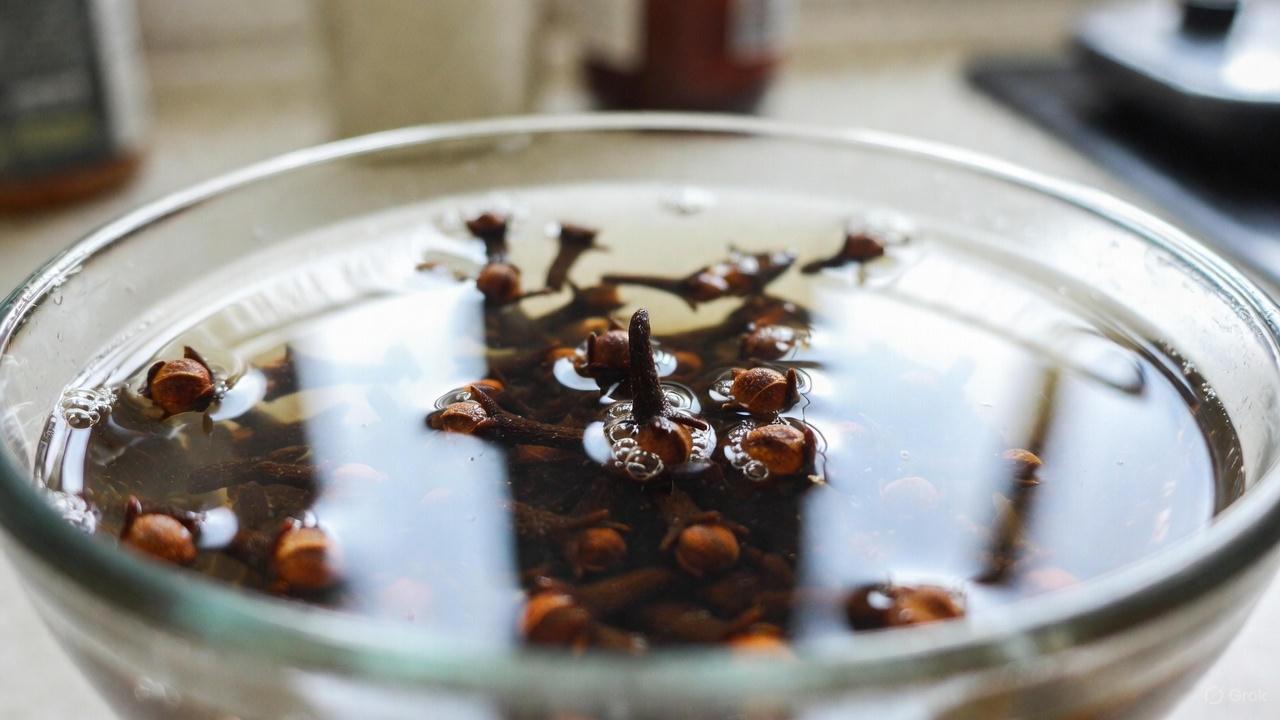
- 2 tablespoons whole cloves
- 1 cup boiling water
Instructions
- Add the cloves to a heat-safe bowl or jar.
- Pour the hot water over them.
- Cover and let steep overnight (or at least 4-6 hours) for maximum extraction.
- Strain the liquid into a clean spray bottle.
- Store in the fridge—it lasts up to a week.
How to Apply
- Spray onto a clean, damp scalp after shampooing.
- Gently massage for 2-3 minutes to encourage absorption.
- No need to rinse—let it air dry.
- Use 2-3 times per week to start.
Pro tip: Always do a patch test on your inner arm first to check for sensitivity.
Tips for Getting the Most Out of Clove Water
To enhance your experience:
- Use glass containers to avoid any reactions with plastic.
- Warm the spray slightly before use for better penetration.
- Combine with a gentle scalp massage to boost circulation.
- Add a few drops of lavender essential oil for a calming scent.
| Common Alternatives | Potential Drawbacks | Why Some Prefer Clove Water |
|---|---|---|
| Rosemary rinse | Strong herbal scent | Added antimicrobial support from eugenol |
| Commercial serums | Higher cost, additives | Simple, kitchen-based, customizable |
| Minoxidil products | Possible side effects | Natural, gentle approach |
Consistency matters—many notice subtle changes after a few weeks of regular use.
Expected Timeline with Regular Use
Everyone’s hair responds differently, but here’s a general guide based on user experiences:
- Weeks 1-2: Cleaner feeling scalp, less daily shedding
- Weeks 3-4: Improved shine and texture
- Month 2+: Potential for stronger, healthier-looking strands
Pair it with a balanced diet rich in nutrients for best results.

Frequently Asked Questions
How often should I use clove water?
Start with 2-3 times per week. If your scalp tolerates it well, you can increase to daily, but monitor for any dryness.
Can clove water darken hair or prevent graying?
Some antioxidants in cloves may help protect hair pigment over time, but it won’t dramatically change color.
Is clove water safe for colored or treated hair?
Yes, it’s generally gentle, but always patch test as eugenol can be potent.
This article is for informational purposes only and is not intended to diagnose, treat, or cure any condition. Results vary by individual. Consult a healthcare professional before trying new remedies, especially if you have scalp issues or allergies. Perform a patch test and discontinue use if irritation occurs.


