Many people notice changes in their hair as they age, such as slower growth, increased shedding, or strands that feel finer over time. These shifts can feel frustrating, especially when everyday factors like stress, diet, or environmental exposure play a role. It’s common to search for gentle ways to support scalp health and maintain vibrant hair. One kitchen staple that’s been used traditionally for centuries—cloves—might offer some interesting possibilities worth exploring.
But what makes cloves stand out, and how can you try them safely? Keep reading to discover a straightforward method that’s easy to prepare at home, plus insights into why it appeals to so many.

Why Cloves Are Gaining Attention for Scalp and Hair Support
Cloves, the dried flower buds of the Syzygium aromaticum tree, have a long history in traditional medicine systems like Ayurveda and Chinese practices. They’re rich in compounds like eugenol, a natural phenolic ingredient that gives cloves their distinctive aroma.
Research suggests eugenol has antioxidant, antimicrobial, and anti-inflammatory properties. These qualities may help create a healthier scalp environment, which is key since scalp health influences how hair feels and behaves overall.
For instance, studies on eugenol indicate it can help combat oxidative stress from free radicals, which contribute to everyday wear on hair follicles. Animal research has also explored topical clove formulations, showing potential for supporting follicle activity through better nutrient delivery.
Here’s the exciting part: many of these benefits come from simple home preparations, without needing fancy products.
Potential Benefits of Using Cloves for Your Hair
People turn to cloves for various reasons related to hair care. While individual experiences vary, here’s what emerging evidence and traditional use highlight:
- Supports Scalp Circulation: Eugenol may act as a mild vasodilator, helping improve blood flow to the scalp area. Better circulation means more oxygen and nutrients reaching the roots.
- Antimicrobial Properties: Lab tests show eugenol has activity against bacteria and fungi, which could help maintain a cleaner scalp and reduce issues like buildup or flakiness.
- Reduces Inflammation: Anti-inflammatory effects from compounds like eugenol and gallic acid might soothe irritated scalps, creating a calmer environment for hair.
- Antioxidant Protection: Cloves are packed with antioxidants that neutralize free radicals, potentially protecting hair strands from environmental damage.
- Adds Shine and Manageability: The natural compounds can leave hair feeling smoother and more lustrous.
Research, including animal studies on clove oil emulsions, has noted improvements in hair conditioning and follicle support compared to controls. However, human studies are limited, and results aren’t guaranteed for everyone.
But that’s not all—many notice these effects with consistent, gentle use.
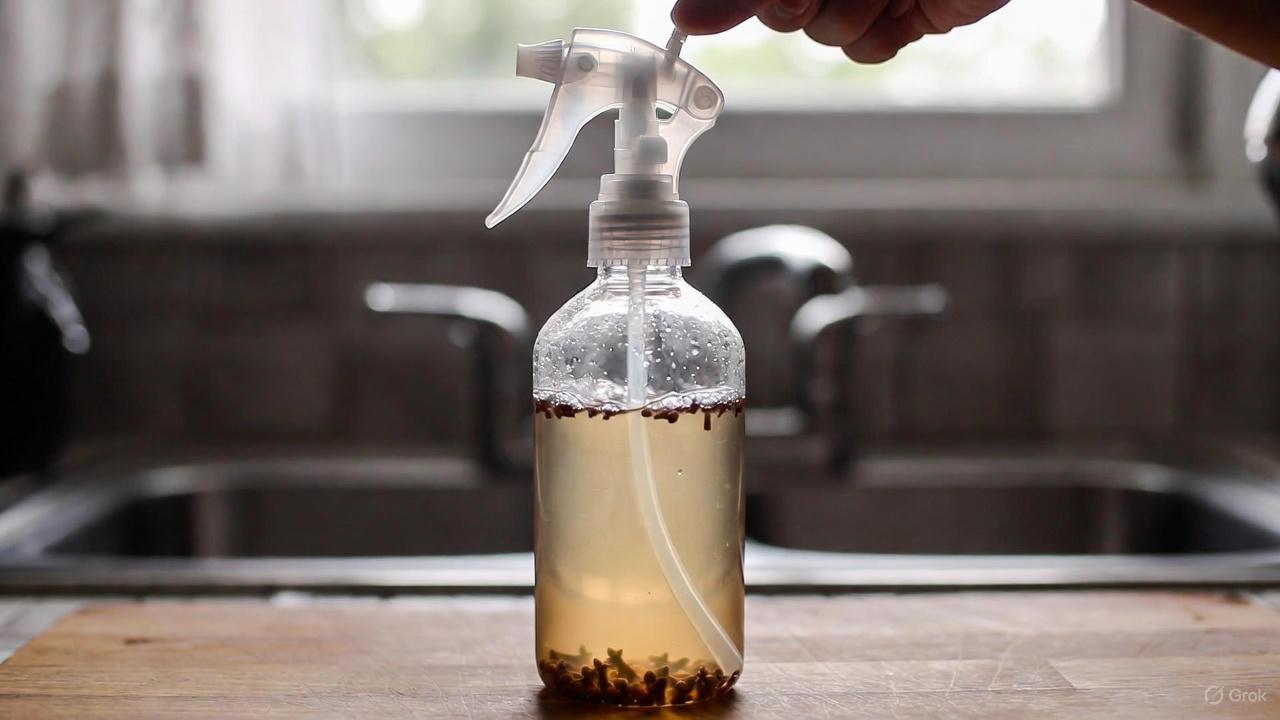
How to Make and Use a Simple Clove Water Spray
One popular way to try cloves is through a homemade clove water rinse or spray. It’s straightforward, inexpensive, and uses whole cloves you might already have.
Step-by-Step Recipe
- Boil 1 cup of water and add 2 tablespoons of whole cloves.
- Let it simmer for 5-10 minutes, then remove from heat and steep overnight for maximum infusion.
- Strain the mixture into a clean spray bottle (glass is ideal to preserve the natural compounds).
- Store in a cool place; it should last up to a week.
How to Apply
- Use on clean, damp hair after shampooing.
- Spray generously onto your scalp.
- Gently massage for 2-3 minutes to encourage absorption.
- No need to rinse—let it air dry.
Start with 2-3 times per week to see how your scalp responds. Some add a few drops of essential oils like lavender for scent.
Pro Tip: Warm the spray slightly before use for better penetration.
Clove Water vs. Other Natural Options: A Quick Comparison
| Option | Potential Advantages | Why Clove Water Might Appeal |
|---|---|---|
| Rosemary Water | Supports circulation, antioxidant-rich | Adds antimicrobial benefits from eugenol |
| Commercial Serums | Convenient, targeted ingredients | Fully natural, customizable, cost-effective |
| Minoxidil Products | Clinically studied for growth | Gentle, no dependency concerns |
Cloves stand out for their multi-action profile in a single ingredient.
Tips for Getting the Most Out of Your Routine
To enhance results:
- Be consistent—hair changes take time, often weeks to months.
- Combine with a gentle massage to boost circulation.
- Pair with a balanced diet rich in nutrients like biotin and iron.
- Patch test first on your inner arm to check for sensitivity.
- Use whole cloves for freshness; avoid over-concentrating to prevent irritation.
Many report a refreshed scalp feel right away, with gradual improvements in texture.
This is where it gets interesting: pairing cloves with daily habits can amplify scalp support naturally.

Expected Timeline with Regular Use
| Time Frame | Possible Observations |
|---|---|
| Week 1-2 | Cleaner-feeling scalp, reduced shedding |
| Week 3-4 | Improved shine, better manageability |
| Month 2+ | Noticeable strength and overall vitality |
Remember, patience is key—hair grows about half an inch per month on average.
Frequently Asked Questions
1. Is clove water safe for all hair types?
Yes, it’s generally gentle, but those with sensitive scalps should start slowly and dilute if needed. Always patch test.
2. Can I use clove water every day?
2-3 times weekly is a good starting point to avoid potential dryness. Listen to your scalp.
3. Will this work for severe hair thinning?
Natural remedies like cloves may support overall scalp health, but for significant concerns, consult a healthcare professional for personalized advice.
In summary, incorporating cloves through a simple water spray offers an accessible way to explore natural scalp support. With their traditional roots and promising compounds like eugenol, it’s no wonder they’re a go-to for many seeking gentler options.
Disclaimer: This article is for informational purposes only and is not intended to diagnose, treat, cure, or prevent any condition. Results vary, and natural remedies are not substitutes for professional medical advice. Consult your healthcare provider before trying new routines, especially if you have allergies, scalp conditions, or are pregnant. Perform a patch test to avoid irritation.