Many people today are looking for simple, natural ways to feel more energized and maintain steady energy levels throughout the day. The constant ups and downs in how we feel can make everyday tasks harder, leaving us searching for gentle options that fit into busy lives. One traditional ingredient that has been used for generations in certain cultures might offer an interesting addition to modern wellness habits.
And the best part? It comes from a plant you might not expect – with a preparation method that’s surprisingly easy to try at home. Keep reading to discover exactly how people are using it and why it’s worth considering.
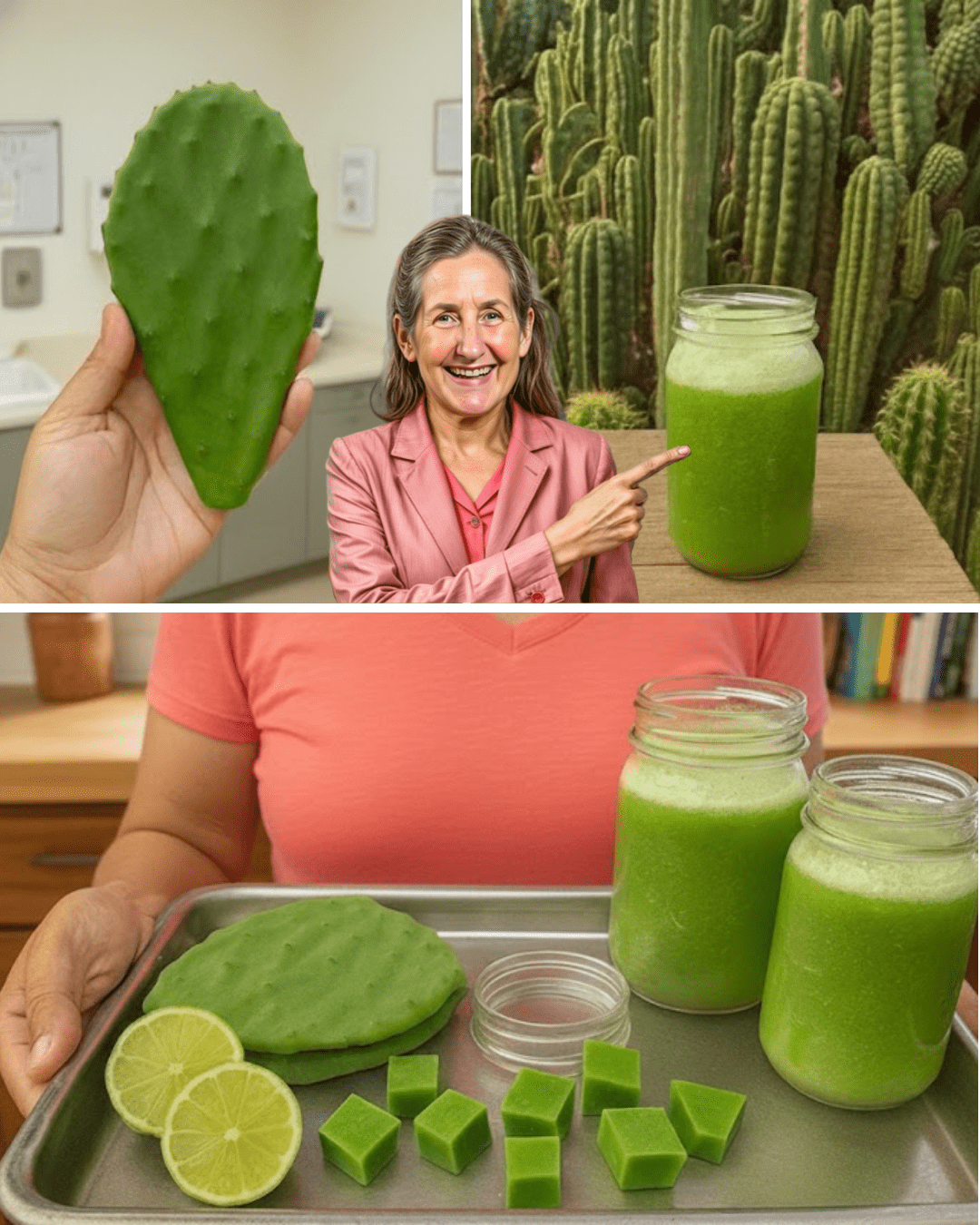
What Is Nopal Cactus and Why Is It Gaining Attention?
Nopal, also known as prickly pear cactus pads, is the flat, oval-shaped part of the cactus plant commonly used in Mexican and Southwest American cuisine. These vibrant green pads have been a staple food in some regions for centuries.
Research, including studies published in journals like the Journal of Ethnopharmacology, has explored the nutritional profile of nopal. Scientists note that it contains fiber, antioxidants, vitamins, and minerals that contribute to its traditional use in daily meals.
What makes nopal interesting for wellness enthusiasts is its natural composition. The pads are mostly water, yet they provide a good amount of soluble and insoluble fiber – the kind that nutrition experts often recommend including more of in our diets.
But that’s just the beginning…
The Nutritional Breakdown of Nopal Pads
Here’s a closer look at what fresh nopal cactus pads typically offer per 100-gram serving (based on data from reliable nutrition databases):
- High water content (around 92%) for natural hydration
- Dietary fiber: about 3–4 grams
- Vitamin C: supports immune health
- Magnesium and potassium: important minerals for daily function
- Antioxidants like betalains and polyphenols
These components work together in the plant naturally. Many people appreciate that nopal is low in calories while still feeling satisfying when added to meals.
This unique combination is one reason why villages in Mexico have included nopal in their regular diet for generations.
Simple Ways to Prepare Fresh Nopal at Home
Getting started with nopal is easier than you might think. Here are step-by-step tips to prepare it safely and deliciously:
- Choose young, bright green pads (smaller ones are usually more tender).
- Wear gloves to remove the spines carefully with a knife or vegetable peeler.
- Rinse thoroughly under running water.
- Slice or dice into strips or cubes.
- Lightly boil or grill for 5–10 minutes until the texture softens (it becomes less slimy after cooking).
- Add to salads, scrambled eggs, smoothies, or soups.
Many people enjoy grilling nopal pads with a squeeze of lime and a pinch of salt – a traditional preparation called “nopal asado.”
Here’s the interesting part: some prepare a refreshing green drink by blending cleaned, cooked pads with water, lime, and a touch of pineapple or cucumber for natural flavor.
Creative Ideas to Add Nopal to Your Routine
Looking for practical ways to include this ingredient? Try these reader-favorite options:
- Morning boost: Blend cooked nopal with spinach, apple, ginger, and water for a vibrant green drink.
- Lunch upgrade: Add grilled nopal strips to tacos, bowls, or salads for extra texture.
- Snack idea: Dice and mix with fresh lime juice, onion, and cilantro for a simple side dish.
- Soup addition: Toss chopped nopal into vegetable or bean soups during the last few minutes of cooking.
These small additions can make meals more colorful and varied without much extra effort.
And here’s a tip many people love: preparing a batch on weekends saves time during busy weekdays.
What Research Says About Nopal and Daily Wellness
Several scientific studies have examined nopal’s role in traditional diets. For example:
- A review in the journal Nutrients highlighted its fiber content and potential support for digestive comfort.
- Research in Phytotherapy Research noted the presence of compounds that may help maintain normal blood sugar responses after meals when consumed as part of a balanced diet.
- Studies on animals and small human trials suggest antioxidant benefits from regular consumption.
While more large-scale human research is always welcome, the existing evidence supports why many cultures continue to value nopal as a nutritious food.
The key takeaway? Including a variety of plant foods like nopal can contribute to overall dietary diversity – something nutrition guidelines consistently encourage.
Tips for Choosing and Storing Fresh Nopal
To get the best experience:
- Look for firm, bright green pads without soft spots.
- Store in the refrigerator wrapped in paper towels for up to two weeks.
- Frozen cooked nopal keeps well for several months – perfect for smoothies.
Starting with small amounts helps your body adjust to the extra fiber gradually.
Conclusion: A Simple Tradition Worth Exploring
Incorporating fresh nopal cactus pads into meals is a straightforward way to explore traditional ingredients that have stood the test of time. From vibrant drinks to grilled sides, the options are versatile and refreshing.
Many people find joy in trying new natural foods that align with wellness goals. If you’re curious about adding more plant variety to your routine, nopal could be an interesting place to start.
Remember, small consistent habits often make the biggest difference over time.
Frequently Asked Questions
Is nopal cactus safe for daily consumption? Yes, when prepared properly and eaten in moderation as part of a varied diet. Always remove spines completely and cook before eating.
How much nopal should I start with? Begin with 1/2 to 1 pad (about 100–150 grams) per day and see how your body responds. Increase gradually if desired.
Can I drink nopal juice every day? Many people enjoy a small glass of blended nopal drink daily as part of their hydration routine, alongside plenty of plain water.
Disclaimer: This article is for informational purposes only and is not medical advice. Always consult your healthcare provider before making significant changes to your diet, especially if you have existing health conditions or take medications. Individual results and experiences may vary.