
Many people start their day feeling less than energized, dealing with occasional digestive discomfort or seasonal sniffles that make mornings tougher than they need to be. These common issues can stem from daily stresses, diet, or simply the natural changes that come with time, leaving you wishing for a natural way to feel more vibrant. What if a straightforward habit using two everyday ingredients could offer some support?
In this guide, we’ll explore the traditional practice of combining garlic and honey, why people have turned to it for generations, and practical ways to try it yourself. Stick around until the end for tips on getting the most from this simple routine.

Why Garlic and Honey Have Been Popular for Centuries
Garlic and honey have been staples in traditional wellness practices around the world. In ancient Ethiopian medicine, garlic mixed with local honey was used for respiratory support and skin health. Traditional Arabic remedies often included garlic for heart-related concerns and general vitality.
Modern interest stems from their natural compounds. Garlic contains allicin, a sulfur-based compound that forms when garlic is crushed or chopped. Research, including studies reviewed by Healthline, notes that allicin contributes to garlic’s antioxidant and antimicrobial properties. Honey, especially raw varieties, is rich in antioxidants like flavonoids and polyphenols, which help combat oxidative stress.
When combined, these two may complement each other. Lab studies have shown that garlic and certain honeys can inhibit bacterial growth more effectively together than alone. While human studies are ongoing, many find this duo a gentle addition to their daily habits.
But that’s not all—people often report feeling more supported in areas like digestion and energy. Let’s dive deeper.
Potential Benefits Backed by Research
Studies suggest several ways garlic and honey may support overall well-being:
- Immune Support: Both ingredients have antimicrobial properties. A review in medical literature highlights garlic’s role in reducing the frequency of common colds, while honey is known for soothing throats.
- Heart Health: Garlic has been linked to maintaining healthy cholesterol and blood pressure levels in some studies. Antioxidants in honey may also contribute to cardiovascular wellness.
- Digestive Comfort: Honey can act as a prebiotic, supporting gut bacteria, while garlic’s compounds may aid digestion.
- Antioxidant Boost: Together, they provide compounds that help the body manage inflammation and free radicals.
Here’s a quick comparison of their key compounds:
| Compound | Found In | Potential Role |
|---|---|---|
| Allicin | Garlic | Antimicrobial and antioxidant support |
| Flavonoids | Honey | Anti-inflammatory effects |
| Polyphenols | Both | Oxidative stress management |
| Hydrogen Peroxide | Honey | Natural antibacterial action |
Research from sources like the Journal of Neurochemistry and Dermatology Research points to these effects, though individual results vary.
The interesting part? Consuming them on an empty stomach is a common traditional tip, as it may allow better absorption before other foods interfere.
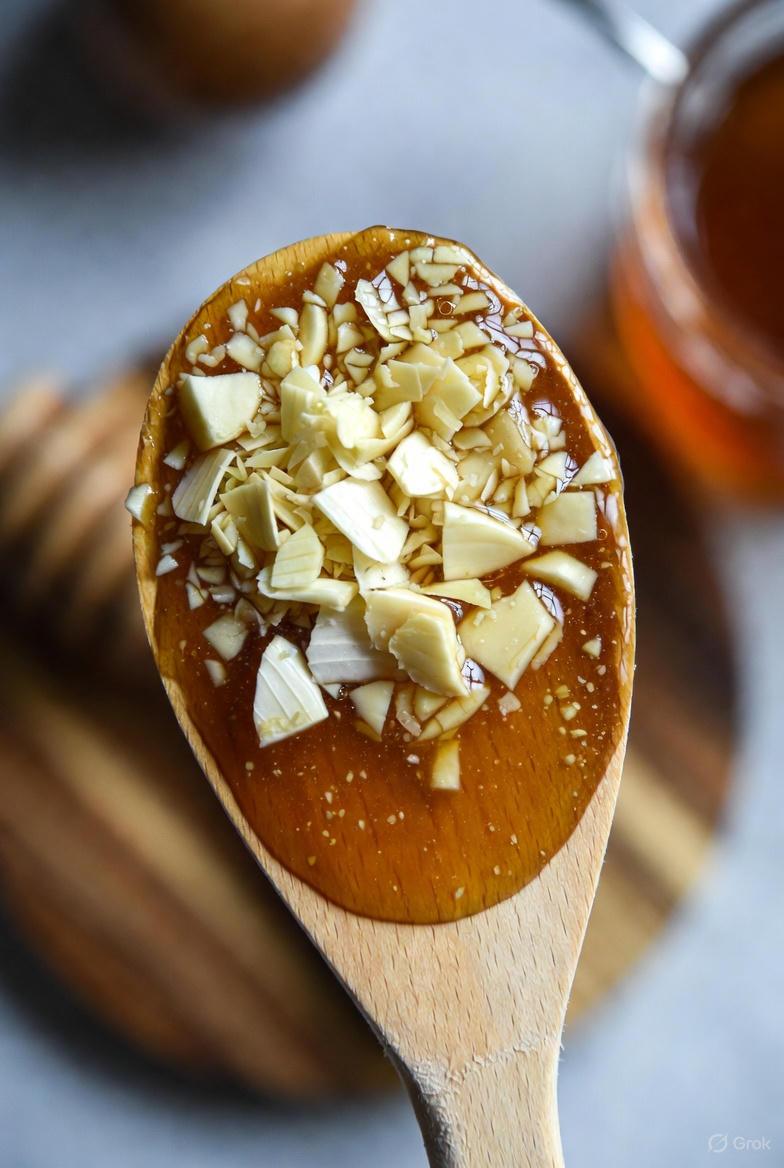
Step-by-Step: How to Prepare and Consume Garlic and Honey
Ready to give it a try? Here’s a safe, simple method many people use.
Basic Daily Routine
- Choose fresh, raw garlic and raw honey (unpasteurized for more natural enzymes).
- Peel and crush or finely chop 1-2 cloves of garlic. Let it sit for 10 minutes—this helps activate allicin.
- Mix with 1 teaspoon of raw honey.
- Consume first thing in the morning on an empty stomach, followed by a glass of water.
- Start small if you’re new to it—perhaps half a clove—to see how your body responds.
Fermented Option for Longer Storage
For a milder taste:
- Fill a clean jar halfway with peeled garlic cloves.
- Cover completely with raw honey.
- Seal loosely and let ferment at room temperature for 2-4 weeks, burping the jar daily to release gases.
- Once ready, take 1 clove or a spoonful of the honey daily.
This fermented version is popular for its tangy-sweet flavor and extended shelf life.
Pro Tip: Always use raw honey to preserve beneficial properties. Crushing garlic fresh maximizes potential benefits.
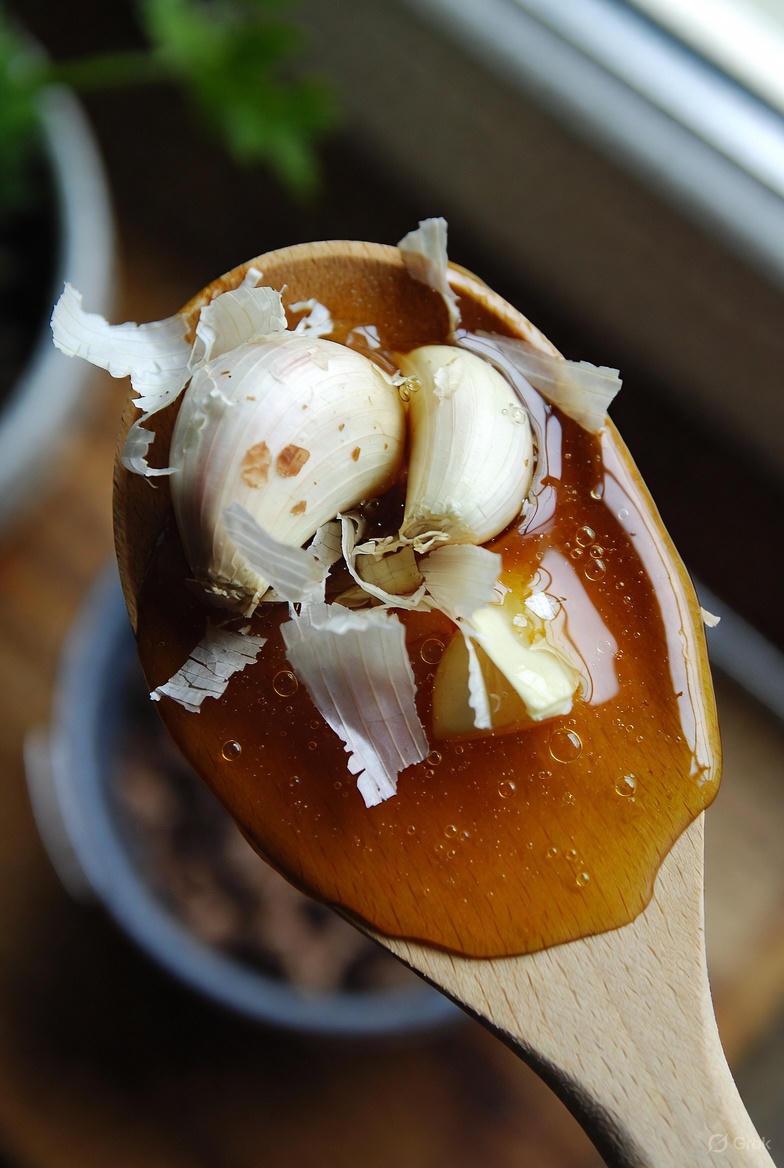
Safety Tips and Things to Watch For
Most people tolerate garlic and honey well in moderation, but listen to your body.
- Raw garlic can sometimes cause heartburn, bloating, or stomach discomfort, especially on an empty stomach.
- Honey should not be given to infants under 1 year due to botulism risk.
- If you have allergies, are on blood-thinning medications, or have digestive conditions, consult a healthcare provider first.
- Start slowly and discontinue if you notice any discomfort.
Studies emphasize moderation—1-2 cloves per day is a common suggestion.
Here’s what some research says about daily intake:
- Garlic: Benefits often seen with 1-2 cloves or equivalent extracts.
- Honey: 1-2 teaspoons provide antioxidant support without excess sugar.
Frequently Asked Questions
Is it safe to eat garlic and honey on an empty stomach every day?
For many, yes, in small amounts. Traditional practices suggest it may enhance absorption, but evidence is mostly anecdotal. Monitor how you feel.
How long should I try this routine?
People often start with 7-14 days to notice any differences, then continue if it feels good. It’s not a quick fix but a supportive habit.
Can I use cooked garlic instead?
Raw or lightly crushed is preferred for allicin, as heat can reduce it. But cooked garlic still offers other benefits.
Final Thoughts
Incorporating garlic and honey into your morning could be a simple, natural way to support your daily wellness. From traditional remedies to modern research, these ingredients offer intriguing properties worth exploring mindfully.
Remember, this is about adding supportive habits, not replacing professional care. Pair it with a balanced diet, movement, and good sleep for the best results.
Disclaimer: This information is for educational purposes only and is not medical advice. Individual experiences vary. Always consult your healthcare provider before starting new routines, especially if you have health conditions or take medications.


