Many of us spend hours staring at screens each day, leading to tired, strained eyes that feel dry or uncomfortable by evening. This constant exposure can build up fatigue and leave you searching for gentle ways to feel more refreshed. The good news is that everyday foods like guava, packed with natural nutrients, might offer some supportive benefits for maintaining comfortable vision.
But that’s not all—there’s a surprising natural approach using both the fruit and leaves that many people overlook, and I’ll share the details (including important safety notes) further down so you can decide if it’s worth trying.
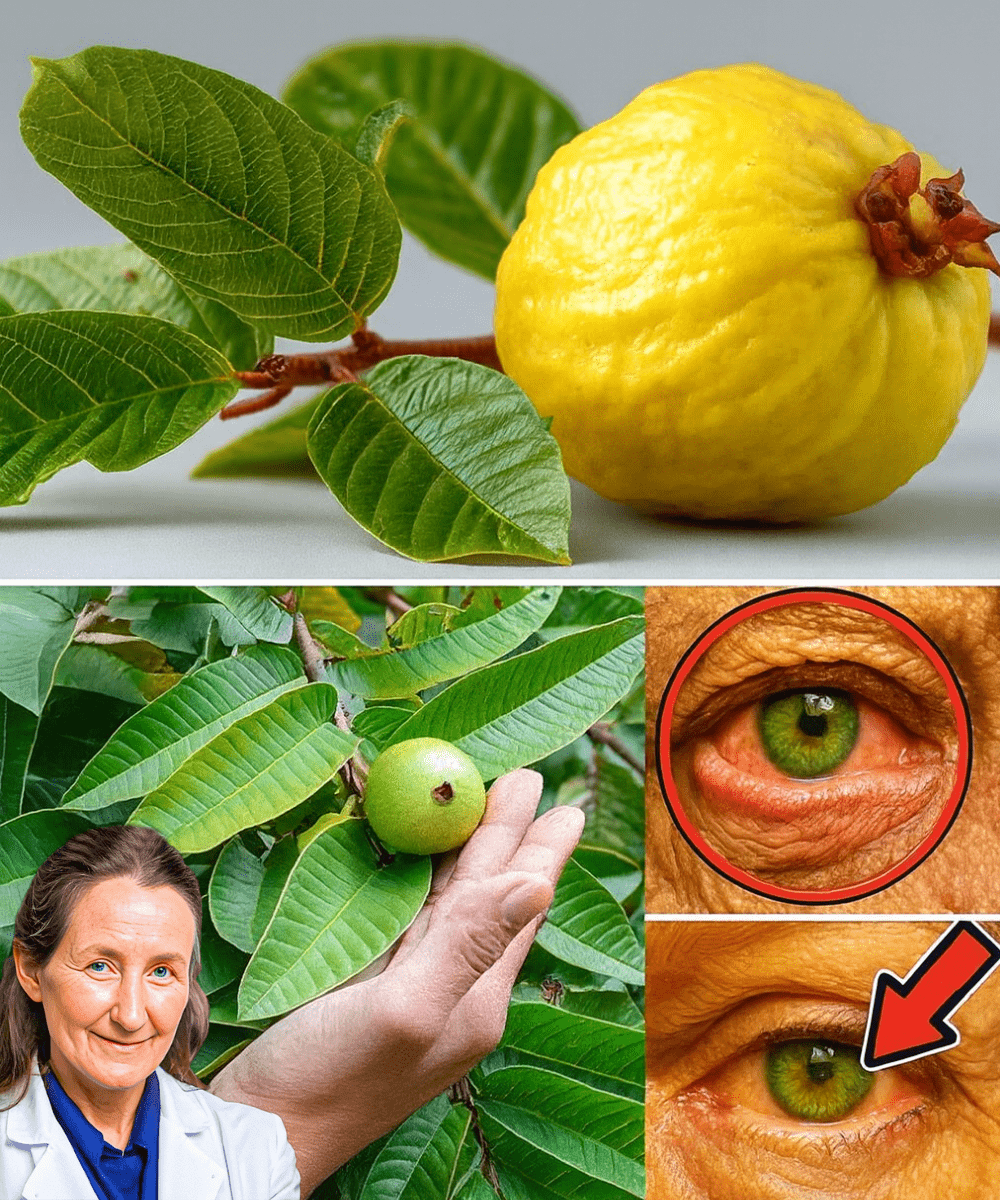
Why Guava Stands Out for Daily Eye Comfort
Guava is a tropical fruit loaded with vitamins and compounds that support overall wellness. Research highlights its high levels of vitamin C and other antioxidants, which play a role in protecting cells from everyday stress.
Here’s what makes it interesting:
- Exceptional vitamin C content: One guava can provide more vitamin C than an orange. Studies show vitamin C acts as an antioxidant, helping shield delicate eye tissues from oxidative stress that builds up over time.
- Additional supportive nutrients: Guava contains vitamin A precursors like beta-carotene, plus flavonoids and lycopene. These may contribute to general eye health by supporting retinal function and reducing risks associated with aging.
- Mild soothing properties in leaves: Traditionally, guava leaves have been used for their anti-inflammatory and antimicrobial qualities, which some find helpful for minor external eye area discomfort.
The truth is, while eating guava regularly adds valuable nutrients to your diet, topical uses from leaves are more traditional than proven—keep reading for practical ways to try them safely.
Practical Ways to Use Guava Leaves for External Eye Area Relief
If you’re dealing with occasional puffiness or fatigue around the eyes, a simple compress from guava leaves is a popular home approach. Here’s a step-by-step guide:
- Select 5–6 fresh, clean guava leaves.
- Rinse them thoroughly under running water to remove any dirt.
- Boil in about 2 cups (500 ml) of water for 10 minutes.
- Strain carefully and let cool to a comfortable warm temperature (test on your wrist first).
- Soak a clean, sterile cloth or gauze in the liquid.
- Gently place over closed eyelids for 5–10 minutes while relaxing.
Many people do this once or twice a day for a soothing break.
This method focuses on the area around the eyes—never apply directly inside.

Safer Alternatives for the Skin Around Your Eyes
For even gentler support, consider topical options that avoid direct contact:
- Look for skincare products with guava extract, often found in creams for hydration and antioxidant benefits.
- Or, gently massage a small amount of fresh guava pulp (strained) around the eye contour for moisture—always patch test first.
These can help with puffiness or dryness in the surrounding skin.
Easy Ways to Add Guava Fruit to Your Diet for Nutrient Support
The most straightforward (and evidence-backed) way is simply eating guava. Nutrients like vitamin C and beta-carotene absorb best this way.
Try these ideas:
- Snack on fresh guava slices daily.
- Blend into smoothies with carrots or spinach for extra eye-friendly nutrients.
- Add to salads or yogurt for variety.
Aim for colorful fruits and veggies overall—research shows a mix supports long-term eye comfort.
Key Nutrients in Guava That May Help Eyes (Quick Comparison)
| Nutrient | Amount in 1 Medium Guava | Potential Eye Benefit (From Studies) |
|---|---|---|
| Vitamin C | ~200–400% Daily Value | Antioxidant protection against oxidative stress |
| Vitamin A (as beta-carotene) | ~10–20% Daily Value | Supports retinal health and night vision |
| Lycopene | High in pink varieties | May reduce age-related risks |
| Fiber | ~9 grams | Overall wellness support |
(Sources: USDA data and reviews from Healthline, WebMD)
Important Safety Tips When Trying Guava Remedies
Eyes are sensitive, so caution is essential:
- Always ensure perfect cleanliness—use fresh leaves and filtered water.
- Do a patch test on your arm first to check for allergies.
- Stop immediately if you notice redness, stinging, or any discomfort.
- Avoid putting any homemade solution directly into the eyes; stick to external compresses or diet.
- These are supportive ideas only—not replacements for professional care.
Here’s the part that’s key: Limited studies (mostly animal or lab-based) explore guava leaves topically, and experts like those at WebMD note insufficient evidence for specific eye uses. Always prioritize safety.

What Research Really Shows About Guava and Eyes
Studies confirm guava’s nutritional strengths:
- High vitamin C and antioxidants help combat free radicals, potentially benefiting eye tissues (Healthline reviews).
- Vitamin A content supports vision maintenance.
But topical leaf uses remain largely traditional, with one older animal study noting antibacterial potential yet highlighting sterility concerns.
In short, dietary guava offers solid nutrient support, while leaf remedies are gentle traditions best used cautiously.
Conclusion: A Gentle, Natural Addition to Your Eye Care Habits
Incorporating guava—through eating the fruit or trying a simple leaf compress—can be a refreshing way to add natural nutrients and soothing rituals to your day. Many find it helpful for everyday comfort, especially alongside a balanced diet and screen breaks.
Start small, listen to your body, and enjoy the process.
FAQ
1. Can guava really improve eyesight naturally?
Guava provides key nutrients like vitamins C and A that support overall eye health through diet, but it won’t correct vision problems like nearsightedness.
2. Is it safe to use guava leaves around the eyes daily?
For occasional external compresses on closed eyelids, many do so safely with proper hygiene, but stop if irritation occurs and limit to 1–2 times per day.
3. How much guava should I eat for potential benefits?
One or two fresh guavas a few times a week is a great start—combine with other fruits and veggies for best results.
Disclaimer: This article is for informational purposes only and not medical advice. Natural remedies are not substitutes for professional eye care. Consult an ophthalmologist for any eye concerns or before trying new remedies, especially if you have existing conditions.
(Word count: ~1350)