Maintaining good oral health can sometimes feel challenging, especially when dealing with everyday issues like plaque buildup, sensitive gums, or occasional discomfort from food particles and bacteria. These common concerns affect many people, leading to frustration and a search for gentle, everyday solutions that fit into busy lives. The good news is that nature offers accessible options many have turned to for generations.
One surprising yet time-tested approach comes from a familiar tropical plant—and by the end of this guide, you’ll discover three straightforward ways to explore it that might just become part of your routine.
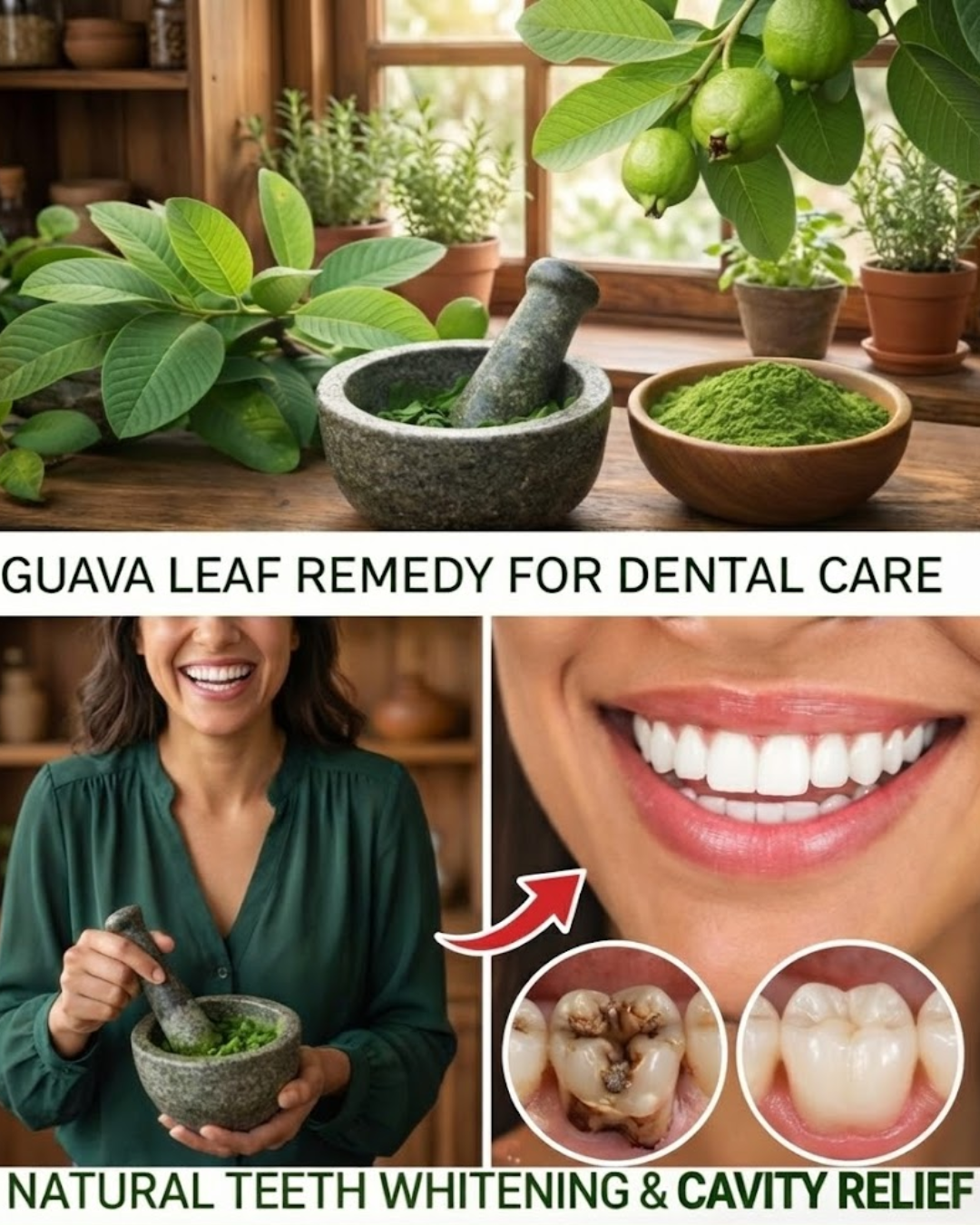
Why Guava Leaves Have Been Used in Traditional Oral Care
Guava leaves (Psidium guajava) have a long history in folk practices across tropical regions, where people have chewed them or used decoctions for mouth freshness and gum comfort.
Research suggests this tradition may stem from the leaves’ natural compounds, including flavonoids like quercetin and guaijaverin. Studies, including those published in journals like the Journal of International Oral Health and BMC Complementary Medicine and Therapies, indicate these compounds show antibacterial properties against common oral bacteria, such as Streptococcus mutans, which contributes to plaque.
Other investigations highlight potential anti-inflammatory and antioxidant effects that could support overall mouth health when used as a rinse.
But that’s not all—some findings point to mild abrasive qualities in leaf preparations that may help with surface cleanliness. Keep reading to learn practical ways to try them.
Idea 1: Chewing Fresh Guava Leaves for Quick Freshness
One of the simplest methods passed down through generations is directly chewing tender guava leaves.
This approach allows natural compounds to come into contact with teeth and gums effortlessly.
Step-by-Step Guide:
- Select 2–3 young, tender guava leaves (they’re softer and easier to chew).
- Rinse them thoroughly under clean water to remove any dirt.
- Place the leaves in your mouth and chew gently for 1–2 minutes, focusing on the areas that need attention.
- Spit out the remnants—do not swallow.
- Repeat once or twice daily, perhaps after meals.
Many find this refreshing, and preliminary studies note the release of beneficial extracts during chewing. It’s a zero-cost habit if you have access to a guava tree.
Here’s a quick comparison of chewing vs. other methods:
| Method | Ease of Use | Preparation Time | Best For |
|---|---|---|---|
| Chewing Leaves | Very Easy | None | On-the-go freshness |
| Decoction Rinse | Easy | 10–15 minutes | Thorough mouth coverage |
| Leaf Powder Paste | Moderate | 5–10 minutes | Targeted application |
Idea 2: Preparing a Guava Leaf Decoction as a Homemade Rinse
Turning guava leaves into a simple rinse is another popular way to incorporate them into your routine. Clinical trials have explored similar decoctions as mouth rinses, showing promising effects on reducing bacterial counts compared to plain water.
Step-by-Step Guide:
- Gather 5–6 fresh or dried guava leaves.
- Wash them well.
- Boil in 2 cups of water for 10–15 minutes until the liquid reduces and turns light brown.
- Let it cool to room temperature, then strain.
- Use about ½ cup to swish gently in your mouth for 30–60 seconds, 1–2 times daily (after brushing is ideal).
- Spit out—do not rinse with water afterward for better contact time.
Research, such as a randomized trial, found guava-based rinses supported gingival health and had good user acceptance due to mild taste.
This method is gentle and can be stored in the fridge for up to 2 days.
Idea 3: Making a Simple Guava Leaf Powder Paste
For a more targeted approach, grinding leaves into a powder creates a paste that acts as a mild cleanser.
Some herbal formulations in studies have used guava leaf powder for its potential plaque-reducing properties.
Step-by-Step Guide:
- Dry fresh guava leaves in shade for a few days until crisp (or use store-bought dried leaves).
- Grind into a fine powder using a mortar and pestle or blender.
- Mix ½ teaspoon of powder with a few drops of water to form a paste.
- Apply gently to teeth and gums with a clean finger or soft toothbrush.
- Leave for 1–2 minutes, then rinse thoroughly.
- Use 2–3 times a week.
Key benefits observed in lab studies:
- Antibacterial action against oral pathogens
- Potential anti-plaque effects from compounds like guaijaverin
- Mild abrasiveness for surface stain removal
- Antioxidant support for gum tissues
The truth is, consistency with any natural habit often yields the best results…
Tips for Safe and Effective Use
- Always use clean, pesticide-free leaves.
- Start with small amounts to check for any sensitivity.
- Combine with regular brushing and flossing for best outcomes.
- Fresh leaves work well, but dried ones are convenient.
Studies generally report good tolerance, with fewer side effects than some chemical rinses.
Conclusion
Exploring guava leaves through these three ideas—chewing, rinsing, or pasting—offers an easy, affordable way to add a natural element to your oral care. Backed by traditional use and emerging research on their antibacterial and soothing properties, they might help maintain freshness and comfort.
Remember, individual results vary, and these are supportive habits, not replacements for professional care.
Frequently Asked Questions
1. Can anyone use guava leaves for oral care?
Most people can try them safely in moderation, but if you have allergies to guava or related plants, avoid them. Pregnant or breastfeeding individuals should consult a healthcare provider.
2. How soon might I notice any difference?
Some report freshness right away, while supportive effects on plaque or gums may take consistent use over weeks, based on study observations.
3. Where can I get guava leaves?
Fresh from a guava tree, dried from herbal stores, or online. In many tropical areas, they’re readily available.
Important Note: This information is for educational purposes only and shares traditional and research-based insights on guava leaves. It is not medical advice. These practices do not diagnose, treat, cure, or prevent any dental condition. Always consult your dentist or healthcare professional for oral health concerns, especially cavities, gum issues, or pain. Professional dental care remains essential.