That occasional discomfort from sensitive gums or the buildup of plaque can make even simple things like eating or smiling feel unpleasant. Many people experience this daily frustration, wondering if there’s a gentle way to support better oral freshness without relying solely on commercial products. The good news is that nature offers accessible options worth exploring—and one surprising everyday plant might hold some helpful properties you’ll wish you knew about sooner.
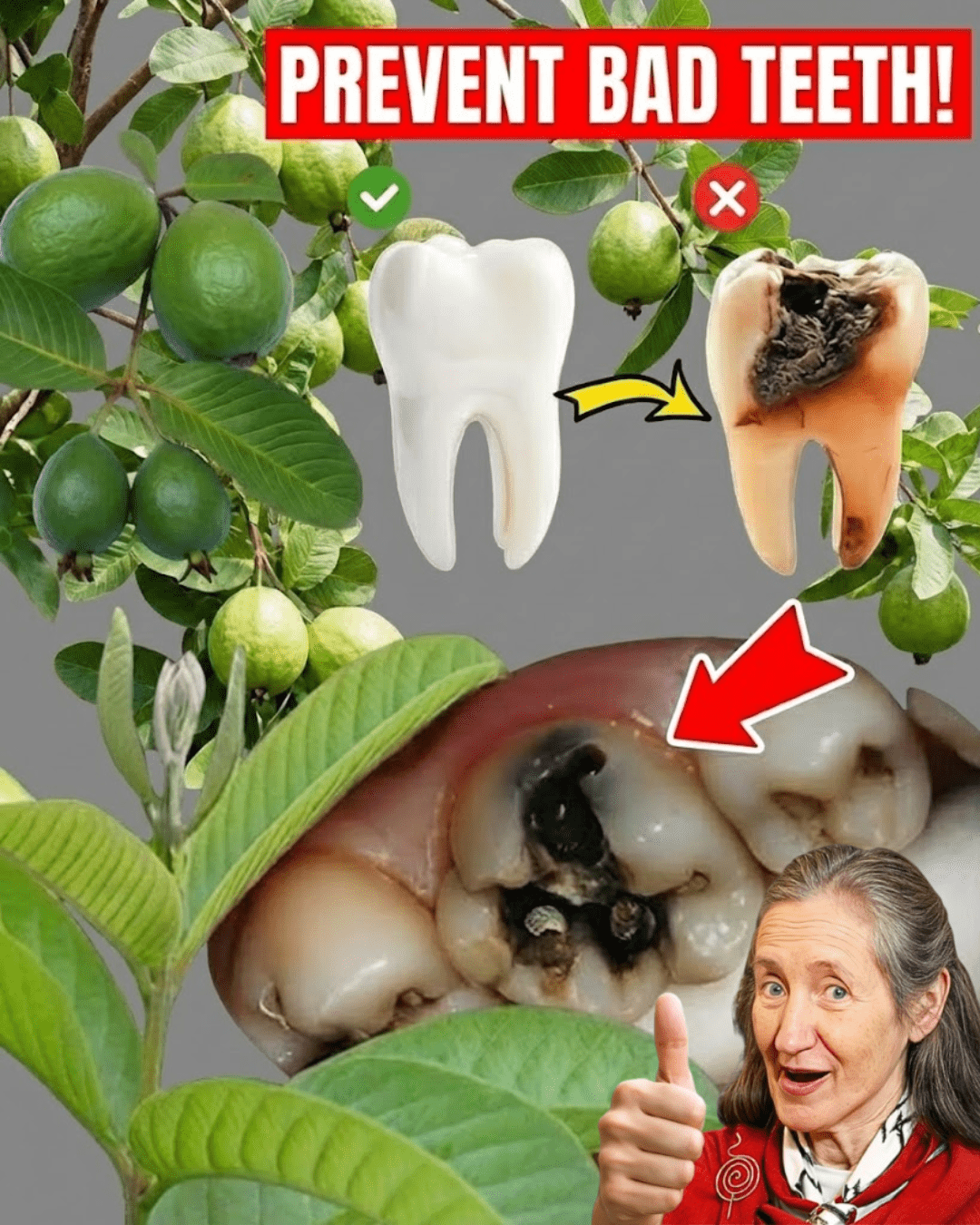
Why Guava Leaves Are Gaining Attention for Oral Health
Guava leaves, from the Psidium guajava plant, have been used in traditional practices across tropical regions for generations. People in places like India, Mexico, and Southeast Asia have long turned to them for supporting oral comfort.
Modern interest stems from their natural compounds. Research shows guava leaves contain flavonoids like quercetin and guaijaverin, along with tannins and essential oils. These contribute to antibacterial and anti-inflammatory effects observed in lab studies.
For instance, studies indicate that extracts from guava leaves can inhibit the growth of common oral bacteria, such as Streptococcus mutans, a key player in plaque formation. Other research highlights potential antiplaque activity and support for gum health.
But that’s not all—guava leaves also show antioxidant properties, which may help combat oxidative stress in the mouth. Preliminary clinical trials suggest that guava-based mouth rinses can reduce plaque and gingival scores when used alongside regular brushing.
Here’s a quick overview of key compounds in guava leaves and their studied effects:
| Compound | Potential Benefit Supported by Research |
|---|---|
| Quercetin | Antibacterial against periodontal pathogens; anti-inflammatory |
| Guaijaverin | Antiplaque activity; inhibits bacterial adhesion |
| Tannins | Astringent properties; may support gum firmness |
| Essential oils | Antimicrobial effects on oral bacteria |
These findings come from sources like PubMed reviews and clinical studies, emphasizing guava’s role as a complementary option.
Simple Way 1: Guava Leaf Tea as a Soothing Rinse
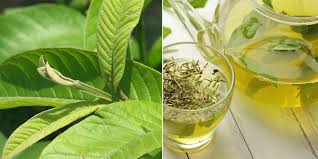
One of the easiest methods is preparing a basic infusion. This creates a mild liquid you can use to rinse your mouth daily.
Here’s how to do it step by step:
- Gather 5–7 fresh young guava leaves (or 1–2 tablespoons of dried leaves if fresh aren’t available).
- Rinse them thoroughly under running water to remove any debris.
- Boil 1–2 cups of water, then add the leaves.
- Let it simmer for 10–15 minutes on low heat.
- Remove from heat, cool completely, and strain.
- Use the cooled liquid to swish gently in your mouth for 30–60 seconds, 1–2 times a day.
Many find this refreshing, and studies on similar decoctions note potential benefits for oral freshness.
The truth is, consistency matters most—pair this with your usual brushing for best results.
Simple Way 2: Chewing Fresh Guava Leaves
In some traditional practices, people chew tender guava leaves directly. This releases the natural compounds gradually.
Actionable steps:
- Select young, clean fresh leaves from a guava tree (ensure no pesticides).
- Wash them well.
- Chew 1–2 leaves for a few minutes, focusing on releasing the juices.
- Spit out the fibrous remains—do not swallow large pieces.
- Rinse your mouth with water afterward.
This method is quick and requires no preparation. Research mentions its historical use for soothing minor oral discomfort.
Here’s the interesting part: Lab tests show chewed or crushed leaves can have direct contact benefits due to their bioactive release.
Simple Way 3: Homemade Guava Leaf Mouthwash
For a more structured approach, make a batch to store and use like a regular rinse.
Step-by-step guide:
- Collect 10–15 fresh leaves.
- Wash and lightly crush them to help release compounds.
- Boil in 4 cups of water for 20 minutes.
- Cool, strain, and store in a clean bottle in the fridge (use within 3–5 days).
- Dilute if needed, and rinse with 1/2 cup twice daily after brushing.
Clinical observations from trials using guava extract rinses report reductions in microbial counts and improved gingival indices over weeks.
To maximize benefits:
- Always use clean, organic leaves when possible.
- Combine with twice-daily brushing and flossing.
- Start slowly to check for personal tolerance.
What Research Says About Safety and Effectiveness
Multiple studies, including randomized trials, compare guava rinses to placebos or standard options. Results often show meaningful plaque reduction and gum support, with good tolerability.
For example:
- One trial found guava mouth rinse comparable to chlorhexidine in maintaining gingival health over 90 days.
- Another noted antibacterial effects against caries-related bacteria.
Antioxidant levels in saliva may also increase with regular use.
That said, individual results vary, and guava leaves complement—not replace—professional dental care.

Conclusion
Exploring guava leaves offers a straightforward, nature-inspired addition to oral routines. From rinses to chewing, these methods draw from tradition backed by emerging science showing antibacterial, anti-inflammatory, and antioxidant potential.
Start with one approach that fits your lifestyle, stay consistent, and monitor how your mouth feels. Many people report fresher breath and greater comfort over time.
FAQ
Are guava leaves safe for daily oral use?
In moderation and when properly prepared, they appear well-tolerated based on traditional use and studies. However, rinse and spit—avoid swallowing large amounts.
How long until I notice any difference?
Some feel freshness immediately, but research suggests consistent use over weeks for potential plaque and gum benefits.
Can children use guava leaf rinses?
Supervise closely and dilute further; consult a pediatric dentist first, as children’s needs differ.
Disclaimer: This information is for educational purposes only and shares general insights from research on guava leaves. It is not medical advice, and guava leaves do not diagnose, treat, cure, or prevent any oral condition. Always consult a qualified dentist or healthcare professional for personalized guidance, especially if you have existing dental issues or sensitivities. Professional cleanings and checkups remain essential for oral health.