
In today’s fast-paced world, many people feel constantly tired, struggle with digestive discomfort, or worry about maintaining steady energy and overall balance as they age. These common challenges can make it hard to enjoy daily life fully, leaving you searching for simple, natural ways to feel more vibrant without relying solely on caffeine or processed supplements. The good news is that nature offers nutrient-dense options that have been used for generations to support the body’s natural functions.
But here’s the interesting part: while moringa leaves get most of the attention, the seeds from this remarkable tree hold even more concentrated goodness—and discovering how to use them safely could be the gentle boost your routine has been missing. Keep reading to uncover practical ways to add them in.
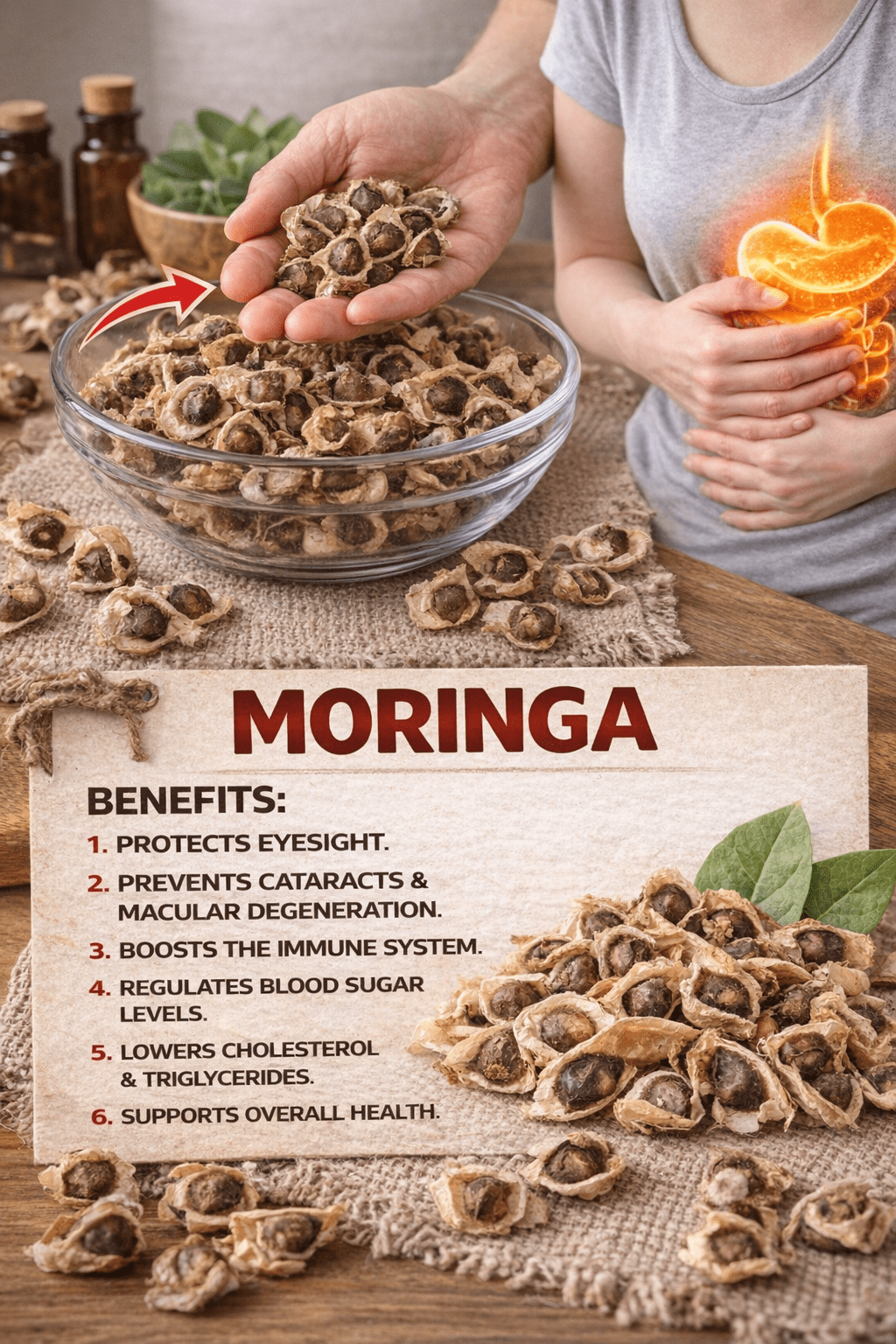
What Are Moringa Seeds and Why Are They Gaining Attention?
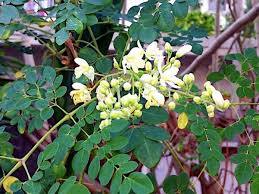
Moringa seeds come from the pods of the Moringa oleifera tree, a fast-growing plant native to parts of Asia and Africa but now cultivated worldwide in tropical regions.
These small, round seeds have a light brown hue and have been part of traditional practices for centuries, valued for their dense nutrient profile.
Research highlights that moringa seeds are rich in healthy fats like oleic acid (similar to what’s found in olive oil), plant-based protein, and essential minerals such as calcium, iron, magnesium, and potassium.
They also contain antioxidants, including flavonoids and phenolic compounds, which help combat oxidative stress.
Studies, including reviews published in journals like the International Journal of Molecular Sciences, note that the seeds can contain up to 40% oil with a favorable fatty acid composition, making them a standout natural resource.
But that’s not all—these seeds stand out because they’re versatile and potent in small amounts.
The Nutritional Breakdown of Moringa Seeds
Moringa seeds pack a lot into a tiny package. Here’s a quick look at what makes them nutritionally impressive:
- Healthy fats: Primarily monounsaturated fats, including high levels of oleic acid for heart-friendly support.
- Protein: Around 19-31% on average, providing a plant-based source.
- Minerals: Good amounts of potassium, magnesium, calcium, and iron to support daily needs.
- Antioxidants: Flavonoids, polyphenols, and other compounds that protect cells.
Animal and lab studies suggest these components contribute to the seeds’ potential role in supporting various body functions.
For instance, the oil from the seeds is stable and resistant to oxidation, which is why it’s used both internally and topically.
This nutrient density is why many cultures have incorporated the seeds into daily habits for vitality.
Potential Ways Moringa Seeds May Support Your Wellness Routine
Research, mostly from animal models and some human observations, points to several areas where moringa seeds show promise. Here’s what studies indicate:
Supporting Balanced Blood Sugar Levels
Some animal studies have found that moringa seed extracts help improve insulin sensitivity and slow sugar absorption.
A review of multiple studies noted modest reductions in blood glucose in models of diabetes.
This makes the seeds an interesting addition for those focusing on natural dietary habits alongside a balanced lifestyle.
Promoting Healthy Circulation and Blood Pressure
The potassium and antioxidant content may help maintain vascular health.
Certain preclinical research shows effects on relaxing blood vessels and reducing oxidative stress, key factors in cardiovascular wellness.
Human trials are limited, but traditional use aligns with these findings.
Boosting Immune Resilience
Compounds in the seeds appear to support the body’s natural defenses.
Lab tests demonstrate antimicrobial properties, which historically explain uses like water purification.
Regular moderate intake might help during times of seasonal stress.
Easing Occasional Inflammation
Chronic low-level inflammation affects many aspects of health.
Plant compounds in moringa seeds have shown anti-inflammatory activity in studies, potentially supporting joint comfort and overall ease.
Aiding Natural Detoxification Pathways
Traditionally used for liver support, the seeds contain elements that assist the body’s cleansing processes.
Animal research supports protective effects on liver function.
Enhancing Digestive Comfort
The fiber and natural oils may promote smooth digestion and relieve occasional sluggishness.
This aligns with reports from traditional practices.
Sustaining Natural Energy Levels
Nutrient density provides steady support without stimulants.
Antioxidants help at a cellular level, reducing fatigue in some studies.
Nourishing Skin from Within
Healthy fats and antioxidants protect skin cells.
Topical and internal use is linked to improved hydration and glow in anecdotal and preliminary research.
Here’s a simple comparison of moringa seeds vs. common nuts:
| Nutrient Aspect | Moringa Seeds | Almonds | Walnuts |
|---|---|---|---|
| Primary Fat Type | Oleic acid (monounsaturated) | Monounsaturated | Polyunsaturated |
| Protein Content | High (19-31%) | Moderate | Moderate |
| Key Minerals | Iron, calcium, potassium | Magnesium, vitamin E | Omega-3s, copper |
| Antioxidant Profile | Flavonoids, phenolics | Vitamin E | Polyphenols |
| Traditional Use | Multi-purpose wellness | Snacking | Brain health |
This table shows how moringa seeds offer a unique profile.
The truth is, consistent small habits often yield the best results—and moringa seeds fit perfectly into that approach.
Simple and Safe Ways to Consume Moringa Seeds
Starting small is key. Here are actionable steps:
- Begin with raw or chewed seeds: Start with 1-2 seeds daily. Peel the outer wing, chew thoroughly. The taste is mildly bitter, like horseradish.
- Roast for better flavor: Lightly toast peeled seeds in a dry pan over low heat for 5-10 minutes. This reduces bitterness and enhances nuttiness. Cool before eating.
- Make a gentle infusion: Crush 1-2 seeds and steep in hot (not boiling) water for 10 minutes. Strain and sip as tea. Add honey if needed.
- Use cold-pressed seed oil: Take 1/2 teaspoon internally or apply to skin. Choose reputable sources.
Pro tip: Always peel seeds first and start low to see how your body responds.
This is the fun part—experimenting with these methods can make wellness feel effortless.
Practical Home Tips with Moringa Seeds
- For daily energy: Chew one roasted seed mid-morning.
- For skin support: Massage a drop of seed oil into clean skin nightly.
- For digestive ease: Drink seed infusion after meals.
Consistency over weeks often brings noticeable differences.
Important Precautions and When to Be Cautious
Moringa seeds are generally well-tolerated in moderate amounts, but listen to your body.
Limit or avoid if:
- Pregnant or breastfeeding (limited safety data).
- Managing blood sugar or pressure with medication (may enhance effects—consult a doctor).
- Experiencing low blood pressure.
Excess can cause mild digestive upset. Stick to 1-3 seeds daily max.
Research shows no major adverse effects in short-term use, but individual responses vary.
Wrapping It Up: Could Moringa Seeds Fit Your Routine?
Moringa seeds offer a nutrient-packed, natural way to support energy, digestion, immunity, and more through their unique compounds.
Backed by traditional use and emerging research, they represent a simple addition for those seeking holistic habits.
Start small, stay consistent, and pair with a varied diet for the best experience.
Frequently Asked Questions
How many moringa seeds can I safely eat daily?
Most sources suggest starting with 1-2 peeled seeds per day, not exceeding 3-5 for adults. Observe your response.
Do moringa seeds taste good?
They have a bitter, nutty flavor. Roasting or infusing helps mellow it out.
Can I take moringa seeds with medications?
Possibly interact with blood sugar or pressure meds. Always check with a healthcare provider first.
Disclaimer: This article is for informational purposes only and not intended as medical advice. Consult a qualified healthcare professional before adding new foods or supplements, especially if you have health conditions or take medications. Moringa seeds are not a substitute for professional care.


