Many men over 50 experience frequent nighttime trips to the bathroom, disrupting sleep and daily energy. This common issue can stem from age-related changes in the prostate and bladder, affecting comfort and rest. Studies show that over 50% of men in this age group wake up at least once per night to urinate, with the number rising significantly with age.
These interruptions can lead to fatigue, reduced focus, and frustration over time. The good news? Simple dietary habits, like using everyday kitchen items, may help support urinary flow and bladder function naturally.
But here’s the interesting part: one overlooked source of beneficial compounds hides in something most people discard—and exploring it could open up easy ways to add more antioxidants to your routine. Keep reading to discover practical tips backed by science.
Why Prostate and Bladder Changes Happen with Age
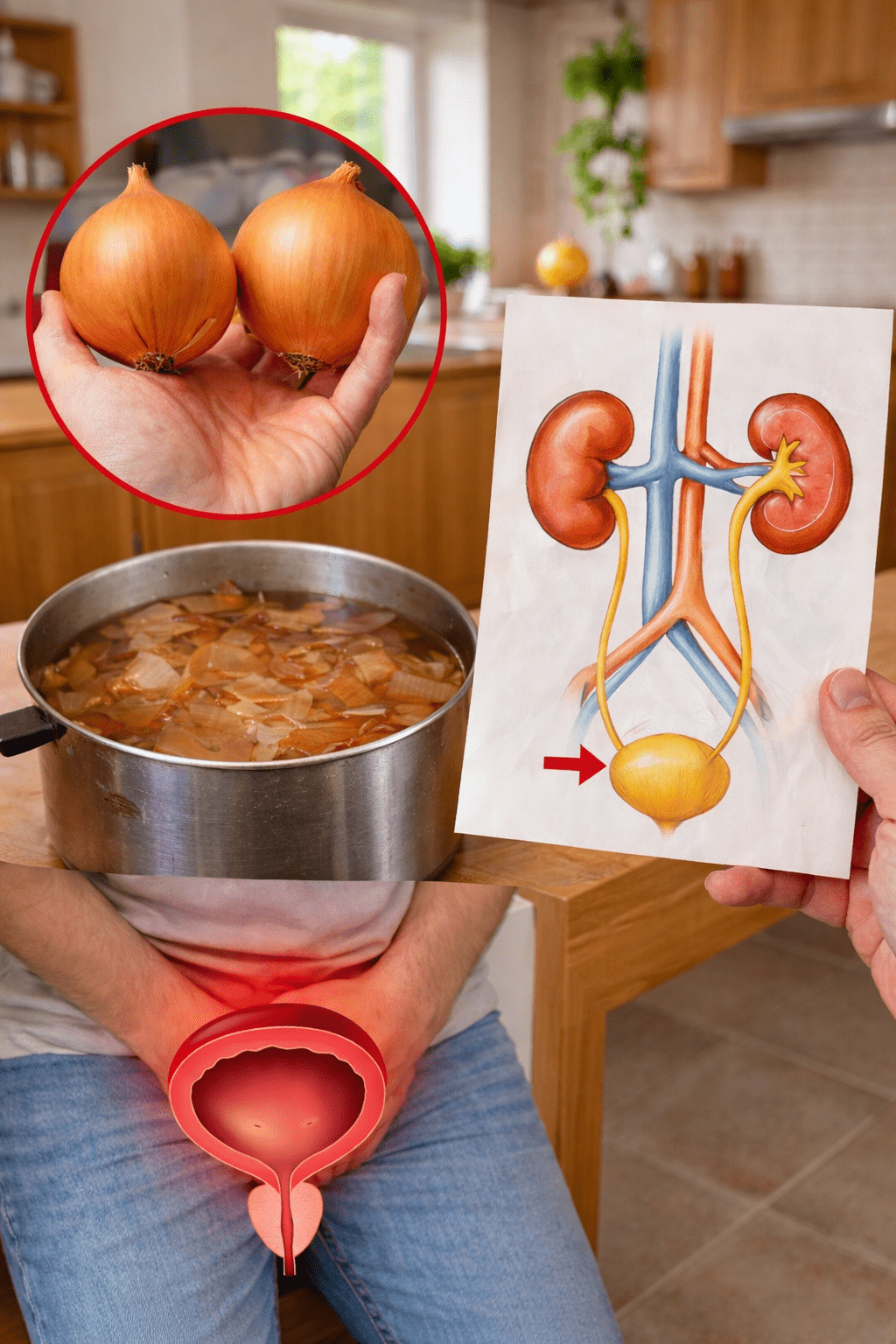
As men age, the prostate naturally enlarges in many cases, a condition known as benign prostatic hyperplasia (BPH). This can press on the urethra, leading to symptoms like slower urine flow, urgency, and more frequent voids—especially at night (nocturia).
Research indicates that inflammation and oxidative stress play roles in these changes. Antioxidants from plants may help by supporting healthy inflammation responses and protecting cells.
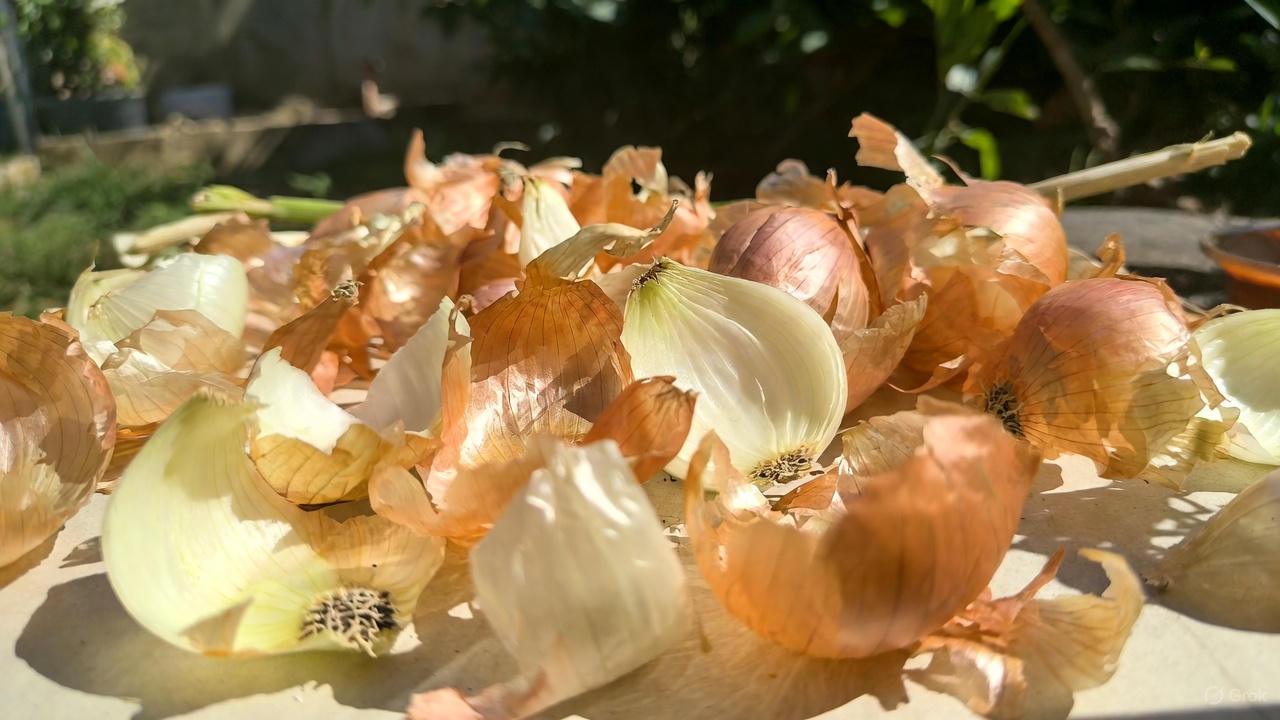
Onions, a staple in many kitchens, contain flavonoids like quercetin. Interestingly, the dry outer skins hold higher concentrations of these compounds compared to the fleshy part, according to several studies on onion varieties.
What Makes Onion Skins Worth Considering
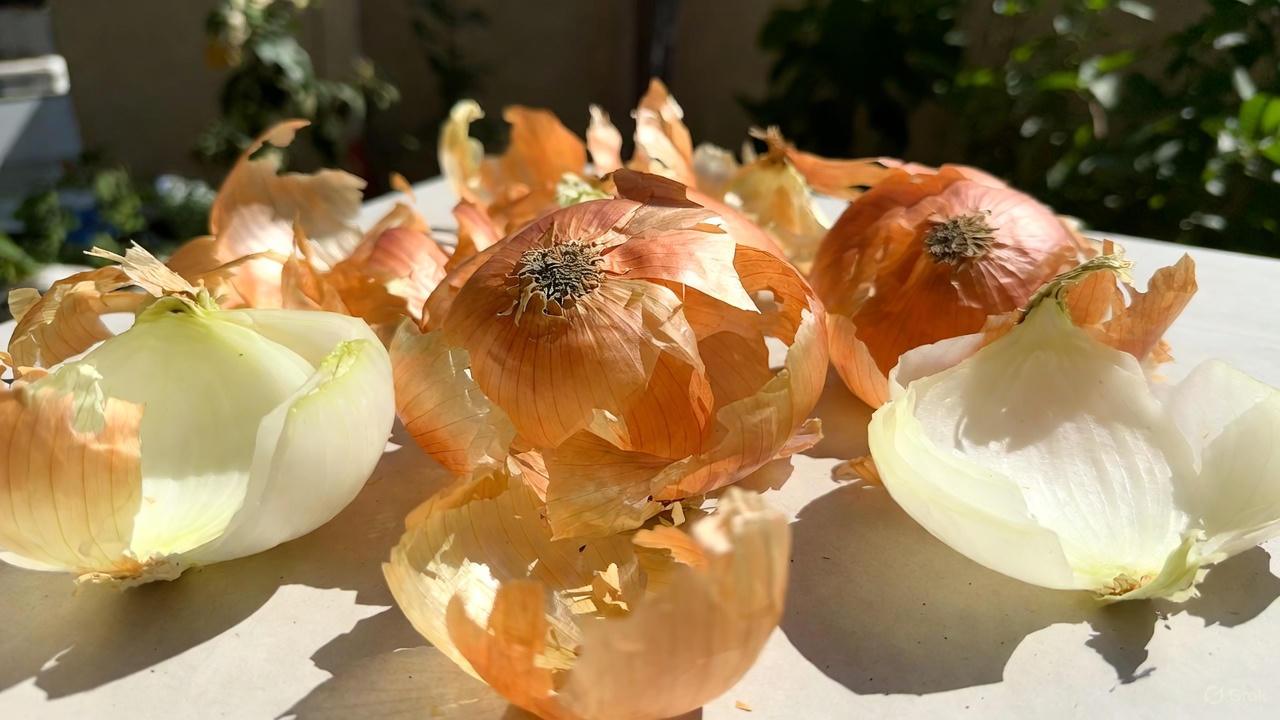
Onion skins are rich in quercetin, a natural flavonoid with antioxidant properties. Research shows that dry onion peels can have significantly more quercetin than the edible bulb—sometimes several times higher on a dry weight basis.
Quercetin has been studied for its potential to support prostate health. For example:
- Animal studies suggest it may help reduce prostate weight and inflammation markers.
- A rat model using red onion scale extract showed immunomodulatory effects on induced prostate hyperplasia.
- Human trials on quercetin supplements indicate possible benefits for urinary symptoms in men with chronic prostatitis or BPH.
One double-blind trial found quercetin helped improve symptoms related to prostate issues. Another review noted polyphenols like quercetin as potential supportive options alongside conventional approaches.
But that’s not all—quercetin also shows antioxidant effects that could benefit overall urinary tract function.
Easy Ways to Use Onion Skins at Home
Incorporating onion skins doesn’t have to be complicated. Here are actionable steps to try:
Simple Onion Skin Tea Recipe
- Collect clean, dry outer skins from 2–3 onions (organic if possible, washed well).
- Add the skins to 2 cups of boiling water.
- Simmer for 10–15 minutes on low heat.
- Strain and let cool slightly.
- Add a touch of honey or lemon for taste if desired.
- Drink 1 cup in the evening.
This mild tea provides a concentrated way to get flavonoids without eating large amounts of raw onion.
Other Practical Tips
- Add whole onions (skins on, if clean) to soups or stocks for subtle flavor and compounds—remove skins before serving.
- Dry skins in the oven on low heat and grind into powder for adding to smoothies or teas.
- Combine with other quercetin-rich foods like apples, berries, or green tea for broader support.
Start slowly and monitor how you feel. Consistency over weeks may yield the best insights.
Additional Habits to Support Urinary Health
Beyond onion skins, these evidence-based habits can help:
- Stay hydrated during the day but limit fluids close to bedtime.
- Include anti-inflammatory foods like berries, nuts, and fatty fish.
- Maintain a healthy weight through regular movement.
- Practice pelvic floor exercises (like Kegels) to strengthen bladder control.
| Habit | Potential Benefit | How to Start |
|---|---|---|
| Evening onion skin tea | Adds natural quercetin | 1 cup nightly |
| Daytime hydration | Supports overall urinary flow | 8 glasses, taper off after dinner |
| Quercetin-rich foods | Boosts antioxidant intake | Apples, onions, capers daily |
| Moderate exercise | Helps manage weight and inflammation | 30 minutes walking most days |
Research supports that lifestyle factors influence prostate and bladder comfort.
Foods and Compounds That May Complement Onion Skins
Quercetin isn’t unique to onions. Top sources include:
- Capers
- Red onions (whole)
- Apples with skin
- Berries
- Green tea
Studies on green tea catechins also suggest urinary benefits, like reduced inflammation.
Combining sources creates a varied intake of plant compounds.
Here’s a quick comparison:
- Onion skins: High concentration, easy to brew
- Supplements: Convenient but consult a doctor first
- Whole foods: Provides fiber and other nutrients
Frequently Asked Questions
Is onion skin tea safe for everyone?
Generally yes in moderation, but avoid if you have onion allergies or take blood-thinning medications, as quercetin may interact. Start small.
How long until I notice changes?
Individual results vary. Some studies on quercetin show effects in 4–8 weeks with consistent use.
Can this replace medical advice?
No—these are supportive habits. Always discuss symptoms with a healthcare provider for personalized guidance.
Final Thoughts
Exploring natural sources like onion skins offers a simple, low-cost way to boost quercetin intake and potentially support prostate and bladder health. Paired with healthy habits, it may contribute to better sleep and comfort.
Remember, small daily changes add up. Track your routines and adjust as needed.
Disclaimer: This article is for informational purposes only and is not intended to diagnose, treat, cure, or prevent any disease. It does not replace professional medical advice. Consult your healthcare provider before trying new remedies, especially if you have existing conditions or take medications.