Many people feel tired in the afternoons, notice their energy isn’t what it used to be, or worry quietly about long-term health as they get older. These subtle changes can build up over time, making everyday activities feel heavier and leaving you wondering if there’s a simple way to feel more vibrant. The good news is that one common kitchen spice has been studied for years for its potential to support the body’s natural balance—and you might already have it in your pantry.
Keep reading to discover practical ways to add it to your routine and what research suggests about its role in daily wellness.

What Makes Turmeric Stand Out
Turmeric is the bright yellow spice that gives curry its color. It’s been part of traditional cooking and wellness practices in Asia for thousands of years. The compound that gets the most attention from researchers is curcumin, the active ingredient responsible for its golden hue.
Studies, including reviews published in journals like the Journal of Medicinal Food, indicate that curcumin has strong antioxidant and anti-inflammatory properties. These properties are why scientists continue to explore how turmeric fits into a healthy lifestyle.
But that’s just the beginning. Let’s look at some specific areas where research points to potential benefits.
Supporting Heart Health Naturally
Heart health is a top concern for many adults. Research suggests that curcumin may help maintain healthy cholesterol levels already within normal range and support smooth blood flow.
One study in the journal Nutrition Research found that participants who included curcumin supplements noticed improvements in markers related to cardiovascular wellness. Another animal study showed a reduction in arterial plaque buildup.
Of course, turmeric isn’t a replacement for a heart-healthy diet or exercise—but adding it regularly might offer extra support.
Helping Maintain Steady Energy and Blood Sugar Balance
Afternoon slumps and sugar cravings are common complaints. Some research indicates that curcumin could play a role in supporting healthy insulin sensitivity.
A review in the Journal of Endocrinology highlighted studies where curcumin helped stabilize blood sugar responses after meals. This could mean fewer energy crashes throughout the day.
People who have tried adding turmeric to their routine often report feeling more even-keeled energy. It’s one small change that might make a noticeable difference.
Promoting Liver Wellness
Your liver works hard every day to filter toxins and process nutrients. Modern diets high in processed foods can put extra strain on it.
Several clinical trials, including one published in Phytotherapy Research, found that curcumin supplementation was associated with reduced liver fat and improved liver enzyme levels in people with non-alcoholic fatty liver concerns.
Again, this is supportive—pairing turmeric with balanced meals and limiting alcohol gives your liver the best chance to thrive.
Easing Everyday Aches and Joint Stiffness
If morning stiffness or post-workout soreness slows you down, you’re not alone. Curcumin has been compared to common over-the-counter options in some studies.
A 2019 meta-analysis in the Journal of Medicinal Food concluded that curcumin appeared to help reduce discomfort and improve mobility in people with joint concerns. Many participants reported feeling more flexible after consistent use.
This makes turmeric especially popular among active adults looking for natural options.
Boosting Mood and Mental Clarity
Chronic low-grade inflammation is now being studied for its possible links to mood and brain fog. Curcumin’s ability to cross the blood-brain barrier has caught researchers’ attention.
A 2017 randomized trial published in the Journal of Affective Disorders found that participants taking curcumin experienced noticeable improvements in mood scores compared to placebo.
While it’s not a substitute for professional mental health support, many people find that small dietary tweaks like this contribute to feeling sharper and more positive.
Simple Ways to Add Turmeric to Your Day
Ready to try it yourself? Here are practical, beginner-friendly methods:
- Golden Milk Latte: Warm 1 cup of milk (dairy or plant-based), add ½ teaspoon turmeric, a pinch of black pepper, cinnamon, and a touch of honey. Blend or whisk until frothy.
- Morning Smoothie Boost: Toss ½ teaspoon turmeric into your usual fruit or green smoothie.
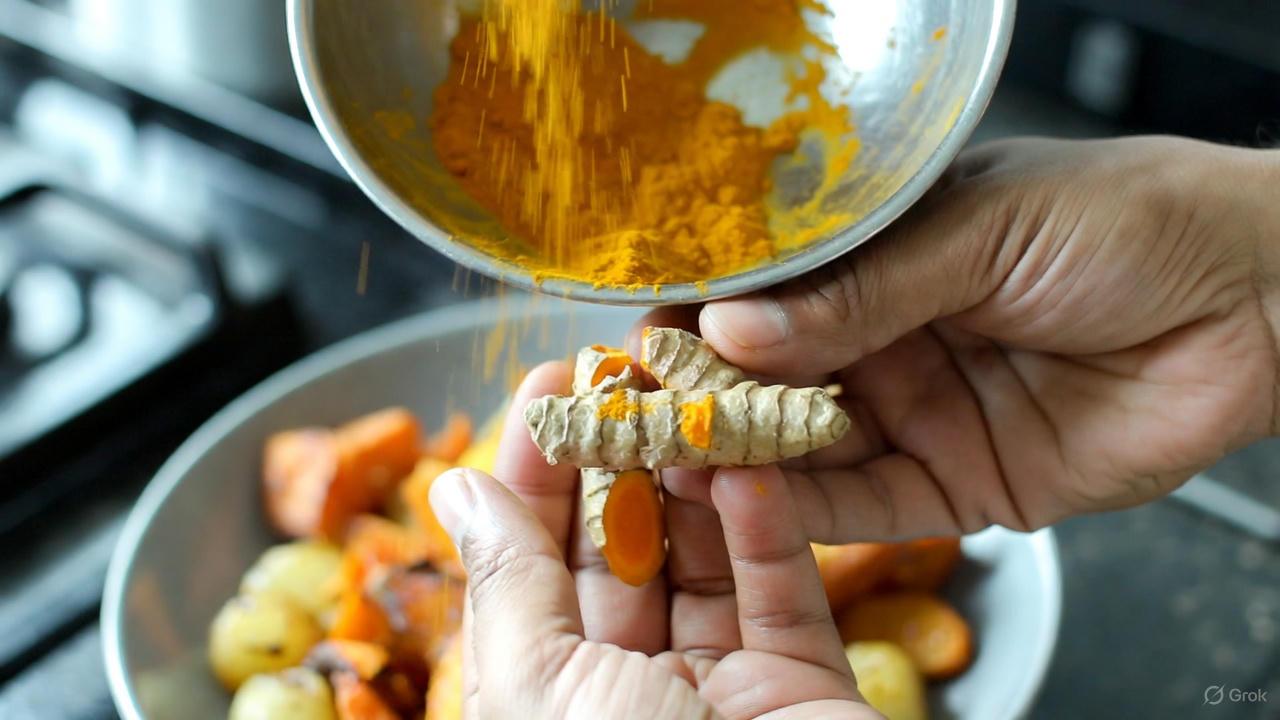
- Savory Dishes: Sprinkle turmeric generously on roasted vegetables, soups, rice, or scrambled eggs.
- Tea Option: Steep fresh turmeric slices (or ½ tsp powder) with ginger and lemon for a soothing drink.
- Supplement Route: Choose a high-quality supplement standardized to 95% curcuminoids, ideally with added black pepper extract (piperine) for better absorption.
Pro tip: Black pepper increases curcumin absorption by up to 2000%, according to a well-known 1998 study. Always include a pinch.
Quick Comparison: Fresh vs. Powder vs. Supplements
| Form | Pros | Best For | Typical Amount |
|---|---|---|---|
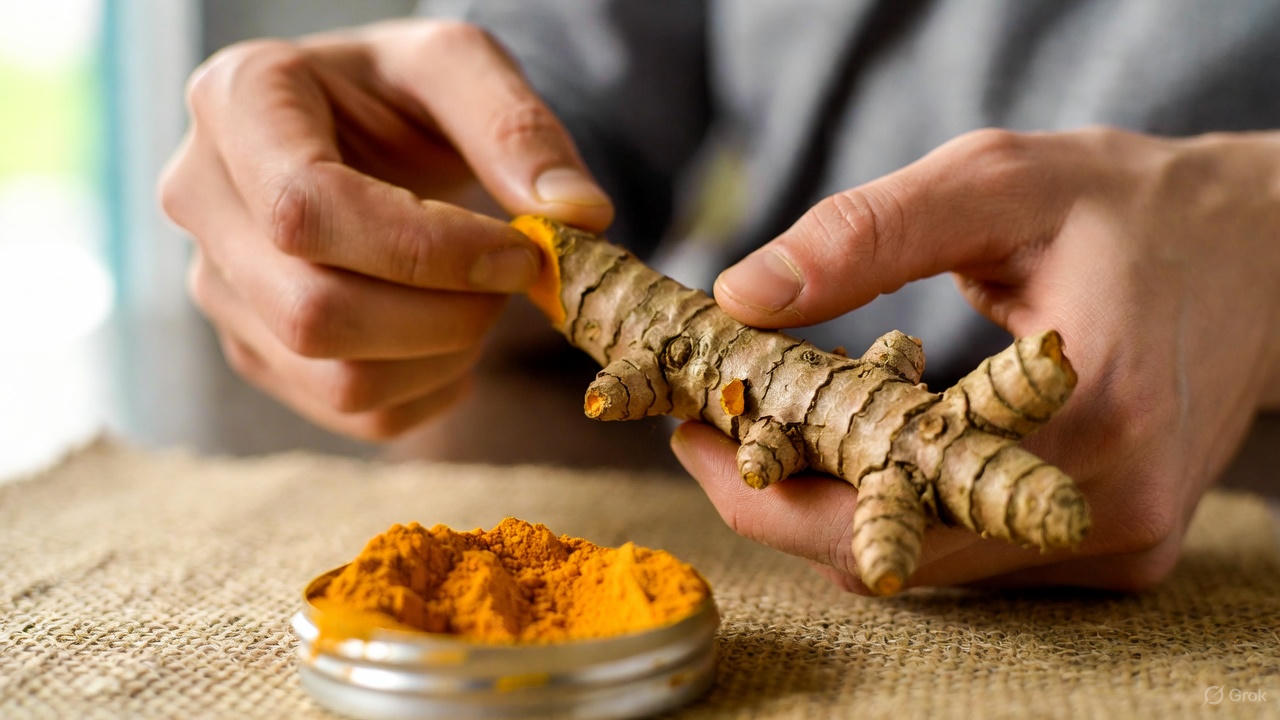
| Fresh Root | Stronger flavor, extra nutrients | Teas, grating into dishes | 1–2 inch piece |
| Ground Powder | Convenient, long shelf life | Cooking, lattes, smoothies | ½–1 teaspoon daily |
| Supplements | Precise dosing, higher curcumin | Consistent intake on busy days | 500–1000 mg with meals |
Start low and increase gradually to see what feels best for you.
Safety Tips and Things to Know
Turmeric is generally considered safe when used in food amounts. Higher supplement doses are also well-tolerated by most people.
However:
- It can interact with blood-thinning medications.
- Large amounts might cause digestive upset in sensitive individuals.
- Always check with your healthcare provider before starting supplements, especially if pregnant, nursing, or managing a health condition.
Quality matters—look for third-party tested brands to avoid contaminants.
Final Thoughts
Incorporating turmeric into your routine is a simple, affordable habit with a long history of traditional use and growing scientific interest. From supporting heart and liver wellness to helping maintain steady energy and comfortable movement, its potential benefits touch many areas of daily life.
Small consistent steps often lead to the biggest changes. Try one new turmeric habit this week and notice how you feel.
Frequently Asked Questions
How much turmeric should I use daily?
Most studies showing benefits use 500–2000 mg of curcumin daily (roughly 1–3 teaspoons of quality ground turmeric with black pepper). Start with ½ teaspoon in food and adjust based on taste and tolerance.
Does cooking destroy turmeric’s benefits?
No—heat actually helps release curcumin. Just avoid extremely high temperatures for very long periods.
Can I take turmeric if I’m on medication?
Possibly, but always consult your doctor first, especially with blood thinners, diabetes medications, or stomach acid reducers.
This article is for informational purposes only and is not intended to diagnose, treat, cure, or prevent any disease. Please consult your healthcare provider before making changes to your diet or supplement routine.