
Many people today feel overwhelmed managing everyday health concerns like fluctuating energy levels or digestive discomfort amid busy lives. The constant worry about maintaining balance can make it hard to enjoy simple routines, leaving you searching for natural ways to feel more grounded. But what if a few common leaves from your kitchen or garden could offer gentle daily support?
This traditional herbal infusion has been passed down through generations in various cultures. And here’s the interesting part: modern research is starting to explore why these leaves remain popular. Keep reading to discover an easy recipe you can try at home, plus insights that might surprise you.
Why People Turn to Medicinal Leaves in Traditional Practices
For centuries, communities worldwide have used plant leaves as part of their wellness routines. Leaves often pack the highest concentration of a plant’s beneficial compounds, including antioxidants and polyphenols that help protect the plant itself.
Traditional uses focus on supporting the body’s natural processes, such as:
- Promoting healthy digestion
- Encouraging better circulation
- Aiding relaxation and reducing everyday stress
- Supporting immune function
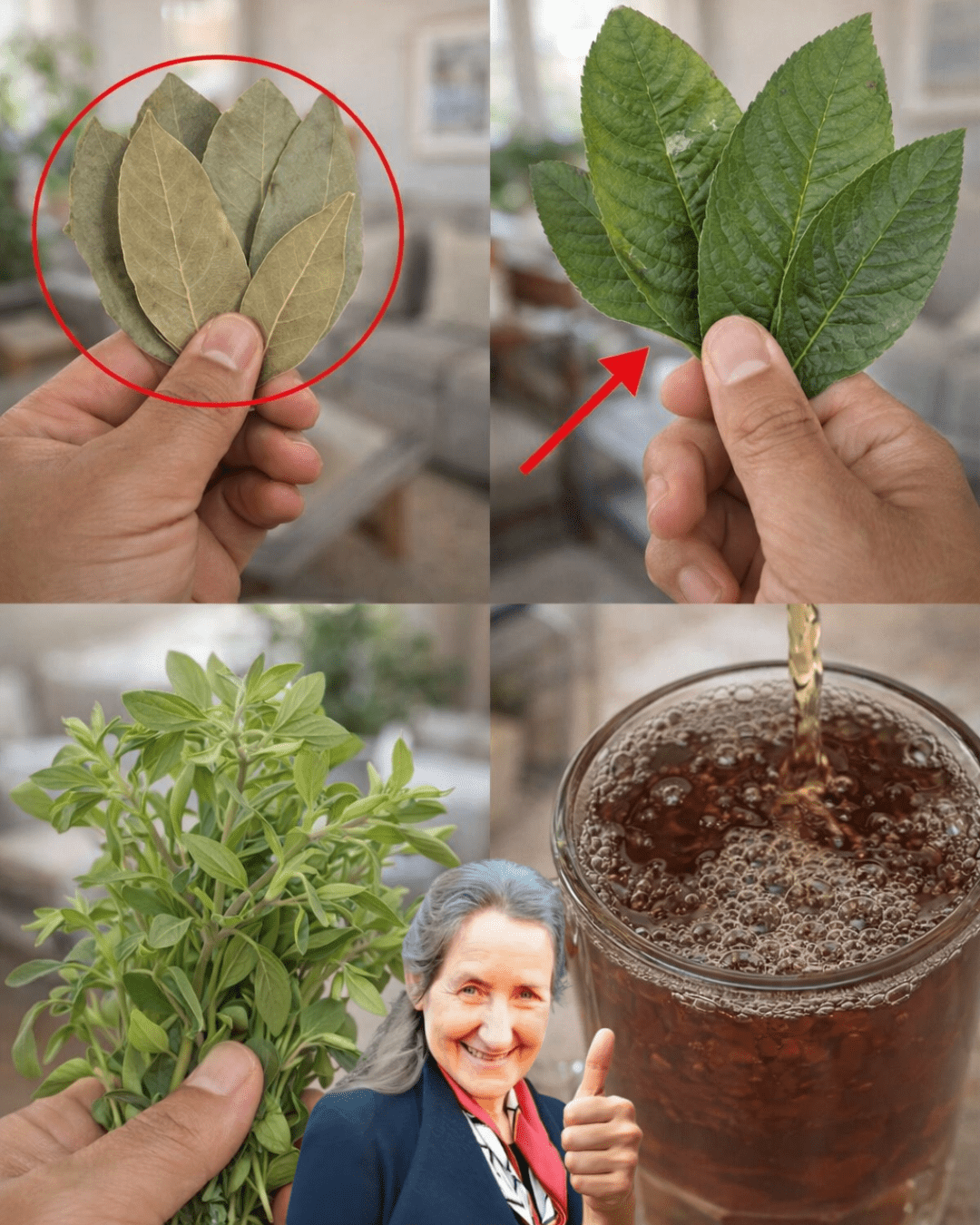
This particular blend of oregano poleo (also known as Mexican mint or Plectranthus amboinicus), bay leaves, and guava leaves draws from Latin American and Asian folk traditions. People prepare it as a simple tea to complement their daily habits.
But that’s not all—let’s look closer at each ingredient.
Exploring Oregano Poleo Leaves
Oregano poleo stands out for its strong, aromatic flavor, similar to oregano but with a minty twist. In traditional medicine, people value it for respiratory and digestive support.
Research highlights its rich essential oils, like carvacrol and thymol, known for:
- Antimicrobial properties in lab studies
- Antioxidant effects that combat oxidative stress
- Potential anti-inflammatory benefits
Studies on Plectranthus amboinicus suggest these compounds may support overall vitality when used in moderation.
The Role of Bay Leaves in Wellness Routines
Bay leaves add a subtle, earthy note to dishes and teas. Traditional remedies often include them for circulatory and joint comfort.
Key compounds in bay leaves include:
- Eugenol and other essential oils with mild vasodilating effects in animal studies
- Antioxidants that may help maintain healthy cholesterol levels
- Polyphenols linked to better glucose metabolism in preliminary research
Some small human studies on bay leaf decoctions show promising effects on blood pressure support, though more research is needed.
Here’s a quick comparison of traditional uses:
| Leaf Type | Common Traditional Support | Key Compounds |
|---|---|---|
| Oregano Poleo | Digestion, respiratory comfort | Carvacrol, thymol |
| Bay Leaves | Circulation, joint ease | Eugenol, cineole |
| Guava Leaves | Blood sugar balance, immune boost | Quercetin, flavonoids |
Why Guava Leaves Gain Attention
Guava leaves lead the trio in scientific interest. Numerous studies, including human trials, explore their potential.
Research shows guava leaf extracts may:
- Help regulate post-meal blood sugar spikes by inhibiting carbohydrate-digesting enzymes
- Improve insulin sensitivity in animal models
- Provide high levels of antioxidants that protect cells
Multiple reviews in journals like Nutrition & Metabolism note consistent findings across animal and some human studies for supporting healthy glucose levels.
This makes guava leaves a standout for those seeking natural complementary options.
Easy Step-by-Step Recipe for the Herbal Infusion
Ready to try it yourself? This simple tea takes just minutes and uses everyday ingredients.
Ingredients (for 4 cups)
- 4 fresh or dried oregano poleo leaves
- 4 bay leaves
- 6 guava leaves (fresh preferred for potency)
- 4 cups filtered water
Preparation Steps
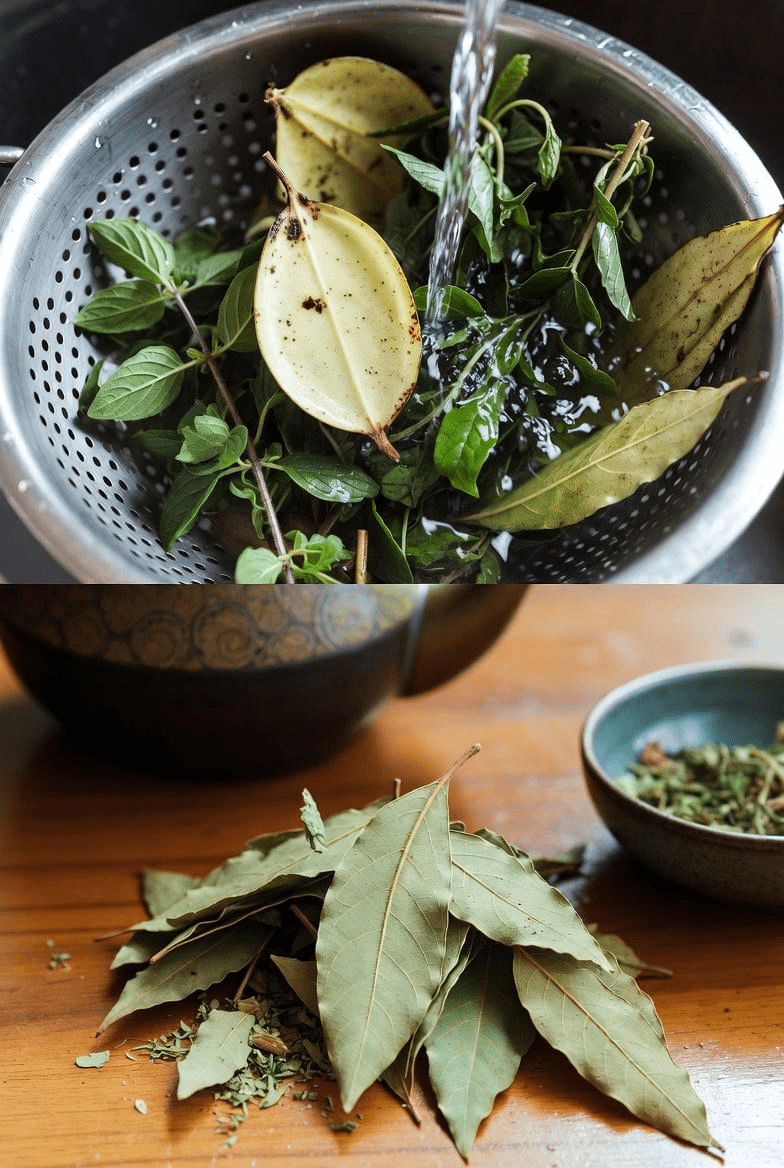
- Rinse all leaves gently under cool water to remove any dust.
- Add the leaves to a pot with the water.
- Bring to a gentle boil, then reduce heat and simmer for 15 minutes.
- Remove from heat and let steep for another 5 minutes.
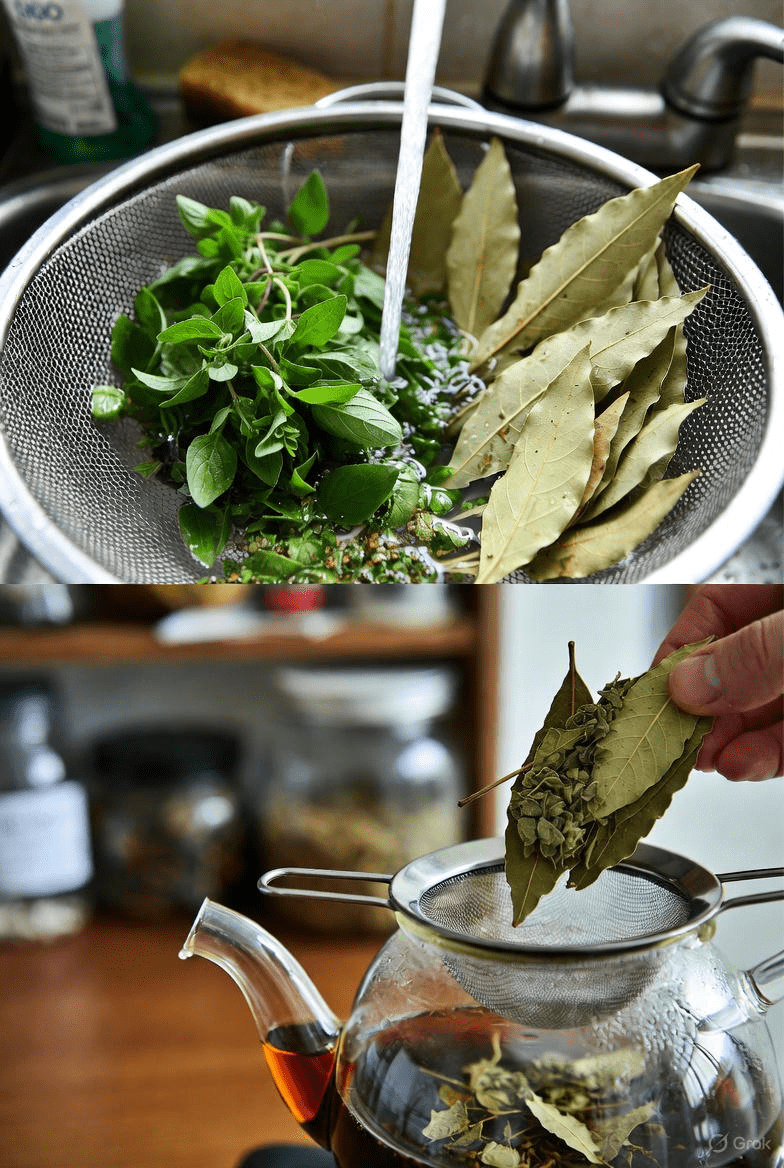
- Strain into a cup or jar.
You can drink it warm or store in the fridge for up to 3 days. Reheat gently on the stove—avoid the microwave to preserve compounds.
Suggested Consumption Tips
- Start with one cup daily, preferably in the morning.
- Try a 10-day routine, then take a break to assess how you feel.
- Add a slice of lemon for extra flavor if desired.
The tea has a mild, earthy taste with herbal notes—nothing overpowering.
Who Might Enjoy Adding This Tea to Their Routine
Many people incorporate this infusion if they’re interested in:
- Natural digestive support
- Antioxidant-rich daily habits
- Complementary ways to maintain energy balance
- Traditional remedies alongside modern wellness
It’s especially popular in cultures where these plants grow abundantly.
But remember, individual responses vary. This is about gentle support, not quick fixes.
Important Considerations for Safe Use
While these leaves are common in food and traditional teas, keep these points in mind:
- Consult your doctor first if you have ongoing health conditions or take medications—especially for blood sugar or pressure.
- Avoid during pregnancy or breastfeeding without professional guidance.
- Start slow to check for any personal sensitivities, like mild stomach upset.
- Use fresh, clean leaves from reliable sources to avoid contaminants.
Research generally finds moderate use safe, but listening to your body is key.
Final Thoughts on This Timeless Blend
Exploring simple herbal teas like this one connects us to age-old wisdom while aligning with today’s interest in natural wellness. Whether you’re drawn to the antioxidant potential, digestive comfort, or just a soothing ritual, this infusion offers an accessible way to experiment responsibly.
Paired with a balanced diet and healthy habits, it might become a small but meaningful part of your day. And who knows—you may find it brings that sense of calm you’ve been seeking.
Frequently Asked Questions
Can I drink this tea every day?
Many people enjoy it daily in moderation (1-2 cups). Cycle with breaks, like 10 days on and a few off, and monitor how you feel.
Where can I find these leaves?
Fresh guava and oregano poleo grow in tropical areas or as houseplants. Dried versions are available in Latin markets, herbal shops, or online. Bay leaves are widely found in grocery stores.
Does it taste bitter?
The blend is mildly earthy and aromatic. Guava leaves add a subtle sweetness, making it more pleasant than strong herbal teas.
Disclaimer: This information is for educational purposes only and is not intended as medical advice. Herbal teas do not diagnose, treat, cure, or prevent any disease. Always consult a qualified healthcare professional before starting any new wellness routine, especially if you have health conditions or take medications.


