
As we age, many of us notice our skin starting to look a bit duller, with uneven texture or faint dark spots from years of sun exposure. It can feel frustrating when over-the-counter products promise big changes but deliver little, or when harsh ingredients leave your skin feeling stripped and uncomfortable. The good news is that some of the gentlest ways to support smoother, more radiant skin might already be sitting in your kitchen pantry.
In this guide, we’ll explore a basic homemade mask using baking soda combined with natural moisturizers like coconut oil and honey. But here’s the intriguing part: while many people report softer, brighter-looking skin from occasional use, the key lies in understanding how to use it safely—and we’ll uncover some practical tips and science-backed insights along the way that you might not expect.
Why Consider Natural Ingredients for Skin Exfoliation?
Exfoliation is a cornerstone of many skincare routines because it helps remove buildup of dead skin cells that can make the complexion appear lackluster. Research shows that gentle exfoliation can improve skin texture and allow better absorption of moisturizers.
Baking soda has been used for decades as a mild physical exfoliant due to its fine texture. Studies and dermatologist reviews note it can help buff away surface debris, potentially leading to a smoother feel. However, its alkaline nature (pH around 9) contrasts with skin’s natural slightly acidic barrier (pH 4.5-5.5), so pairing it with soothing, hydrating ingredients is essential to minimize disruption.
That’s where coconut oil and honey come in. Coconut oil provides deep moisture and has anti-inflammatory properties supported by research, while raw honey acts as a natural humectant with antibacterial benefits. Together, they help balance the mask for a more nurturing experience.
But that’s not all—let’s dive into the details.
Understanding the Role of Each Ingredient
Here’s a quick breakdown of what studies and experts say about these common kitchen staples:
- Baking Soda: Acts as a gentle abrasive for physical exfoliation. Some evidence suggests it can refresh dull skin by removing dead cells, but dermatologists emphasize moderation to avoid pH imbalance or dryness.
- Coconut Oil: Rich in fatty acids, it supports skin hydration. Research indicates it may soothe irritation and strengthen the barrier when used topically.
- Raw Honey: Known for its moisturizing and soothing effects. Studies highlight its potential to calm skin and retain hydration.
Combining them creates a mask that focuses on gentle exfoliation while prioritizing moisture—this is the part many overlook when trying DIY recipes.
Step-by-Step Guide to Making and Using the Homemade Mask
Ready to try it? This simple recipe is easy to customize and takes just minutes to prepare.
Ingredients (for one application):
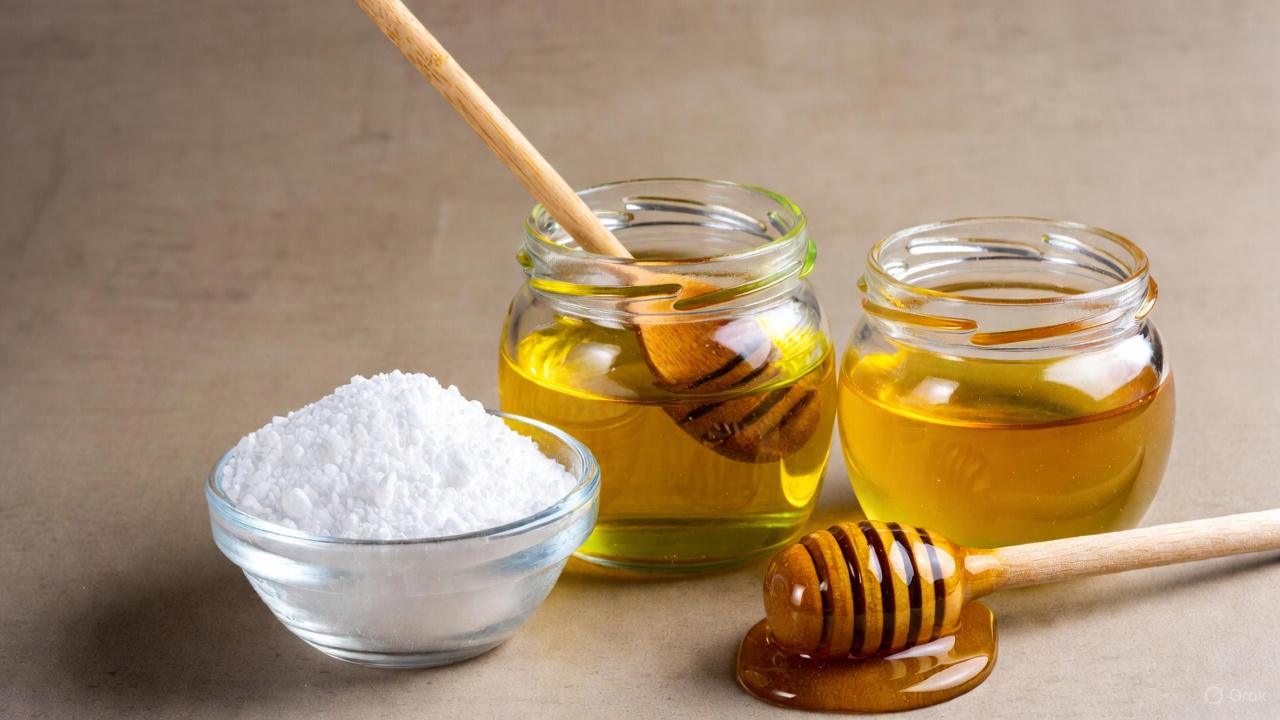
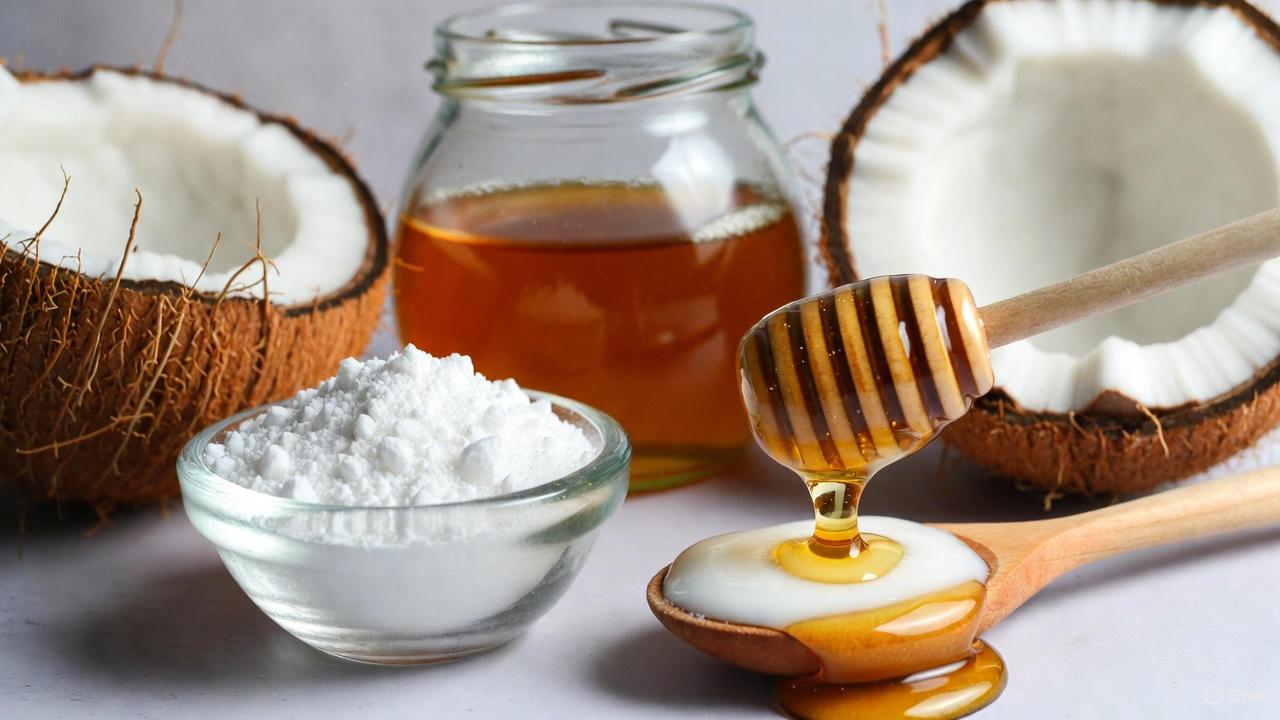
- 1-2 teaspoons baking soda
- 1 teaspoon virgin coconut oil
- 1 teaspoon raw honey
- Optional: A drop or two of lavender essential oil for a calming scent
Preparation and Application Steps:
- In a small bowl, melt the coconut oil if it’s solid (use gentle warmth, like placing the bowl in hot water).
- Stir in the honey until well combined.
- Gradually add the baking soda, mixing until you get a smooth, spreadable paste.
- Cleanse your face first with a gentle cleanser and pat dry.
- Apply the mask evenly, avoiding the eye area and any broken skin.
- Leave on for 10-15 minutes—no longer to start.
- Rinse thoroughly with lukewarm water, using gentle circular motions to enhance exfoliation.
- Follow with your usual moisturizer and sunscreen if heading outdoors.
For best results, use this mask 1-2 times per week. Consistency matters more than frequency.
Here’s the interesting twist: Many find that starting with shorter leave-on times and building up helps skin adjust, leading to noticeable softness over a few weeks.
Tips for Getting the Most Out of Natural Exfoliation
To keep your skin happy while experimenting:
- Always do a patch test on your inner arm 24 hours before facial use.
- Focus on gentle pressure—let the ingredients do the work.
- Hydrate well afterward; consider a hyaluronic acid serum for extra moisture.
- Use at night to let skin recover overnight.
Research shows that over-exfoliation can compromise the skin barrier, so listen to your skin and scale back if needed.
Common Natural Exfoliants to Compare
If baking soda feels too strong, here are gentler alternatives backed by user experiences and studies:
| Exfoliant | Key Benefit | Frequency Suggestion | Best For |
|---|---|---|---|
| Oatmeal (ground) | Soothing, mild exfoliation | 2-3 times/week | Sensitive skin |
| Sugar | Gentle physical scrub | 1-2 times/week | Dry or normal |
| Yogurt (plain) | Lactic acid for chemical exfoliation | 2 times/week | All types |
| Honey alone | Humectant with mild enzymes | Daily as mask | Hydration-focused |
This variety lets you tailor routines to your needs.
What to Expect and When to Seek Advice
With regular, careful use, many notice skin feeling smoother and looking more even-toned after a few applications. Studies on exfoliation in general support improved texture and brightness over time.
That said, results vary by individual factors like skin type and environment. This isn’t a quick fix—patience is key.
If you have sensitive skin, eczema, rosacea, or active breakouts, skip baking soda-based masks and opt for proven gentle options.
Frequently Asked Questions
1. How often can I use a baking soda mask safely?
Most experts suggest limiting to 1-2 times per week, especially for facial skin, to avoid potential dryness or irritation.
2. Can this mask help with uneven skin tone?
Gentle exfoliation may support a brighter appearance by removing dull surface cells, but consistent sun protection is crucial for lasting evenness.
3. Is this suitable for all skin types?
It may work well for normal to oily skin in moderation, but those with dry or sensitive skin might prefer milder alternatives like oatmeal or yogurt.
Final Thoughts
Exploring simple, natural ingredients like baking soda, coconut oil, and honey offers an accessible way to incorporate gentle exfoliation into your routine. When used thoughtfully, it can contribute to softer, more refreshed skin without relying solely on store-bought products.
Remember, skincare is personal—what works wonderfully for one person might need tweaking for another.
Important Disclaimer: This information is for educational purposes only and is not medical advice. Homemade remedies are not regulated like skincare products. Always perform a patch test, and consult a dermatologist or healthcare professional before trying new ingredients, especially if you have skin concerns or conditions. Discontinue use if any irritation occurs.
(Word count: approximately 1280)


