
As we get older, many of us notice our skin feeling drier and less supple than it used to be. Those fine lines around the eyes and mouth can become more visible, especially after a long day or in changing weather. It can be frustrating when your once smooth complexion starts showing signs of fatigue and dryness, making you feel self-conscious about your appearance.
The constant search for the right moisturizer often leads to trying product after product, only to deal with heavy formulas or ingredients that don’t quite deliver lasting comfort. But here’s the good news: there’s a gentle, natural approach that many people find helpful for supporting skin hydration at home.
In this guide, we’ll explore a straightforward homemade cream inspired by simple kitchen ingredients, and I’ll share why it might be worth trying—plus a surprising tip that ties everything together at the end.
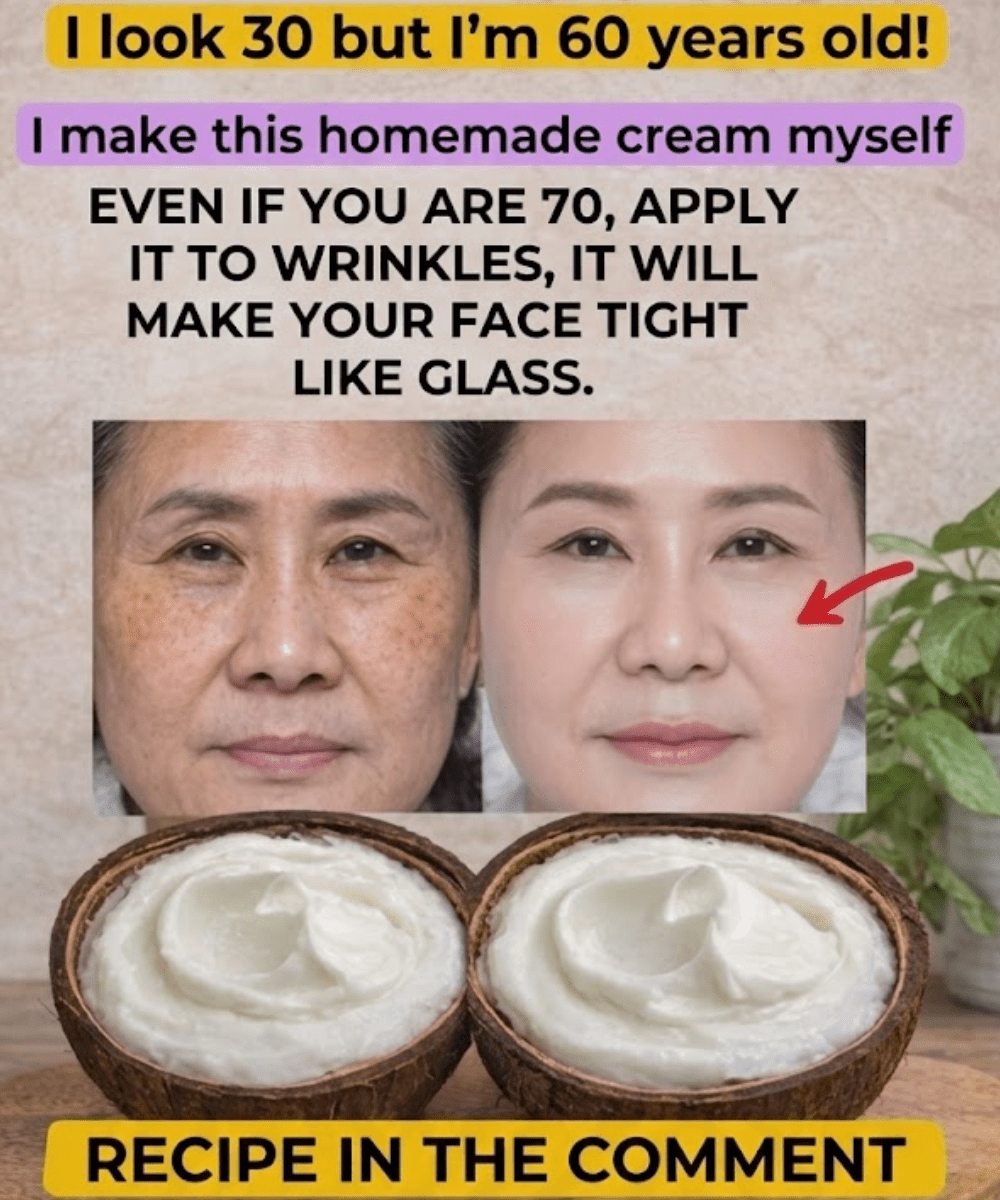
Why Natural Ingredients Can Support Skin Hydration
Our skin naturally loses moisture as we age, leading to dryness that can make fine lines more noticeable. Research shows that keeping skin well-hydrated plays a key role in maintaining its barrier function and overall comfort.
For instance, studies have found that virgin coconut oil acts as an effective moisturizer, comparable to mineral oil in improving hydration for dry skin conditions. It helps lock in moisture without harsh chemicals, making it a popular choice for daily routines.
Other natural options like aloe vera gel and honey also contribute soothing and humectant properties—meaning they draw in and retain moisture. When combined thoughtfully, these ingredients can create a nourishing blend that feels light yet supportive.
But that’s not all—let’s dive into the benefits of each one.
Key Ingredients in This Homemade Cream and Their Benefits
This simple recipe uses just a few accessible items: coconut oil as the base, fresh aloe vera gel for cooling hydration, and a touch of honey for added nourishment. Here’s why they work well together:
- Coconut Oil: Rich in fatty acids, it forms a protective layer on the skin to help prevent moisture loss. Clinical trials, including one on patients with dry skin, showed it significantly improved hydration levels after regular use.
- Aloe Vera Gel: Known for its soothing effects, aloe helps calm irritated skin and provides lightweight moisture. It’s often used in natural routines for its ability to support the skin’s natural barrier.
- Honey: A natural humectant, honey attracts moisture from the air and holds it in the skin. It also has gentle antioxidant properties that contribute to overall skin comfort.
These ingredients are gentle and have been used traditionally for skin care, with modern studies backing their moisturizing potential.
Here’s a quick comparison of how they support hydration:
| Ingredient | Main Benefit | How It Helps Skin | Backed By Research? |
|---|---|---|---|
| Coconut Oil | Locks in moisture | Forms a barrier to reduce water loss | Yes, effective as mineral oil |
| Aloe Vera Gel | Soothes and hydrates lightly | Calms dryness and adds water | Yes, supports barrier function |
| Honey | Draws in moisture | Humectant with soothing effects | Yes, antioxidants noted |
The beauty of this combo? It’s customizable and free from synthetic additives.
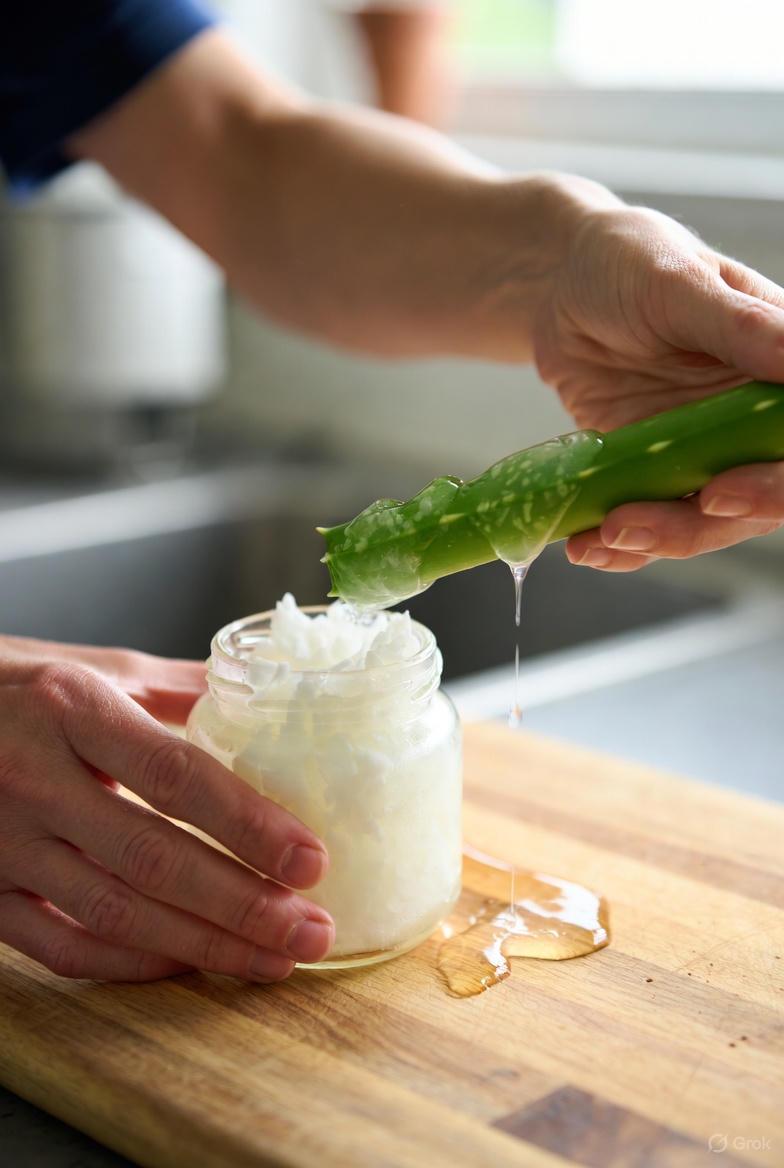
Step-by-Step Guide: How to Prepare This Nourishing Homemade Cream
Making your own cream is easier than you might think. This recipe yields about 1/2 cup, enough for several weeks if stored properly.
Ingredients You’ll Need:
- 1/2 cup virgin coconut oil (solid at room temperature)
- 1/4 cup fresh aloe vera gel (from a leaf or pure store-bought)
- 1 tablespoon raw honey
- Optional: A few drops of vitamin E oil for extra nourishment
Instructions:
- If your coconut oil is solid, gently melt it in a double boiler or microwave on low heat until liquid. Avoid overheating to preserve its properties.
- Let the melted coconut oil cool slightly, then add the aloe vera gel and honey.
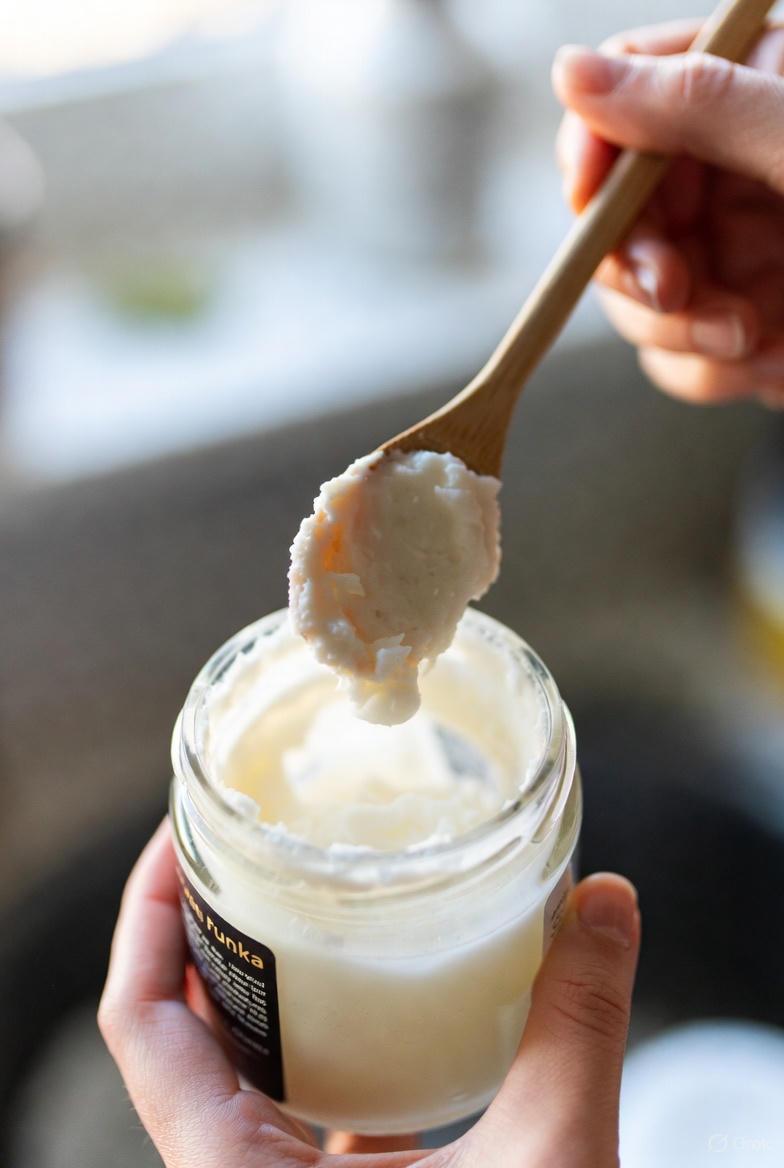
- Use a hand mixer or whisk to blend everything until it becomes fluffy and creamy—like a light whipped texture. This incorporates air for better absorption.
- Transfer to a clean glass jar and store in a cool place or the fridge for longer shelf life (up to 2-4 weeks).
But here’s the interesting part: many people notice the best results when applying it as a night cream.
How to Incorporate This Cream Into Your Evening Routine
For optimal hydration, use this cream before bed when your skin repairs itself overnight.
- Cleanse your face gently with warm water or a mild cleanser.
- Pat dry, then apply a pea-sized amount of the cream to your face and neck.
- Massage in upward circular motions, focusing on dry areas or fine lines.
- Let it absorb fully—coconut oil melts on contact, leaving a soft feel without greasiness for most skin types.
Consistency is key. Try it nightly for a few weeks to see how your skin responds.
Pro tip: Always patch test on your inner arm first to ensure no sensitivity.
Additional Tips to Enhance Your Skin’s Natural Hydration
While this cream can be a great addition, pairing it with healthy habits amplifies benefits:
- Drink plenty of water daily to hydrate from within.
- Protect your skin with sunscreen during the day.
- Eat foods rich in healthy fats, like avocados and nuts.
- Get enough sleep—it’s when skin recovery peaks.
And remember, gentle exfoliation once a week (with a soft cloth) can help the cream absorb better.
Here are some easy ways to boost results:
- Add a drop of lavender essential oil for a calming scent.
- Use it as a hand cream for extra dry spots.
- Combine with a humidifier in dry climates.
These small steps can make a noticeable difference over time.
Common Questions About Homemade Skin Creams
How long does this homemade cream last?
Stored in the fridge, it can last 2-4 weeks. Watch for any changes in smell or texture and discard if needed.
Is this suitable for all skin types?
It’s best for dry or normal skin due to coconut oil’s richness. If you have oily or acne-prone skin, test a small amount first, as it may feel too heavy.
Can I customize the recipe?
Yes! For extra soothing, add more aloe. Or include a teaspoon of vitamin E for antioxidant support.
Final Thoughts
Supporting your skin’s hydration with natural, simple ingredients like this homemade cream can be a rewarding part of your routine. Many find it leaves skin feeling softer and more comfortable, especially overnight.
The real surprise? Sticking with gentle, consistent care often brings the most satisfying changes—no fancy products required.
Give it a try and see what works for you. Your skin deserves that kind of thoughtful attention.
Disclaimer: This information is for educational purposes only and not intended to diagnose, treat, or cure any condition. Results vary by individual. Consult a healthcare professional before trying new skincare routines, especially if you have sensitive skin or underlying concerns. Patch test new ingredients to avoid irritation.


