Many people deal with occasional digestive discomfort after meals, like bloating or gas that lingers uncomfortably. This can make everyday activities feel heavier, especially when combined with seasonal sniffles or low energy from poor sleep. A warm, aromatic cup of homemade clove tea offers a gentle way to support your body’s natural comfort and warmth from within. And here’s the best part—you’ll discover a surprising variation toward the end that ties everything together effortlessly.
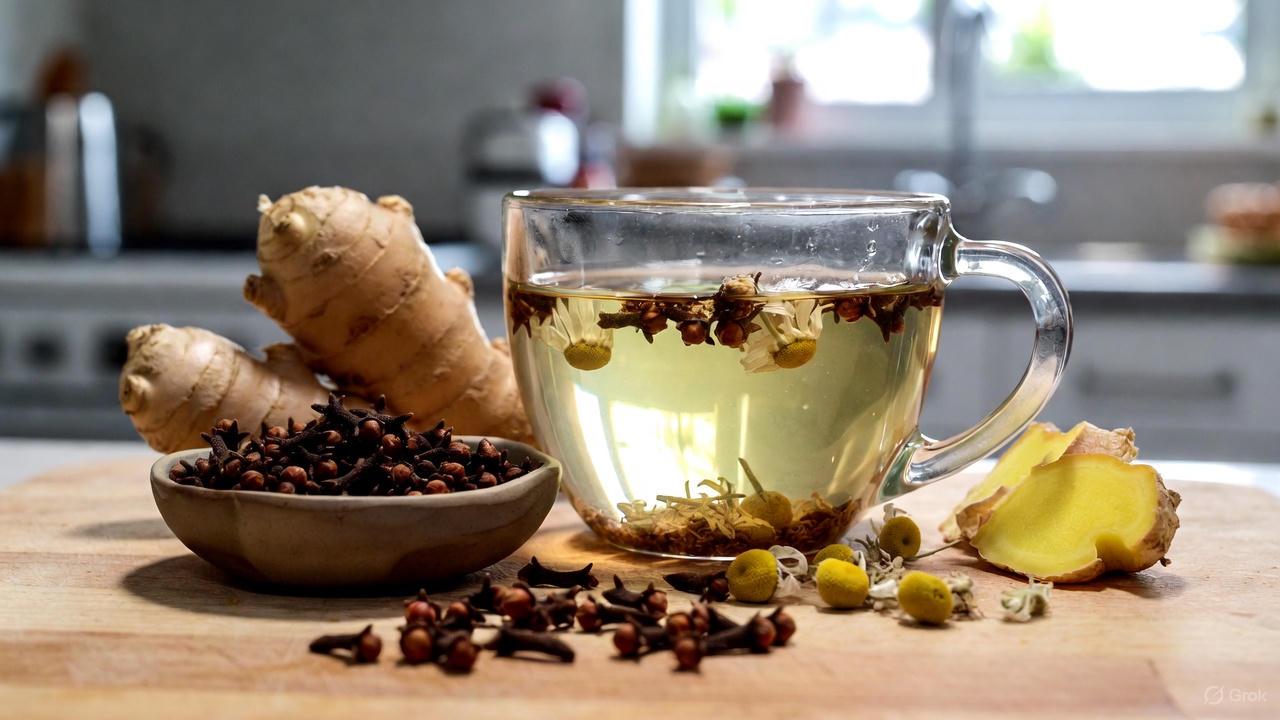
Cloves have been used for centuries in kitchens around the world. These small, dried flower buds pack a bold flavor and contain compounds like eugenol, which research suggests may contribute to antioxidant and anti-inflammatory effects.
But that’s not all…
Let’s explore how incorporating clove tea into your routine might make a difference.

What Makes Cloves Special for Tea?
Cloves come from an evergreen tree native to Indonesia, now grown in many tropical areas. The key compound, eugenol, is responsible for much of their aroma and potential benefits.
Studies, including reviews published on PubMed, indicate that eugenol shows antioxidant properties, helping protect cells from oxidative stress. Other research points to possible antimicrobial effects, which is why cloves have long been valued in traditional wellness practices.
Here’s the interesting part: when you steep whole cloves in hot water, these compounds gently infuse into the liquid, creating a soothing drink that’s easy to prepare at home.
Potential Ways Clove Tea May Support Daily Wellness
People often turn to clove tea for its warming qualities. Here’s what some evidence and traditional use suggest:
- Digestive comfort: Cloves may help stimulate digestive enzymes, potentially easing occasional bloating or indigestion after meals.
- Immune support: Rich in antioxidants, cloves could contribute to your body’s natural defenses, especially during colder months.
- Respiratory ease: The steam and compounds in clove tea might help soothe occasional congestion or sore throats.
- Relaxation aid: A warm cup in the evening may promote a sense of calm, supporting better rest.
- Oral freshness: Traditionally used for mouth health due to possible antibacterial properties.
Research from sources like Healthline and WebMD notes these potential supports, though more human studies are needed. For instance, a review in PMC highlighted cloves’ high antioxidant activity compared to many fruits and spices.
But remember, individual experiences vary.
How to Choose and Store Cloves for the Best Tea
Quality matters for flavor and potency.
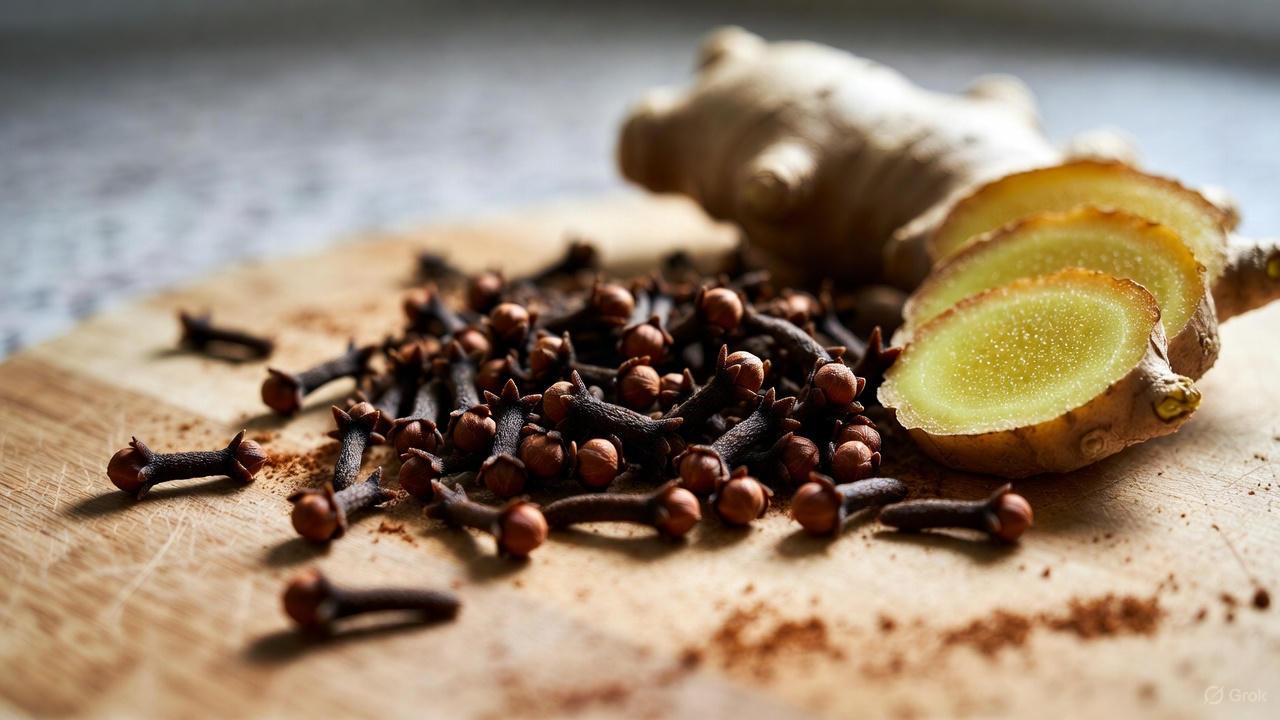
- Opt for whole cloves over ground for fresher taste—they retain essential oils longer.
- Look for plump, reddish-brown buds with a strong aroma.
- Store in an airtight container in a cool, dark place to preserve freshness for up to a year.
Pro tip: Lightly crush whole cloves just before brewing to release more flavor without overpowering the tea.
Simple Step-by-Step Guide to Basic Clove Tea
Ready to try it? This classic version is straightforward and takes just minutes.
Ingredients (for 1 cup):
- 1 cup water
- 4-6 whole cloves (or ½ teaspoon ground cloves)
- Optional: Honey or lemon for taste
Steps:
- Bring water to a boil in a small pot or kettle.
- Add the cloves and reduce heat to low.
- Simmer for 5-10 minutes to infuse.
- Remove from heat, cover, and let steep another 5 minutes.
- Strain into a cup.
- Add honey or lemon if desired, and enjoy warm.
Drink 1 cup daily, preferably after a meal.
This method extracts the compounds gently, creating a balanced flavor.
5 Easy Clove Tea Variations to Try at Home
Mix things up with these beginner-friendly recipes. Each uses simple ingredients you might already have.
1. Ginger-Clove Tea for Warming Comfort
Great for chilly days.
- 1 cup water
- 4 cloves
- 1-inch fresh ginger slice
- Optional: Honey
Simmer all ingredients for 10 minutes. Strain and sip.
2. Cinnamon-Clove Blend for Cozy Evenings
Adds a sweet-spicy note.
- 1 cup water
- 4 cloves
- 1 cinnamon stick
- Optional: A pinch of black tea leaves
Boil, simmer 8 minutes, steep, strain.
3. Lemon-Clove Refresher for Morning Start
Bright and invigorating.
- 1 cup water
- 5 cloves
- Juice of half a lemon
Steep cloves 10 minutes, add lemon.
4. Turmeric-Clove Tea for Golden Warmth
Popular in wellness routines.
- 1 cup water
- 4 cloves
- ½ teaspoon turmeric powder
- Pinch of black pepper (helps absorption)
Simmer 5-7 minutes, strain.
5. Chamomile-Clove Relaxation Tea
Perfect before bed.
- 1 cup water
- 4 cloves
- 1 chamomile tea bag
Steep together for 10 minutes.
Here’s a quick comparison table for these variations:
| Variation | Key Add-In | Best For | Prep Time |
|---|---|---|---|
| Ginger-Clove | Fresh ginger | Warming comfort | 10 min |
| Cinnamon-Clove | Cinnamon stick | Cozy flavor | 8 min |
| Lemon-Clove | Lemon juice | Fresh start | 10 min |
| Turmeric-Clove | Turmeric + pepper | Daily routine | 7 min |
| Chamomile-Clove | Chamomile | Evening relaxation | 10 min |
Experiment to find your favorite!
Tips to Get the Most from Your Clove Tea Routine
- Start with 1 cup per day to see how your body responds.
- Use filtered water for cleaner taste.
- Avoid boiling too long—over 15 minutes can make it bitter.
- Combine with a balanced diet for better overall support.
The truth is, consistency matters more than perfection.
Important Precautions When Enjoying Clove Tea
Cloves are generally safe in food amounts, but moderation is key.
- Limit to 1-2 cups daily; excess may cause stomach upset.
- Avoid high amounts if pregnant or breastfeeding—consult a professional.
- If taking blood-thinning medications, check with your doctor, as eugenol may interact.
- Not recommended for children in large quantities.
Sources like WebMD note that while cloves are GRAS (Generally Recognized as Safe) in normal use, individual sensitivities vary.
Final Thoughts
Incorporating homemade clove tea into your daily habits offers a simple, flavorful way to enjoy this timeless spice. From basic brews to creative variations, it’s an accessible addition that many find comforting and supportive.
Start small, listen to your body, and enjoy the warmth—one sip at a time.
Frequently Asked Questions
Can I drink clove tea every day?
Yes, 1 cup daily is fine for most adults in moderation, but vary your routine and monitor how you feel.
Is clove tea safe during pregnancy?
It’s best to limit or avoid without guidance from a healthcare provider due to potential effects.
How many cloves should I use per cup?
4-6 whole cloves is a good starting point for balanced flavor without overpowering.
Disclaimer: This article is for informational purposes only and not intended as medical advice. Clove tea may support wellness but is not a substitute for professional care. Consult a healthcare provider before adding new routines, especially if you have health conditions or take medications.