Tooth decay can cause real discomfort, from that nagging sensitivity to sharp pain when you eat or drink something cold. It’s stressful knowing there might be a problem building in your mouth, especially when dental visits feel expensive or hard to schedule. Many people search for ways to handle it themselves, hoping for quick relief without a trip to the dentist.
The good news? While some things are out of reach at home, there are proven steps you can take right away to support your oral health. And by the end of this article, you’ll discover exactly where home care ends and professional help begins—so you can make informed choices.
Understanding Tooth Decay: The Basics Everyone Should Know
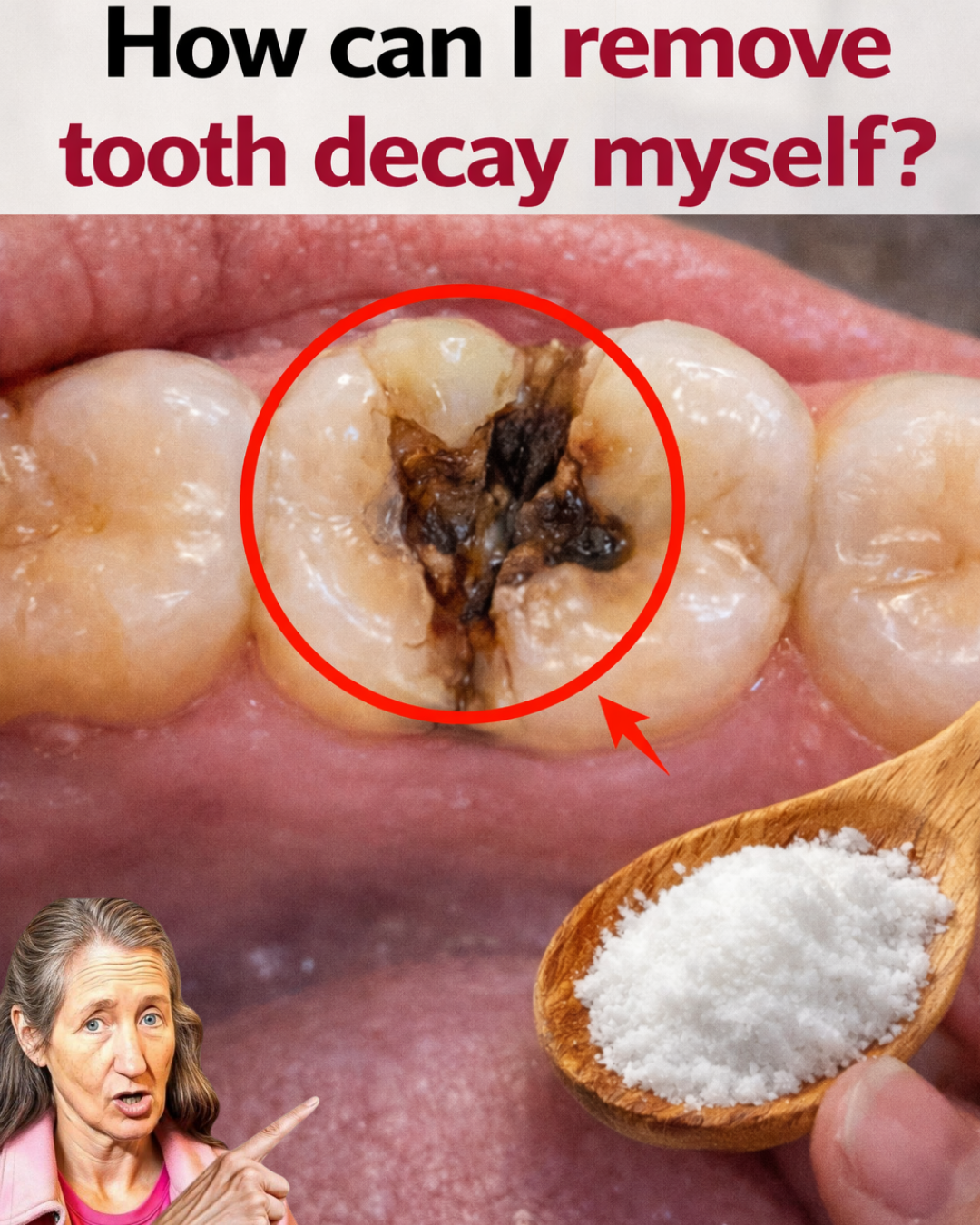
Tooth decay starts when bacteria in your mouth feed on sugars and produce acids. These acids slowly soften the hard outer layer of your teeth, called enamel.
At first, you might notice white spots or slight sensitivity. This early stage is called demineralization. Research from dental health organizations shows that catching it here gives the best chance for improvement through daily habits.
But once a hole (called a cavity) forms, the damage is physical. The weakened tooth structure can’t grow back on its own. That’s why professional care becomes important at that point.
Here’s the key takeaway: Home efforts work best for prevention and early support—not for fixing advanced damage.
Can You Stop Early Tooth Changes at Home?
Yes, in the very early stages, consistent habits can help strengthen enamel and reduce further softening.
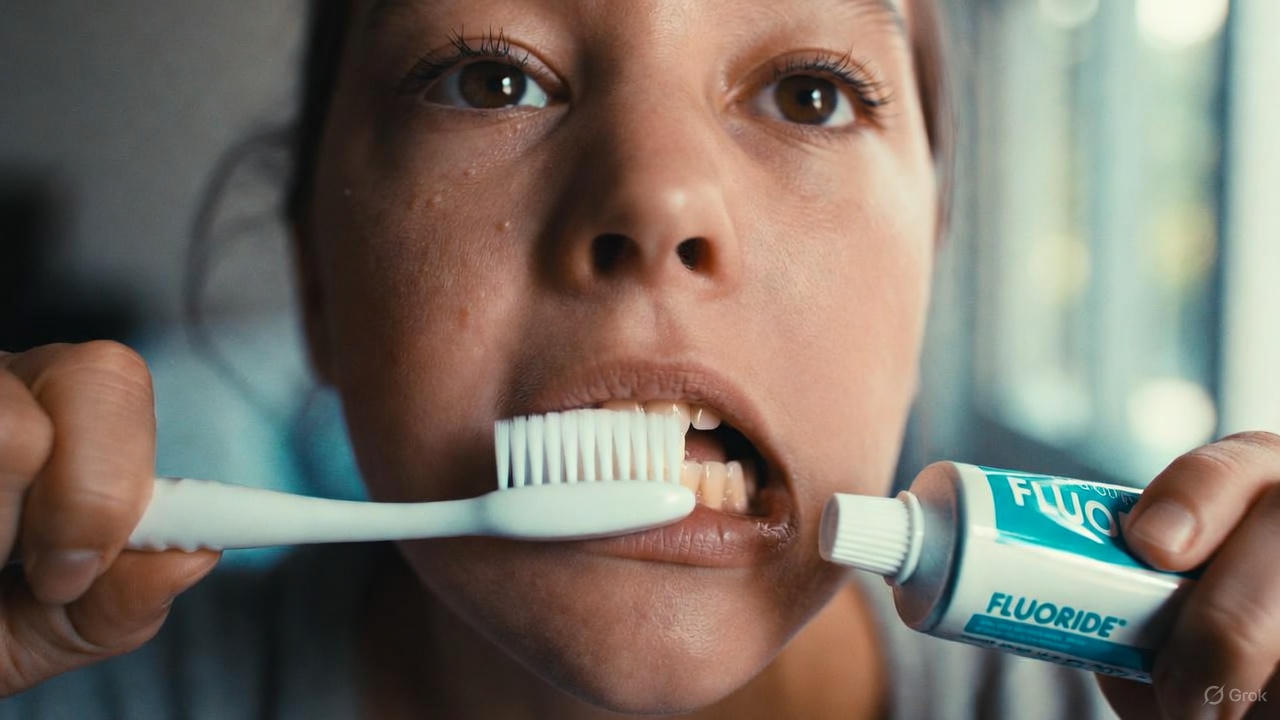
Studies, including those reviewed by the American Dental Association, show that fluoride plays a major role in supporting enamel health when used regularly.
Here are practical daily steps that research supports:
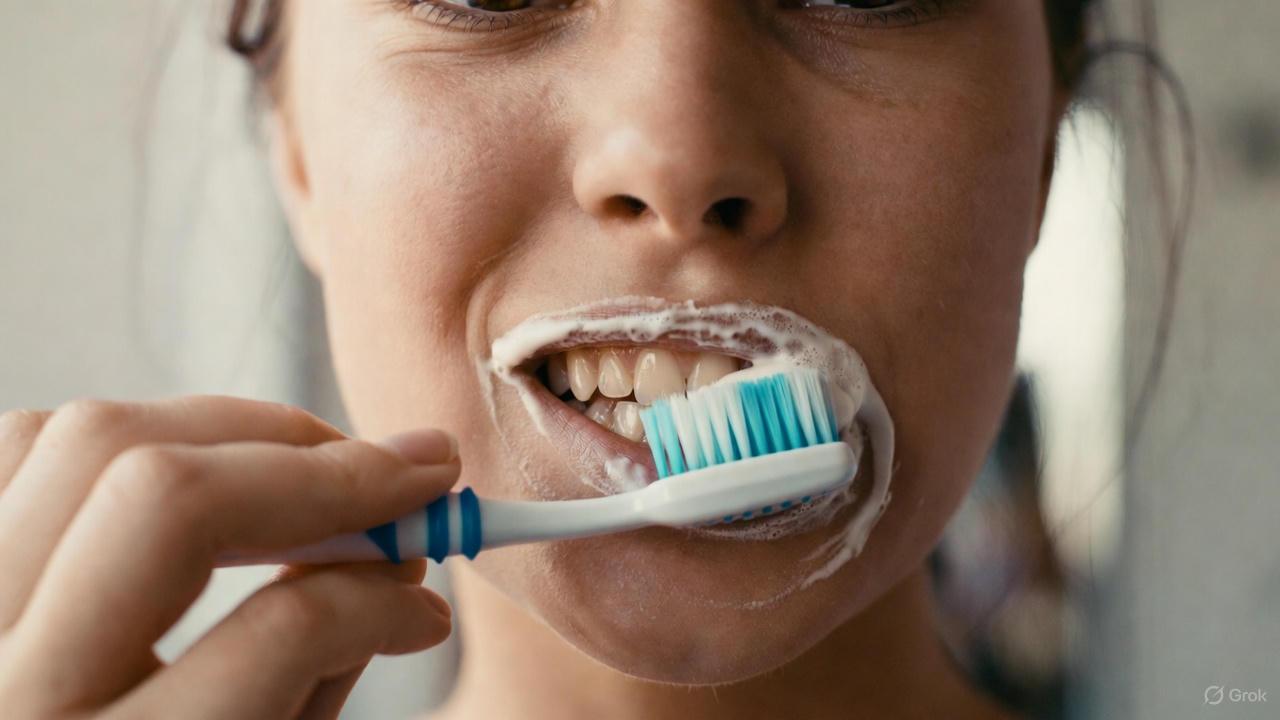
- Brush twice a day with a fluoride toothpaste (use a soft brush and gentle circular motions)
- Floss once daily to remove food particles between teeth
- Limit frequent snacking on sugary or acidic foods and drinks
- Drink water throughout the day to help rinse away debris
- Consider chewing sugar-free gum with xylitol after meals—it may help reduce harmful bacteria
These habits aren’t complicated, but consistency makes the difference. Many people notice less sensitivity within a few weeks when they stick to them.
But that’s not all…
Simple Ways to Ease Temporary Discomfort at Home
If you’re already feeling sensitivity or mild pain, a few gentle techniques can offer short-term comfort while you arrange professional care.
Warm salt water rinses are a classic option. Mix half a teaspoon of salt in a glass of warm water, swish gently for 30 seconds, then spit. This can help keep the area clean.
Other helpful tips:
- Avoid very hot, cold, or sweet foods that trigger pain
- Use a toothpaste made for sensitive teeth
- Keep the area as clean as possible after eating
- Over-the-counter pain relief (follow package directions) can help on tough days
Remember, these steps provide comfort—they don’t address the underlying issue.
Popular Home Remedies: What Science Says
You’ve probably seen suggestions online like oil pulling, charcoal pastes, or clove oil. Let’s look at the evidence calmly.
Oil pulling involves swishing oil in your mouth. Some small studies suggest it may reduce bacteria, but there’s no strong evidence it affects existing cavities.
Activated charcoal is trendy, but dental experts warn it can be abrasive and wear down enamel over time.
Clove oil has natural numbing properties and can offer temporary soothing when applied carefully with a cotton swab.
Salt or baking soda rinses may help freshen the mouth, but they don’t remove damaged tooth material.
The reality is simple: No home ingredient can safely replace the precision of professional tools.
Daily Habits That Support Long-Term Oral Health
Prevention is always easier than dealing with problems later. Here are proven habits backed by years of dental research:
| Habit | How Often | Why It Helps |
|---|---|---|
| Brushing with fluoride toothpaste | Twice daily | Strengthens enamel surface |
| Flossing | Once daily | Removes plaque from between teeth |
| Drinking fluoridated water | Throughout the day | Provides ongoing mineral support |
| Eating crunchy fruits/veggies | As snacks | Naturally cleans teeth while chewing |
| Regular dental check-ups | Every 6 months (or as advised) | Catches issues early |
Small changes add up. For example, swapping soda for water can make a noticeable difference over months.
This is the part most people overlook…
When to Seek Professional Dental Care
Some signs mean it’s time to schedule an appointment sooner rather than later:
- Persistent pain that lasts more than a couple of days
- Visible dark spots or holes in teeth
- Increased sensitivity that doesn’t improve
- Swelling in gums or face
- Bad taste or odor that won’t go away
Early professional care is usually simpler and less costly. Waiting can allow issues to grow.
Dentists have tools to clean thoroughly, apply protective sealants, or place fillings when needed. These steps help preserve the natural tooth whenever possible.
Putting It All Together: Your Next Steps
Start today with better brushing, flossing, and smarter food choices. These habits support your teeth every single day.
Track how your mouth feels over the next couple of weeks. If sensitivity decreases, great—you’re on the right track.
If discomfort continues or worsens, make that dental appointment. It’s the most reliable way to protect your smile long-term.
You’ve got this. Small, consistent actions now can save a lot of trouble later.
Frequently Asked Questions
Can early tooth decay improve with better habits?
Yes, in the earliest stages (white spots or mild sensitivity), improved oral care and fluoride use can often help strengthen enamel, according to dental health guidelines.
Is it safe to try removing decay myself?
No. Attempting to scrape or pick at teeth can cause injury or infection. Only trained professionals should handle cavity removal.
How long can I wait before seeing a dentist for pain?
Don’t wait if pain lasts more than a few days or worsens. Early visits usually mean simpler care.
Disclaimer: This article is for informational purposes only and is not a substitute for professional dental advice, diagnosis, or treatment. Always consult a qualified dentist or healthcare provider for personal concerns about your oral health.