Many adults over 50 experience occasional tiredness, restless nights, or muscle tightness that can make daily life feel a bit heavier. These subtle changes often build gradually, leaving you wondering if it’s just part of getting older. The good news is that focusing on nutrient-rich foods might offer gentle support for your overall well-being—and there’s one mineral that plays a key role in this.
Research shows that a significant portion of adults don’t get enough magnesium from their diets, and this becomes more common with age due to changes in absorption and dietary habits. But here’s the encouraging part: simple additions from whole foods can make a meaningful difference. Keep reading to discover practical ways to incorporate more magnesium naturally—and why it might be worth trying.
Why Magnesium Matters More as We Age
Magnesium is involved in over 300 processes in the body, including supporting muscle and nerve function, energy production, and bone health. As we get older, several factors can make it harder to maintain optimal levels.
Studies indicate that magnesium absorption from the gut decreases with age, and urinary loss can increase. Certain medications common in older adults, like diuretics or proton pump inhibitors, may also affect magnesium balance. Additionally, dietary surveys show that many adults over 50 have lower intakes compared to younger people.
The National Institutes of Health notes that older adults are at higher risk of low magnesium status. While severe deficiency is uncommon in healthy individuals, suboptimal intake over time might contribute to everyday discomforts like fatigue or poor sleep quality.
But that’s not all—magnesium from food comes packaged with other beneficial nutrients, making it a smart choice for daily support.
7 Everyday Foods Rich in Magnesium to Add to Your Diet
Incorporating magnesium-rich foods doesn’t have to be complicated. Here are seven accessible options, along with approximate magnesium content based on data from the USDA and NIH:
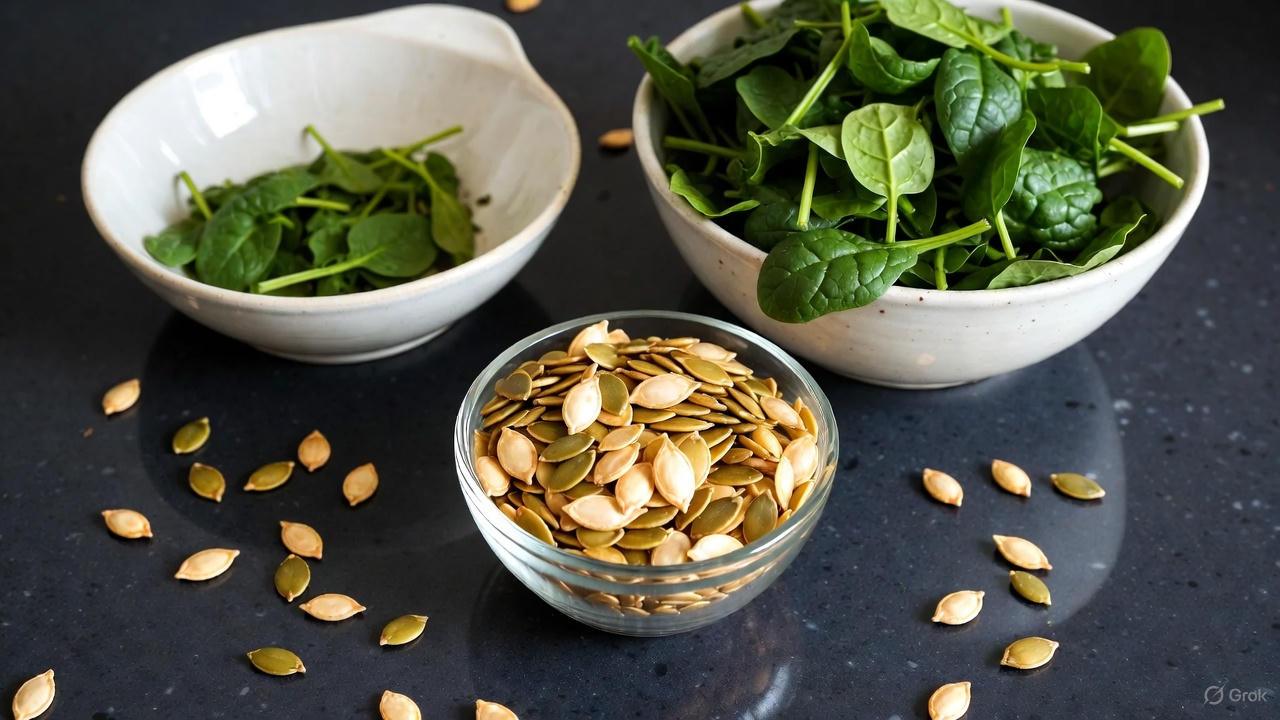
- Pumpkin Seeds: About 150 mg per 1-ounce serving (roughly ¼ cup). A handful makes an easy snack.
- Spinach (cooked): Around 157 mg per cup. Simple to add to meals.
- Black Beans (cooked): Approximately 120 mg per cup. Versatile in soups or salads.
- Almonds: About 80 mg per 1-ounce serving (20–25 almonds). Great for on-the-go.
- Dark Chocolate (70–85% cocoa): Roughly 64 mg per 1-ounce square. A mindful treat.
- Avocado: Around 58 mg per medium fruit. Perfect for spreading or slicing.
- Banana: About 32–37 mg per large one, plus other nutrients like potassium.
These foods not only provide magnesium but also fiber, healthy fats, and antioxidants that work together for better overall nutrition.
Here’s a quick comparison table for easy reference:
| Food | Serving Size | Approximate Magnesium (mg) | Easy Ways to Enjoy |
|---|---|---|---|
| Pumpkin Seeds | 1 oz (¼ cup) | 150 | Snack or salad topping |
| Cooked Spinach | 1 cup | 157 | Sautéed side dish |
| Cooked Black Beans | 1 cup | 120 | In bowls or soups |
| Almonds | 1 oz (20–25) | 80 | Handful as snack |
| Dark Chocolate | 1 oz | 64 | Small square after meals |
| Avocado | 1 medium | 58 | On toast or in salads |
| Banana | 1 large | 37 | With breakfast or alone |
The recommended daily intake for adults over 50 is 320 mg for women and 420 mg for men, according to the NIH. Combining a few of these foods throughout the day can help you get closer to that goal.
Food Sources vs. Supplements: What Does the Research Say?
Many people wonder if supplements are necessary. While supplements can be useful in certain cases, food sources often have advantages.
Studies, including one published in the Journal of Clinical Investigation, have shown that magnesium from foods like nuts can be well-absorbed, sometimes comparably to certain supplement forms. Food provides co-nutrients that may enhance utilization, and it’s generally gentler on the stomach.
Supplements vary in absorption—forms like magnesium citrate or glycinate tend to be better absorbed than oxide. However, high doses from supplements can sometimes cause digestive discomfort, whereas food rarely does.
Experts from Harvard Health emphasize that meeting needs through diet is ideal when possible, as foods offer a broader range of benefits.
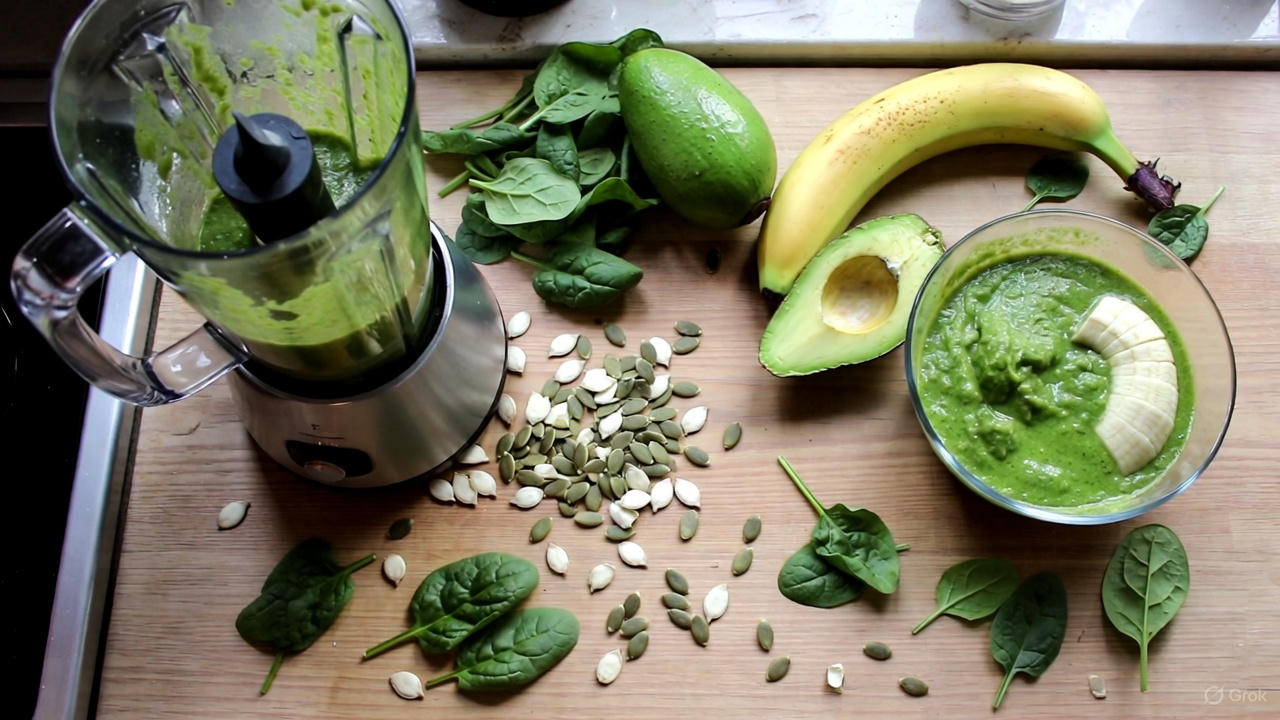
A Simple Magnesium-Boosting Green Smoothie Recipe
One easy way to combine several high-magnesium foods is with a quick smoothie. Try this relaxing version, popular for its simplicity:
Ingredients (serves 1):
- 1 handful fresh spinach
- ½ medium avocado
- 1 banana
- 1 tablespoon pumpkin seeds
- 1 cup water or unsweetened almond milk
- Optional: A dash of cinnamon for flavor
Blend until smooth. Enjoy in the evening for a nutrient-packed wind-down.
Many find this a convenient way to add multiple servings at once.
Practical Tips to Increase Your Magnesium Intake Starting Today
Ready to make small changes? Here’s a straightforward 3-step plan:
- Choose 2–3 foods from the list: Add an extra serving to meals you already enjoy, like almonds as a snack or spinach in your dinner.
- Incorporate variety daily: Aim for a mix—perhaps oats or banana at breakfast, beans at lunch, and dark chocolate as a treat.
- Keep it sustainable: Start with what’s already in your kitchen. Track how you feel over a couple of weeks.
Research suggests that consistent dietary improvements can support better energy and relaxation over time.
This approach is flexible and focuses on enjoyment rather than strict rules.
Conclusion: Small Food Changes for Everyday Support
Boosting magnesium through whole foods is a gentle, evidence-based way to support your body as you age. From seeds and greens to nuts and fruit, these everyday options can fit seamlessly into your routine.
Many adults notice subtle improvements in energy and comfort with consistent intake. Pair this with a balanced diet, staying active, and good sleep habits for the best results.
Which food will you try first—pumpkin seeds for snacking or the green smoothie? Share in the comments!
Frequently Asked Questions
1. How much magnesium do adults over 50 need daily?
The NIH recommends 320 mg for women and 420 mg for men over 51. Individual needs vary, so focus on a varied diet.
2. Can I get enough magnesium from food alone?
Yes, for many people. Combining several rich sources throughout the day often meets recommendations without supplements.
3. Are there signs I might need more magnesium?
Common indicators include occasional fatigue, muscle tightness, or restless sleep. However, these can have many causes—consult a healthcare provider for personalized advice.
This article is for informational purposes only and is not intended as medical advice. Always speak with your doctor before making significant dietary changes, especially if you have health conditions or take medications.
(Word count: approximately 1350)