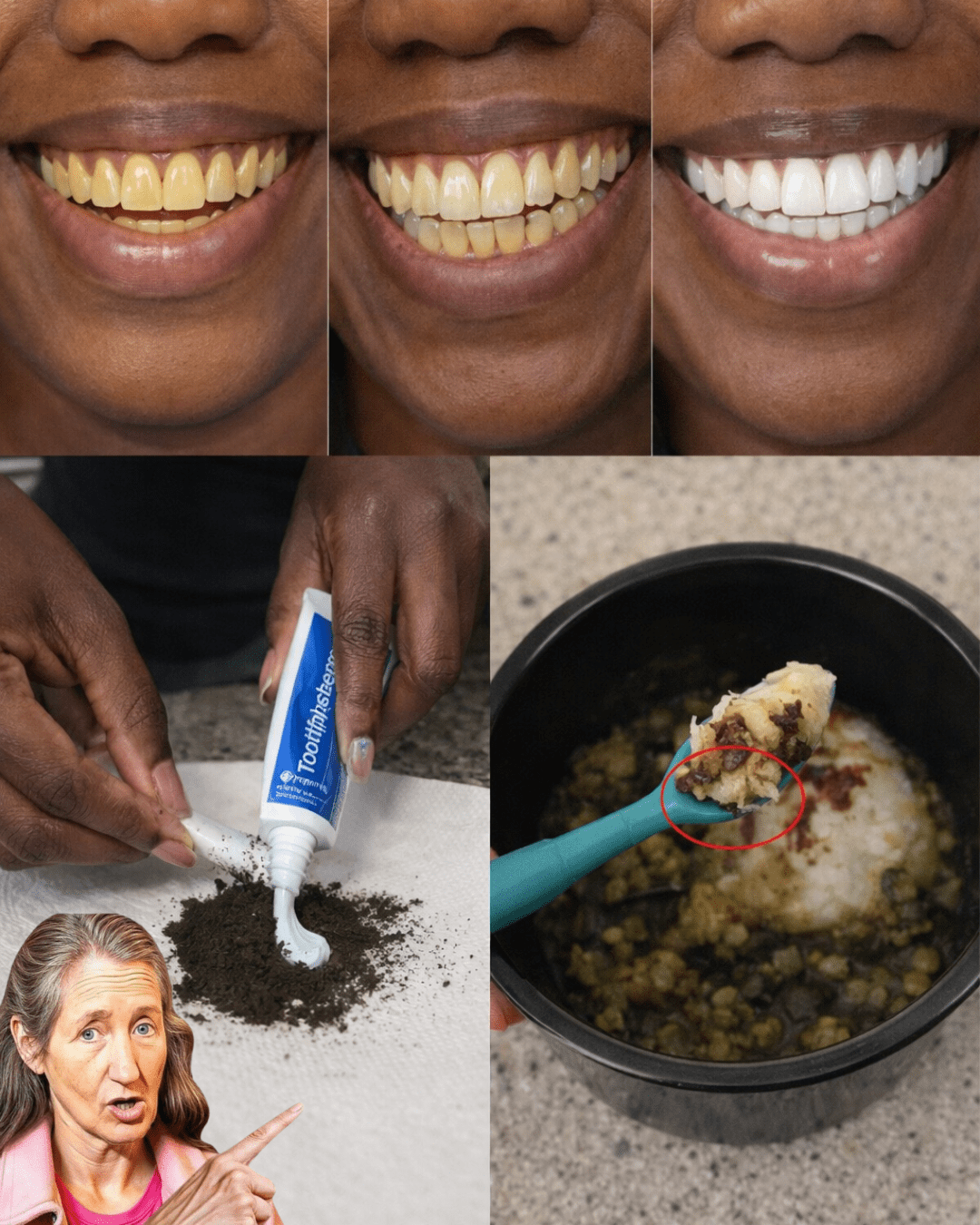
Many people notice their teeth looking a bit dull or stained over time from coffee, tea, red wine, or just daily life. It’s completely normal, and it can affect how confident you feel when smiling. The good news is that there are gentle, natural ways to help maintain a brighter appearance without harsh chemicals.
But here’s the interesting part: some of the most effective strategies aren’t exotic remedies—they’re simple habits backed by dental experts that you can start today. Keep reading to discover practical tips that could make a real difference.
Why Do Teeth Lose Their Brightness?
Teeth can develop surface stains from foods, drinks, and habits like smoking. Over time, enamel—the outer layer of your teeth—naturally thins with age, making underlying yellow tones more visible.
Research shows that extrinsic stains (on the surface) are easier to manage than intrinsic ones (deeper in the tooth). Good oral hygiene plays a big role in preventing and reducing buildup. Studies from the American Dental Association emphasize that consistent brushing and flossing are key to keeping teeth looking their best.
But that’s not all—certain everyday choices can either help or hinder your smile’s natural shine.
Safe Habits to Help Brighten Teeth Naturally
Here are some evidence-based approaches recommended by dental professionals. These focus on gentle polishing and stain prevention rather than aggressive bleaching.
1. Brush with Baking Soda Occasionally
Baking soda is a mild abrasive that can help scrub away surface stains without being too harsh.
- Mix a small amount with your regular toothpaste.
- Use it 2–3 times a week.
- Avoid daily use to prevent over-abrasion.
Studies, including reviews in the Journal of the American Dental Association, show baking soda toothpastes are safe and effective for removing stains when used properly.
2. Practice Oil Pulling with Coconut Oil
This ancient technique involves swishing oil in your mouth to reduce bacteria and plaque.
- Take 1 tablespoon of coconut oil.
- Swish gently for 10–15 minutes.
- Spit it out (not in the sink) and rinse with water.
Some small studies suggest it may improve oral health and reduce staining over time, though results vary.
3. Eat Crunchy Fruits and Vegetables
Foods like apples, carrots, and celery act as natural scrubbers while you chew.
- They stimulate saliva production, which helps neutralize acids.
- Enjoy them as snacks to support cleaner teeth.
This mechanical action can help remove surface debris, according to dental research.
4. Limit Stain-Causing Foods and Drinks
Prevention is often the best approach.
| Habit | Tip for Brighter Teeth | Why It Helps |
|---|---|---|
| Coffee/Tea | Drink through a straw or rinse mouth afterward | Reduces direct contact with enamel |
| Red Wine | Enjoy in moderation; follow with water | Minimizes tannin buildup |
| Dark Berries | Brush gently after eating | Prevents pigment adhesion |
| Smoking | Consider quitting resources | Avoids tar and nicotine stains |
Making these adjustments can slow down new stains significantly.
5. Stay Hydrated and Rinse After Meals
Drinking water helps wash away food particles and acids.
- Swish water around your mouth after eating or drinking.
- It supports natural saliva flow for remineralization.
6. Use Hydrogen Peroxide Sparingly as a Rinse
A diluted solution can act as a mild brightener.
- Mix equal parts 3% hydrogen peroxide and water.
- Swish for 30 seconds, then rinse thoroughly.
- Limit to once a week.
Research supports its use in low concentrations, but always dilute to avoid irritation.
Here’s the reality: while popular online remedies like rubbing banana peels or using lemon juice sound appealing, most dental experts note limited evidence for their effectiveness. Some, especially acidic ones, may even risk enamel wear over time.
Step-by-Step Guide to a Daily Brightening Routine
- Brush twice daily with a soft toothbrush and fluoride toothpaste.
- Floss once a day to remove plaque between teeth.
- Incorporate one gentle natural method (like baking soda brushing) a few times weekly.
- Rinse with water after staining foods/drinks.
- Visit your dentist for professional cleanings every 6 months.
Consistency with these habits often leads to noticeable improvements over weeks or months.
Conclusion
Maintaining a brighter smile is more about smart daily habits than quick fixes. By focusing on gentle prevention and proven mild abrasives, you can support your teeth’s natural appearance safely at home.
Professional options, like dentist-supervised whitening, remain the most reliable for dramatic changes. Start small today—your smile will thank you.
Frequently Asked Questions
1. How long does it take to see results from natural brightening methods?
Most people notice subtle improvements in 2–4 weeks with consistent habits, though it depends on your starting point and lifestyle.
2. Are natural remedies safer than commercial whitening products?
Gentle ones like baking soda can be safe in moderation, but always check with a dentist. Some DIY ideas carry risks if overused.
3. Can these methods work on intrinsic (deep) stains?
They’re best for surface stains. Deeper discoloration often needs professional evaluation.
Disclaimer: This article is for informational purposes only and is not a substitute for professional dental advice. Home remedies may not work for everyone and could cause sensitivity or damage if misused. Always consult your dentist before trying new oral care practices, especially if you have sensitive teeth or existing dental conditions.