
Hearing those subtle scratches behind walls or spotting small droppings in the pantry can make anyone feel uneasy and frustrated. These uninvited guests disrupt your peace, contaminate food, and create ongoing worry about what damage they might cause next. The constant concern about health risks and cleaning up after them only adds to the stress, leaving you desperate for a safe solution.
But many homeowners have found relief through simple, household-based approaches that encourage rodents to avoid certain areas without harsh measures. And at the end, I’ll share a surprisingly effective foundation that ties everything together for better results.

Why Rodents Enter Homes and How Scents Play a Role
Rodents like mice and rats have an incredibly keen sense of smell, which they rely on to find food and navigate safely. Strong or irritating odors can overwhelm their senses, making an area less appealing to explore.
Research suggests that certain natural scents, such as those from essential oils, may temporarily discourage rodents due to their intensity. For instance, studies on essential oils like peppermint and eucalyptus have shown some potential to influence rodent behavior in controlled settings. However, these effects are often short-lived, as rodents can adapt over time.
The truth is, no single scent provides a permanent barrier. But combining them with good habits can help make your home less inviting.
Here’s the interesting part: many of these options use items you likely already have in your kitchen.
10 Practical Natural Ways to Deter Rodents
These methods focus on common household items known for their strong aromas. Refresh them regularly for best results, as scents fade quickly.
1. Peppermint Oil on Cotton Balls
The refreshing minty scent is pleasant for humans but can be overpowering for rodents.
How to use it step by step:
- Choose pure peppermint essential oil.
- Soak cotton balls with a few drops each.
- Place them near potential entry points, like gaps under doors, behind appliances, or in corners.
- Refresh every few days or when the scent weakens.
Many people report this helps in small areas, and it leaves your home smelling fresh.
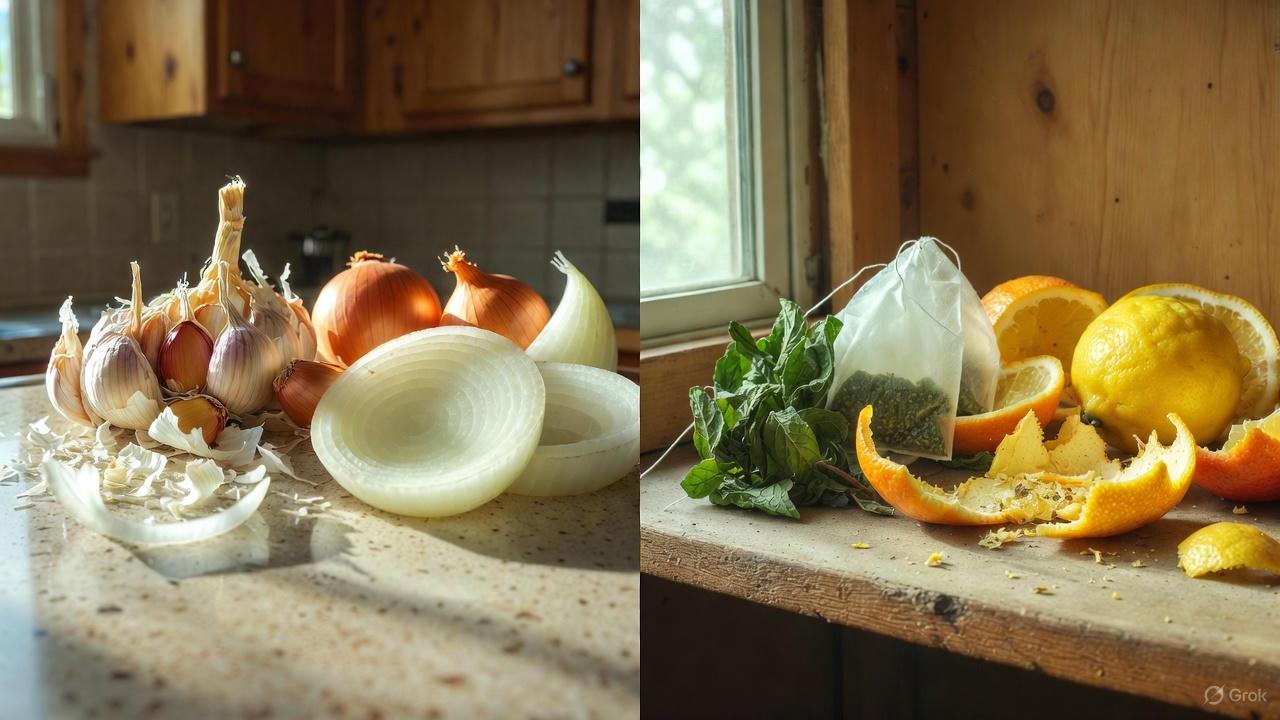
2. Crushed Garlic Cloves
Garlic’s pungent aroma is a classic kitchen staple that rodents tend to avoid.
How to use it:
- Crush several fresh cloves to release the oils.
- Scatter them in cabinets, near baseboards, or in suspected activity spots.
- Replace every 2-3 days as the smell diminishes.
3. Cayenne or Black Pepper Sprinkles
Spicy scents like cayenne can irritate sensitive rodent noses.
How to use it:
- Lightly sprinkle ground cayenne or black pepper along baseboards, behind furniture, or near entryways.
- Avoid areas accessible to pets or children, as it can cause irritation.
4. Onion Slices
Fresh onions release a sharp odor that may discourage foraging.
How to use it:
- Cut an onion into slices.
- Place in areas of concern, such as pantries or under sinks.
- Replace every 48 hours for ongoing freshness.
5. Citrus Peels from Oranges or Lemons
The natural oils in citrus rinds create a bright, zesty smell.
How to use it:
- Save peels from oranges, lemons, or limes.
- Rub them along entry points or scatter small pieces in drawers and shelves.
- Refresh frequently, as the oils evaporate quickly.
6. Bay Leaves in Storage Areas
These dried leaves have a herbal aroma rodents often steer clear of.
How to use it:
- Place whole bay leaves in pantries, drawers, or food storage spots.
- Tuck them into corners or sachets for easy placement.
7. White Vinegar Spray
Vinegar’s acidic tang can disrupt scent trails.
How to use it step by step:
- Mix equal parts white vinegar and water in a spray bottle.
- Lightly mist around doors, windows, and counter edges.
- Reapply after cleaning or every few days.
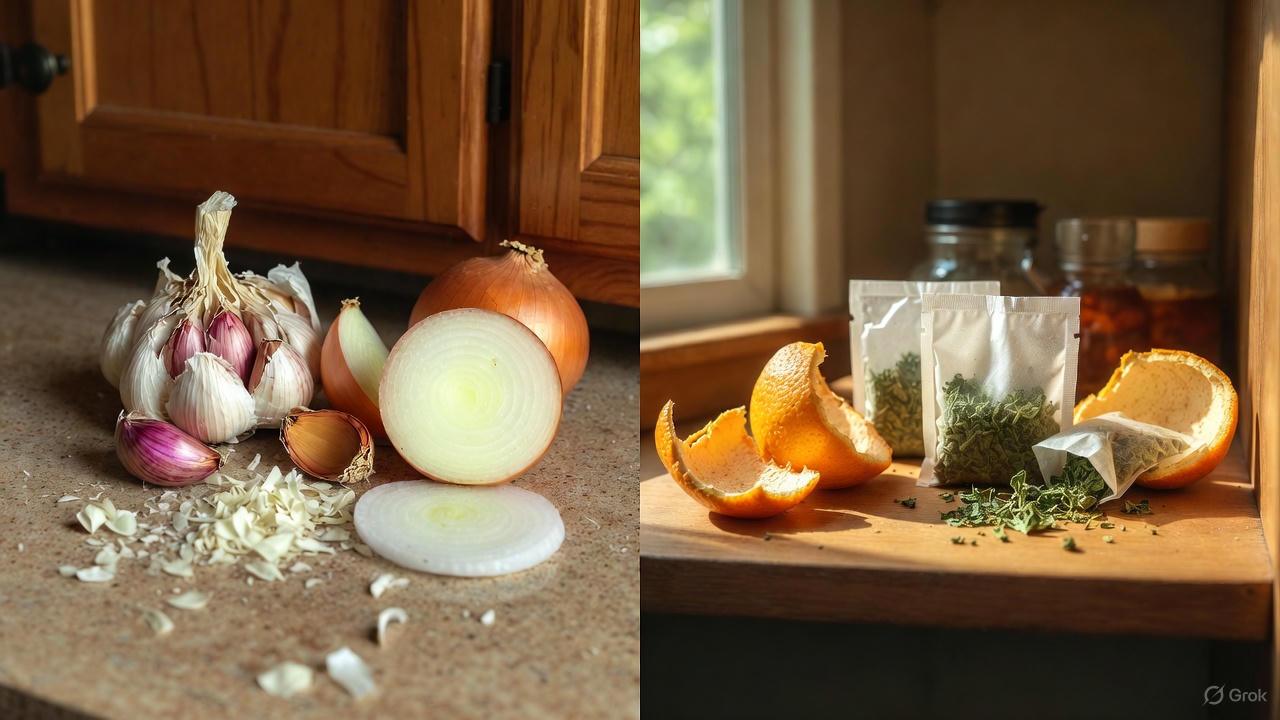
8. Used Mint or Herbal Tea Bags
Dried tea bags retain lingering essential oils.
How to use it:
- Dry out used mint, peppermint, or citrus tea bags completely.
- Position them in cupboards, near vents, or hidden spots.
9. Cloves Scattered or in Combinations
Whole cloves offer a warm, spicy note.
How to use it:
- Scatter cloves in problem areas.
- Or combine with citrus peels for added intensity.
10. Maintaining Cleanliness and Sealing Entry Points
This isn’t a scent, but it’s the most reliable foundation.
Key habits to adopt:
- Store food in airtight containers.
- Wipe up crumbs and spills promptly.
- Take out trash regularly.
- Seal small gaps with steel wool or caulk.
A clean, sealed home removes the main attractions—food and easy access.
Common Natural Deterrents Compared
Here’s a quick overview of popular options and what to expect:
| Method | Ease of Use | Duration of Scent | Best For | Notes |
|---|---|---|---|---|
| Peppermint Oil | High | 3-7 days | Entry points, small areas | Popular anecdotal choice |
| Garlic/Onion | High | 2-3 days | Pantries, corners | Needs frequent replacement |
| Citrus Peels | Very High | 2-4 days | Drawers, shelves | Eco-friendly byproduct |
| Vinegar Spray | High | Until dry | Surfaces, cleaning | Multi-purpose |
| Cayenne Pepper | Medium | Until disturbed | Baseboards | Use cautiously with pets |
| Bay Leaves | Very High | Weeks | Storage areas | Long-lasting but subtle |
These can complement each other—try rotating a few for variety.
But that’s not all… combining scents with prevention often yields the strongest outcome.
Tips for Success and Realistic Expectations
Start by inspecting your home for signs of activity and entry points. Focus efforts there first.
Studies indicate that while strong odors can influence rodent preferences temporarily, the most effective long-term approach involves removing food sources and blocking access. Professional guidance is recommended for persistent issues.
This is the part worth noting: consistency matters more than any single item.
Conclusion
Using everyday items like peppermint, garlic, citrus, and vinegar offers a gentle way to make your home less appealing to rodents. Pair these with thorough cleaning and sealing for a more welcoming space—for you, not them.
Many find these methods helpful as part of an overall strategy, creating a fresher, more comfortable home naturally.
Frequently Asked Questions
How often should I refresh natural deterrents?
Most scents fade within days to a week, so check and replace regularly for ongoing effect.
Are these methods safe around children and pets?
Generally yes, as they’re food-grade items, but keep spicy options like cayenne out of reach to avoid irritation.
What if I still notice rodent activity?
These approaches may deter in mild cases, but for ongoing signs, consult a pest professional to address root causes safely.
Disclaimer: This information is for educational purposes and shares common household tips. It is not intended to diagnose, treat, or prevent any pest issues. For significant infestations, seek advice from qualified experts.


