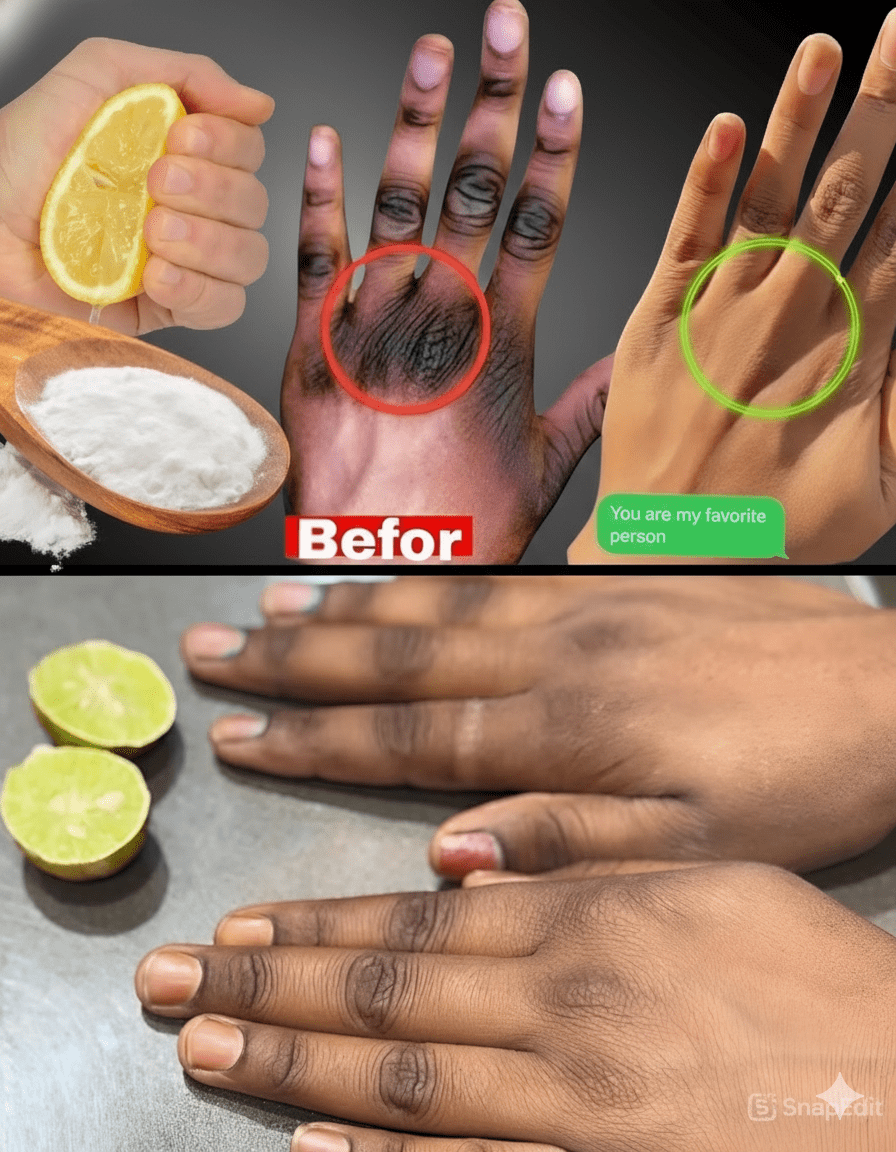
Many people notice that the skin on their knuckles looks darker or uneven compared to the rest of their hands, which can feel frustrating and make you self-conscious about showing your hands. This common issue often stems from everyday factors like dryness or buildup, leaving the area feeling rough and noticeable. The good news is that gentle, natural approaches from your kitchen can help support smoother, more even-looking skin over time.
But here’s the thing – while some popular remedies sound promising, not all are backed by strong science, and results vary. Stick around, because we’ll explore one widely shared option step by step, including how to use it safely and what experts really say about it.
Understanding Why Knuckles Can Appear Darker
Dark knuckles are a frequent concern, especially for those with medium to deeper skin tones. The skin there is naturally thicker and gets more friction from daily activities.
Common contributors include:
- Dryness and lack of moisture
- Buildup of dead skin cells
- Repeated friction from leaning or gripping
- Sun exposure without protection
- Frequent hand washing or contact with harsh products
In some cases, it may point to factors like vitamin deficiencies or hormonal changes, so if it’s sudden or accompanied by other symptoms, it’s worth checking with a doctor.
Research shows that hyperpigmentation happens when melanin (the pigment in skin) increases in certain areas. Studies on alpha hydroxy acids (AHAs) like citric acid suggest they can help with gentle exfoliation, promoting cell turnover for a brighter look.
A Popular Natural Exfoliation Method: Lemon Juice and Baking Soda
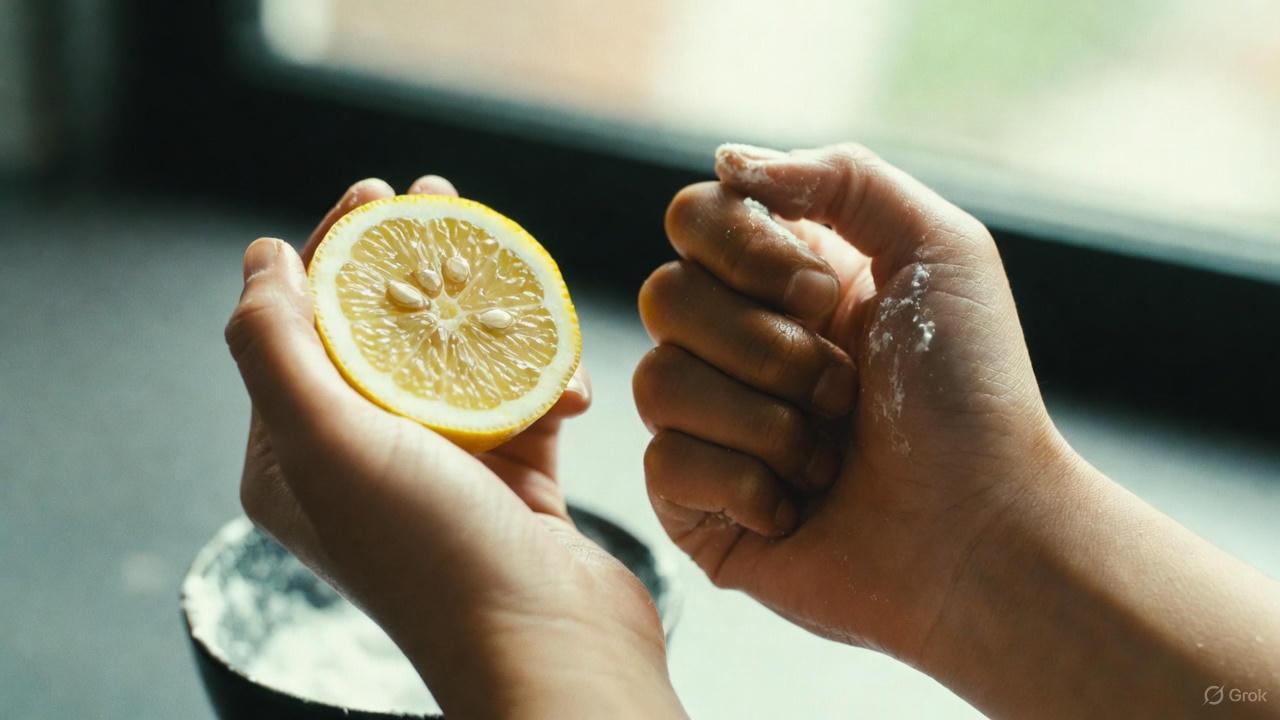
One remedy that many people try at home involves mixing fresh lemon juice with baking soda. Lemon provides citric acid, a natural AHA that acts as a mild exfoliant. Baking soda offers gentle physical scrubbing to remove surface buildup.
Here’s why some find it helpful:
- Citric acid may support the removal of dead cells, revealing fresher skin underneath.
- The combination creates a paste that’s easy to apply targeted to knuckles.
- It’s affordable and uses common household items.
That said, scientific evidence for this specific mix on hyperpigmentation is mostly anecdotal. Dermatologists often note that while AHAs can exfoliate, raw lemon juice is highly acidic and unbuffered, which can disrupt the skin’s barrier.
Step-by-Step Guide to Trying This Method Safely
If you’re curious to try it, start slow and prioritize safety.
Ingredients:
- 1 teaspoon fresh lemon juice (from half a lemon)
- ½ teaspoon baking soda
Steps:
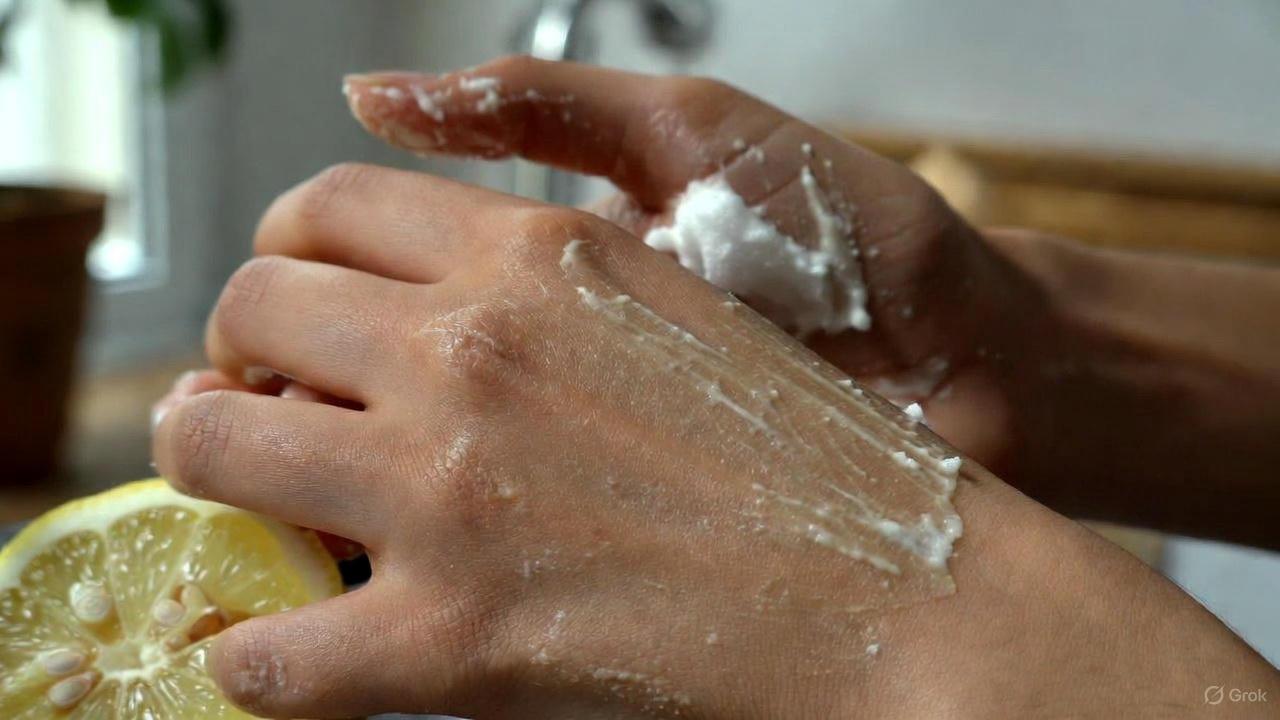
- Squeeze fresh lemon juice and mix with baking soda to form a paste – it may fizz slightly.
- Apply a small amount directly to clean, dry knuckles.
- Gently massage in circular motions for 20-30 seconds (avoid scrubbing hard).
- Leave on for no more than 1-2 minutes.
- Rinse thoroughly with lukewarm water.
- Immediately follow with a thick moisturizer, like petroleum jelly or a natural oil.
How often: Limit to 1-2 times per week. Overuse can lead to dryness.
Essential precautions:
- Always do a patch test on your inner arm first – wait 24 hours to check for redness.
- Never use on broken, irritated, or sensitive skin.
- Avoid sun exposure right after; lemon can increase photosensitivity.
- Stop immediately if you feel stinging or see redness.
Experts emphasize moisturizing afterward, as both ingredients can be drying. Studies on citric acid show exfoliation benefits in controlled forms, but raw application carries risks like irritation.
Supporting Habits for Healthier-Looking Hands
Consistency with daily care often makes the biggest difference. Here are proven tips backed by dermatology advice:
- Moisturize daily: Use a rich hand cream with ingredients like glycerin or urea multiple times a day.
- Protect from sun: Apply broad-spectrum SPF 30+ to hands every day – UV exposure worsens uneven tone.
- Gentle cleansing: Avoid harsh soaps; opt for mild, fragrance-free ones.
- Wear gloves: For household chores to reduce friction and chemical exposure.
- Stay hydrated: Drink plenty of water and eat a balanced diet rich in vitamins.
| Habit | Why It Helps | How to Incorporate |
|---|---|---|
| Daily moisturizing | Locks in hydration, softens thick skin | Apply after washing hands |
| Sunscreen on hands | Prevents UV-induced pigmentation | Reapply every 2 hours outdoors |
| Gentle exfoliation | Removes buildup without overdoing it | 1-2 times weekly with soft methods |
| Protective gloves | Reduces friction and irritation | During cleaning or cold weather |
These steps can help maintain results and prevent further darkening.
Gentler Alternatives to Consider
If the lemon-baking soda mix feels too harsh, try these evidence-based options:
- Yogurt or milk: Contains lactic acid, a milder AHA for gentle exfoliation.
- Aloe vera gel: Soothes and hydrates while supporting skin renewal.
- Vitamin C serums: Stabilized forms are safer and more effective for brightening.
- Over-the-counter creams: Look for niacinamide or licensed AHAs.
Research supports niacinamide for reducing pigmentation appearance safely.
What to Realistically Expect
With consistent care, many notice smoother texture in a few weeks and gradual evening of tone over 1-2 months. But natural methods require patience – they’re not quick fixes.
Factors like skin type and underlying causes affect outcomes. If no improvement after 6-8 weeks, consult a dermatologist for personalized advice.
Frequently Asked Questions
How long does it take to see changes in knuckle appearance? Most people report smoother feel within 1-2 weeks of gentle care, with subtle evening over 4-6 weeks of consistent habits.
Can dark knuckles indicate a health issue? Sometimes yes – they can link to vitamin B12 deficiency or hormonal conditions. If accompanied by fatigue or other symptoms, see a doctor for checks.
Is it safe to use lemon on skin daily? No, experts recommend against daily use due to acidity and photosensitivity risks. Limit exposure and always moisturize.
Final Thoughts
Improving the look of dark knuckles starts with understanding your skin and adopting gentle, consistent habits. While home exfoliation like lemon and baking soda is popular, it’s best used cautiously – or swapped for milder alternatives to avoid irritation.
Focus on protection, hydration, and patience for the most sustainable results. Your hands go through a lot; treating them kindly can make a real difference.
Disclaimer: This article is for informational purposes only and not medical advice. Home remedies may not work for everyone and can cause irritation. Consult a healthcare professional or dermatologist before trying new skincare approaches, especially if you have sensitive skin or underlying conditions. Results vary, and no remedy guarantees specific outcomes.