
Discovering unwanted insects in your home can be incredibly frustrating and disruptive to daily life. These pests not only invade your personal space but also create ongoing stress, making it hard to relax or feel comfortable in your own environment. The constant worry about bites, contamination, or rapid spread adds to the discomfort, turning what should be a peaceful sanctuary into a source of anxiety.
But there are practical, natural approaches that many people find helpful for managing these issues. In this guide, we’ll explore evidence-based tips using common household items and plant-derived options. And toward the end, there’s a surprisingly simple method that’s gained attention for its potential—stick around to learn more.
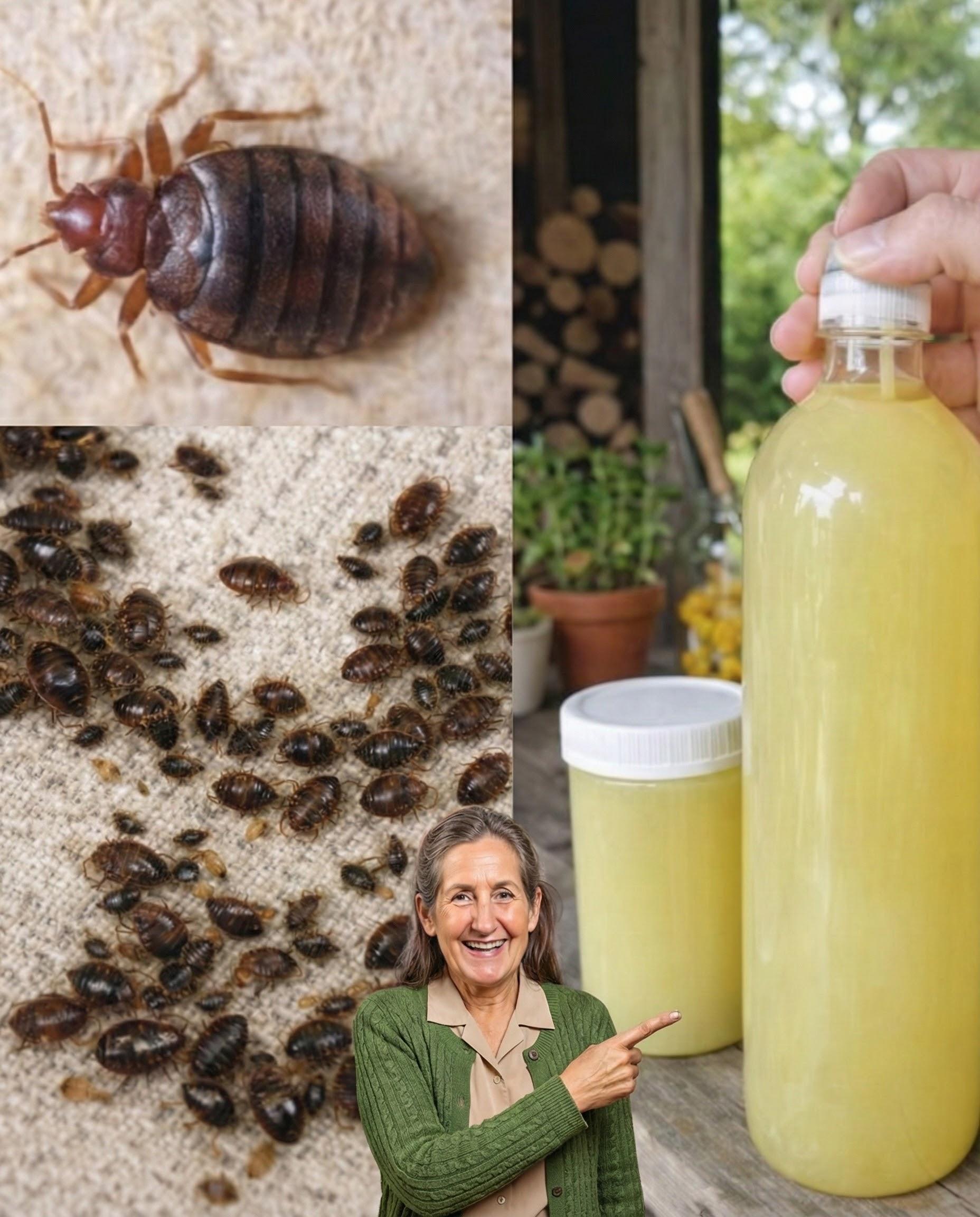
Understanding Common Household Pests
Household pests like bed bugs, cockroaches, and fruit flies thrive in warm, cluttered environments with access to food or moisture. Research shows these insects are resilient, but certain natural barriers and habits can make your home less inviting.
The key is consistency and combining methods for better results. Let’s break it down by pest type.
Natural Ways to Manage Bed Bugs
Bed bugs are notoriously tough, hiding in cracks and emerging at night. Studies from institutions like Purdue University indicate that some plant essential oils show promise in repelling or disrupting these pests.
Essential Oils That May Help Repel Bed Bugs
Certain oils contain compounds that research suggests can interfere with bed bug behavior:
- Tea tree oil
- Lavender oil
- Peppermint oil
- Lemongrass oil
A study in the Journal of Economic Entomology found that oils like thyme and clove demonstrated activity against bed bugs in lab settings.
Step-by-Step Homemade Repellent Spray
Here’s a simple recipe to try:
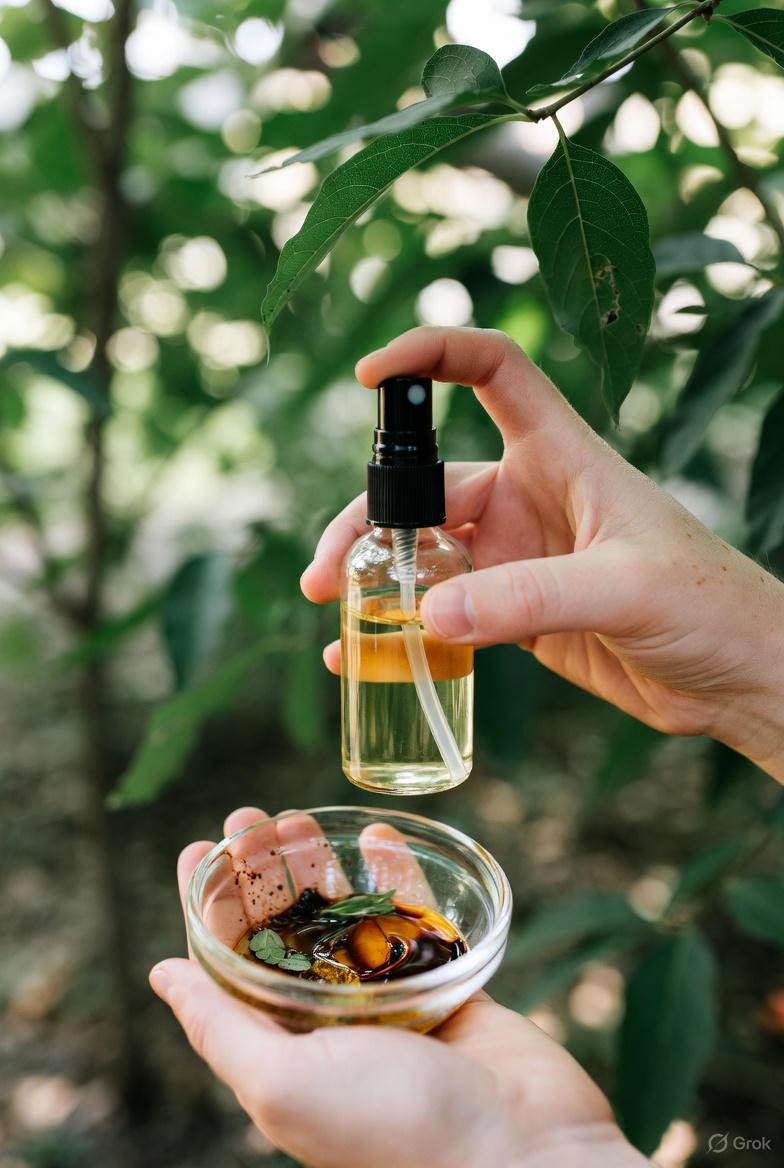
- Mix 10-15 drops of your chosen essential oil (or a blend) with 1 cup of water in a spray bottle.
- Add a few drops of mild dish soap to help it stick.
- Shake well and lightly mist mattress seams, bed frames, and baseboards.
- Reapply every few days, and always test on a small area first.
But that’s not all—another mechanical option is gaining support from experts.
Using Diatomaceous Earth as a Barrier
Food-grade diatomaceous earth (DE) is a natural powder made from fossilized algae. Entomologists note it works by absorbing moisture from insects’ exoskeletons, leading to dehydration over time.
- Sprinkle a thin layer in cracks, along baseboards, and around bed legs.
- Leave it in place for at least a week.
- Vacuum and reapply as needed.
Research from Rutgers University supports DE as a helpful tool in integrated approaches.
Managing Cockroaches Naturally
Cockroaches seek food crumbs and moisture. Keeping surfaces clean is foundational, but natural scents can add an extra layer.
Top Essential Oils for Cockroach Deterrence
Studies, including one on brown-banded cockroaches, highlight oils like:
- Peppermint
- Eucalyptus
- Rosemary
- Oregano
These may disrupt their sensory cues.
Quick Application Tips
- Soak cotton balls in diluted oil and place in cabinets or corners.
- Or create a spray similar to the bed bug recipe above.
Boric Acid Bait Option
A common homemade bait mixes boric acid with sugar or flour. Place small amounts in hidden spots—cockroaches carry it back to their nests.
Always keep out of reach of children and pets.
Simple Traps for Fruit Flies
Fruit flies multiply quickly around ripe produce or drains.
Effective Apple Cider Vinegar Trap
This classic method works because the fermented scent draws them in:
- Pour 1/2 cup apple cider vinegar into a jar.
- Add a drop of dish soap to break surface tension.
- Cover with plastic wrap, secure with a rubber band, and poke small holes.
- Place near problem areas.
Change every few days. Many homeowners report quick results.
Prevention Habits
- Store fruit in the fridge.
- Clean drains with boiling water weekly.
- Wipe counters thoroughly.

General Prevention Strategies for All Pests
Reducing attractants is crucial:
- Seal cracks and gaps around doors/windows.
- Declutter to eliminate hiding spots.
- Vacuum regularly, especially upholstery.
- Wash bedding in hot water weekly.
Here’s a quick comparison of common natural options:
| Method | Best For | Application Frequency | Notes |
|---|---|---|---|
| Essential Oil Spray | Bed bugs, cockroaches | Every 3-5 days | Pleasant scent, dilute properly |
| Diatomaceous Earth | Bed bugs, cockroaches | As needed (long-lasting) | Mechanical action, non-toxic to humans |
| Vinegar Trap | Fruit flies | Change every 2-3 days | Inexpensive and effective |
Research from sources like the EPA and university entomology departments emphasizes integrated pest management—combining cleanliness, barriers, and monitoring.
The truth is, no single method works overnight, but layering these approaches often leads to noticeable improvements.
That Surprising Method Mentioned Earlier
You’ve probably seen viral images suggesting a common bodily fluid as a quick fix. However, fact checks and expert opinions confirm there’s no reliable evidence supporting human urine as an effective repellent for these pests. It’s largely a myth—focus on proven tips instead.
Conclusion
Managing household pests naturally involves patience and routine habits. Start with thorough cleaning, add barriers like DE or oil sprays, and monitor progress. Many find these steps help create a more comfortable home over time.
Frequently Asked Questions
How long does it take to see results with natural methods?
It varies—traps for fruit flies often work in days, while bed bugs or cockroaches may need weeks of consistent effort.
Are essential oils safe around pets and kids?
Dilute properly and use sparingly. Some oils like tea tree can be toxic to pets—consult a vet.
When should I call a professional?
If the issue persists or spreads despite your efforts, experts can provide targeted solutions.
Disclaimer: This information is for educational purposes only and shares general tips based on available research. It is not intended to diagnose, treat, or prevent any pest infestation. For severe issues, consult a licensed pest control professional. Always prioritize safety when using any products around your home.


