Many adults notice their pores looking more visible as they get older, especially after age 30. This can make skin appear uneven or less smooth, leading to frustration when applying makeup or taking close-up photos. The good news is that certain natural ingredients may help improve the look of pores over time.
What’s interesting is that everyday items you likely have at home could make a noticeable difference – and there’s a simple approach many people overlook. Keep reading to discover how it works and why it might be worth trying.
Why Pores Can Appear Larger Over Time
As we age, skin naturally produces less collagen and elastin. These proteins help keep skin firm and tight. When levels drop, pores can seem more open.
Excess oil, buildup of dead skin cells, and sun exposure also play a role. Over time, these factors stretch the pore openings, making them stand out more.
Research shows that many adults experience this change, and it’s completely normal. The key is finding gentle ways to support skin’s natural balance.
Understanding Common Myths About Pores
One common belief is that pores “open” and “close” like doors. In reality, pore size is mostly genetic and structural.
However, certain habits can make them appear smaller and less noticeable. Cleansing gently, staying hydrated, and using non-comedogenic products help.
Harsh scrubbing or strong astringents often backfire by irritating skin and increasing oil production. That’s why gentler approaches tend to work better long-term.
The Power of Bentonite Clay for Skin Appearance
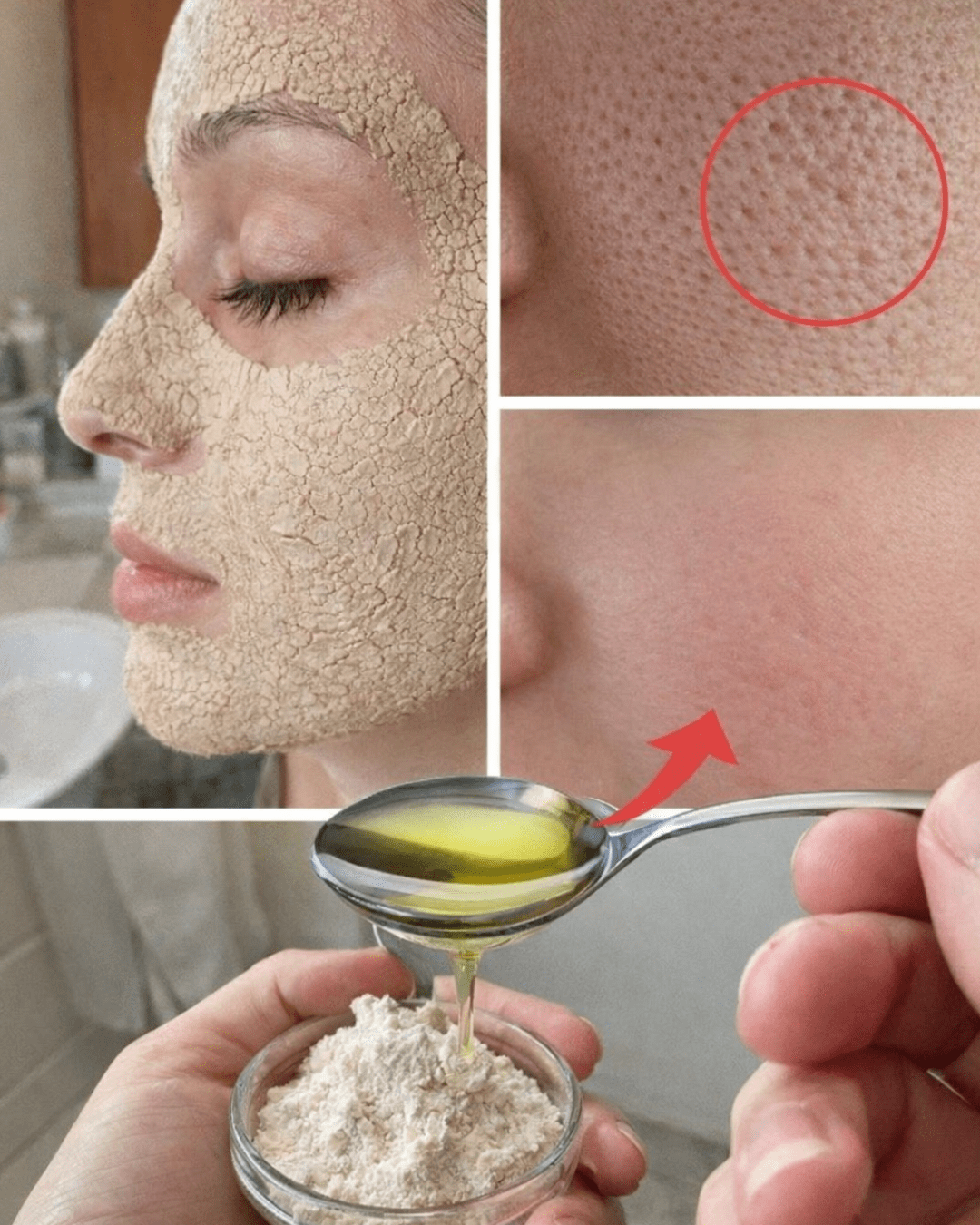
Bentonite clay has been used for centuries in skincare routines. When mixed with liquid, it forms a paste that gently draws out excess oil.
Studies, including one published in the Journal of Cosmetic Dermatology, suggest that clay masks may help reduce the visible size of pores by absorbing sebum.
Many people report their skin feels smoother and looks more refined after regular use. It’s a natural option worth considering.
But that’s not all – combining it with another common ingredient can enhance the effect.
Why Raw Honey Complements Clay Perfectly
Raw honey is naturally humectant, meaning it helps skin retain moisture. It also has gentle soothing properties.
Research in dermatology journals indicates honey can support skin’s moisture barrier while providing mild antibacterial benefits.
When paired with clay, honey prevents the mask from becoming too drying. This balance is important for maintaining healthy-looking skin.
Here’s the exciting part: together, these two ingredients create a simple at-home mask many people love.
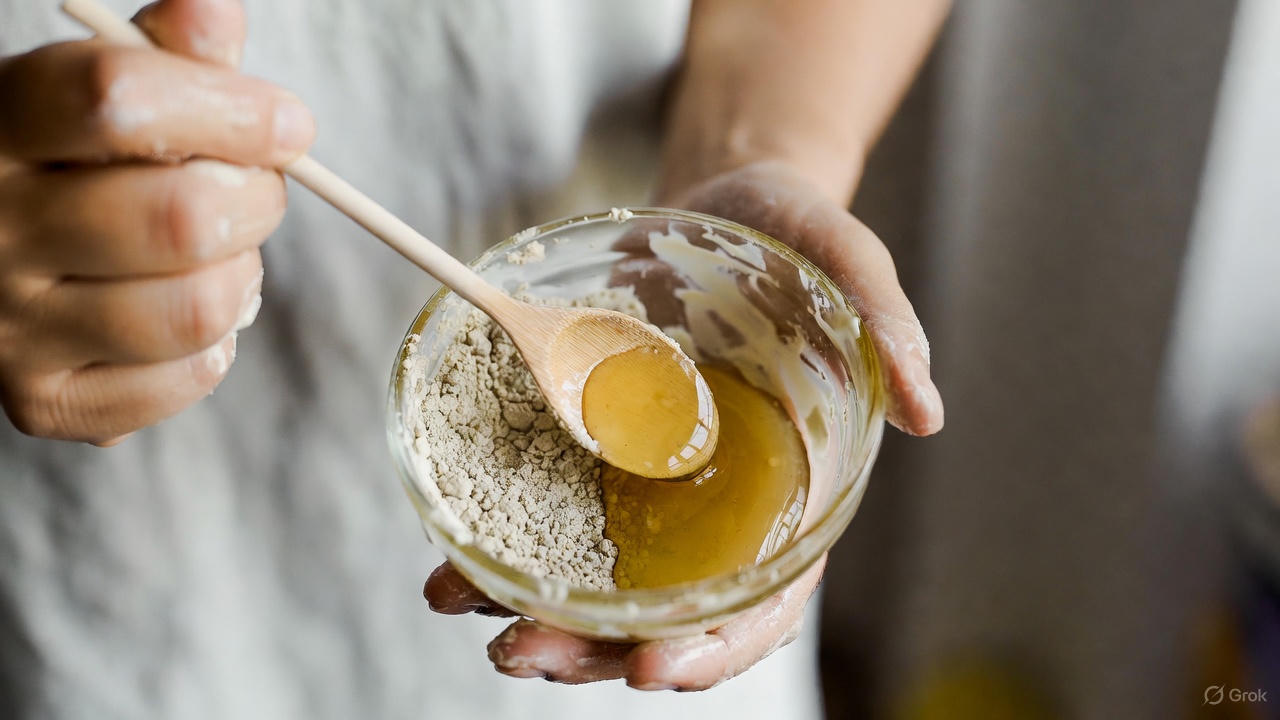
How to Make and Use a Clay-Honey Mask at Home
Making the mask is straightforward. Here’s a simple step-by-step guide:
- Mix 1 tablespoon of bentonite clay with 1 tablespoon of raw honey.
- Add a small amount of water or apple cider vinegar until it forms a spreadable paste.
- Apply a thin layer to clean, dry skin, avoiding the eye area.
- Leave on for 10–15 minutes until it starts to dry.
- Rinse gently with lukewarm water and pat dry.
- Follow with your usual moisturizer.
Start with 2–3 times per week to see how your skin responds. Consistency matters more than frequency.
Additional Tips to Support Smaller-Looking Pores
Small changes in your routine can add up. Consider these evidence-based habits:
- Always remove makeup before bed
- Use non-comedogenic sunscreen daily
- Stay hydrated by drinking enough water
- Include foods rich in vitamin C and zinc
- Gently exfoliate 1–2 times per week
- Avoid touching your face throughout the day
These steps work together to support clearer, more balanced skin over time.
Common Ingredients to Enhance Your Mask
You can customize the basic clay-honey mask with other gentle additions:
- A few drops of tea tree oil for extra cleansing support
- Fresh aloe vera gel for added soothing
- A splash of rose water for a calming scent
- Ground oats for gentle exfoliation
Always patch test new ingredients first to check for sensitivity.
What Research Says About Natural Skincare Ingredients
Multiple studies have explored natural ingredients for skin health. For example:
- A 2021 study found bentonite clay helped reduce excess oil in participants.
- Research on raw honey shows it may support skin hydration and comfort.
- Regular gentle cleansing routines appear to improve overall skin texture.
While results vary by individual, these findings explain why many people turn to natural options.
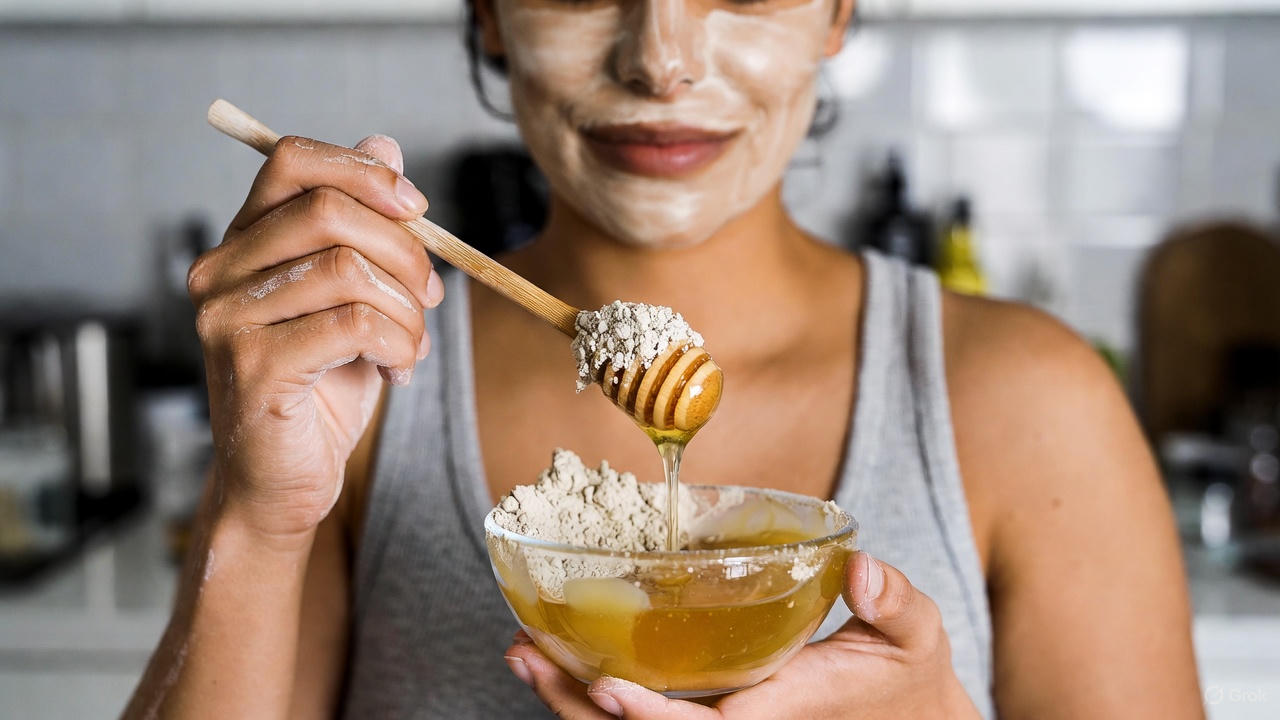
Daily Routine Example for Better Skin Appearance
Here’s a simple routine many find helpful:
Morning:
- Gentle cleanser
- Lightweight moisturizer
- Sunscreen
Evening:
- Double cleanse if wearing makeup
- Clay-honey mask (2–3 times weekly)
- Hydrating serum or moisturizer
This balanced approach supports skin without overwhelming it.
Long-Term Habits for Healthy-Looking Skin
Beyond masks, lifestyle factors matter:
- Get consistent sleep
- Manage stress through exercise or meditation
- Eat a balanced diet with plenty of fruits and vegetables
- Limit processed foods and excess sugar
These habits contribute to overall skin vitality from the inside out.
Frequently Asked Questions
How long does it take to see changes in pore appearance?
Everyone’s skin is different, but many notice improvements in texture and oiliness within a few weeks of consistent gentle care.
Can this mask be used on sensitive skin?
Start with a patch test and shorter application time. If irritation occurs, discontinue use and consult a dermatologist.
Is it safe to use clay masks every day?
Most experts recommend 2–3 times per week to avoid over-drying. Listen to your skin and adjust as needed.
Final Thoughts
Supporting the appearance of smaller pores comes down to gentle, consistent care. A simple clay and honey mask, combined with healthy habits, offers a natural approach many people enjoy.
Remember that skincare is personal – what works well for one person may need adjustment for another. Patience and consistency tend to bring the best results.
Disclaimer: This article is for informational purposes only and is not intended to diagnose, treat, or cure any skin condition. Always consult a qualified healthcare professional or dermatologist for personalized advice.