
Many people wake up with a stuffy nose, itchy eyes, or constant sneezing without realizing the culprit could be hiding in their mattress. Dust mites are tiny creatures that thrive in warm, humid bedding, feeding on dead skin cells we shed every night. Their waste products can trigger discomfort and allergy-like symptoms, making restful sleep feel impossible.
The good news is you don’t have to live with it. With a few straightforward home habits inspired by time-tested approaches, you can significantly lower dust mite levels in your bed. And there’s one surprisingly effective natural trick that ties everything together—keep reading to discover it toward the end.
Why Dust Mites Love Your Mattress
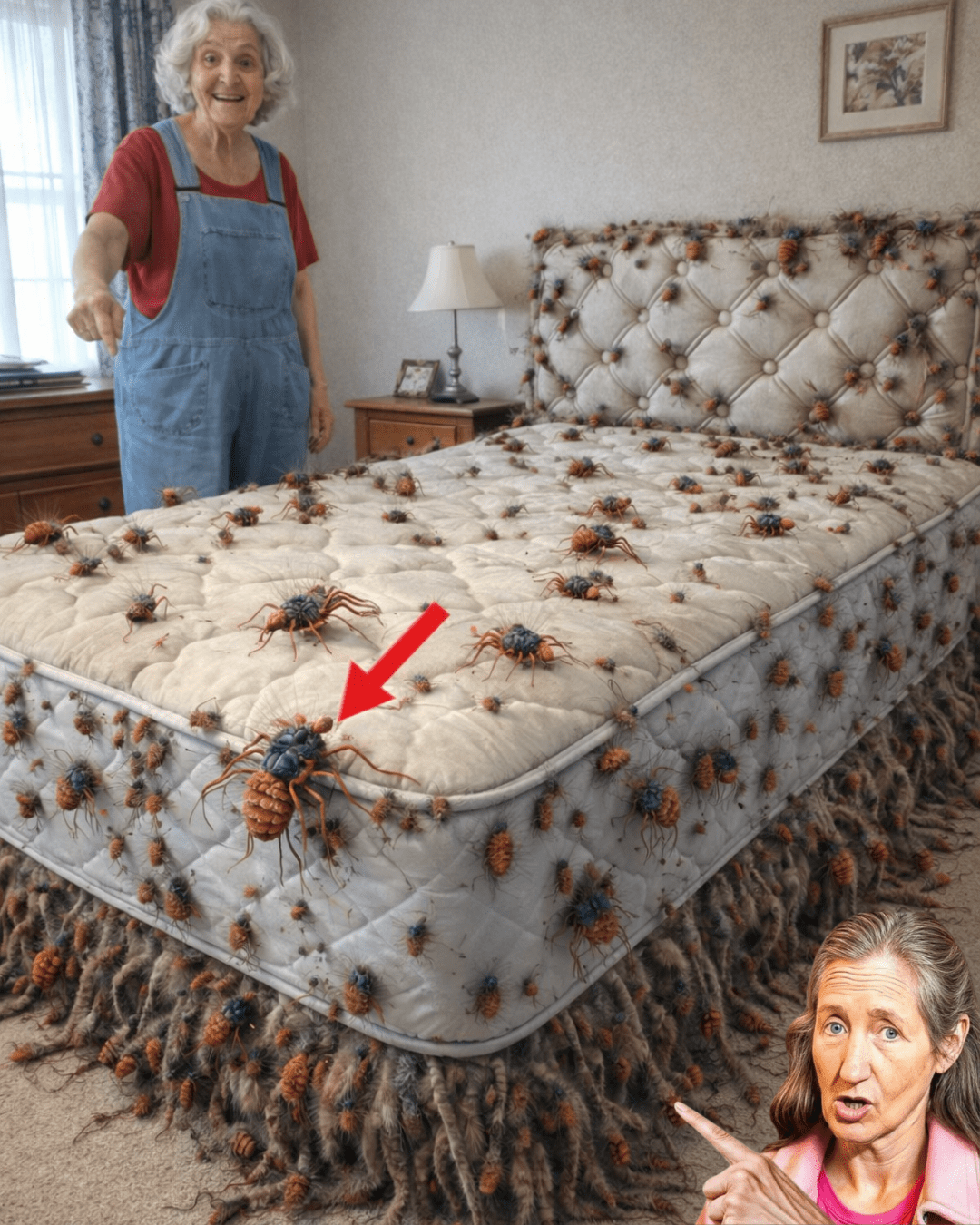
Dust mites are microscopic and invisible to the naked eye, but they’re present in nearly every home. Research shows they prefer environments with humidity above 50% and temperatures around room level, which makes mattresses an ideal spot.
Studies indicate that a single mattress can house millions of these creatures over time. While they don’t bite or spread disease, their droppings contain proteins that can irritate airways and skin for sensitive individuals.
But here’s the encouraging part: simple changes in cleaning and bedding routines can make your sleep space less welcoming to them. Let’s dive into practical steps you can start today.
Essential Step: Use Protective Covers
One of the most effective barriers is encasing your mattress and pillows in special covers.
These tightly woven fabrics block dust mites from entering or escaping, creating a shield while you sleep.
Experts recommend zippered, allergen-blocking encasements made from breathable materials.
This habit alone can dramatically reduce exposure, as supported by guidelines from health organizations.
Wash these covers regularly according to instructions to maintain their effectiveness.
Wash Bedding Weekly in Hot Water
Regular laundering is key to keeping dust mite populations in check.
Wash sheets, pillowcases, and duvet covers every week in water at least 130°F (54°C).
High heat helps remove allergens and discourages mite growth.
If hot water isn’t possible, tumble dry on high for at least 15 minutes.
For non-washable items like comforters, consider freezing them in a sealed bag for 24 hours or using a hot dryer cycle.
This routine not only freshens your bed but also supports better nighttime comfort.
Lower Humidity in Your Bedroom
Dust mites need moisture to survive, so controlling indoor humidity is a game-changer.
Aim to keep levels below 50% using a dehumidifier or air conditioner, especially in humid climates.
Open windows on dry days to let fresh air circulate.
Avoid overwatering houseplants in the bedroom, as they can add moisture.
Monitoring with a simple hygrometer can help you stay on track.
Research links lower humidity to reduced dust mite numbers, making this an evidence-based habit.
Vacuum Your Mattress Regularly
Don’t forget to clean the mattress itself.
Strip the bed and use a vacuum with a HEPA filter and upholstery attachment.
Go over every surface, including sides and seams, to remove surface dust and skin flakes.
Do this every time you change sheets or at least monthly.
For extra freshness, some people sprinkle baking soda first, let it sit, then vacuum—but more on that later.
Consistent vacuuming helps disrupt the environment dust mites rely on.
Natural Ways to Freshen and Discourage Dust Mites
Many households turn to simple, everyday items for added support.
Here’s a list of popular natural approaches:
- Essential oils: Oils like eucalyptus, tea tree, or clove have properties that may repel mites. Dilute a few drops in water and lightly spray fabrics (test a small area first).
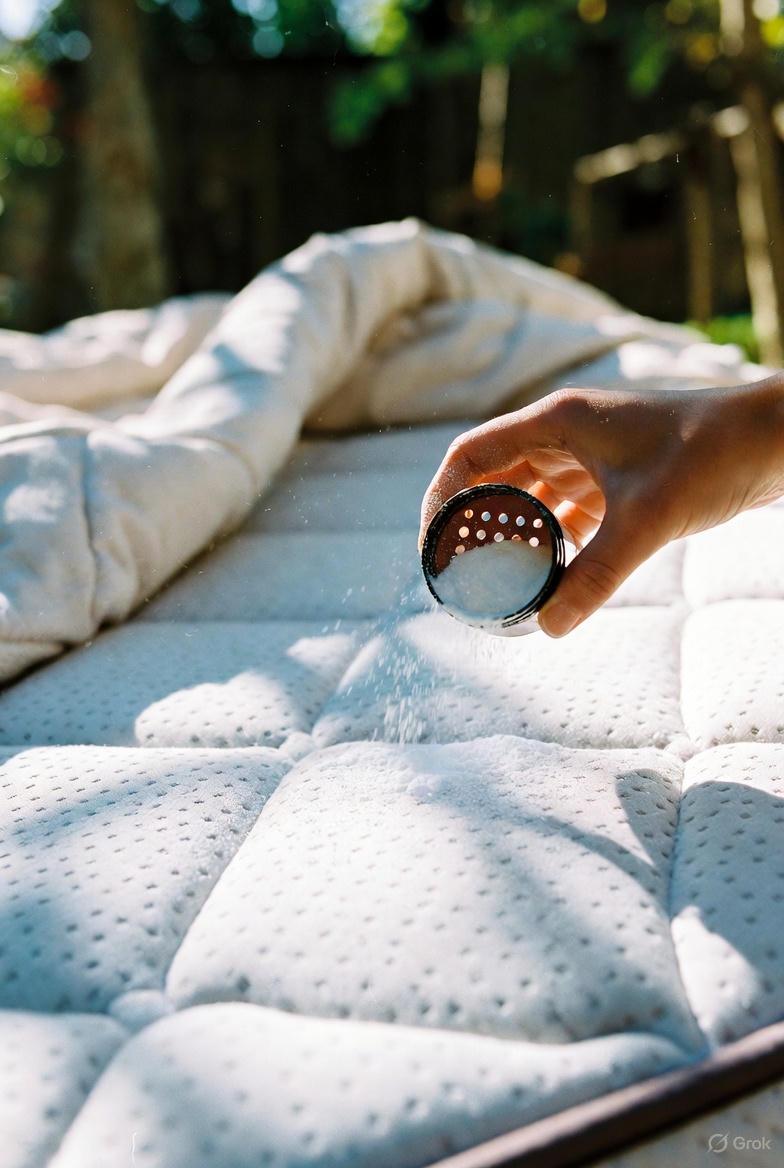
- Baking soda: This common pantry staple absorbs moisture and odors. Sprinkle liberally, wait, then vacuum.
- Steam cleaning: If you have access, high-temperature steam can penetrate fabrics without chemicals.
- Sunlight exposure: On sunny days, air out removable bedding outside—UV rays naturally discourage mites.
These methods complement core habits like washing and encasing.
Grandma’s Favorite Trick: The Baking Soda Deep Clean
Now, for that time-honored tip many swear by—the baking soda method.
This simple routine draws from old-fashioned cleaning wisdom and works well alongside vacuuming.
Here’s how to do it step by step:
- Strip the bed completely and wash all linens in hot water.
- Vacuum the bare mattress thoroughly with a HEPA-filter vacuum.
- Mix 1 cup of baking soda with 10-15 drops of essential oil (like lavender or eucalyptus for a soothing scent).
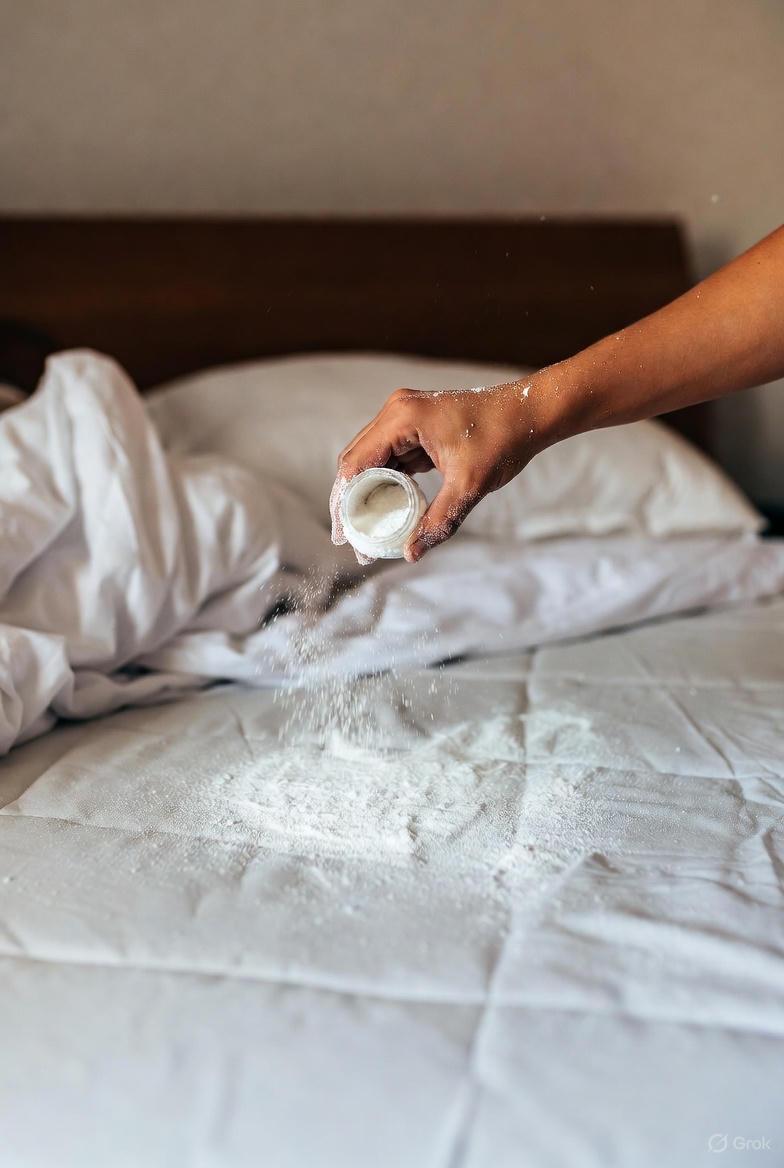
- Sprinkle the mixture evenly over the entire mattress surface.
- Let it sit for at least 1 hour—or overnight for deeper action—to absorb moisture and odors.
- Vacuum everything up carefully, using the upholstery attachment.
- Flip or rotate the mattress if possible, then remake the bed with fresh linens.
Repeat this every 1-3 months or as needed.
The combination of absorption and thorough vacuuming helps create a less hospitable environment.
Many find it leaves the bed feeling fresher and supports overall comfort.
But that’s not all—pair it with protective covers for even better results.
Additional Habits for a Dust-Mite-Friendly Home
To extend these efforts beyond the bedroom:
- Reduce clutter: Fewer items mean fewer places for dust to settle.
- Choose hard floors over carpet where possible, especially in sleeping areas.
- Use damp dusting: Wipe surfaces with a moist cloth to trap particles instead of spreading them.
- Wash stuffed toys regularly or keep them off the bed.
- Consider an air purifier with a HEPA filter for added circulation.
These small adjustments add up over time.
Here’s a quick comparison of common methods:
| Method | Frequency | Key Benefit | Ease of Use |
|---|---|---|---|
| Protective Covers | One-time setup | Blocks mites long-term | High |
| Hot Water Washing | Weekly | Removes allergens | Medium |
| Lower Humidity | Ongoing | Prevents growth | Medium |
| Vacuuming Mattress | Monthly | Removes surface debris | High |
| Baking Soda Clean | Every 1-3 months | Absorbs moisture and freshens | High |
Conclusion
Reducing dust mites in your mattress comes down to consistent, practical habits: protective covers, hot washing, humidity control, vacuuming, and natural freshening tricks like the baking soda method.
These steps can help create a cleaner sleep environment and promote more comfortable nights.
Start with one or two changes and build from there—you’ll likely notice the difference.
Frequently Asked Questions
How often should I clean my mattress for dust mites?
Aim for vacuuming monthly and a deeper clean (like baking soda) every few months, alongside weekly bedding washes.
Can sunlight help with dust mites?
Yes, exposing washable bedding to direct sunlight for a few hours can naturally discourage mites due to UV exposure and dryness.
Are essential oils safe for everyone?
They’re generally safe when diluted, but patch-test first and avoid if you have sensitivities or pets that might be affected.
Disclaimer: This article provides general information on home habits for reducing dust mites. It is not medical advice. Consult a healthcare professional for personalized guidance on allergies or health concerns.


