Discovering a snake slithering near your doorstep or hearing rats scurrying in the walls can be downright unsettling, leaving you worried about safety for your family and pets. These unwanted visitors not only cause damage to your property but can also bring stress and health concerns into your daily life. The good news is there are safe, natural ways to make your home less inviting to them—without relying on harsh chemicals. Keep reading to uncover practical tips that many homeowners have found helpful, including a simple approach that ties everything together at the end.
Why Snakes and Rats Show Up Around Homes
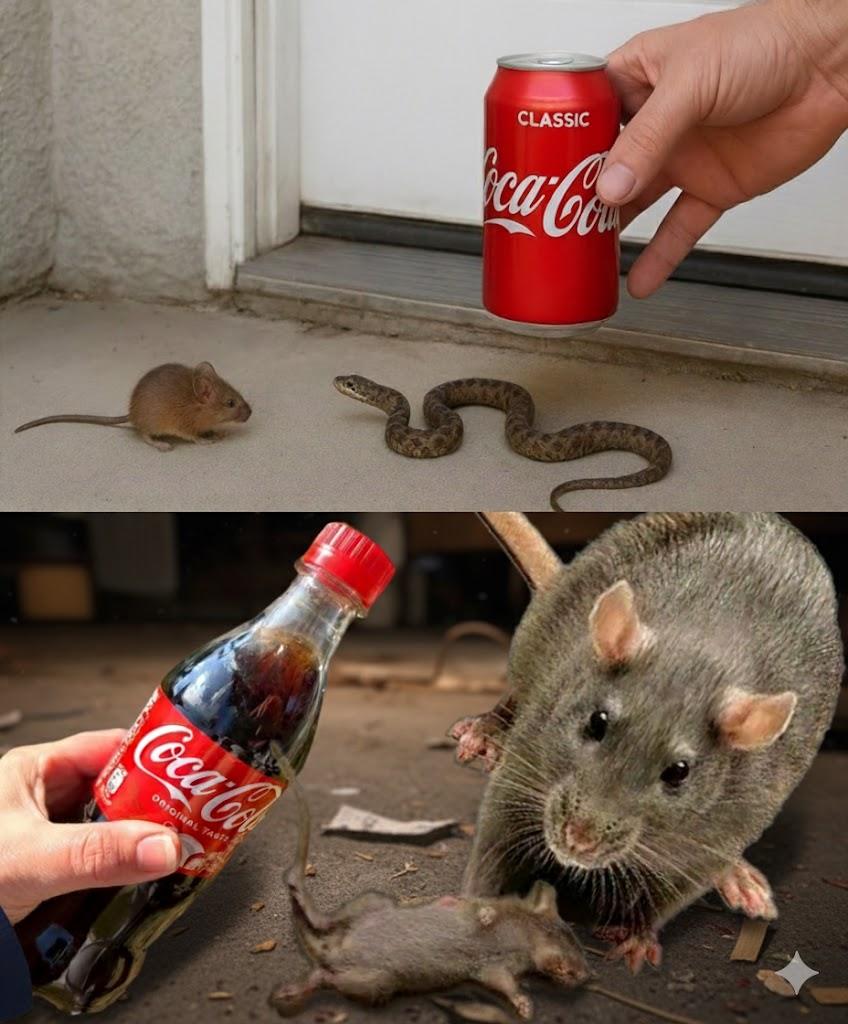
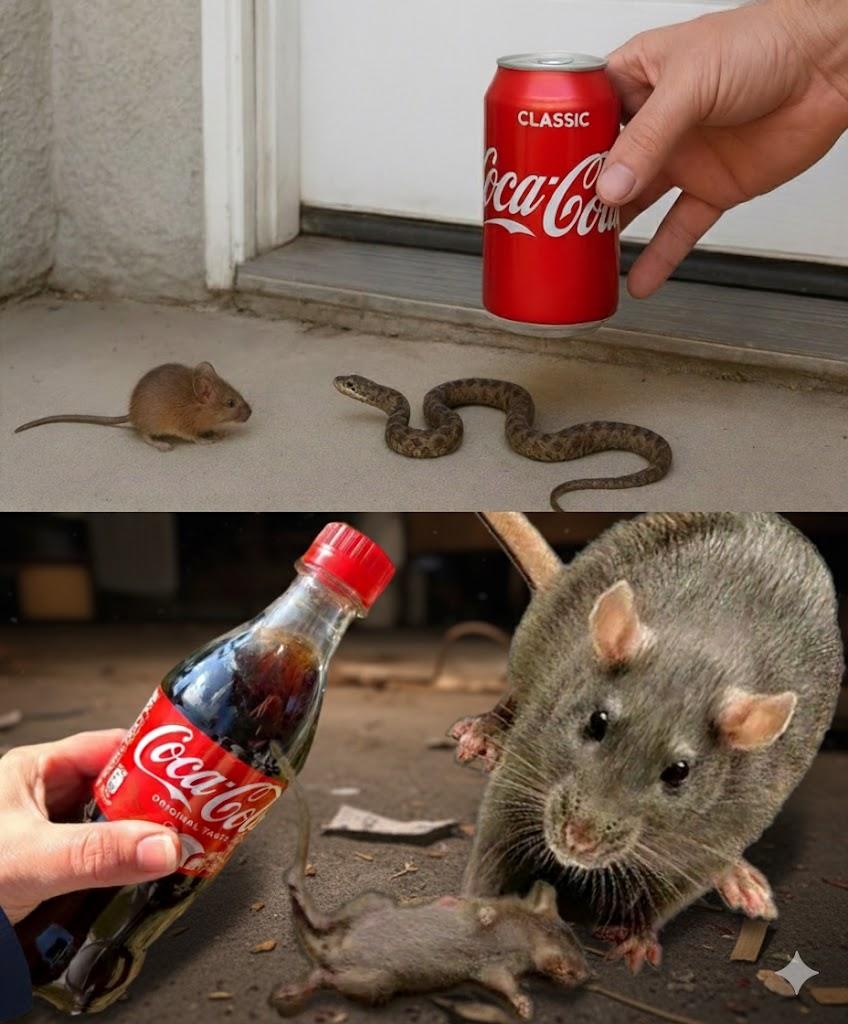
Snakes and rats are drawn to the same things that make our homes comfortable: food, water, and shelter.
Rats often arrive first, seeking easy meals like spilled pet food, unsecured garbage, or fallen fruit from trees. Snakes, in turn, follow the rodents as a food source.
Cluttered yards, leaky pipes, and small gaps in foundations create perfect hiding spots. Overgrown vegetation near walls provides cover too.
Understanding these attractions is the foundation for effective prevention. Removing them goes a long way.
But that’s just the start…
The Power of Strong Natural Scents
Both rats and snakes rely heavily on their sense of smell to navigate and find food.
Certain everyday scents can overwhelm their sensitive noses, making your property feel uncomfortable.
Research from pest behavior studies shows that strong aromatic compounds disrupt their foraging patterns.
This is why natural scent-based deterrents have gained popularity among homeowners looking for non-toxic options.
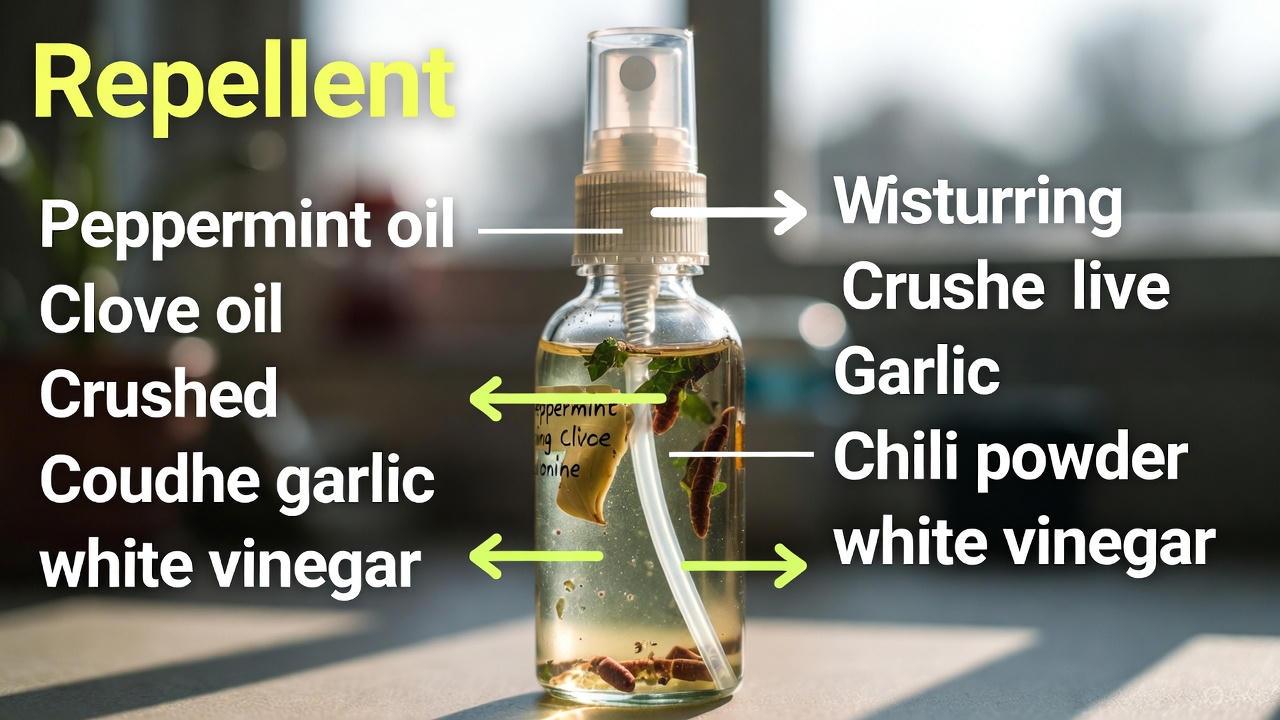
Here’s a list of commonly recommended natural scents:
- Peppermint oil
- Clove oil
- Cinnamon oil
- Fresh garlic
- White vinegar
- Chili powder or cayenne pepper
These are affordable and readily available at most grocery stores.
The key is consistent application—more on that soon.
Simple DIY Repellent Spray You Can Make at Home
One of the most popular natural options is a homemade spray that combines several strong scents.
This approach allows you to cover larger areas easily.
Studies on rodent behavior suggest that multi-scent mixtures can be more effective than single ingredients.
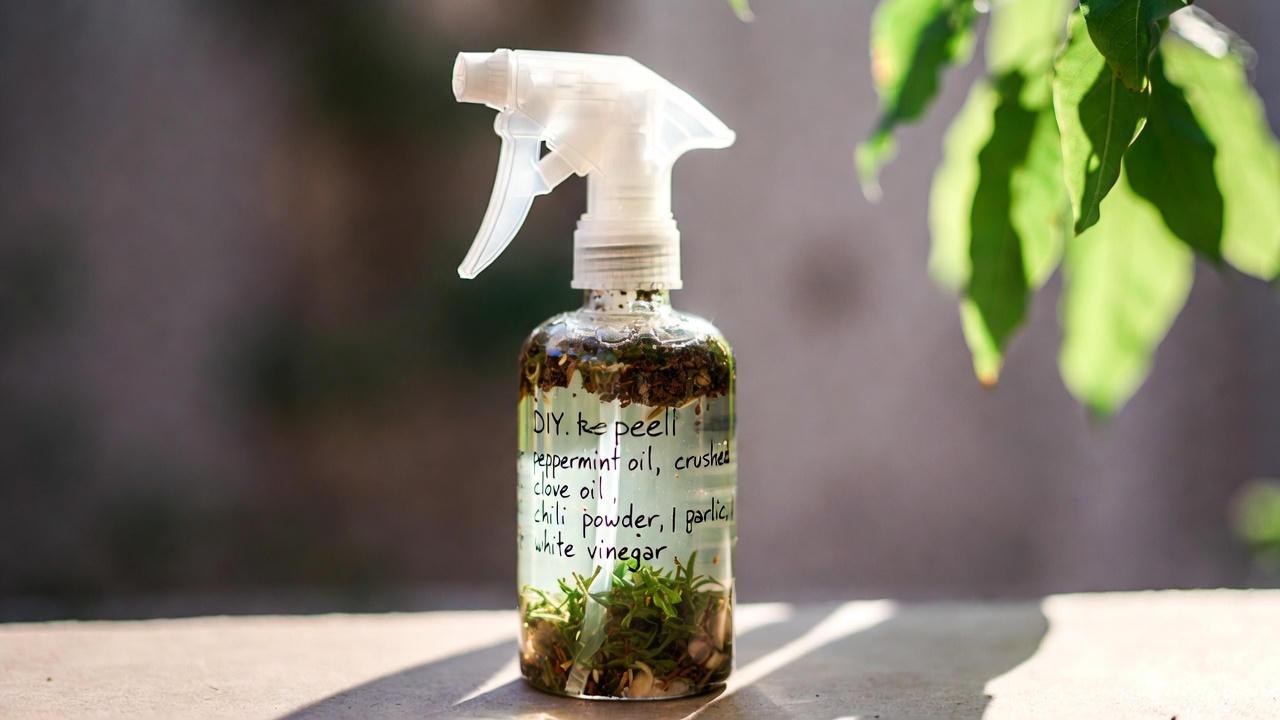
Here’s a step-by-step guide to making your own:
- Gather a clean spray bottle (about 1 liter capacity).
- Add 20-30 drops of peppermint essential oil.
- Add 10 drops of clove essential oil.
- Mix in 1 tablespoon of crushed fresh garlic.
- Add 1 tablespoon of chili powder.
- Pour in 1 cup of white vinegar.
- Fill the rest with water.
- Shake well before each use.
Spray around entry points like doors, windows, foundations, and garden borders.
Reapply every 3-5 days or after rain for best results.
Many people report noticing a difference within a week of regular use.
This method is pet-friendly when used in moderation and away from direct contact.
Easy Peppermint Cotton Ball Method
If you prefer a no-spray option, peppermint-soaked cotton balls work well for targeted spots.
Peppermint contains menthol, which is particularly irritating to rodent respiratory systems according to observational studies.
How to use it effectively:
- Soak cotton balls in undiluted peppermint essential oil.
- Place them in areas where activity has been noticed.
- Common spots include under sinks, behind appliances, near garbage areas, and along baseboards.
- Refresh or replace every 5-7 days as the scent fades.
This technique is especially useful indoors where sprays might not be ideal.
It’s simple, inexpensive, and requires minimal effort.
Using Vinegar as a Natural Barrier
White vinegar is another household staple that can help disrupt scent trails.
Both rats and snakes use scent markers to navigate, and vinegar’s acidity interferes with this.
Apply it strategically:
- Dilute vinegar with equal parts water for easier application.
- Wipe or spray along fence lines, wall bases, and around drain openings.
- Avoid direct application on plants, as it may affect soil pH.
Regular use along potential entry paths creates an invisible barrier.
Many homeowners combine this with other methods for layered protection.
The beauty is in the simplicity—most people already have vinegar in their kitchen.
Strategic Planting for Long-Term Prevention
Certain plants naturally release scents that rodents and snakes tend to avoid.
Incorporating them into your landscaping provides ongoing deterrence.
Here’s a helpful comparison of popular repellent plants:
| Plant | Scent Strength | Best Placement | Additional Benefits |
|---|---|---|---|
| Peppermint/Mint | High | Near entrances, borders | Fast-growing, culinary use |
| Lemongrass | Very High | Garden edges, pathways | Mosquito repellent too |
| Garlic | Strong | Vegetable garden areas | Edible, companion planting |
| Marigolds | Moderate | Flower beds, foundations | Bright colors, pest control |
Plant densely around vulnerable areas for maximum effect.
Over time, these create a natural scent zone.
They’re a beautiful and functional addition to any yard.
This approach works best when combined with habitat reduction.
Essential Steps to Remove Attractions
Natural scents work much better when you eliminate what draws pests in the first place.
This is often the most impactful change you can make.
Start with these actionable steps:
- Store all food (including pet food) in sealed containers.
- Secure garbage bins with tight-fitting lids.
- Pick up fallen fruit daily during season.
- Fix leaking pipes and eliminate standing water.
- Seal cracks and holes with steel wool or caulk.
- Keep grass trimmed and bushes away from walls.
- Declutter storage areas and wood piles.
Without easy resources, most pests will look elsewhere.
Many people see the biggest improvement after completing these basics.
It’s prevention at its most effective.
What to Expect and How Long It Takes
Natural methods require consistency, but results often appear faster than expected.
Most homeowners notice reduced activity within 7-10 days of combined efforts.
Snakes typically move on once their food source (rodents) decreases.
Full deterrence can take 2-4 weeks with ongoing maintenance.
The goal is to make your property consistently unappealing.
Patience and regular upkeep are essential.
Here’s the part you’ve been waiting for: combining all these strategies creates a comprehensive barrier that encourages pests to relocate permanently.
Final Thoughts
Keeping snakes and rats away naturally is about creating an environment they simply don’t want to visit.
By using strong scents, removing attractions, and adding repellent plants, you can protect your home safely.
These methods are gentle on the environment, pets, and family while being budget-friendly.
Start with the basics today, and build from there.
Small consistent actions lead to lasting peace of mind.
Frequently Asked Questions
Are natural repellents safe around children and pets? When used as directed and in moderation, common natural options like peppermint and vinegar are generally considered safer alternatives to chemical products. Always supervise application and keep essential oils out of reach.
How often should I reapply natural deterrents? Reapply sprays every 3-5 days and refresh cotton balls weekly. Planting provides longer-term coverage with minimal maintenance.
Will these methods work for all types of snakes and rats? They can help deter many common species by making areas less appealing. Results vary by location and infestation severity.
Disclaimer: This article provides general information about natural pest deterrence methods. It is not medical or professional pest control advice. For significant infestations or safety concerns, consult a licensed professional.