
Snakes and rats showing up around your home can turn everyday life into a stressful experience. These unwanted visitors often sneak in through small gaps, attracted by food scraps, clutter, or cozy hiding spots, leaving behind droppings, damage, and that uneasy feeling every time you step outside or hear a rustle at night. The constant worry about safety for your family and pets, plus the hassle of cleanup, makes it hard to relax in your own space. Many people search for ways to discourage them without relying on harsh chemicals or risky methods.
But here’s the good news: there are several natural approaches using everyday items and plants that may help create an environment less appealing to these pests. In this guide, we’ll explore practical steps you can take right away, and toward the end, we’ll share a surprising combination that many homeowners swear by for extra effectiveness.
Why Snakes and Rats Are Attracted to Homes
Snakes often enter yards seeking food like rodents, insects, or frogs, while rats are drawn to easy meals, water, and shelter. Research shows that reducing attractants like standing water, overgrown vegetation, and accessible food sources is one of the most reliable starting points for discouraging both. By addressing these basics first, you set the foundation for any natural repellent to work better.
Essential Prevention Habits to Keep Snakes and Rats Away
Start with simple changes around your property that make your home less inviting.
- Seal entry points: Check foundations, doors, vents, and pipes for gaps larger than 1/4 inch and seal them with caulk, steel wool, or mesh.
- Maintain your yard: Keep grass short, remove piles of wood, rocks, or debris, and trim bushes away from the house to eliminate hiding spots.
- Manage food sources: Store pet food indoors, secure trash bins, clean up fallen fruit, and avoid leaving birdseed on the ground.
- Eliminate water: Fix leaky faucets, empty containers, and avoid overwatering plants.
These habits alone can significantly reduce sightings, as studies from university extension services highlight how habitat modification plays a key role.
Natural Repellents for Snakes: Scents and Plants to Explore
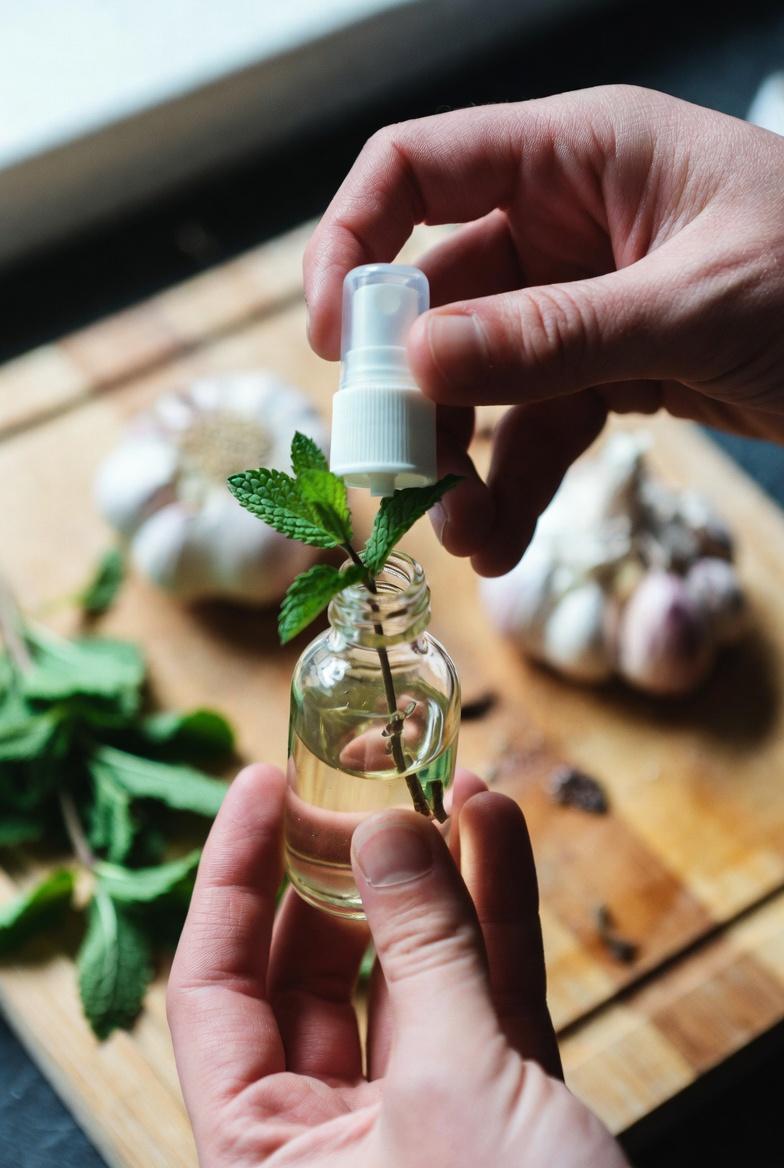
Snakes rely heavily on their sense of smell, so strong odors from certain plants and oils can make areas less appealing. Here are some popular options many people try:
- Essential oils like peppermint, cinnamon, and clove: These have pungent scents that may irritate snakes’ sensory organs. Mix 10-15 drops of oil with water in a spray bottle and apply around foundations, patios, and entryways. Reapply after rain.
- Garlic and onions: The sulfur compounds in these kitchen staples create a strong smell. Crush a few cloves or bulbs and scatter them near potential entry points, or infuse them in oil for a spray.
- Lemongrass and marigolds: Planting these around your perimeter adds natural barriers with citrusy or strong floral scents.
Quick DIY Snake Repellent Spray Recipe:
- Add 10 drops each of peppermint and cinnamon essential oil to 2 cups of water.
- Shake well.
- Spray generously along yard edges and reapply every few days.
Many anecdotal reports and some observations suggest these scents can encourage snakes to move on, though results vary by species and environment.
Here are common plants often used:
- Marigolds – Bright flowers with a sharp scent.
- Lemongrass – Tall, citrusy grass that snakes may avoid.
- Garlic plants – Easy to grow and dual-purpose for cooking.
Natural Repellents for Rats: Household Items That May Help
Rats have an incredibly sensitive nose, so overpowering smells can disrupt their trails and make them seek elsewhere.
- Peppermint oil: One of the most popular choices; soak cotton balls and place them near entry points, or spray diluted oil around baseboards.
- Eucalyptus or citronella: Similar strong aromas that may deter rodents.
- Cayenne pepper: Sprinkle powder in problem areas for a spicy irritant.
Step-by-Step Peppermint Cotton Ball Method:
- Soak several cotton balls in pure peppermint essential oil.
- Place them in corners, behind appliances, and near suspected entry spots.
- Refresh every 3-5 days as the scent fades.
Some sources note that while these may offer temporary deterrence, rats can adapt, so combine with sealing and cleaning.
Comparison: Snake vs. Rat Repellents at a Glance
| Repellent Type | Best For Snakes | Best For Rats | Reapplication Needed | Notes |
|---|---|---|---|---|
| Peppermint Oil | Yes (strong mint irritant) | Yes (overwhelms sense of smell) | Every few days | Versatile and pleasant for humans |
| Cinnamon/Clove Oil | Yes (pungent, effective combo) | Sometimes | After rain | Use in sprays |
| Garlic/Onions | Yes (sulfur compounds) | Moderate | Weekly | Cheap kitchen items |
| Planting Marigolds/Lemongrass | Yes (natural barrier) | Moderate | Ongoing | Adds beauty to yard |
This table helps you choose based on your main concern.
Extra Tips for Long-Term Success
Combine repellents with prevention for the best chance. For example, plant lemongrass around the yard while using peppermint oil indoors. Keep your home clean, and consider natural predators like cats if appropriate for your situation.
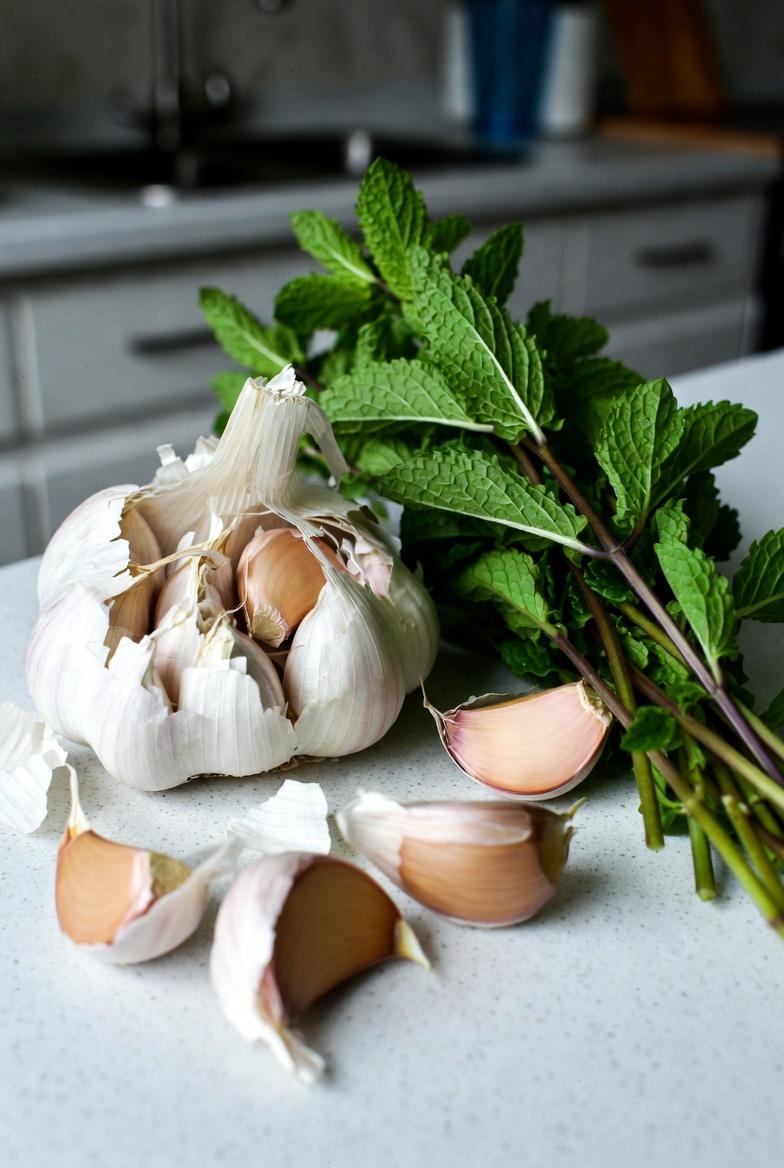
But that’s not all… one simple yet powerful homemade blend stands out in many homeowner discussions: a garlic-infused oil spray mixed with peppermint. Crush fresh garlic, let it steep in oil, then add peppermint drops and water – this double-scent approach targets both pests at once and uses ingredients you likely already have.
Conclusion: Create a Less Welcoming Home Today
Repelling snakes and rats naturally focuses on smart habits, strong scents, and simple DIY solutions. Start with yard cleanup and sealing, then experiment with oils and plants to find what works for your space. Consistency is key – these methods encourage pests to look elsewhere without harm.
Frequently Asked Questions
Do essential oils really keep snakes and rats away permanently?
Essential oils like peppermint may help deter them temporarily by overwhelming their senses, but they work best alongside prevention steps like sealing gaps and removing food sources.
Is peppermint oil safe around pets and children?
Diluted peppermint oil is generally considered low-risk, but keep it out of reach, avoid direct skin contact, and consult a vet for pets, as some animals are sensitive.
How often should I reapply natural repellents?
Reapply sprays every few days or after rain, and refresh cotton balls or powders weekly to maintain the scent strength.
Disclaimer: The information in this article is for general guidance only and not intended as professional pest control advice. Natural methods vary in effectiveness and are not guaranteed. For persistent issues or safety concerns, consult a licensed pest management professional. Always use essential oils cautiously and follow safety guidelines.


