
Many adults notice their teeth looking less bright and feeling rougher as they reach their 30s and 40s. Daily habits like drinking coffee, tea, or red wine, combined with plaque that hardens into tartar within days, contribute to surface stains and that gritty texture along the gumline. While professional dental cleanings remain the gold standard for removing established tartar, many people are looking for gentle, at-home habits using everyday ingredients to support a cleaner, brighter-looking smile between visits.
In this article, we explore 12 traditional and science-informed approaches that may help reduce plaque buildup and gently lift surface stains. Stick with me until the end – the final section reveals the single habit that amplifies all the others and is often overlooked.
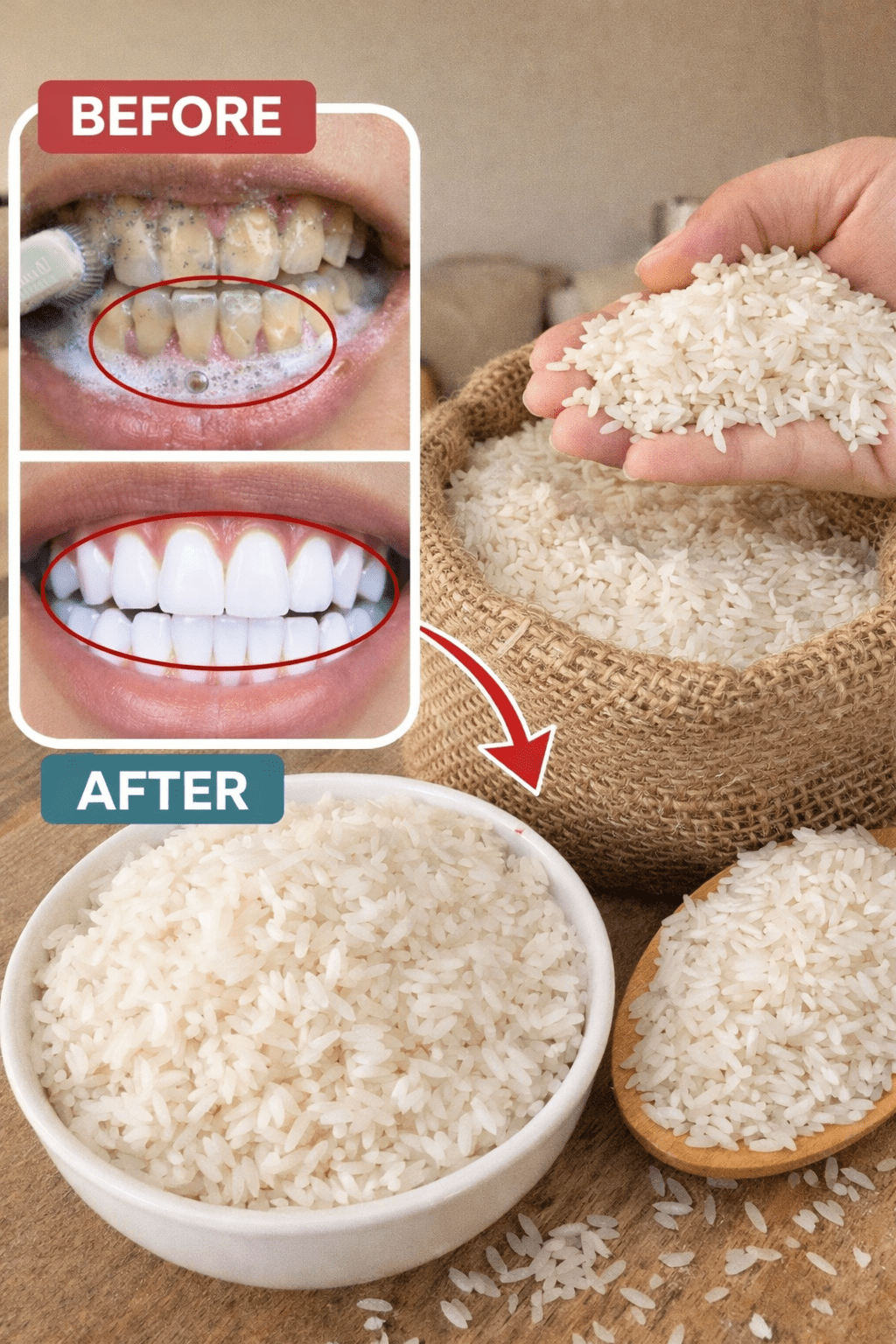
Why Teeth Lose Brightness and Tartar Forms
Plaque is a sticky film of bacteria that forms on teeth after eating. If not removed effectively, minerals from saliva cause it to harden into tartar (calculus) in as little as 24–48 hours. Tartar creates a rough surface that attracts more plaque and can make teeth appear yellower. Studies show that extrinsic stains from food and drinks adhere more easily to tartar than to smooth enamel.
The good news? Supporting a healthier oral environment with gentle daily and weekly habits can make a noticeable difference over time.
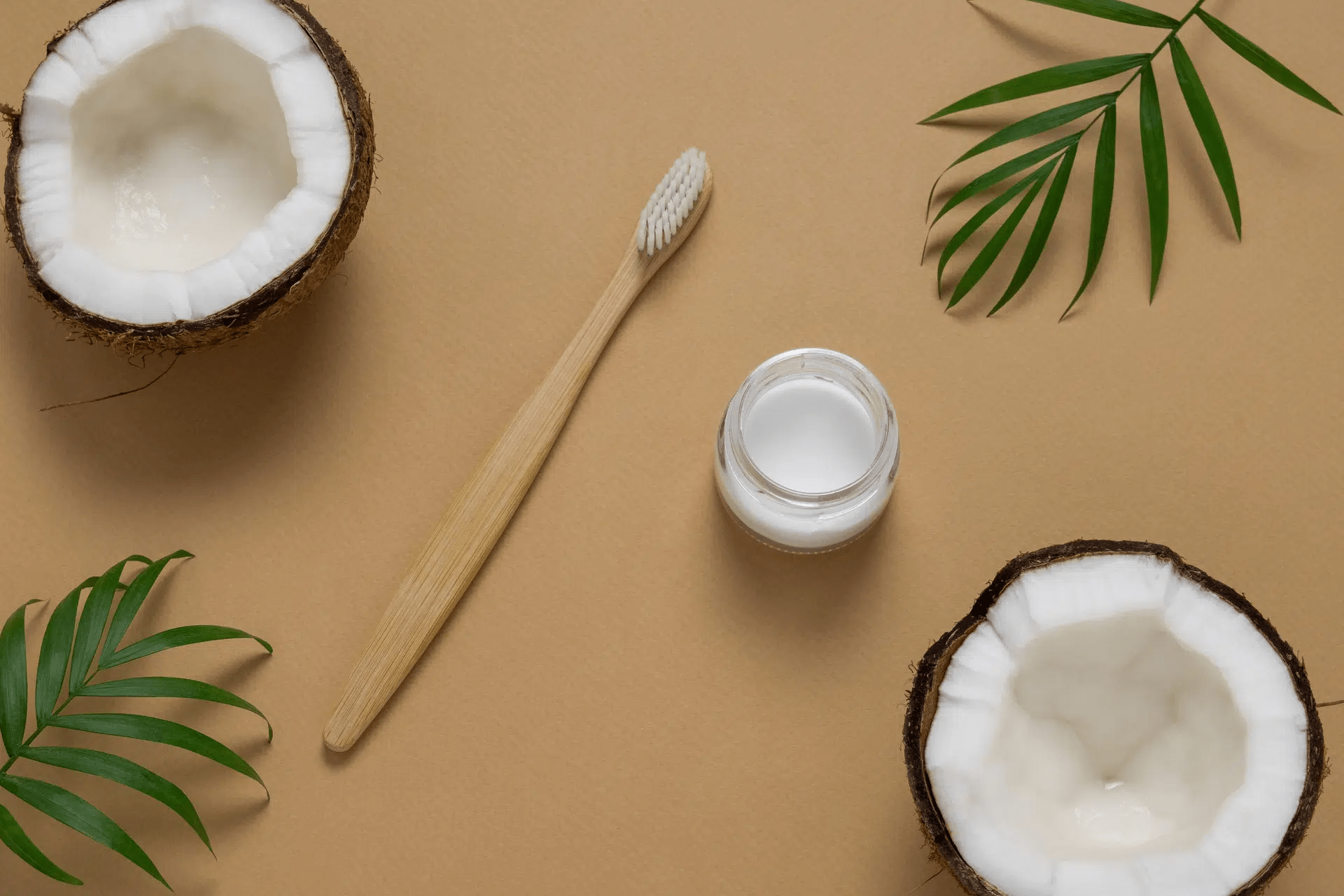
1. Oil Pulling with Coconut Oil
How to do it:
- Take 1 tablespoon of virgin coconut oil.
- Swish gently in your mouth for 10–15 minutes (start with 5 if it feels long).
- Spit into trash (not sink – it can clog pipes).
- Rinse with warm water and brush as usual.
Why it may help: Coconut oil contains lauric acid, which has shown antibacterial properties in lab studies. Some small clinical trials suggest oil pulling can reduce plaque and gingivitis when done consistently.
Frequency: Daily, ideally in the morning before brushing.
2. Gentle Baking Soda Brushing
How to do it:
- Mix ½ teaspoon baking soda with a little water to form a paste (or dip a damp toothbrush in dry baking soda).
- Brush gently for 1–2 minutes.
- Rinse thoroughly.
Why it may help: Baking soda is mildly abrasive and can help remove surface stains. Research published in the Journal of the American Dental Association has found it effective for stain removal with low risk to enamel when used in moderation.
Frequency: 2–3 times per week (not daily to avoid over-abrasion).
3. Crunchy Fruits and Vegetables as Natural Scrubbers
Best choices: Apples, carrots, celery, cucumber. How to use: Eat raw as snacks and chew thoroughly.
Why it may help: The fibrous texture provides mechanical cleaning, while chewing stimulates saliva flow – nature’s natural mouthwash that helps neutralize acids and wash away debris.
Frequency: Daily as snacks.
4. Diluted Apple Cider Vinegar Rinse (Use Sparingly)
How to do it:
- Mix 1 teaspoon raw apple cider vinegar in a large glass of water.
- Swish for 30 seconds, then spit.
- Rinse mouth with plain water afterward.
Why it may help: Its mild acidity may help soften plaque. However, vinegar is acidic, so overuse can soften enamel.
Frequency: 1–2 times per week maximum.
5. Strawberry Mash (With Caution)
How to do it: Mash 1–2 ripe strawberries, apply to teeth for 1–2 minutes, then brush and rinse well.
Why it may help: Strawberries contain malic acid, which may offer mild stain-lifting. However, evidence is limited, and the acidity can harm enamel if overused.
Frequency: Once a week at most.
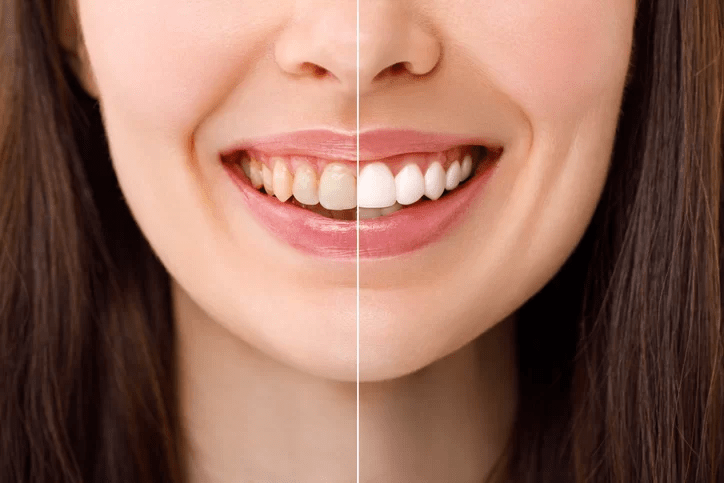
6. Clove Oil for Antimicrobial Support
How to do it: Dilute 1 drop clove essential oil in 1 teaspoon carrier oil (coconut or olive). Dab on gums with a clean cotton swab.
Why it may help: Eugenol in cloves has traditional use as an antimicrobial and soothing agent.
Frequency: 2–3 times per week. Always dilute and patch-test first.
7. Orange Peel Rub
How to do it: Rub the inner (white) side of fresh orange peel on teeth for 1–2 minutes, then rinse.
Why it may help: Mild abrasion and natural citrus compounds may contribute to freshness.
Frequency: 2–3 times per week.
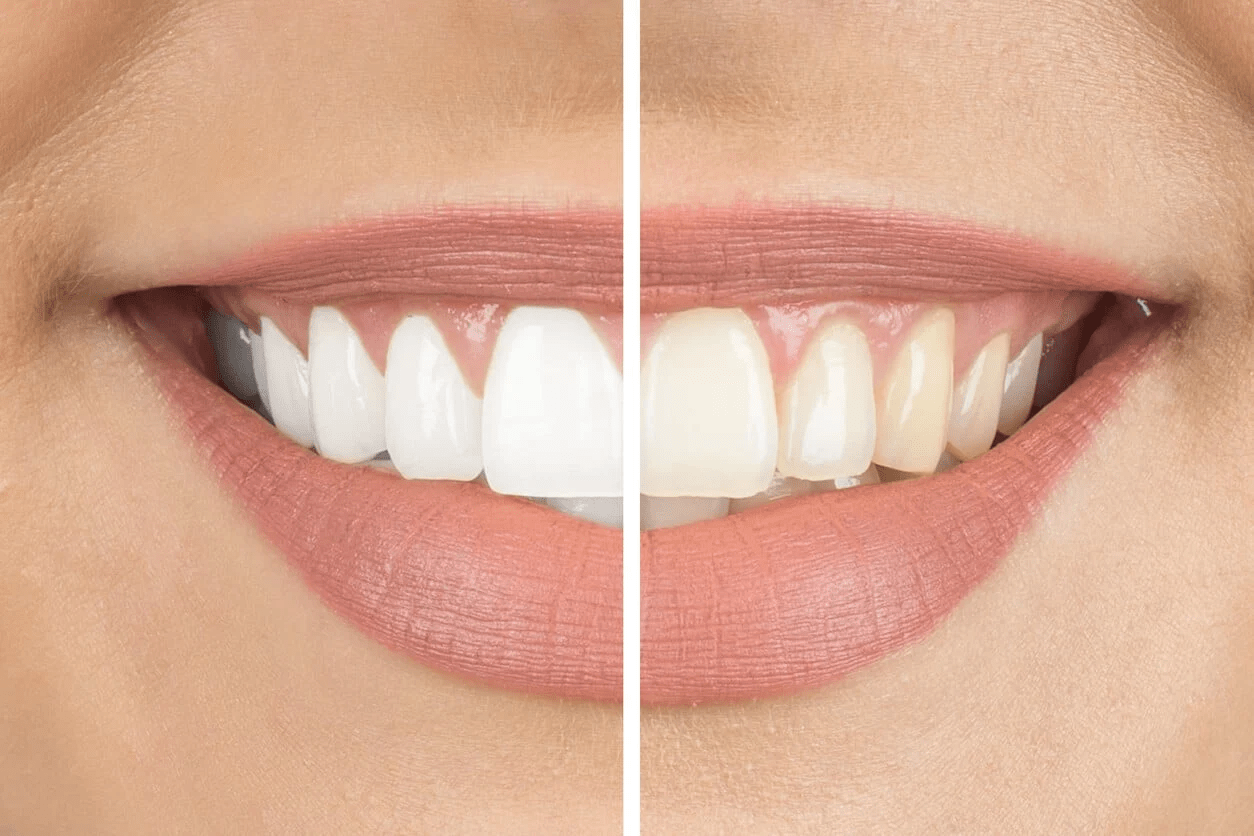
8. Sesame Seed Chewing
How to do it: Chew 1 tablespoon untoasted sesame seeds for 2–3 minutes, then brush.
Why it may help: Traditional Ayurvedic practice; seeds may help loosen debris through mechanical action.
Frequency: 2–3 times per week.
9. Diluted Hydrogen Peroxide Rinse
How to do it: Mix 1 part 3% hydrogen peroxide with 2 parts water. Swish for 30 seconds, spit, then rinse thoroughly.
Why it may help: Mild bleaching effect on surface stains.
Frequency: 1–2 times per week. Do not swallow.
10. Activated Charcoal (Sparingly)
How to do it: Dip damp toothbrush in food-grade activated charcoal powder, brush gently 1–2 minutes, rinse very well.
Why it may help: Adsorbs some surface stains.
Frequency: Once a week maximum (can be abrasive).
11. Fresh Pineapple Bites
How to do it: Eat a few small pieces of fresh pineapple after meals.
Why it may help: Contains bromelain, an enzyme that may help break down proteins in plaque.
Frequency: Daily as part of meals/snacks.
12. The Foundation: Consistent Brushing & Flossing
Non-negotiable daily habits:
- Brush twice daily for 2 minutes with a soft-bristled toothbrush and fluoride toothpaste.
- Floss once daily to remove plaque between teeth where tartar loves to hide.
- Consider an interdental brush or water flosser if traditional floss is difficult.
This one habit – thorough flossing – amplifies every other remedy on this list by preventing plaque from hardening in hard-to-reach areas.
Quick Comparison: Natural Habits vs Common Concerns
| Concern | Common Commercial Product | Natural Alternative | Key Advantage |
|---|---|---|---|
| Surface stains | Whitening strips | Baking soda, oil pulling | Gentler on enamel |
| Plaque buildup | Antibacterial mouthwash | Crunchy produce, flossing | Supports saliva flow |
| Tartar prevention | Tartar-control toothpaste | Daily flossing + oil pulling | Addresses root cause |
| Dull appearance | Whitening toothpaste | Pineapple, strawberry (limited) | Nutrient bonus from whole foods |
Final Thoughts: Start Small, Stay Consistent
You don’t need to try all 12 remedies at once. Pick 1–2 that fit your routine (like oil pulling in the morning and extra crunchy snacks) and do them consistently for 4–6 weeks. Many people notice a fresher, smoother feeling and slightly brighter appearance with time.
The real game-changer is pairing these gentle habits with excellent daily brushing and flossing, plus regular dental check-ups for professional tartar removal.
FAQ
Q: Can these remedies remove tartar that’s already hard? A: No. Hard tartar can only be safely removed by a dental professional. These habits focus on plaque prevention and surface stain reduction.
Q: Are these safe for sensitive teeth? A: Baking soda, vinegar, strawberries, and charcoal can irritate sensitive teeth or gums. Start very gently and stop if you feel discomfort.
Q: How long until I see results? A: Surface changes (smoother feel, less staining) may appear in 2–4 weeks with consistency. Brightness improvements are gradual and vary by person.
Disclaimer: This article is for informational purposes only and is not a substitute for professional dental advice. Consult your dentist or dental hygienist before trying new oral care habits, especially if you have sensitive teeth, gum disease, or other oral health conditions.


