
That familiar heaviness in your legs at the end of a long day can feel exhausting. Your ankles and feet puff up, shoes feel tight, and even simple movement brings discomfort from built-up fluid. Many people experience this mild swelling from everyday factors like standing too long or a salty meal, and it often leaves you searching for gentle relief. But here’s the good news: there’s a straightforward herbal infusion that draws on traditional plant wisdom to help your body release excess fluid naturally—and I’ll share exactly how to make and use it safely below.

Understanding Why Legs and Ankles Swell
Swelling in the lower legs, ankles, and feet—known as peripheral edema—happens when fluid accumulates in the tissues. Gravity pulls it downward, creating that tight, heavy sensation.
Common everyday triggers include:
- Prolonged sitting or standing
- A diet higher in sodium
- Hormonal shifts, like during the menstrual cycle or pregnancy
- Hot weather or reduced movement
In many cases, this is temporary and tied to lifestyle. Supporting better fluid balance through hydration, movement, and certain herbs used traditionally can make a noticeable difference.
Research on individual herbs, such as dandelion leaf, shows promising diuretic effects in small human studies, increasing urine output without major electrolyte shifts. Similarly, ginger has well-documented anti-inflammatory properties that may support circulation.
A Traditional Herbal Tea Recipe for Daily Fluid Support
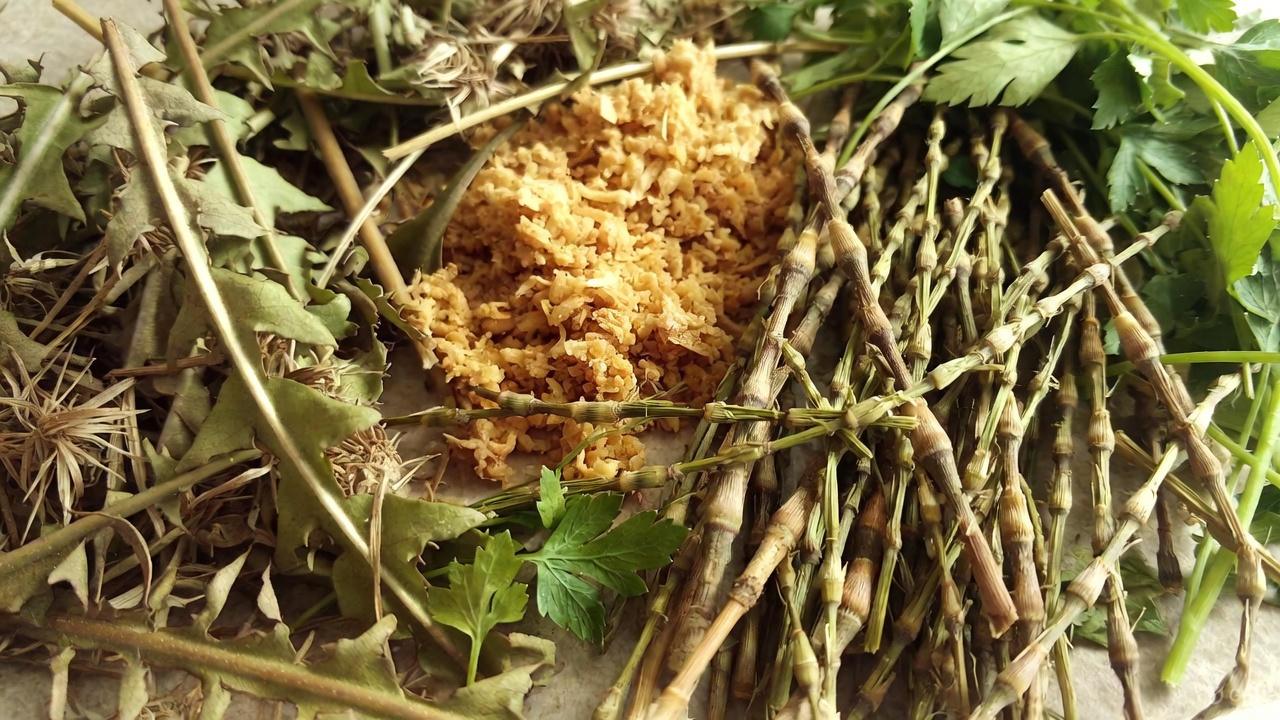
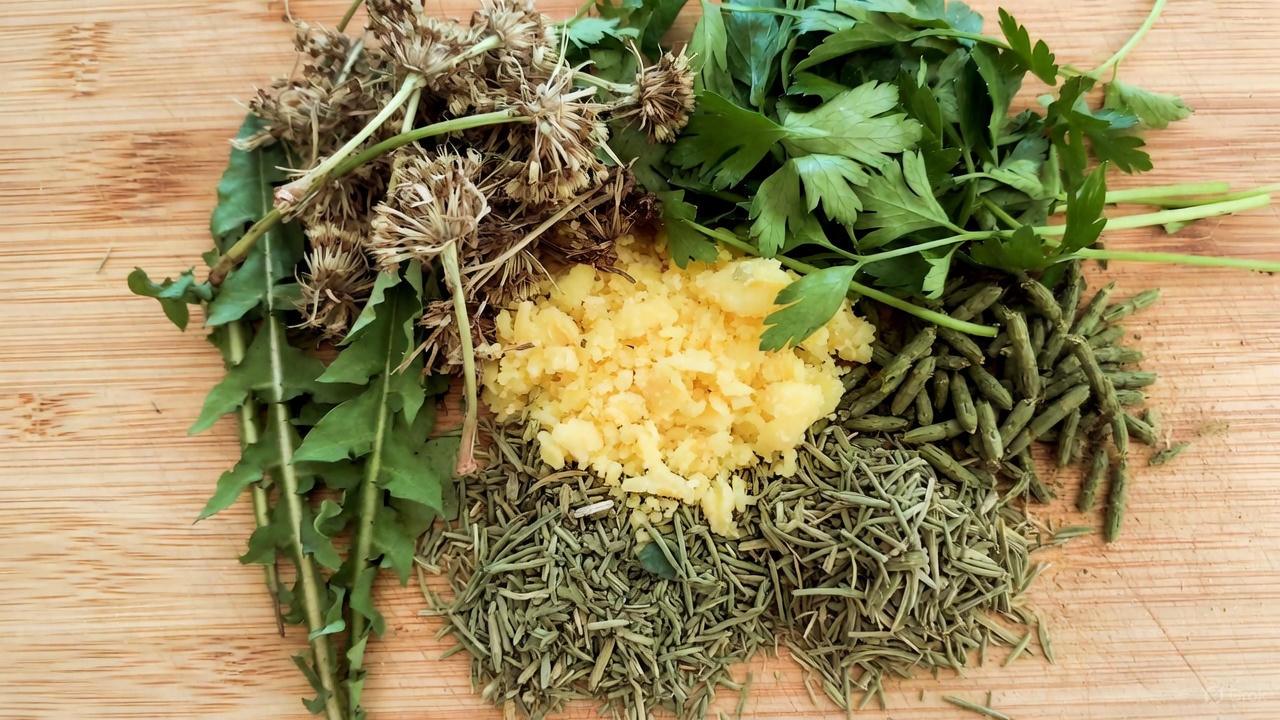
This simple infusion combines four herbs long valued in herbal traditions for promoting gentle diuresis and easing inflammation. It makes about 500 ml (two cups).
Ingredients
- 1 tablespoon dried dandelion leaves
- 1 teaspoon grated fresh ginger
- 1 teaspoon dried horsetail
- 1 teaspoon fresh parsley, finely chopped
- 500 ml water
- Juice of ½ lemon (optional, for flavor and vitamin C)
- Honey to taste (optional)
Step-by-Step Preparation
- Bring the water to a boil in a small pot.
- Add the dandelion leaves, grated ginger, horsetail, and chopped parsley.
- Lower the heat and simmer gently for 10 minutes.
- Remove from heat and let it steep for another 5 minutes.
- Strain into a cup or jar.
- Add lemon juice or honey if you like.
The tea has an earthy, slightly spicy taste from the ginger—refreshing with a bit of lemon.
How to Incorporate This Tea into Your Routine
For best results based on traditional use:
- Drink one cup in the morning, preferably on an empty stomach.
- Have another cup in the afternoon, away from meals.
Pair it with plenty of plain water throughout the day and a lower-sodium eating pattern rich in fruits and vegetables.
Suggested Cycle
- Try for 7 days in a row.
- Then take a 3-day break.
- Repeat if it feels helpful and you’re tolerating it well.
Always listen to your body and stop if anything feels off.
What Each Herb Brings to the Blend
Here’s a quick overview of why these plants are traditionally chosen:
- Dandelion leaves: Valued for centuries as a gentle diuretic; a small human pilot study found increased urine volume similar to some medications, thanks to its natural potassium content.
- Ginger: Adds warmth and supports healthy inflammation response; numerous studies highlight its role in promoting circulation and easing discomfort.
- Horsetail: Rich in silica and minerals; clinical trials suggest diuretic effects comparable to certain prescription options in healthy volunteers.
- Parsley: A classic kitchen herb with traditional diuretic use; animal research points to mechanisms that encourage fluid elimination.
- Lemon and honey (optional): Boost flavor and provide a touch of natural sweetness or brightness.
This combination aims to work synergistically for mild, everyday support.
Additional Ways to Encourage Healthy Fluid Balance
Herbal tea is just one piece. These evidence-based habits can amplify results:
- Move regularly: Short walks or ankle circles improve circulation.
- Elevate your legs: Lie down with feet above heart level for 15-20 minutes daily.
- Watch sodium: Aim for fresh foods over processed ones.
- Stay hydrated: Paradoxically, drinking water helps flush excess fluid.
Quick Daily Tips Checklist
- Drink 8-10 glasses of water
- Include potassium-rich foods like bananas, spinach, or avocados
- Add light exercise, even 10 minutes of stretching
- Reduce salty snacks
- Try compression socks if standing a lot
But that’s not all—combining these with the tea often brings the most relief.
Important Safety Considerations and Precautions
Herbal remedies can be helpful, but they’re not for everyone. Here’s what to keep in mind:
- Avoid excessive intake to prevent dehydration or electrolyte changes.
- Not recommended during pregnancy or breastfeeding without professional guidance.
- Speak with your doctor if you’re on diuretics, blood pressure meds, or have kidney concerns—horsetail and dandelion may interact.
- Those with known allergies to Asteraceae plants (like ragweed) should be cautious with dandelion.
- Limit horsetail to short cycles, as prolonged use may affect mineral balance.
If swelling is sudden, one-sided, accompanied by pain, shortness of breath, or persists despite changes, seek medical attention promptly—these could signal something more serious.
Frequently Asked Questions
How quickly can I expect to notice changes?
Many people feel lighter legs within a few days of consistent use and lifestyle tweaks, though results vary.
Can I drink this tea every day long-term?
It’s best in cycles (like 7 days on, 3 off) to allow your body balance. Long-term daily use isn’t typically recommended without breaks.
Is this safe if I have mild high blood pressure?
Ginger may support healthy blood pressure in studies, but always check with your healthcare provider, especially if medicated.
Final Thoughts
Supporting your body’s natural fluid balance doesn’t have to be complicated. This traditional herbal tea, paired with simple daily habits, offers a gentle way to ease that heavy-leg feeling many of us know too well. While rooted in longstanding herbal knowledge and backed by emerging research on the individual plants, it’s meant as supportive information—not a substitute for professional care.
Disclaimer: This article is for informational purposes only and is not intended to diagnose, treat, cure, or prevent any disease. Always consult a qualified healthcare professional before starting any new herbal regimen, especially if you have health conditions or take medications.


