Struggling with thinning hair that seems to lack shine and strength no matter what products you try? It can feel frustrating when daily stress, poor scalp circulation, or imbalances leave your hair feeling dull and prone to falling out, affecting your confidence in small but noticeable ways. Many people face similar challenges with occasional discomfort from muscle tension, digestive unease after meals, or skin that shows early signs of environmental stress.
But here’s the good news: two common kitchen herbs—rosemary and cloves—have been used for generations to support these areas naturally. And when combined thoughtfully, they may offer even more noticeable benefits. Keep reading to discover exactly how this simple duo works, backed by emerging research, and a surprising at-home tip that could make a real difference in your routine.

Why Rosemary and Cloves Are Gaining Attention for Natural Wellness
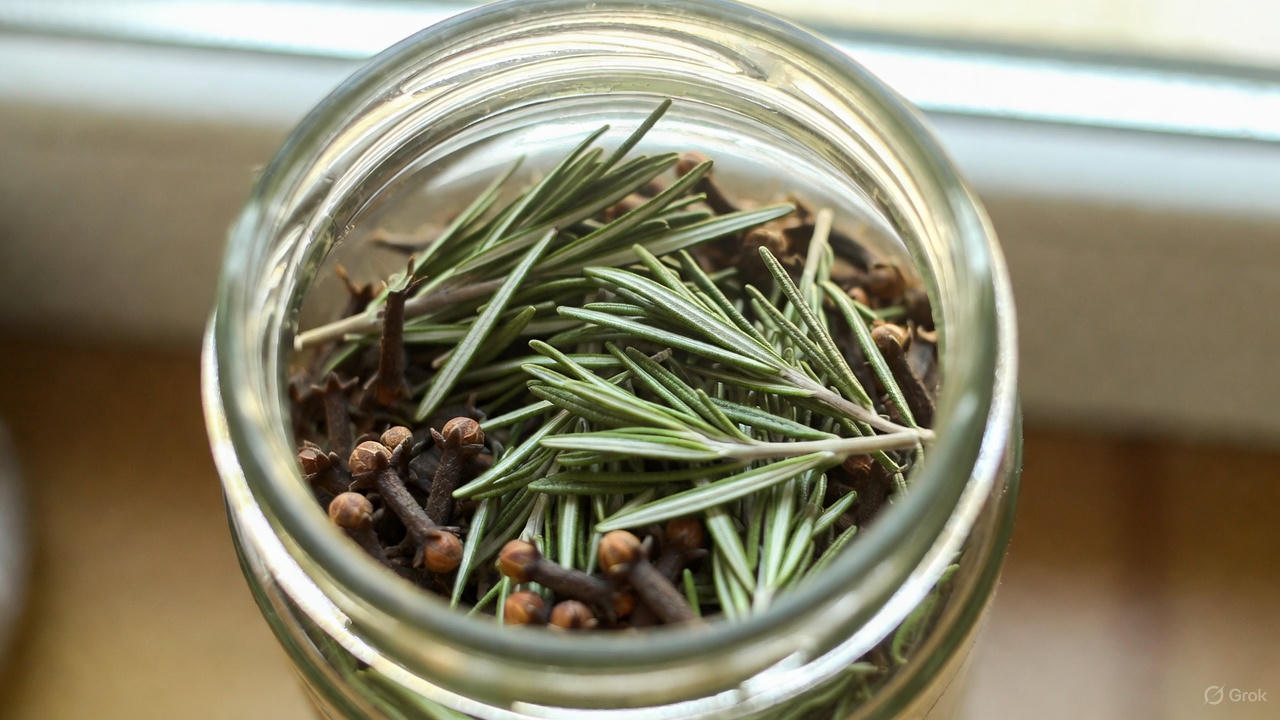
Rosemary and cloves each bring unique properties to the table. Rosemary is packed with compounds like rosmarinic acid and carnosic acid, known for their antioxidant effects. Cloves, rich in eugenol, add antimicrobial and soothing qualities.
Together, they create a complementary blend that many find helpful for everyday concerns. Research, including studies on essential oils, suggests these herbs may support scalp circulation, comfort during minor aches, and a balanced feel in digestion and skin.
But that’s just the start…
Supporting Healthy Hair and Scalp with Rosemary and Cloves
Thinning hair or an itchy scalp can stem from poor circulation or microbial imbalances. Rosemary has shown promise in improving blood flow to hair follicles, potentially nourishing them better.
One notable study compared rosemary oil to a common topical hair product and found similar improvements in hair count after six months. Cloves contribute eugenol, which has antifungal and antibacterial properties that may help maintain a cleaner scalp environment.
When used regularly:
- Massage a diluted infusion into the scalp to encourage shine and resilience.
- Many notice stronger-feeling strands over time.
- It may also help reduce occasional flakiness.
The real game-changer? Consistent gentle application—more on a simple recipe later.
How This Duo May Help Soothe Occasional Muscle and Joint Discomfort
After a long day or workout, muscle stiffness is common. Rosemary’s anti-inflammatory compounds can provide a calming effect when applied topically.
Cloves’ eugenol acts as a natural analgesic in traditional use, offering a warming sensation that eases tension. Studies on eugenol highlight its potential to support comfort in sore areas.
Try this:
- Apply a warmed oil blend to affected spots with light circles.
- Use twice daily for gradual relief.
- Combine with rest for best results.
This isn’t just folklore—lab research backs the soothing potential.
Promoting Comfortable Digestion and Reducing Occasional Bloating
Heavy meals can leave you feeling bloated and uncomfortable. Rosemary traditionally aids digestive flow, while cloves are carminative, meaning they help ease gas.
Sipping a warm tea made from these herbs after eating may support smoother digestion. Animal studies suggest rosemary helps with bile production, and cloves promote enzyme activity.
Benefits people report:
- Less post-meal heaviness.
- A lighter feeling overall.
- Better comfort during busy days.
Here’s the interesting part: pairing them in tea amplifies the gentle support.
Antioxidant Support for Healthier-Looking Skin
Environmental factors like sun and pollution create oxidative stress, leading to dull or uneven skin. Rosemary’s antioxidants, like carnosic acid, help protect cells from free radicals.
Recent studies show rosemary extracts may aid wound healing and reduce inflammation. Cloves add antimicrobial help, beneficial for blemish-prone skin.
For daily use:
- Dab diluted oil on concerned areas.
- Support radiance and texture.
- Enjoy a more even tone with consistency.
Research even points to potential anti-aging effects from these compounds.
Key Natural Properties Backed by Research
Properties of Rosemary
- Antioxidant-rich: Neutralizes free radicals (studies on carnosic and rosmarinic acids).
- Circulation-supporting: Improves scalp and skin blood flow.
- Anti-inflammatory: Calms occasional swelling.
- Digestive aid: Traditionally used for comfort.
Properties of Cloves
- Eugenol-powered: Provides analgesic and antimicrobial effects.
- Carminative: Eases gas and bloating.
- Antioxidant: Protects against oxidative damage.
- Soothing: Supports minor pain relief.
| Aspect | Rosemary Benefits | Cloves Benefits | Combined Potential |
|---|---|---|---|
| Hair & Scalp | Circulation, antioxidant protection | Antimicrobial, antifungal | Stronger, healthier-feeling hair |
| Comfort | Anti-inflammatory | Analgesic (pain-soothing) | Natural muscle/joint support |
| Digestion | Bile stimulation | Gas reduction | Lighter post-meal feel |
| Skin | Cell protection | Bacteria-fighting | Radiant, balanced complexion |
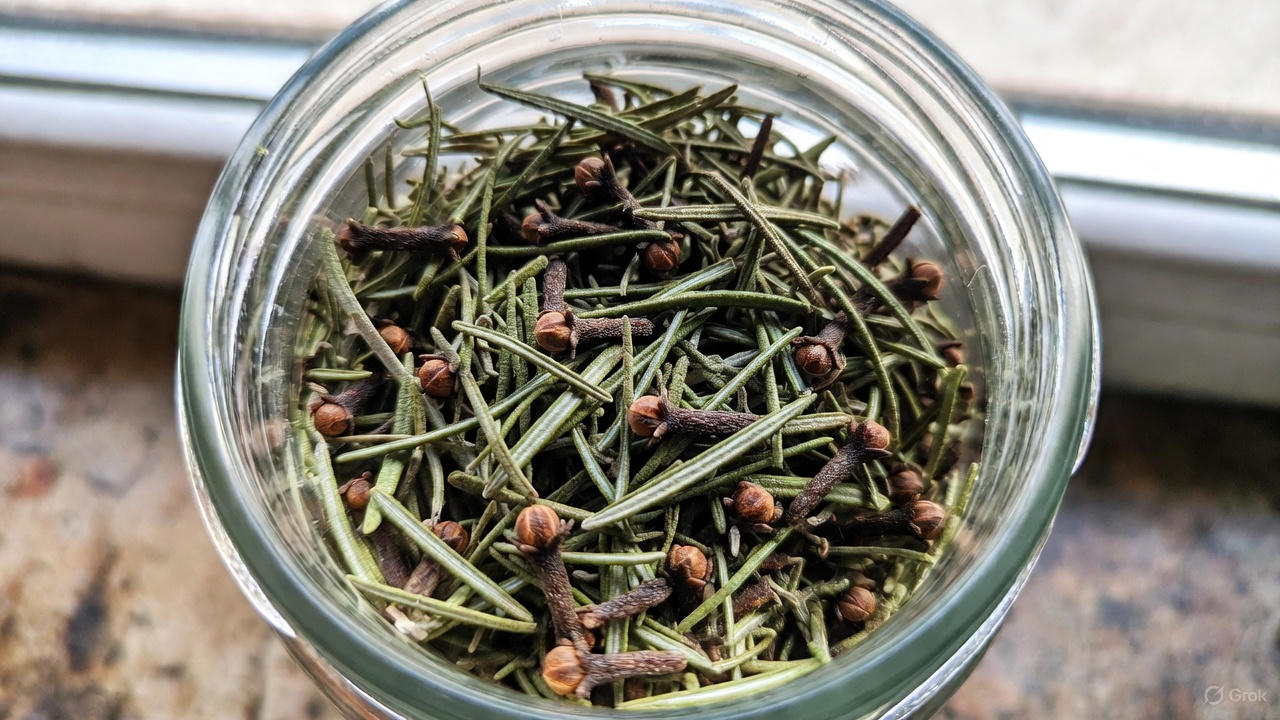
Easy Homemade Rosemary and Clove Infused Oil Recipe
Making your own blend is straightforward and cost-effective.
Ingredients:
- 1 tablespoon dried rosemary leaves (or fresh)
- 1 tablespoon whole cloves
- 200 ml carrier oil (olive, coconut, or almond)
Step-by-Step Preparation:
- Add rosemary and cloves to a clean glass jar.
- Pour oil over until fully covered.
- Seal and place in a warm, dark spot for 2 weeks.
- Shake gently every few days.
- Strain into a dark bottle for storage.
This oil lasts months when kept cool.
Practical Ways to Incorporate It Daily
- For hair: Warm a small amount, massage into scalp, leave 30 minutes, then shampoo.
- For comfort: Rub on sore muscles or joints morning and night.
- For skin: Apply sparingly to face or spots (dilute further if needed).
- For digestion: Steep 1 tsp each in hot water for tea—sip after meals.
Start slow to see what works best for you.
But wait—there’s one precaution that changes everything…
Important Safety Tips and Precautions
Always patch test on inner arm for 24 hours before full use—irritation is rare but possible.
Dilute properly; undiluted oils can sensitize skin.
Avoid large oral amounts of cloves, as they may irritate the stomach.
Pregnant or breastfeeding? Consult a doctor first, as high doses aren’t recommended.
If you have bleeding concerns or take medications, check for interactions.
These herbs are generally safe in moderation, but individual responses vary.
Wrapping It Up: A Simple Addition to Your Wellness Routine
Rosemary and cloves offer a natural, research-supported way to support hair vitality, everyday comfort, digestive ease, and skin glow. With antioxidants, anti-inflammatory compounds, and more, this duo fits seamlessly into home remedies.
Try the infused oil or tea consistently—you might be surprised by the subtle shifts.
Frequently Asked Questions
1. How long until I notice changes with rosemary and cloves for hair?
Many see improvements in shine and strength after 4-6 weeks of regular use, though hair growth support may take months, similar to studies on rosemary oil.
2. Can I use this blend daily for digestion?
Yes, a mild tea once or twice daily is common and gentle for most. Listen to your body and start with small amounts.
3. Is it safe to apply the oil directly to skin?
Diluted yes, but always patch test. For sensitive skin, mix with more carrier oil.
Disclaimer: This information is for educational purposes only and not intended to diagnose, treat, or prevent any condition. Consult a healthcare professional before starting new remedies, especially if pregnant, nursing, or on medications.
(Word count: approximately 1350)