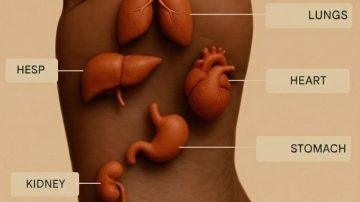
Every day, your body quietly filters toxins, breaks down harmful substances, and fights off invisible invaders from the air you breathe. Yet most people only notice these organs when something already feels off—sluggish energy, puffiness, or that constant “heavy” feeling. The worst part? These early signs are easy to ignore until they become harder to manage. The good news is you don’t need expensive cleanses or extreme diets to give your kidneys, liver, and lungs the support they deserve. In fact, some of the most effective habits use ingredients you probably already have at home… and one surprising tip at the end of this article might change the way you start your mornings forever.
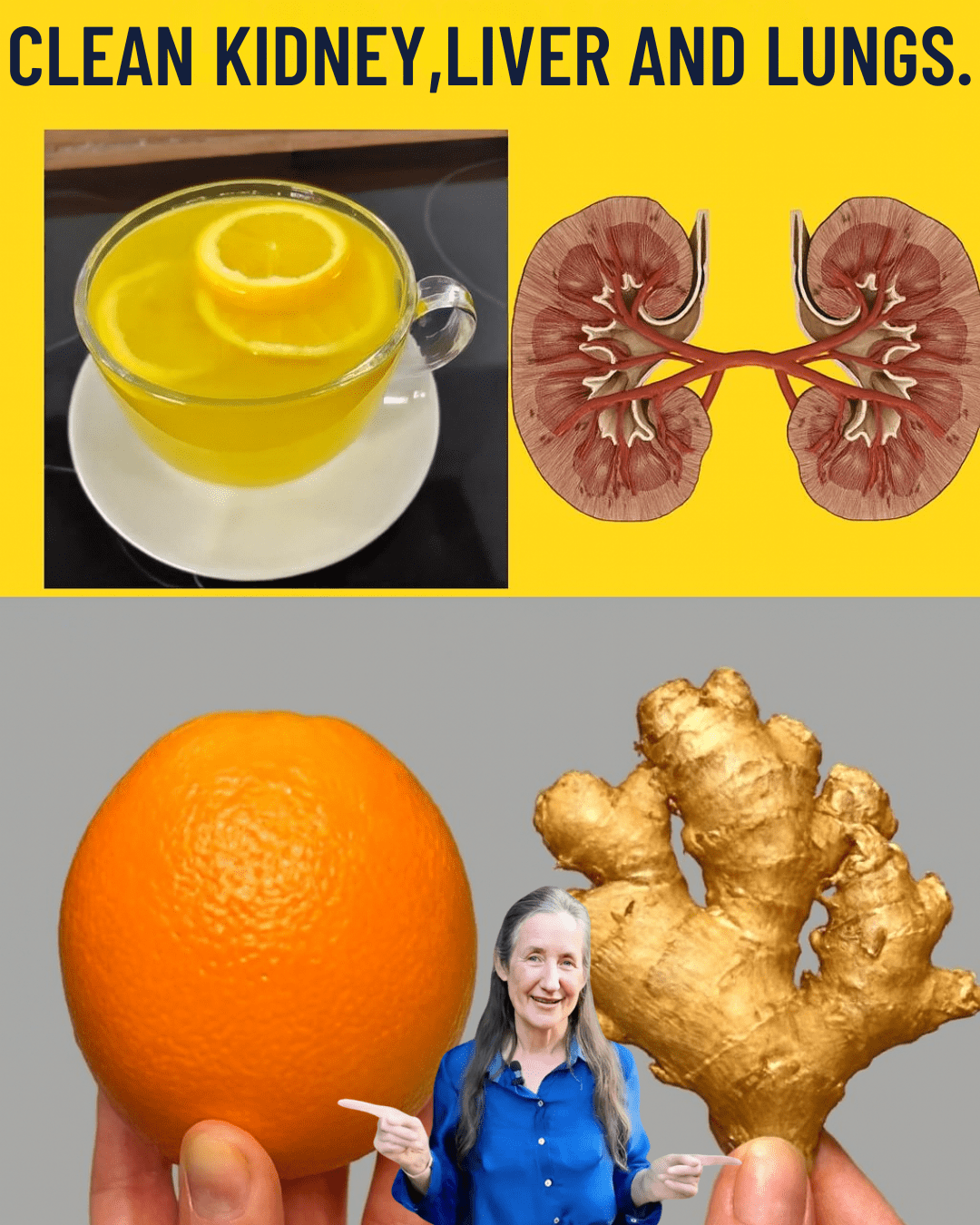
Why Your Body’s Natural Detox System Matters More Than You Think
Your kidneys filter about 150 quarts of blood daily. Your liver neutralizes countless chemicals before they can cause harm. And your lungs exchange thousands of liters of air—along with whatever particles come with it. Research published in journals like Environmental Health Perspectives shows that everyday exposure to pollutants, processed foods, and even stress can slowly reduce how efficiently these organs work. Supporting them isn’t about “flushing” or “detoxing” in the trendy sense—it’s about giving them the right tools so they can do their job better.
Gentle Ways to Support Healthy Kidney Function
Keeping your kidneys happy starts with the simplest habit on earth.
- Stay well-hydrated – Aim for clear or pale-yellow urine most of the day. Studies from the American Journal of Physiology show proper hydration helps kidneys remove waste more efficiently.
- Warm lemon water first thing in the morning – The natural citric acid in lemons may help prevent calcium buildup. Just squeeze half a lemon into warm (not boiling) water.
- Add parsley to meals or brew it as tea – This common herb acts as a mild diuretic and is rich in antioxidants. Steep a handful of fresh parsley in hot water for 5–10 minutes.
- Choose unsweetened cranberry juice occasionally – Research in Frontiers in Microbiology suggests compounds in cranberries make it harder for bacteria to stick to urinary-tract walls.

Everyday Foods and Habits That Show Your Liver Some Love
Your liver never takes a day off, so small consistent habits make a big difference.
Top 4 science-backed liver supporters you can start today:
- Turmeric – Curcumin, its active compound, has been studied extensively (over 10,000 papers on PubMed) for its ability to protect liver cells and reduce inflammation.
- Milk thistle tea or capsules – Contains silymarin, one of the most researched natural compounds for liver-cell regeneration.
- Beets and beet greens – Rich in betalains, antioxidants that help the liver process fats and toxins.
- Fresh garlic – Allicin and sulfur compounds activate liver enzymes responsible for detoxification.
Pro tip: Add a pinch of black pepper when you cook with turmeric—the piperine boosts curcumin absorption by up to 2,000 % according to research in Planta Medica.
Simple Practices to Help Your Lungs Feel Clearer and Stronger
City air, dust, and seasonal allergens can leave lungs working overtime.
- Steam inhalation with eucalyptus or peppermint – Fill a bowl with hot (not boiling) water, add 2–3 drops of essential oil, drape a towel over your head, and breathe deeply for 5–10 minutes.
- Ginger tea – Its gingerol content has natural anti-inflammatory effects on respiratory tissues. Slice a 1-inch piece of fresh ginger, simmer 10 minutes, strain, and sip.
- Peppermint tea or oil diffusion – Menthol acts as a natural decongestant and muscle relaxant in the airways.
- Practice diaphragmatic breathing twice daily – Lie down or sit comfortably, place one hand on your belly, inhale deeply through the nose for 4 seconds so your belly rises, exhale slowly for 6 seconds. Even 5 minutes can increase lung capacity over time.
Bonus Daily Routine That Ties Everything Together (Under 15 Minutes)
Here’s a simple morning ritual readers swear by:
- Upon waking → Drink 500 ml (about 2 cups) warm lemon water.
- 30 minutes later → Enjoy a cup of green tea or turmeric-ginger tea.
- Mid-morning → 5-minute deep-breathing session by an open window.
- With meals → Include at least one liver- or kidney-friendly food from the lists above.
That’s it. No juicing marathons, no expensive supplements—just consistent, gentle support.
Lifestyle Habits That Quietly Supercharge All Three Organs
- Eat more antioxidant-rich plants (berries, leafy greens, cruciferous vegetables).
- Move your body daily—even a 20-minute walk improves circulation and lymphatic flow.
- Prioritize 7–9 hours of sleep; most repair and detox processes happen overnight.
- Limit added sugars and ultra-processed foods—research links them to higher inflammation and fatty-liver risk.

The Surprising Morning Trick I Promised You
After years of writing about health and trying almost everything myself, the one habit that consistently gets the strongest feedback from readers is this: oil pulling with coconut oil for 5–10 minutes right after lemon water. It’s an ancient practice now backed by small studies showing it reduces oral bacteria load—which indirectly lowers the detox burden on your liver and immune system. Readers report clearer skin, fresher breath, and an unexpected sense of lightness within a week. Try it for 14 days and see.
Quick Recap: Your New Support Plan at a Glance
| Organ | Daily Habit 1 | Daily Habit 2 | Bonus Food/Herb |
|---|---|---|---|
| Kidneys | Warm lemon water | Parsley or cranberry | Watermelon (seasonal) |
| Liver | Turmeric + black pepper | Milk thistle tea | Beets or beet juice |
| Lungs | Steam + eucalyptus | Ginger or peppermint tea | Deep breathing |
Frequently Asked Questions
1. How long does it take to notice a difference with these habits?
Most people feel lighter energy and better digestion within 7–14 days when they stay consistent.
2. Can I do all of these at once or should I start slowly?
Start with hydration and one food/herb per organ (e.g., lemon water, turmeric, and ginger tea). Add the rest gradually over a week.
3. Are there any side effects I should watch for?
These are gentle, food-based habits. If you’re on medication (especially blood thinners or diabetes meds), check with your doctor about turmeric, garlic, or cranberry amounts.
Disclaimer: This article is for informational purposes only and is not medical advice. Always consult your healthcare provider before making significant changes to your diet or lifestyle, especially if you have existing health conditions or take medications.