
Many women over 40 notice changes in their skin, such as fine lines, uneven tone, or dullness from daily life and environmental factors. These common concerns can feel frustrating when everyday routines don’t seem to make a difference. But there’s growing interest in natural ingredients that may offer gentle support.
What if a simple kitchen staple like ginger could be part of your daily habits to promote healthier-looking skin? Research suggests its compounds, like gingerol, have antioxidant and anti-inflammatory properties that might help. Keep reading to explore the potential ways ginger supports skin health—and discover easy tips to try at home.
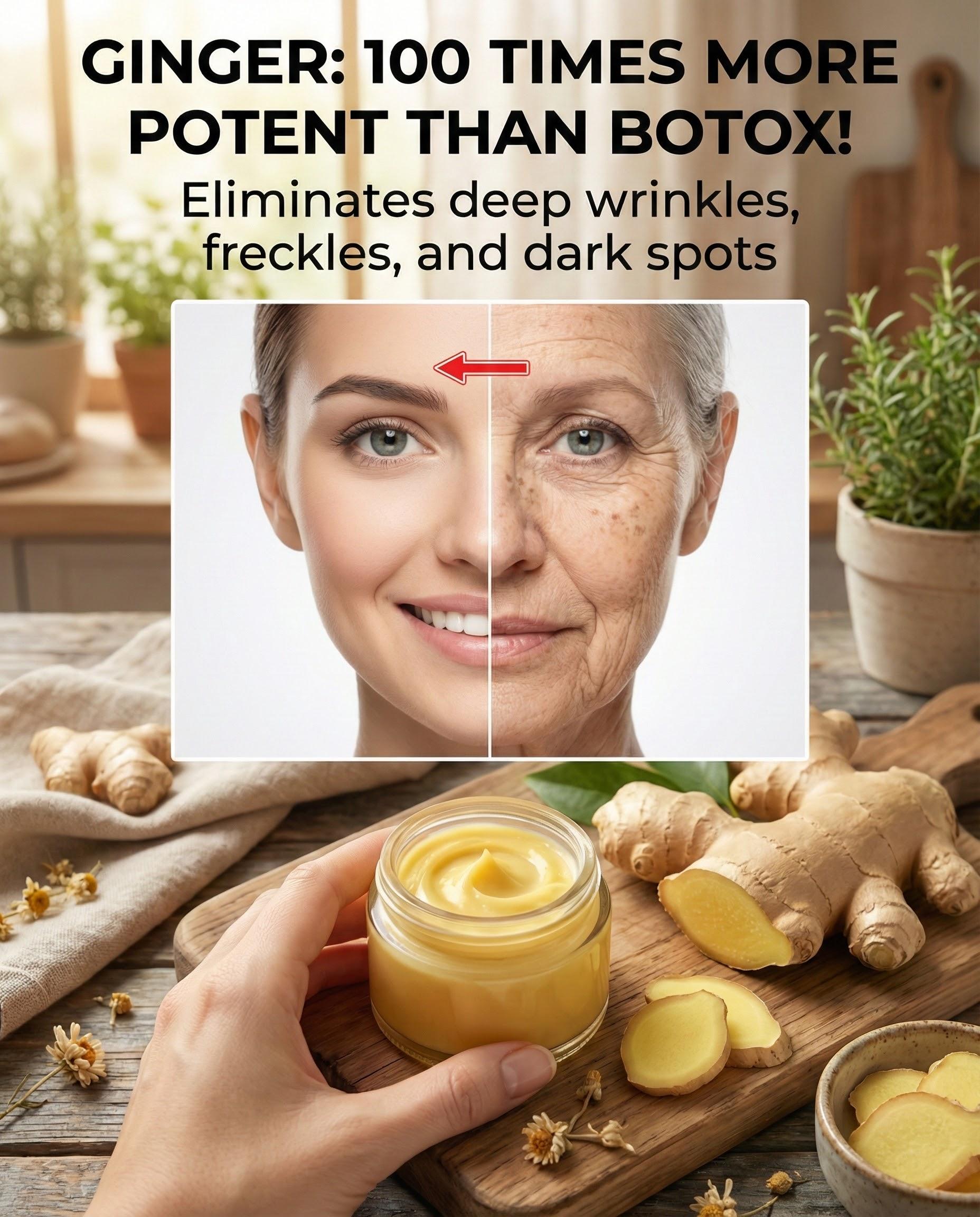
Why Skin Changes Happen More Noticeably After 40
As we age, natural processes slow down. Collagen production decreases, and exposure to sun, pollution, and stress adds up over time.
Studies show that oxidative stress from free radicals plays a big role in visible aging signs. Inflammation can also contribute to redness or uneven texture.
Many people try various creams or treatments, but adding antioxidant-rich foods or ingredients might provide extra support from within and outside.
Ginger stands out here. It contains over 40 antioxidants, according to reviews of its properties.
But that’s just the start…
What Research Says About Ginger’s Potential for Skin
Ginger has been studied for its bioactive compounds, mainly gingerol and shogaols.
- Antioxidant effects: These help neutralize free radicals, which may protect skin cells. One systematic review highlights ginger’s strong antioxidant activity.
- Anti-inflammatory properties: Gingerol can calm inflammation, potentially reducing redness or puffiness.
- Circulation boost: Improved blood flow might support nutrient delivery to skin.
Topical use shows promise too. Animal studies suggest ginger extract may help maintain elasticity by inhibiting enzymes that break down collagen.
Human observations, like from dermatologists, note brighter tone and soothed irritation with ginger-based products.
Here’s a quick comparison of common skin concerns and ginger’s researched properties:
| Skin Concern | Common Approach | Ginger’s Potential Support (From Studies) |
|---|---|---|
| Fine lines | Moisturizers or serums | Antioxidant protection; may support collagen |
| Uneven tone/spots | Brightening ingredients | May help even pigmentation |
| Dullness | Exfoliation | Circulation and antioxidant glow |
| Redness/inflammation | Calming creams | Anti-inflammatory effects |
The truth is, ginger won’t replace medical treatments, but it may complement your routine naturally.
This is where it gets interesting…
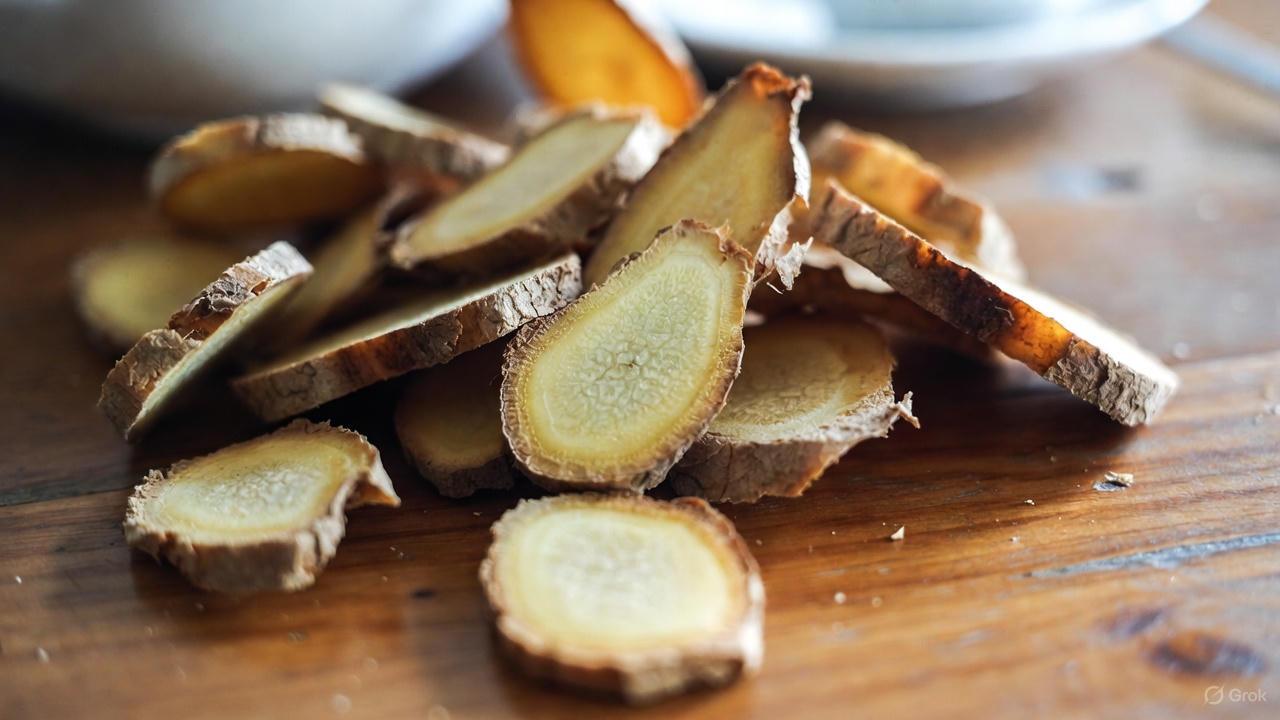
Easy Ways to Incorporate Ginger for Skin Support
Start small for best results. Always patch test topical applications on your inner arm first.
Daily Ginger Tea for Internal Support
Drinking ginger tea provides antioxidants systemically.
How to make it:
- Slice 1-inch fresh ginger root.
- Boil in 2 cups water for 10 minutes.
- Strain and add lemon or honey for taste.
- Enjoy 1-2 cups daily.
Research links regular ginger intake to overall anti-inflammatory benefits.
Simple Topical Ginger Mask
Fresh ginger may offer direct contact benefits.
Basic recipe (2-3 times weekly):
- Grate 1 tablespoon fresh ginger.
- Mix with 1 tablespoon honey (soothing) and a splash of yogurt.
- Apply to clean face for 10-15 minutes.
- Rinse with lukewarm water.
Honey adds moisture, while ginger provides that warming tingle—indicating circulation.
For sensitive skin, dilute more or use ginger-infused oil.
Pro tip: Use fresh root for higher gingerol content, as studies suggest it’s more potent than powder.
Ginger Scrub for Gentle Exfoliation
Combine with natural ingredients for smoother texture.
Recipe:
- 1 tablespoon grated ginger
- 2 tablespoons oatmeal
- 1 tablespoon coconut oil
Massage gently, then rinse. This may help remove dead cells while delivering antioxidants.
But wait—there’s more to explore…
Additional Potential Benefits Backed by Early Research
- Brighter complexion: Antioxidants may combat dullness from environmental stressors.
- Calmer skin: Anti-inflammatory action could soothe occasional redness.
- Even tone support: Some compounds might influence melanin production mildly.
Dermatologists note ginger’s toning effect in products for hypopigmented scars.
One review mentions topical ginger helping prevent UV-induced elasticity loss in models.
Results vary, but consistency is key—think weeks, not days.
Safety Tips and Precautions
Ginger is generally safe, but:
- Topical use might cause tingling or irritation—especially raw ginger.
- Dilute for sensitive skin.
- Avoid eyes and open wounds.
- Consult a doctor if pregnant, breastfeeding, or on medications (ginger can thin blood slightly).
Patch testing is essential.

Conclusion: A Gentle, Natural Addition to Your Routine
Incorporating ginger—through tea, masks, or products—might support your skin’s natural radiance, even tone, and comfort after 40.
Its antioxidant and anti-inflammatory properties, highlighted in studies, make it a worthwhile exploration.
Start with one habit today, like a warm ginger tea, and notice how your skin feels over time.
Small, consistent steps often lead to the most noticeable differences.
Frequently Asked Questions
1. How long until I might see changes from using ginger on skin?
Individual results vary, but studies on similar antioxidants suggest 4-8 weeks of regular use for potential improvements.
2. Can I use ginger if I have sensitive skin?
Yes, but start diluted (e.g., in oil or cream). Patch test first, as raw ginger may tingle.
3. Is fresh or powdered ginger better for skin support?
Fresh often has higher active compounds like gingerol, per research comparisons.
This article is for informational purposes only and is not intended as medical advice. Consult a healthcare professional before trying new routines, especially if you have skin conditions or concerns.
(Word count: approximately 1280)


