By the end of a long day staring at screens, many people feel that familiar discomfort—eyes that feel dry, heavy, and irritated, with a slight redness or that gritty sensation like sand under the lids. This kind of eye fatigue has become incredibly common in our digital world, where hours blend into constant focus on computers, phones, and tablets, often in dry indoor air. It’s frustrating and distracting, making it hard to unwind or even fall asleep comfortably.
But that’s not all—prolonged screen time can make these feelings linger longer than you’d like, affecting your overall sense of relaxation. The good news? Many people are turning back to simple, traditional home practices for gentle external relief. And there’s one lesser-known tip that can enhance the experience even more—keep reading to discover it toward the end.
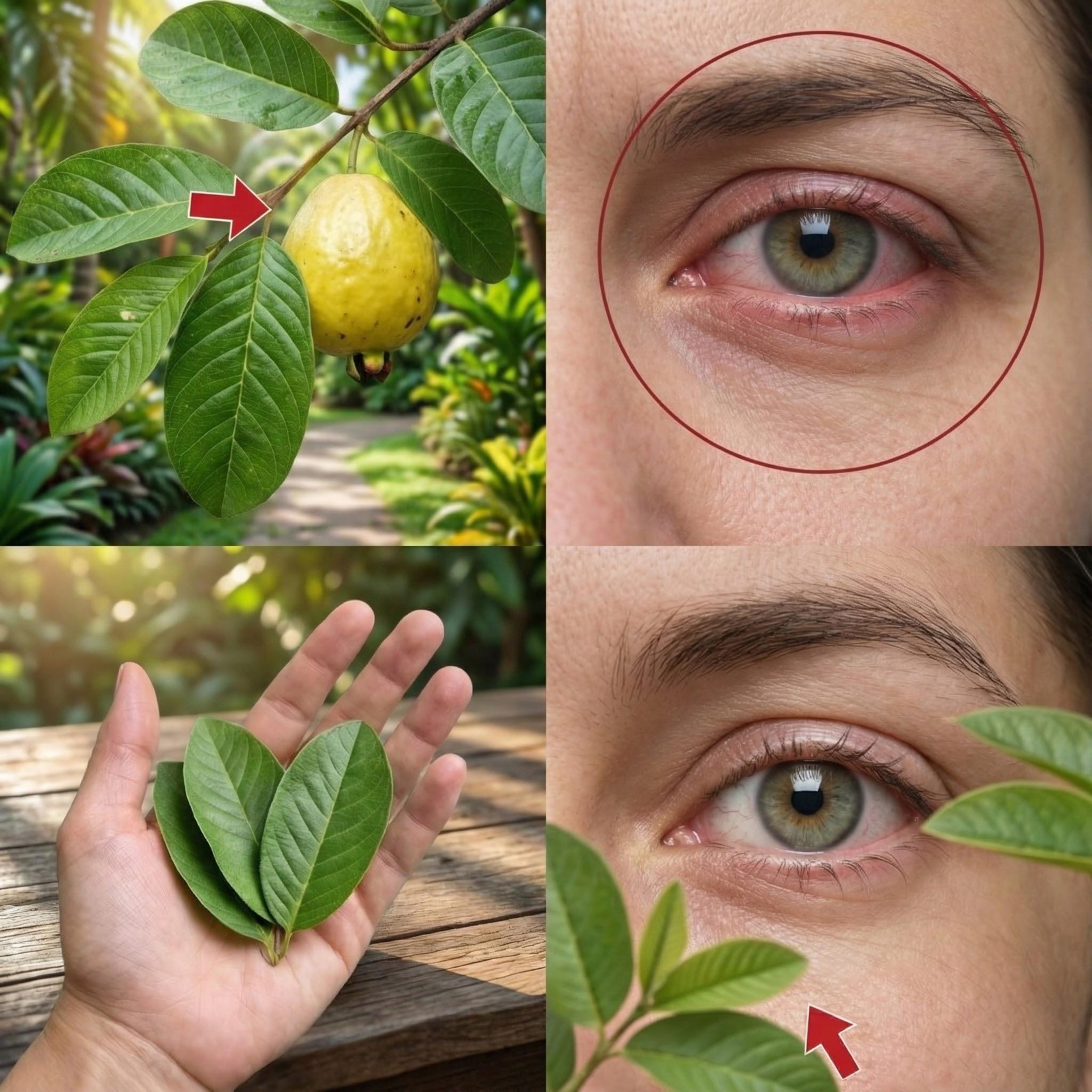
Why Do Our Eyes Feel So Tired in Modern Life?
In today’s world, we’re constantly demanding a lot from our eyes. From morning emails to evening streaming, we’re often glued to glowing screens under artificial lighting or in air-conditioned spaces that dry out the air around us.
This can lead to common discomforts like:
- Dryness and a gritty feeling
- Mild redness
- A sense of heaviness in the eyelids
- Temporary blurred vision
- Increased sensitivity to light
Research shows that extended screen use reduces blink rate, which naturally decreases eye surface moisture. While these issues are widespread, simple habits and natural approaches can help provide soothing external comfort.
What Makes Guava Leaves a Popular Traditional Choice?
The guava tree (Psidium guajava) is a familiar sight in many tropical and subtropical regions, loved for its fruit but also valued traditionally for its leaves. These leaves contain natural compounds like flavonoids (including quercetin), antioxidants, and vitamin C.
In traditional practices across Latin America, Asia, and other areas, a simple infusion from guava leaves has been used externally in compresses or gentle washes to offer a cooling, refreshing sensation around the eyes.
People often report these gentle benefits from traditional use:
- Immediate cooling comfort when applied cold
- A soothing feel that helps eyes appear less red from fatigue
- Relaxation of tension around the eyelids
- Gentle external hydration in dry environments
- A calming ritual after long screen sessions
Studies note that guava leaves are rich in antioxidants, which may support overall tissue health against daily stressors.
Common Ways People Use Guava Leaf Infusion for Eye Comfort
Here’s a breakdown of the most mentioned traditional benefits:
- Quick cooling sensation – Like a gentle refresh for closed eyes.
- Reduced feeling of eyelid heaviness – Helpful after focused tasks.
- Less visible redness – Eyes look more rested.
- Soft external moisture – Especially in dry air.
- Eased mild irritation – From dust or extended focus.
- Gentle contour cleansing – Without harshness.
- Better end-of-day comfort – Ideal before bed.
- Overall refreshed feeling – Eyes feel more relaxed.
- Antioxidant support – From compounds like flavonoids.
Quick Comparison: Guava Leaves vs. Guava Fruit
| Part of the Plant | Common Use | Key Compounds | How It’s Typically Used |
|---|---|---|---|
| Leaves | External soothing (compresses) | Flavonoids, quercetin, antioxidants | Simple infusion for compresses |
| Fruit | Internal nutrition | Vitamin C, vitamin A precursors, fiber | Eaten fresh or in juices |
| Both | Combined approach | Full range of nutrients and external calm | Daily fruit + occasional leaf compress |
Using both can provide complementary support—one for nutrition inside, the other for gentle external care.
How to Prepare a Simple Guava Leaf Infusion Safely (Step-by-Step Guide)
The key is always hygiene and external use only. This is a straightforward traditional method anyone can try at home.
Ingredients:
- 5–8 fresh guava leaves (or 3–4 dried)
- About 1 cup (300 ml) clean drinking water
Steps:
- Thoroughly wash the leaves under running water to remove any dirt.
- Boil the water in a clean pot.
- Turn off the heat, add the leaves, cover, and let steep for 12–15 minutes.
- Strain through a fine sieve.
- Cool to room temperature, or refrigerate for a colder version.
Store in a clean container in the fridge for up to 24 hours.
Three Easy Ways to Use the Infusion Externally
- Cool Compress (Most Popular)
Soak sterile cotton pads or gauze in the cooled infusion. Lie back, close your eyes, and place one on each eyelid for 8–12 minutes. Breathe deeply—it’s a great mini-break. - Gentle Contour Wash
With room-temperature infusion, lightly dab around the eye area using a fresh cotton pad. Always with eyes closed, moving gently outward—no rubbing. - Morning Refresh
Use at room temperature to gently wake up the eye area before starting your day.
Important Safety Tips to Keep in Mind
- Always prioritize cleanliness: Wash leaves well and use clean tools.
- Never apply hot infusion directly.
- Use externally only—do not put into the eyes.
- Use fresh cotton or gauze each time.
- Stop immediately if any unusual reaction occurs.
- This is a traditional home practice and not a substitute for professional eye care or artificial tears.
Pairing this with habits like the 20-20-20 rule (every 20 minutes, look 20 feet away for 20 seconds) can make a noticeable difference.

The Little-Known Extra Tip That Enhances Relaxation
After removing your compress, try this simple addition: Gently rub your palms together to warm them, then cup them lightly over your closed eyes (without pressing) for 2–3 minutes. The natural warmth and darkness help deepen muscle relaxation around the eyes. Many find this combo turns a quick ritual into true rest.
Wrapping It Up: A Simple Ritual for Everyday Eye Comfort
Adding a guava leaf compress to your routine can become a soothing, affordable habit rooted in tradition. Combined with screen breaks, good lighting, and staying hydrated, it may help your eyes feel more comfortable day to day.
Research supports the antioxidant richness of guava leaves, and traditional use spans generations—but results vary by person.
Frequently Asked Questions
Can I use guava leaf infusion daily?
Many people use it 1–2 times a day without issues, as long as there’s no discomfort and hygiene is maintained.
Is it suitable for children?
For young children, it’s best to consult a pediatrician or eye specialist first.
How long does the prepared infusion last?
Up to 24 hours in a clean, covered container in the refrigerator.
Disclaimer: This article is for informational purposes only and does not replace professional medical advice. If you experience persistent eye discomfort, pain, vision changes, or any concerning symptoms, consult an eye doctor promptly. Natural remedies are not intended to diagnose, treat, or prevent any condition.
(Word count: approximately 1,280)