
Discovering itchy bites or tiny spots on your sheets can be frustrating and worrying, especially when you suspect bed bugs might be the cause. These small pests hide in cracks and crevices during the day, coming out at night to feed, leaving many people feeling uneasy in their own homes. The constant scratching and sleepless nights only make it worse, turning a peaceful bedroom into a source of stress. But there’s good news many homeowners have found practical ways to address the issue early on, and we’ll explore some surprising everyday strategies that could make a real difference if you keep reading.
Understanding Bed Bugs: What You Need to Know
Bed bugs are small, flat insects that feed on human blood, often causing red, itchy welts. They spread easily through luggage, furniture, or clothing but are not known to transmit diseases, according to health authorities like the CDC.
Research shows bed bugs have become more common in recent years due to increased travel and resistance to some pesticides. Spotting them early is key because they reproduce quickly a single female can lay hundreds of eggs.
But that’s not all. Knowing where they hide can help you take action faster. Common spots include mattress seams, bed frames, baseboards, and even behind picture frames.
Common Myths About Bed Bug Home Remedies
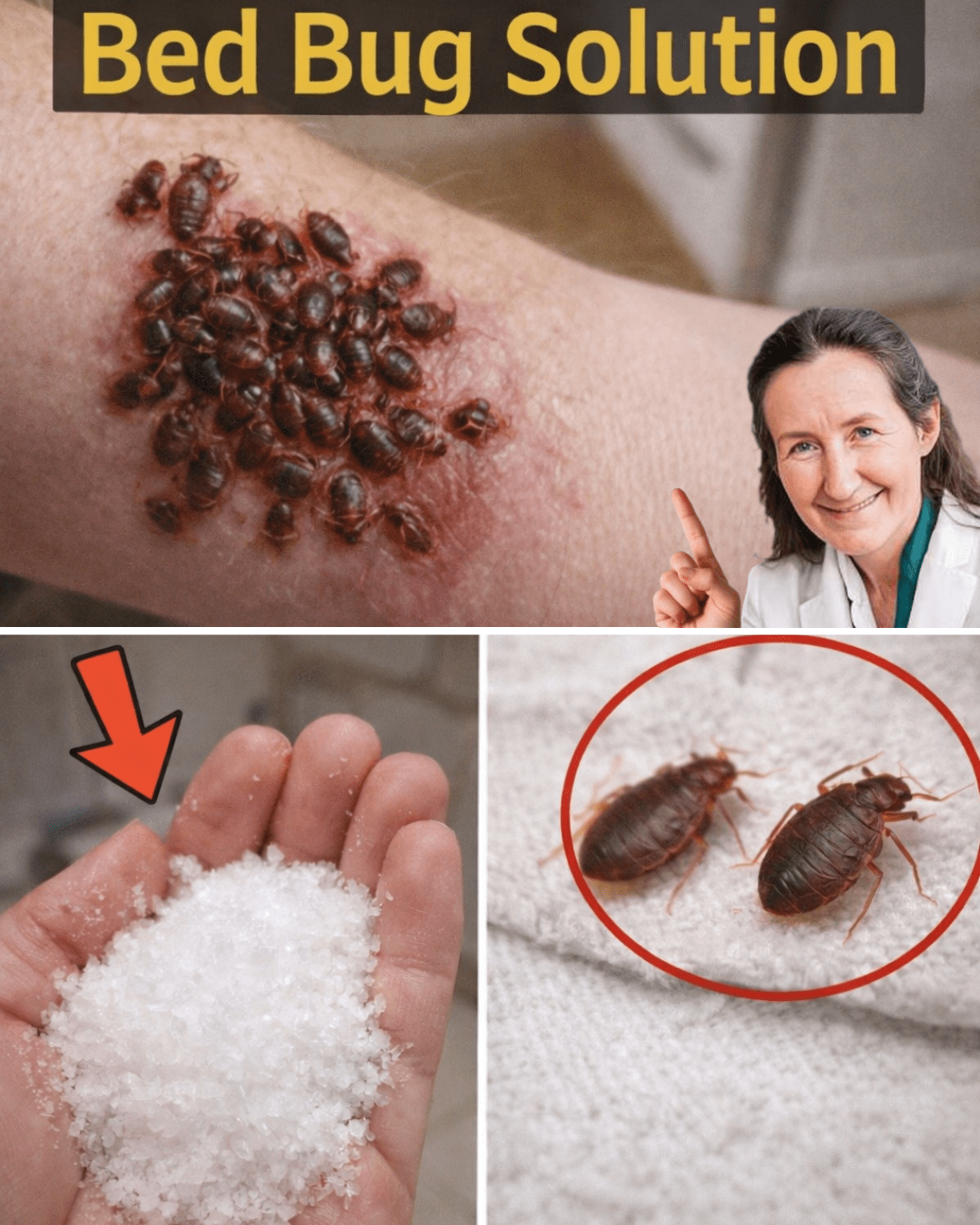
You’ve probably seen online tips claiming certain household items can quickly eliminate bed bugs. One popular idea involves using ordinary table salt or Epsom salt to dehydrate the pests.
The truth is, while salt works well on soft-bodied creatures like slugs by drawing out moisture, bed bugs have a tough, waxy exoskeleton that protects them. Studies and expert reviews, including those from pest control researchers, indicate no strong evidence that salt effectively manages bed bug infestations.
This is the interesting part many try it because it’s cheap and readily available, but it often leads to wasted time and false hope. Instead, focusing on proven non-chemical approaches tends to yield better results.
Proven Non-Chemical Ways to Help Reduce Bed Bugs
Managing bed bugs at home starts with thorough cleaning and reducing hiding spots. The EPA recommends integrated pest management (IPM), which combines several strategies for better outcomes.
Here are some actionable steps you can take right away:
- Vacuum regularly: Use a vacuum with a HEPA filter on mattresses, box springs, furniture, and floors. Empty the canister outside immediately and seal the bag.
- Wash and dry on high heat: Launder bedding, curtains, and clothes in hot water, then dry on the highest heat setting for at least 30 minutes. Heat above 120°F can be effective.
- Encase mattresses and box springs: Use bed bug-proof covers to trap any existing bugs inside and prevent new ones from entering.
- Reduce clutter: Remove unnecessary items to limit hiding places.
- Seal cracks and crevices: Use caulk to fill gaps in walls, baseboards, and furniture.
These methods, supported by guidelines from the EPA and university extension services, help make your home less hospitable.

Why Heat and Cold Can Be Helpful Tools
Temperature extremes are among the most reliable non-chemical options. Bed bugs and their eggs die when exposed to high heat or prolonged cold.
For example:
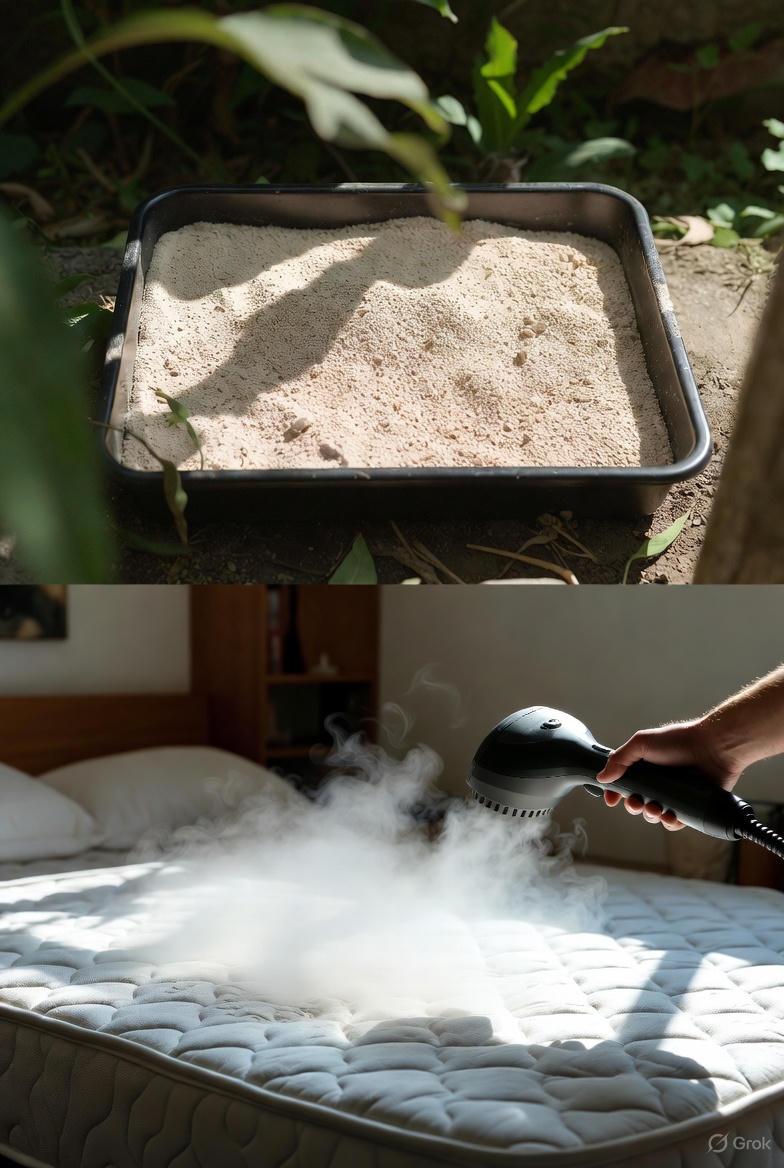
- Steam cleaning mattresses and upholstery with a device that reaches at least 130°F.
- Placing small items in a freezer at 0°F for several days.
- Professional heat treatments raise room temperatures to lethal levels.
Research from entomologists shows these approaches work because they penetrate hiding spots without chemicals.
Here’s a quick comparison of temperature methods:
| Method | Temperature Required | Time Needed | Best For |
|---|---|---|---|
| Hot Dryer | Above 120°F | 30+ minutes | Clothing and bedding |
| Freezing | 0°F or below | 4+ days | Small non-washable items |
| Steam Cleaning | 130°F+ at surface | Immediate contact | Mattresses and furniture |
| Whole-Room Heat | 120-135°F | Several hours | Severe infestations |
Natural Desiccants: A Better Alternative to Salt
If you’re looking for a powder-based option, food-grade diatomaceous earth (DE) stands out. This natural silica powder damages the bugs’ outer layer, leading to dehydration over time.
Unlike salt, DE is backed by lab tests showing effectiveness when applied correctly in cracks and along baseboards. Always choose food-grade and wear a mask during application.
But remember, even DE works best as part of a broader plan, not a standalone fix.
Step-by-Step Guide to Inspecting Your Bedroom
Early detection can prevent a small problem from growing. Follow these steps:
- Strip the bed and check seams, tags, and tufts of the mattress for tiny bugs, eggs, or dark spots.
- Inspect the box spring, headboard, and frame.
- Look behind outlets, under furniture, and along carpet edges.
- Use a flashlight and magnifying glass for better visibility.
- Install interceptors under bed legs to monitor activity.
Repeat inspections weekly if you suspect an issue.
When to Consider Professional Help
While home efforts can help manage minor issues, persistent signs often require expert intervention. Professionals have access to tools and methods that reach deep into hiding spots.
Signs it’s time to call:
- Bites continuing despite cleaning
- Seeing live bugs after several weeks of effort
- Infestation spreading to multiple rooms
The EPA notes that complete elimination usually involves multiple approaches.
Conclusion
Dealing with potential bed bugs requires patience and consistent action, but starting with thorough cleaning, encasements, and temperature treatments can make a big difference. By focusing on evidence-based steps and avoiding unproven remedies, you’ll be better positioned to regain peace in your home.
Frequently Asked Questions
What do bed bug bites look like?
They often appear as small, red, itchy welts in lines or clusters, but reactions vary some people show no signs.
How long can bed bugs live without feeding?
Up to several months, which makes starvation methods unreliable.
Are bed bugs a sign of poor hygiene?
No, they can infest even the cleanest homes and spread through travel or used items.
Disclaimer: This article is for informational purposes only and is not intended to diagnose, treat, or prevent any pest infestation. Always consult a licensed pest control professional for personalized advice, especially for persistent issues.


