
Waking up multiple times at night to use the bathroom can leave you feeling exhausted the next day. It disrupts your deep sleep cycles, making it harder to feel refreshed and energized in the morning. Many people experience this common issue as they get older, and it can affect daily life in ways you might not expect. The good news is that small changes to your daily habits and food choices may help support fewer interruptions and more restful nights. And toward the end of this article, we’ll explore some everyday foods that research suggests could make a positive difference.

Understanding Nighttime Bathroom Trips
Getting up once during the night is often normal, but more frequent trips can signal something worth addressing. Factors like fluid intake timing, certain medications, or even sleep patterns play a role.
Research shows that lifestyle adjustments, including what you eat and drink, can influence how often you need to get up. For instance, studies have linked higher sodium intake to increased nighttime urine production. But that’s not the whole story…
Here are some common contributors:
- Evening fluid consumption, especially caffeinated or alcoholic drinks
- High-salt meals that may affect fluid balance
- Underlying habits that disrupt natural sleep rhythms
Making mindful choices throughout the day can help your body maintain better balance overnight.
Practical Habits to Try Before Bed
Simple tweaks to your routine can go a long way in supporting uninterrupted sleep. Start with these evidence-based steps:
- Manage fluid intake wisely: Drink most of your water earlier in the day. Research indicates that reducing fluids in the evening can lower nocturnal urine volume.
- Limit irritants: Caffeine and alcohol act as diuretics, increasing urine production. Studies suggest cutting them after midday may reduce nighttime voids.
- Elevate your legs in the afternoon: If swelling in your legs contributes, this easy habit helps redistribute fluids before bedtime.
- Time your meals: Eating dinner earlier allows better digestion and fluid processing.
These habits are straightforward and can be implemented right away. Many people notice improvements within a few weeks.
But that’s just the foundation. What you eat matters too…
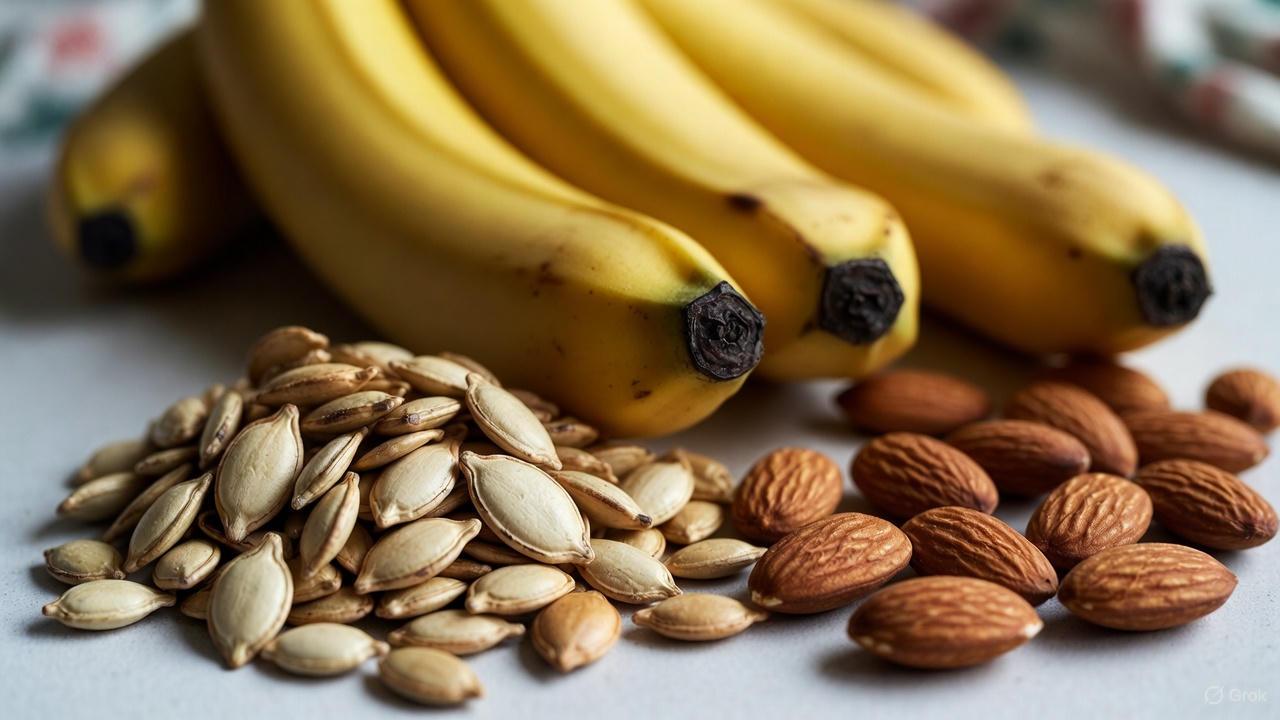
Everyday Foods That May Help Support Fewer Nighttime Trips
Certain foods contain nutrients like magnesium, potassium, and antioxidants that research links to better bladder function and sleep quality. Incorporating them into your diet could provide natural support.
Here’s a look at eight common options backed by studies:
- Pumpkin seeds: Rich in magnesium and zinc, these have been studied for promoting urinary health. Small trials show pumpkin seed extract may reduce frequency.
- Bananas: High in potassium, they help balance electrolytes. Potassium-rich diets are associated with better fluid regulation.
- Nuts like almonds or walnuts: Provide magnesium and healthy fats. Magnesium relaxation effects may indirectly support bladder calm.
- Leafy greens (spinach, kale): Packed with magnesium and vitamins. Observational studies link higher intake to improved sleep and lower inflammation.
- Oats: Contain melatonin precursors and complex carbs that stabilize blood sugar overnight.
- Cherries (especially tart): Natural source of melatonin. Research shows cherry consumption may enhance sleep duration.
- Kiwi: Studies found eating kiwi before bed improved sleep onset and quality, possibly due to serotonin boosters.
- Fatty fish (salmon): Omega-3s support anti-inflammatory effects, which may benefit overall urinary comfort.
The interesting part? Combining these into meals or snacks could amplify benefits. For example, a small handful of pumpkin seeds with yogurt in the evening.
Research from sources like the National Institutes of Health notes that nutrient-dense foods influence sleep hormones and fluid balance. While results vary, many find these additions helpful.
A Closer Look at Magnesium-Rich Foods
Magnesium stands out in studies on bladder and sleep support. It helps muscles relax and regulates hormones involved in urine production.
Foods high in magnesium include:
- Spinach and other greens
- Nuts and seeds
- Whole grains like oats
- Avocados
- Dark chocolate (in moderation)
One review suggested magnesium supplementation reduced symptoms in some cases, but getting it from food is often preferred for better absorption.
Try adding a magnesium-focused snack mid-evening, like a banana with almond butter.
Foods and Drinks to Approach with Caution
Just as some foods may help, others can work against you. Common irritants include:
- Spicy foods
- Citrus fruits
- Carbonated drinks
- Artificial sweeteners
High-sodium processed foods also correlate with more nighttime voids in research. Tracking your intake for a week can reveal personal triggers.
This isn’t about strict rules—it’s about noticing patterns.
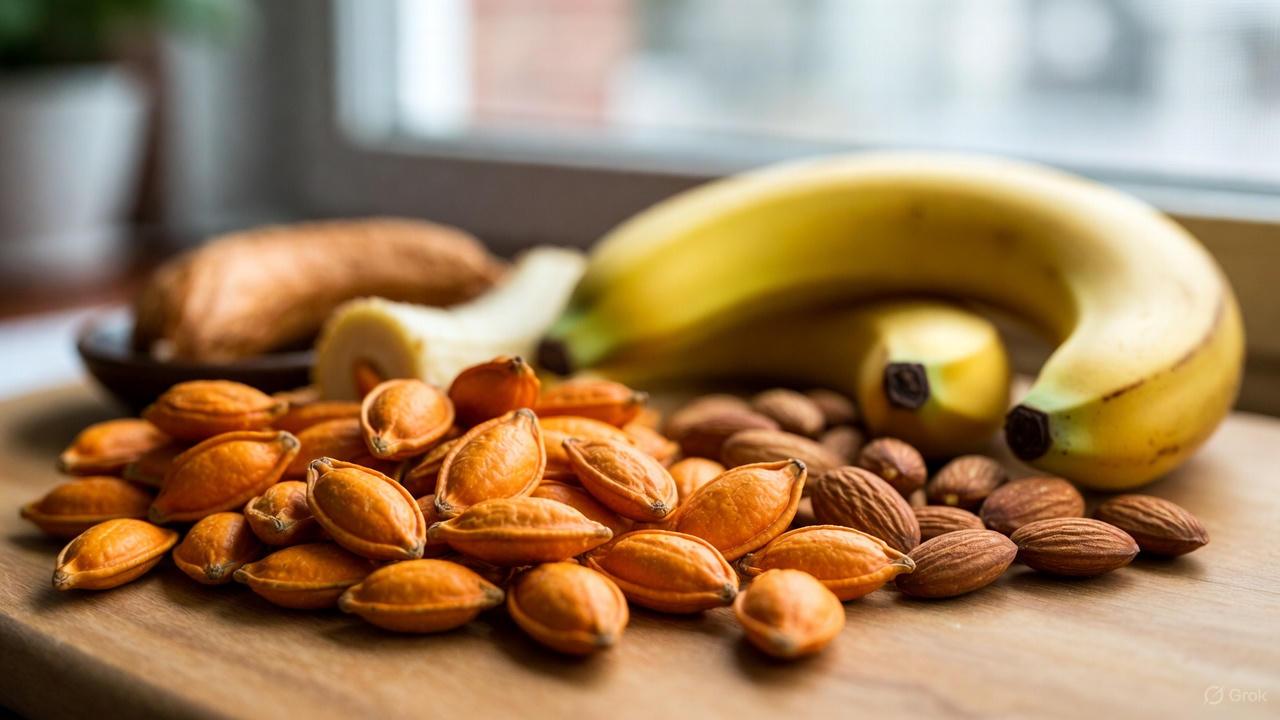
Step-by-Step Guide to Building Better Evening Habits
Ready to try changes? Here’s an actionable plan:
- Track your current habits for 3-5 days (fluids, foods, trip frequency).
- Shift most fluids to morning/afternoon.
- Incorporate one or two supportive foods daily.
- Avoid caffeine after lunch and alcohol in the evening.
- Practice pelvic floor exercises (Kegels) for added bladder strength—simple squeezes you can do anywhere.
- Aim for consistency over perfection.
Many report fewer interruptions after 2-4 weeks.
Conclusion
Supporting better sleep through fewer nighttime bathroom trips often comes down to consistent, gentle habits and nutrient-focused foods. By managing fluids, choosing bladder-friendly options, and listening to your body, you can work toward more restorative nights.
Small steps add up—and the payoff is waking up feeling truly rested.
Frequently Asked Questions
How many times is it normal to get up at night to urinate?
Most adults get up zero or one time. More than that may warrant lifestyle tweaks or a doctor’s visit.
Can certain foods really make a difference?
Yes—research suggests nutrients like magnesium and melatonin precursors from everyday foods may support better sleep patterns and fluid balance.
When should I see a doctor about nighttime trips?
If it’s frequent, disrupts sleep significantly, or comes with other symptoms like pain or excessive thirst, consult a healthcare professional.
Disclaimer: This article is for informational purposes only and is not medical advice. Always consult your doctor before making dietary changes, especially if you have health conditions or take medications. Individual results vary.


