Discolored or thickened nails can be frustrating and affect how you feel about showing your feet or hands. Many people deal with these changes, often wondering if there’s a gentle way to help nails look and feel better without strong chemicals. The good news is that everyday kitchen items like lemon and baking soda are popular for at-home routines that may support nail health. But there’s a key detail about how they work together that most people overlook—keep reading to discover it.
Understanding Common Nail Concerns
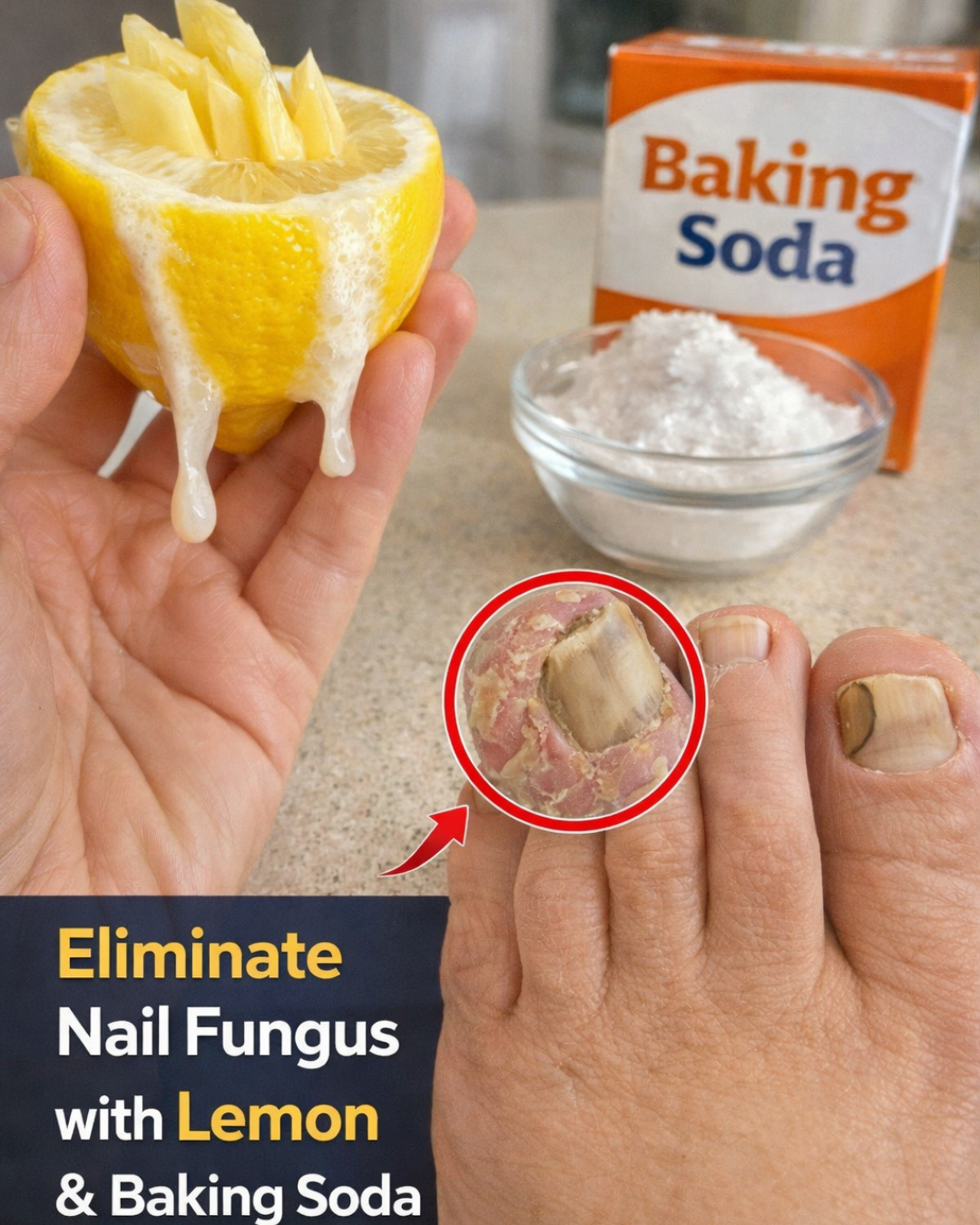
Nail issues related to fungus, known medically as onychomycosis, happen when certain fungi grow in or under the nail. This is more common in toenails because shoes create warm, moist conditions that fungi like.
Typical signs include:
- Yellowish or brownish discoloration
- Nails becoming thicker or brittle
- Edges that crumble or separate from the skin
- Sometimes a mild odor
These changes develop slowly, and addressing them early can make a difference. Research shows that fungi thrive in acidic or moist environments, which is why shifting conditions around the nail can be helpful.
Why Lemon and Baking Soda Are Popular Choices
People have turned to natural ingredients for years to maintain nail hygiene and appearance. Lemon and baking soda stand out because of their everyday availability and gentle properties.
The Role of Lemon
Fresh lemon juice contains citric acid, a natural compound with antimicrobial qualities. Studies, including lab research on citric acid concentrations, suggest it can inhibit fungal growth in certain settings. For example, some investigations have explored citric acid’s potential to weaken fungal structures without harsh effects on surrounding skin.
Lemon also has a natural brightening effect, which may help improve the look of discolored nails over time.
The Role of Baking Soda
Baking soda (sodium bicarbonate) is alkaline, meaning it can neutralize acidic areas. A study published in Mycopathologia found that sodium bicarbonate showed antifungal activity against various fungal strains in lab tests, inhibiting growth in a significant percentage of isolates.
It also absorbs moisture and acts as a mild exfoliant, helping remove debris around the nail.
How They Complement Each Other
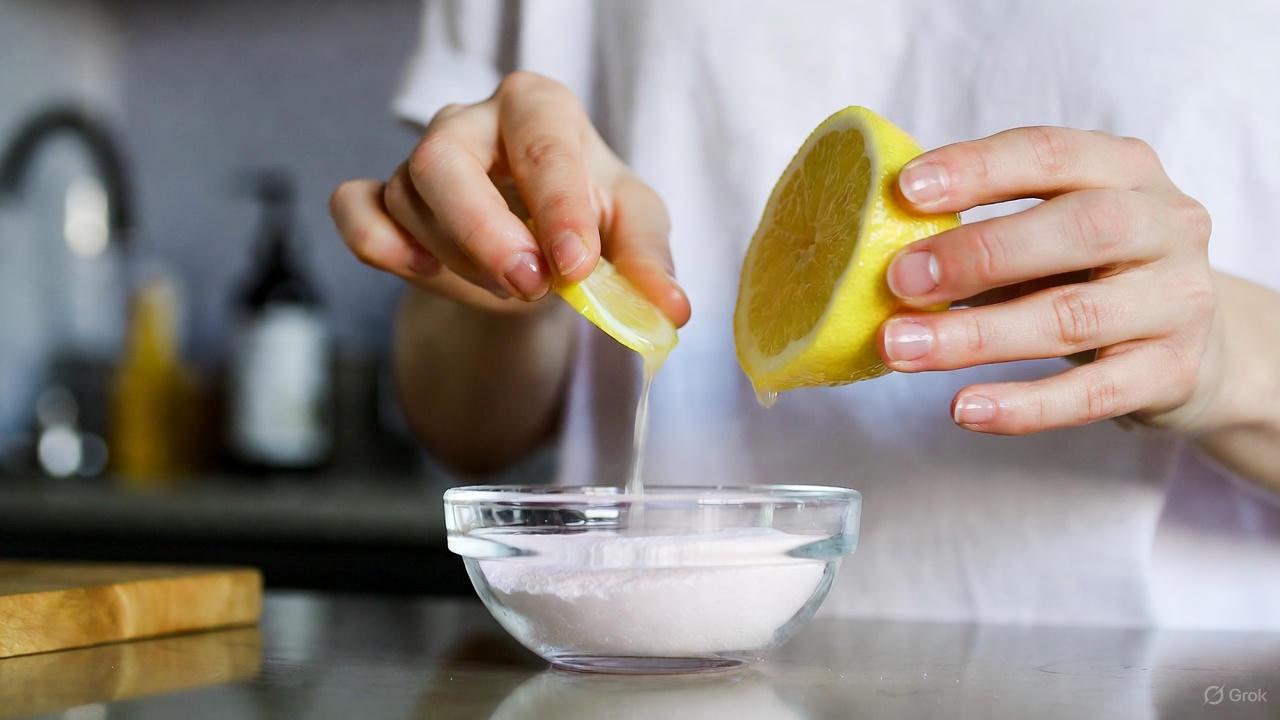
Here’s the interesting part: Lemon provides acidity that may directly challenge fungi, while baking soda creates a less favorable pH balance. Together, they form a foamy paste that cleanses and dries the area. Many find this duo helpful for daily nail care routines, especially for mild concerns.
But remember, results vary, and consistency is key—nails grow slowly, so changes take weeks or months.
Step-by-Step Guide to Trying the Lemon and Baking Soda Paste
If you’re interested in this approach, here’s a simple way to prepare and use it at home.
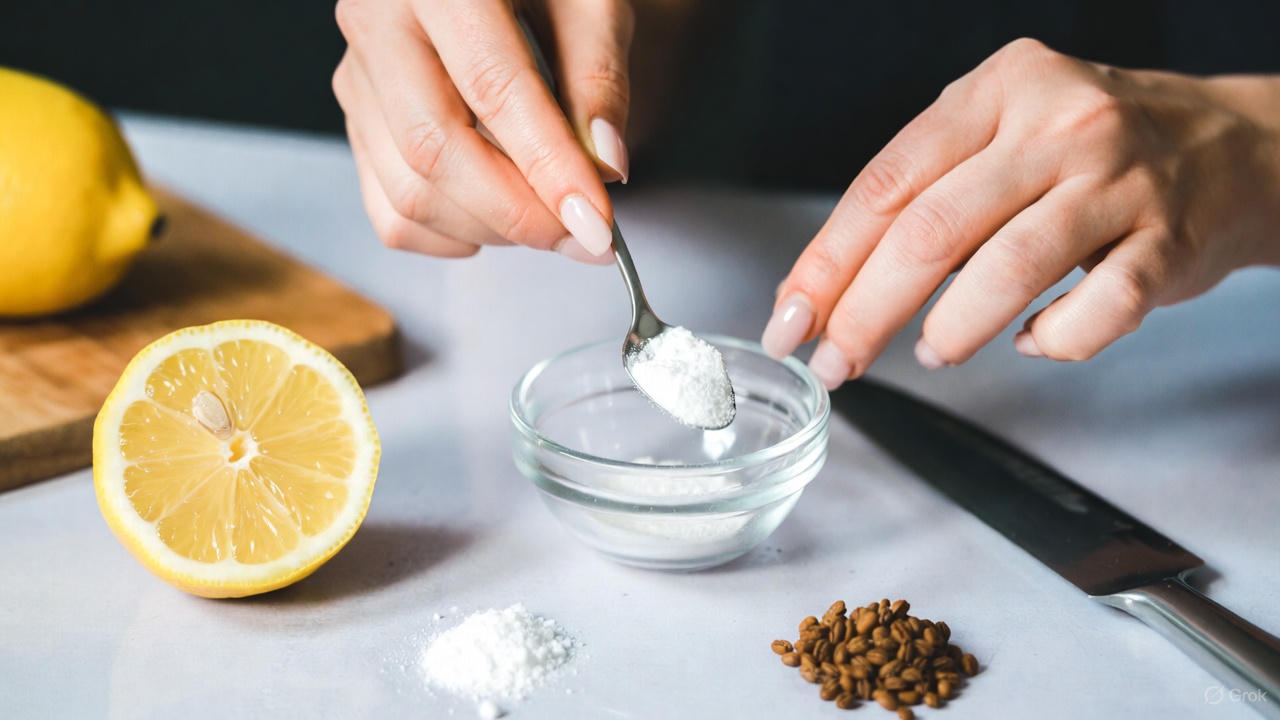
Ingredients you’ll need:
- 1 fresh lemon
- 1-2 tablespoons baking soda
- Cotton swabs or pads
- A small bowl
- Nail file (dedicated for this use only)
Instructions:
- Start clean: Wash the affected nails with mild soap and warm water. Pat dry thoroughly—moisture is the enemy here.
- Gently file: If nails are thickened, lightly file the surface to help absorption. Avoid sharing tools to prevent spreading issues.
- Mix the paste: Squeeze juice from half a lemon into a bowl. Gradually add baking soda until it forms a fizzy, spreadable paste.
- Apply carefully: Use a swab to cover the nail, under the edges, and surrounding skin.
- Wait: Let it sit for 10-15 minutes. You might feel a mild tingling—that’s normal.
- Rinse and dry: Wash off with lukewarm water and dry completely.
Do this once or twice daily. Most people try it for 4-8 weeks to see if nails start growing in healthier.
Pro tip: Always use fresh lemons for the best citric acid content.
Everyday Habits to Support Nail Health
Natural routines work best alongside good habits. Here are evidence-based tips to keep nails dry and strong:
- Keep feet dry: Change socks daily, especially after sweating.
- Choose breathable footwear: Opt for cotton socks and shoes that allow air flow.
- Trim properly: Cut nails straight across and file edges smooth.
- Disinfect tools: Soak clippers in alcohol between uses.
- Avoid walking barefoot in public areas: Like pools or gyms, where moisture lingers.
Research shows these steps reduce recurrence risks significantly.
Other Natural Options to Consider
You can rotate or combine approaches for variety:
- Apple cider vinegar soaks: Its acidity may help balance pH.
- Diluted tea tree oil: Some small studies support its antifungal potential.
- Garlic paste: Contains allicin, known for antimicrobial effects in lab tests.
Always patch-test new ingredients to avoid irritation.
Frequently Asked Questions
How long does it take to see changes in nail appearance?
Nails grow about 1mm per week for toenails, slower for some. Healthy new growth may appear in 4-12 weeks, but full results can take 6-12 months.
Is this safe for everyone?
Most find it gentle, but if you have sensitive skin or open cuts, test a small area first. Stop if redness occurs.
When should I see a doctor?
If changes spread, cause pain, or don’t improve after consistent care—especially with conditions like diabetes.
Final Thoughts
Supporting nail health naturally with items like lemon and baking soda is a low-risk way many people maintain better-looking nails. While lab studies show promising antifungal properties in both ingredients, they’re best for mild cases and preventive care.
Stay patient, keep things clean and dry, and listen to your body. Healthier nails are possible with time and consistency.
Disclaimer: This information is for educational purposes only and not medical advice. Natural approaches may support nail hygiene but do not diagnose, treat, or cure any condition. Consult a healthcare professional for personalized guidance, especially if symptoms persist or worsen.
(Word count: approximately 1320)