As we age past 60, many people notice changes in mobility, like feeling less steady on their feet or finding everyday activities more challenging. These shifts can stem from natural declines in bone strength, leaving individuals worried about maintaining independence and enjoying daily life. The concern is understandable—bone health plays a key role in staying active and confident.
But there’s encouraging news from longevity insights in Japan, where older adults often maintain vitality through simple, consistent habits. Keep reading to explore practical approaches drawn from these traditions and backed by research, including one standout tip at the end that ties everything together.
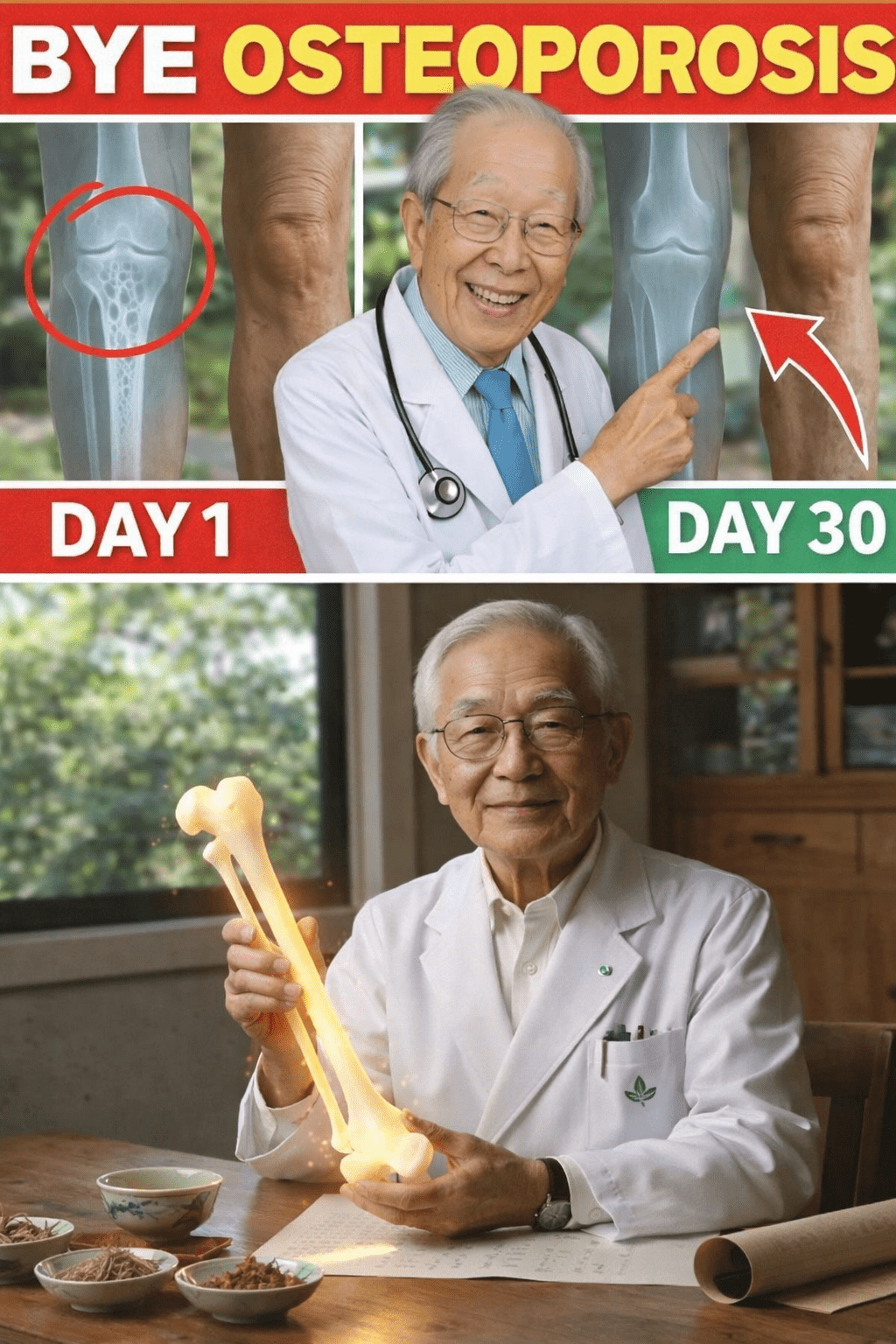
Why Bone Health Matters More After 60
Bone density naturally decreases with age, and this process can accelerate due to factors like hormonal changes or reduced activity. Many adults over 60 experience this gradual shift, which may affect balance and strength.
Research shows that lifestyle choices, including diet and movement, can influence how bones adapt and maintain their structure. Studies on older populations highlight that targeted habits may help support bone maintenance, offering a proactive way to address these changes.
The good news? Small, evidence-based adjustments can make a noticeable difference over time.
The Role of Gut Health in Nutrient Absorption
Good digestion is essential for absorbing key nutrients that support bones. Even with a balanced diet, poor gut function can limit how well the body uses minerals like calcium and magnesium.
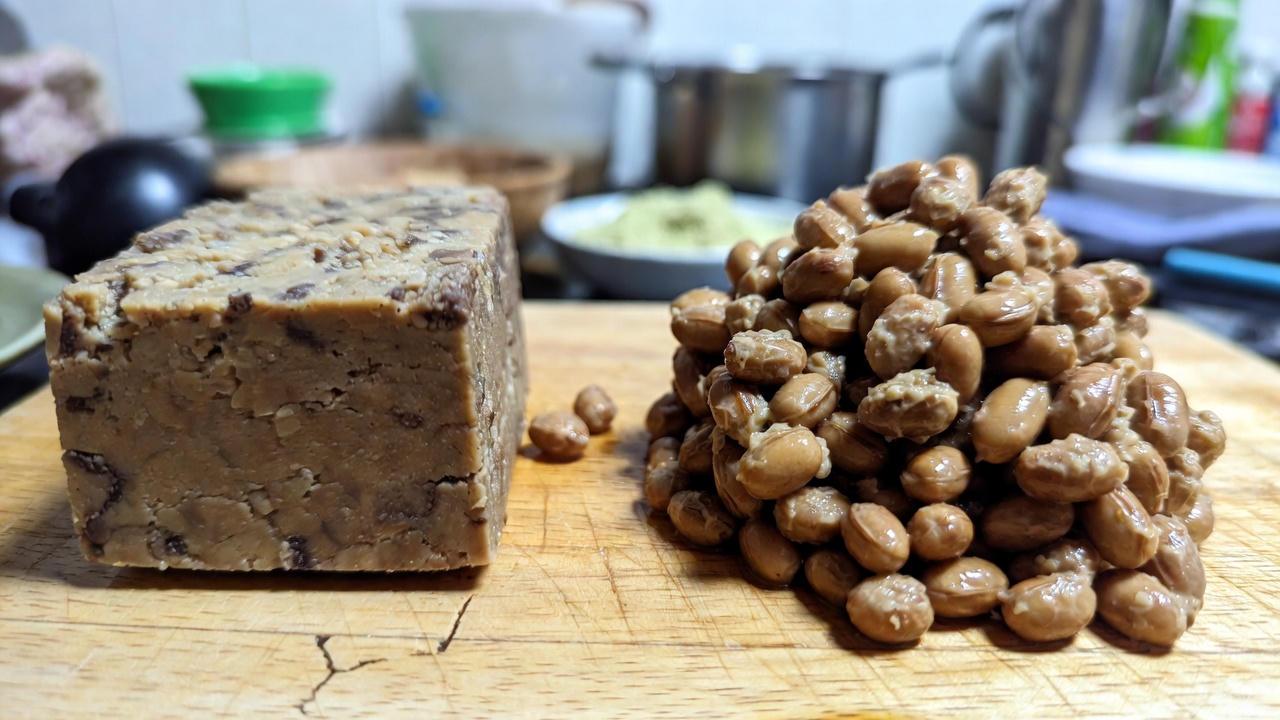
In Japan, fermented foods are a dietary staple among older adults. Items like miso and natto contain probiotics that promote gut health and improve nutrient uptake. Research indicates that regular intake of fermented soy products, such as natto, is linked to better bone mineral density in postmenopausal women.
Starting with small portions can help—many find that adding fermented foods eases digestion and boosts overall energy.
But gut health is just one piece. Movement plays an equally important role…
Simple Movements That Encourage Bone Strength
Bones respond to gentle loading, much like muscles grow with use. Weight-bearing activities signal the body to maintain bone tissue.
Japanese longevity experts, including the late Dr. Shigeaki Hinohara—who lived to 105 and advocated daily activity—emphasized practical habits like taking stairs or carrying light loads. Studies confirm that resistance and weight-bearing exercises, even in older adults, can support bone density improvements of 1-3% over time.
Here are some approachable options:
- Daily walks: Aim for 15-20 minutes, perhaps uphill for added benefit.
- Chair stands: Rise from a seated position 10 times, using arm support if needed.
- Light squats: Hold onto a stable surface for balance.
These low-impact moves are safe for most and build gradually. Research on elderly participants shows consistent practice yields positive results.
Curious about food choices? Certain nutrient-rich options stand out…
Nutrient-Dense Foods Commonly Enjoyed in Japan
Traditional Japanese meals often feature foods that provide bone-supporting nutrients like vitamin K2, magnesium, and omega-3s. Natto, a fermented soybean dish, is particularly noted in studies for its high vitamin K2 content, which helps direct calcium effectively.
Research from Japanese cohorts links higher natto intake to slower bone loss in older women. Other staples include:
- Dark leafy greens (like komatsuna or spinach) for magnesium and calcium.
- Small fish (such as sardines) with edible bones for natural minerals.
- Seaweed and green tea for anti-inflammatory compounds.
Studies suggest that seniors incorporating these foods see supportive effects on bone health markers.
Here’s a quick comparison of common vs. bone-friendly meal ideas:
| Time of Day | Common Habit | Bone-Supporting Alternative | Potential Benefit |
|---|---|---|---|
| Morning | Coffee and cereal | Warm miso soup with greens | Better digestion and nutrient start |
| Mid-Morning | Sugary snack | Handful of seeds and a short walk | Stable energy and light loading |
| Lunch | Quick sandwich | Grilled fish with seaweed | Omega-3s and minerals |
| Afternoon | Processed treat | Green tea and fermented veggies | Reduced inflammation |
| Dinner | Heavy meal | Tofu stir-fry with vegetables | Lighter, repair-focused |
| Evening | Late-night TV snack | Herbal tea and gentle stretches | Better rest and recovery |
Many find swapping one meal at a time leads to sustained habits.
Safe Ways to Incorporate Movement Daily
Not all activities load bones equally. Swimming is excellent for joints but provides less direct stimulus compared to standing exercises.
Evidence-based recommendations include:
- Slow squats or wall pushes for lower body strength.
- Stair climbing or brisk walking for impact.
- Balance practices, like standing on one foot briefly.
Studies on adults over 70 show these can contribute to bone maintenance when done regularly, 2-3 times weekly.
Start slowly and listen to your body—consistency matters more than intensity.
Building a Sustainable Routine
Combining diet and movement creates synergy. Older Japanese adults often integrate these naturally: fermented foods in meals, daily walks, and purposeful activity.
Research supports that multifaceted approaches—gut-supporting foods, weight-bearing moves, and anti-inflammatory choices—offer comprehensive benefits.
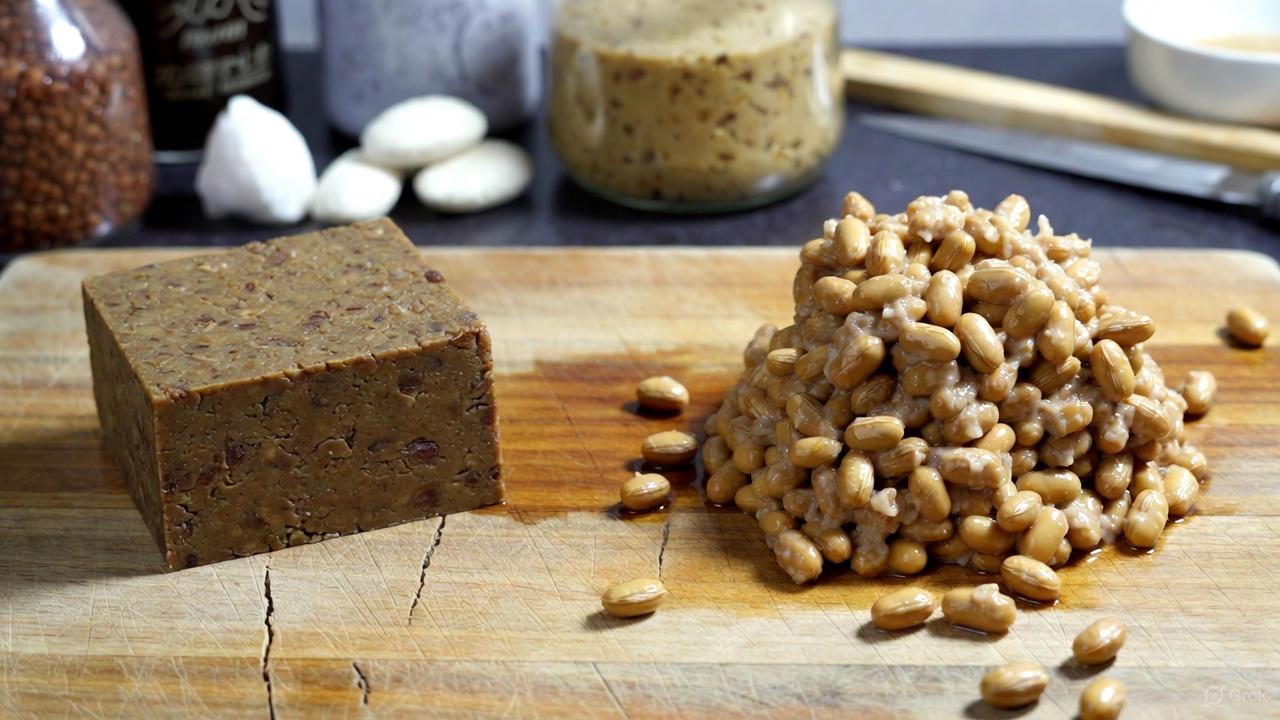
For vegetarians, options like natto, tofu, seeds, and greens provide similar nutrients without animal products.
Actionable Steps to Get Started
Ready to begin? Try this simple plan:
- Add one fermented food daily, starting small.
- Include 10-15 minutes of walking or stands.
- Choose 2-3 bone-friendly foods per meal.
- Track how you feel weekly.
- Consult your doctor for personalized guidance.
Many notice improved energy and steadiness within months.
Conclusion
Supporting bone health after 60 comes down to consistent, enjoyable habits: nourishing the gut with fermented foods, staying active with weight-bearing movements, and choosing nutrient-rich meals inspired by Japanese traditions.
These evidence-backed strategies empower you to stay mobile and independent. Start with one change today—the benefits build over time.
Frequently Asked Questions
1. Can these habits really make a difference after age 60? Yes, research on older adults shows that starting lifestyle changes, like adding resistance exercises or fermented foods, can support bone maintenance even later in life.
2. Is natto essential, or are there alternatives? Natto is highlighted in studies for its vitamin K2, but other fermented foods and greens offer similar gut and nutrient benefits. Experiment to find what suits you.
3. How much exercise is safe to start with? Begin with 10-15 minutes of gentle weight-bearing activity most days. Build gradually and check with a healthcare provider if you have concerns.
This information is for educational purposes only and is not a substitute for professional medical advice. Always consult your healthcare provider before making changes to your diet or exercise routine, especially if you have existing health conditions.