Many people notice their eyes feeling tired, dry, or strained after long days in front of screens or as they get older. This discomfort can come from everyday factors like digital device use, dry air, or natural changes with age. The good news is that certain nutrient-rich foods may help support overall eye comfort and health when included in your daily routine.
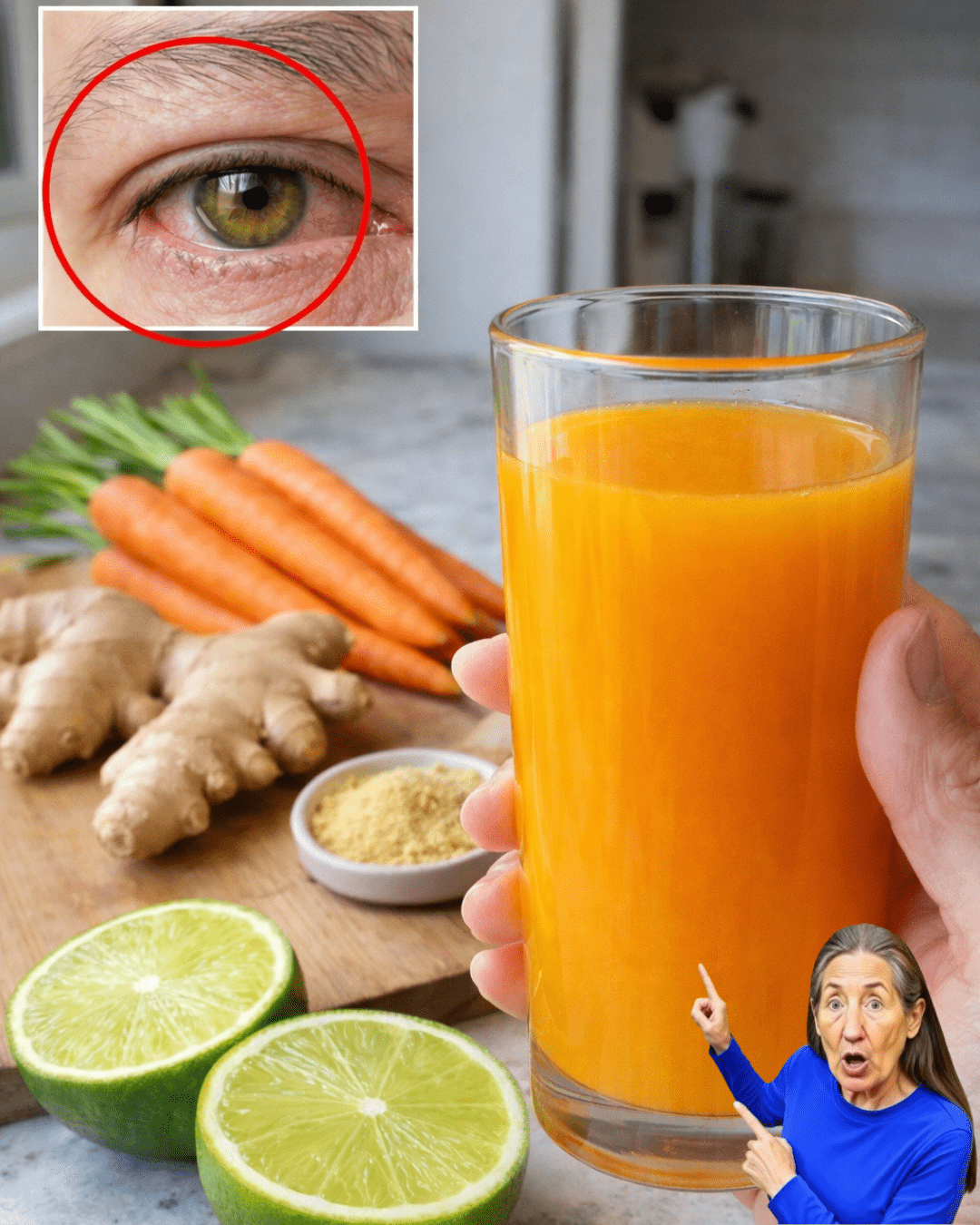
In this guide, we’ll explore how three common ingredients—ginger, lemon, and carrots—can be combined into a refreshing morning drink. Research suggests these foods provide key nutrients like beta-carotene, vitamin C, and anti-inflammatory compounds that play a role in eye health. And at the end, there’s a simple tip that could make these nutrients even more effective.
Why Eye Strain and Dryness Are So Common Today
As we spend more time on computers, phones, and in air-conditioned spaces, it’s no surprise that eye discomfort affects millions. According to estimates, nearly 20 million Americans aged 40 and older live with some form of age-related macular degeneration (AMD), a condition linked to oxidative stress and inflammation.
But it’s not just AMD—daily habits can lead to tired eyes, occasional dryness, or difficulty focusing. The root often lies in oxidative stress, inflammation, and a lack of certain protective nutrients in the diet.
That’s where whole foods come in. Studies, including the landmark Age-Related Eye Disease Studies (AREDS and AREDS2), show that antioxidants like vitamin C and carotenoids from foods can support eye health.
The Power of Three Everyday Ingredients for Your Eyes
Carrots, ginger, and lemons are packed with compounds backed by science for potential eye benefits. Here’s what research highlights about each:
Carrots: A Natural Source of Beta-Carotene and Lutein
Carrots are rich in beta-carotene, which the body converts to vitamin A—an essential nutrient for vision, especially in low light. The AREDS studies found that nutrients like beta-carotene, along with others, helped slow the progression of AMD in some people.
Carrots also contain lutein and zeaxanthin, pigments that accumulate in the macula (the part of the retina responsible for central vision). These act like natural filters for harmful blue light and support retinal health.
- One cup of raw carrots provides more than enough beta-carotene for daily needs.
- Studies link higher intake of these carotenoids to better macular pigment density.
Lemon: Boosting Vitamin C for Antioxidant Support
Lemons are loaded with vitamin C, a powerful antioxidant. The AREDS2 study included vitamin C in its formula, showing it contributed to supporting eye health when combined with other nutrients.
Vitamin C helps combat oxidative stress, which can affect the eyes over time.
- A single lemon provides a significant portion of daily vitamin C.
- It pairs well with carotenoids, potentially enhancing their effects.
Ginger: Anti-Inflammatory Properties That May Help
Ginger contains gingerols, compounds with anti-inflammatory effects. Some research, including animal and human studies, suggests ginger may support better blood flow and reduce inflammation—factors important for overall comfort.
One study found ginger extract improved ocular blood flow and reduced eye fatigue in participants.
- Ginger adds a warming spice while contributing bioactive compounds.
- It’s been used traditionally for wellness, with modern studies exploring its role in reducing oxidative stress.
But here’s the interesting part: these ingredients may work even better together due to natural synergies.

Why This Combination Stands Out
Research indicates that combining vitamin C (from lemon) with carotenoids (from carrots) can improve absorption and effectiveness. Ginger’s compounds add another layer of support against inflammation.
Plus, there’s one simple addition that science shows can significantly boost carotenoid uptake: a pinch of black pepper. Piperine in black pepper has been shown in studies to increase beta-carotene absorption by up to 60% or more.
This easy tweak could help you get more from your drink.
Easy Ginger-Lemon-Carrot Juice Recipe (Ready in Minutes)
This fresh juice is simple to make and a great way to start your day.
Ingredients (Serves 1-2):
- 4-5 medium organic carrots (washed, tops removed)
- 1-inch piece fresh ginger (peeled if desired)
- 1 large lemon (juiced, or whole for extra flavor)
- Optional: ½ cup filtered water to thin
- A tiny pinch of black pepper (for better absorption)
Steps:
- Wash and chop the carrots and ginger.
- Juice everything using a juicer, or blend and strain for a smoothie-like version.
- Add the black pepper pinch and stir.
- Enjoy fresh, ideally in the morning on an empty stomach.
It’s tangy, refreshing, and costs just pennies per serving compared to store-bought options.
Additional Ways to Support Eye Comfort Daily
Beyond the juice, here are proven tips:
- Stay Hydrated: Drink plenty of water to help maintain tear production.
- Take Screen Breaks: Follow the 20-20-20 rule—every 20 minutes, look 20 feet away for 20 seconds.
- Eat a Rainbow Diet: Include leafy greens, fatty fish, and nuts for omega-3s and more lutein.
| Nutrient Source | Key Benefit | Food Examples |
|---|---|---|
| Beta-Carotene & Lutein | Supports retinal health | Carrots, sweet potatoes, spinach |
| Vitamin C | Antioxidant protection | Lemons, oranges, bell peppers |
| Anti-Inflammatory Compounds | May reduce eye fatigue | Ginger, turmeric, fatty fish |

What to Expect and Next Steps
Many people notice brighter colors or less morning dryness after adding nutrient-rich habits like this juice. Consistency is key—try it for a few weeks alongside a balanced diet.
Results vary, and this isn’t a substitute for professional care. Always consult your eye doctor for personalized advice, especially if you have ongoing issues.
Frequently Asked Questions
1. How often should I drink this juice?
Most people enjoy it daily or a few times a week. Start with 8-12 oz and see how you feel.
2. Can I make it ahead of time?
Best fresh for maximum nutrients, but it stores in the fridge for up to 24 hours.
3. Is this safe for everyone?
Generally yes, but check with a doctor if you have allergies, take medications, or have conditions like acid reflux.
Disclaimer: This information is for educational purposes only and is not medical advice. Dietary changes can support health but do not diagnose, treat, or cure any condition. Consult a healthcare professional before starting new routines.