
Many people notice their vision changing as they age, with everyday tasks like reading or driving becoming more challenging due to factors like screen time and environmental stressors. This can lead to frustration and concern about maintaining clear sight over time, especially when simple activities start feeling strained. Fortunately, incorporating natural habits into your routine may help nurture your eyes, and one accessible ingredient stands out for its potential benefits. But what if this single addition could become a game-changer in your daily wellness—stick around to discover the surprising way it fits seamlessly into your life.

Understanding the Basics of Eye Health
Eye health is influenced by a variety of factors, including diet, lifestyle, and genetics. As we get older, our eyes may experience natural wear and tear, making it important to adopt supportive habits early on. Research from organizations like the National Eye Institute suggests that antioxidants play a key role in protecting eye tissues from oxidative stress.
But that’s not all—simple dietary choices can make a difference. For instance, nutrients that support retinal function are found in many everyday foods. This is where our featured ingredient comes in, offering a natural way to boost your intake of these helpful compounds.
What Is Saffron and Why Consider It for Eye Support?
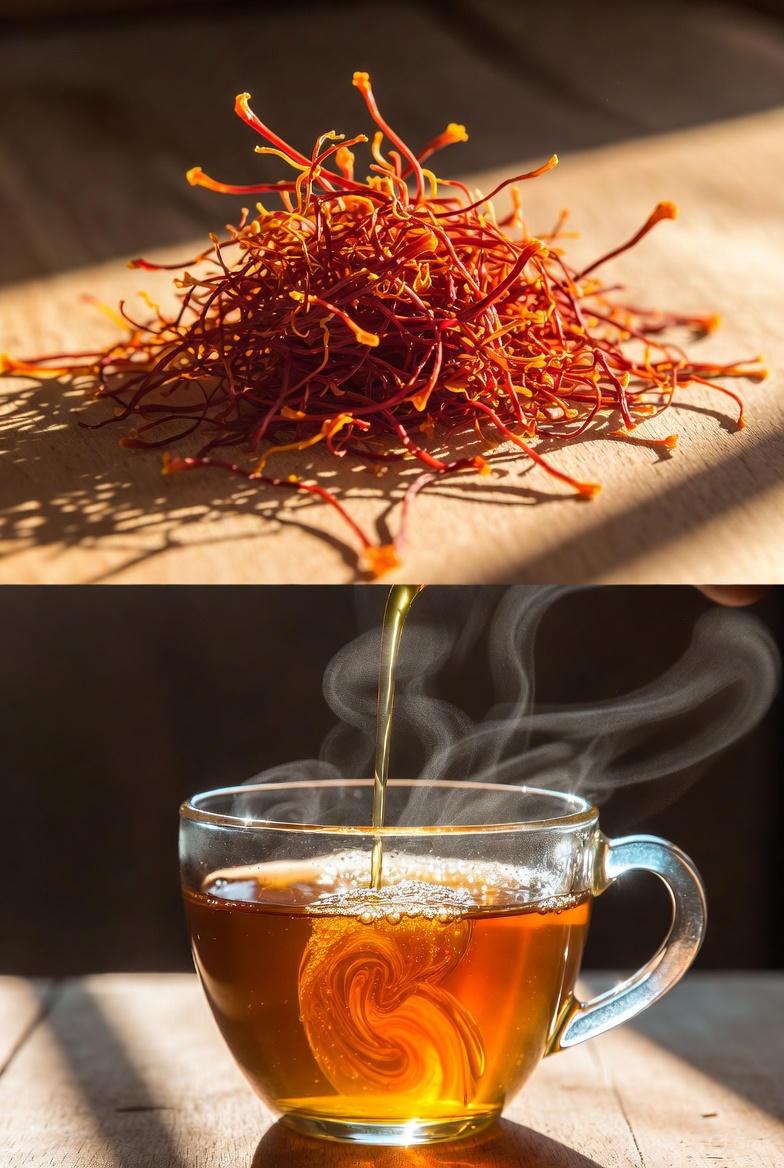
Saffron, derived from the Crocus sativus flower, is a spice known for its vibrant red threads and unique flavor. Often used in cooking, it’s also valued in traditional wellness practices for its antioxidant properties. Studies published in journals like the Journal of Ophthalmology have explored how saffron’s compounds, such as crocin and safranal, may contribute to eye wellness by helping to combat free radicals.
Here’s the interesting part: Unlike synthetic supplements, saffron is a whole-food option that you can easily source from reputable spice markets or health stores. It’s been part of Mediterranean and Asian diets for centuries, adding not just color but potential health perks to meals and drinks.
- Rich in Antioxidants: Saffron contains high levels of crocin, which research indicates may support macular health.
- Natural Anti-Inflammatory: Some studies suggest it could help reduce mild inflammation in the body, including areas like the eyes.
- Versatile Usage: From teas to recipes, it’s adaptable for daily incorporation without much effort.

The Science Behind Saffron’s Potential Benefits for Eyes
Delving deeper, scientific interest in saffron has grown over the past decade. A review in the journal Nutrients highlighted how its bioactive compounds might protect against age-related eye changes by enhancing blood flow to the retina. For example, a randomized controlled trial involving participants over 50 found that daily saffron intake was associated with improved visual acuity scores after several months.
Sự thật là, these findings build on earlier animal studies showing saffron’s role in preserving photoreceptor cells. While more human research is needed, the preliminary data is promising for those looking to support their eye health through natural means.
To put it in perspective, here’s a simple comparison table of saffron versus common eye-supporting nutrients:
| Nutrient/Source | Key Compound | Potential Eye Benefit | Daily Intake Suggestion |
|---|---|---|---|
| Saffron | Crocin | Antioxidant protection | 10-30 mg in tea |
| Carrots | Beta-Carotene | Supports night vision | 1-2 servings of veggies |
| Spinach | Lutein | Filters harmful light | Handful in salads |
| Fish | Omega-3s | Reduces dry eye risk | 2-3 servings weekly |
This table shows how saffron fits into a broader nutritional strategy, offering unique compounds not as abundant in other foods.
How to Prepare a Simple Saffron Drink for Daily Use
Incorporating saffron doesn’t have to be complicated. Start with high-quality threads to ensure potency—look for deep red color without yellow bases, as this indicates purity. A basic recipe involves steeping a pinch (about 5-10 strands) in hot water for 10 minutes, creating a golden-red infusion.
But here’s the step-by-step guide to make it part of your routine:
- Gather Ingredients: You’ll need saffron threads, hot water (not boiling to preserve nutrients), and optionally honey or lemon for taste.
- Steep Properly: Add the strands to a cup of warm water (around 80°C) and let it sit covered. This releases the active compounds effectively.
- Customize It: Stir in a teaspoon of honey if you prefer sweetness, or add a slice of ginger for an extra wellness boost.
- Consume Mindfully: Drink one glass in the morning or evening, making it a relaxing ritual to look forward to.
- Store Safely: Keep leftover saffron in an airtight container away from light to maintain its quality.
This method takes just minutes and can become a habitual way to support your overall wellness.
Additional Ways to Enhance Eye Health Alongside Saffron
While saffron is a standout ingredient, combining it with other habits amplifies its potential. For example, reducing screen time and practicing the 20-20-20 rule—every 20 minutes, look 20 feet away for 20 seconds—can ease eye strain. Studies from the American Optometric Association emphasize the importance of such breaks in daily life.
And that’s not the end of it: Pairing saffron with a balanced diet rich in fruits and vegetables provides synergistic effects. Berries, for instance, offer additional antioxidants that complement saffron’s profile.
Consider these practical tips:
- Outdoor Time: Spend at least 30 minutes outside daily; natural light helps regulate circadian rhythms affecting eye function.
- Hydration Focus: Drink plenty of water alongside your saffron tea to keep eye tissues moist.
- Regular Check-Ups: Schedule annual eye exams to monitor changes, as early detection is key.
- Sleep Priority: Aim for 7-9 hours nightly, since rest allows eyes to recover from daily stressors.
Integrating these creates a holistic approach that’s sustainable long-term.
Potential Considerations When Using Saffron
Like any natural ingredient, moderation is essential. Saffron is generally safe in small amounts, but excessive intake (over 1.5 grams daily) might cause mild side effects like dizziness. Pregnant individuals should consult a healthcare provider before adding it to their routine, as noted in guidelines from the World Health Organization.
Here’s the key takeaway: Start small and observe how your body responds. If you have existing health conditions, discussing with a professional ensures it aligns with your needs.
Wrapping Up: A Natural Step Toward Better Eye Wellness
In summary, supporting your eye health naturally can be as simple as adding one ingredient like saffron to your daily habits. Through its antioxidant-rich profile and easy preparation, it offers a gentle way to nurture your vision alongside other lifestyle choices. Remember, consistency is the secret to noticing subtle improvements over time—why not try that one glass today and see how it fits into your routine?
Frequently Asked Questions (FAQ)
- What is the best way to source quality saffron? Look for ISO-certified products or those from reputable regions like Iran or Spain. Check for lab-tested purity to avoid adulterated versions, and store in a cool, dark place to preserve potency.
- Can saffron be used in cooking beyond drinks? Absolutely—add it to rice dishes, soups, or even desserts for flavor and color. This versatility makes it easy to incorporate without relying solely on tea, providing the same potential benefits in varied forms.
- How long might it take to notice any changes from using saffron? Individual experiences vary, but some studies suggest subtle differences in eye comfort after 4-8 weeks of consistent use. Always combine with other healthy habits for the best approach.
Disclaimer: This article is for informational purposes only and is not intended as medical advice. Consult with a healthcare professional before making changes to your diet or routine, especially if you have pre-existing conditions.


