Many people experience discomfort in their feet from long days on their feet, stiffness, or occasional swelling. These issues can make everyday activities feel draining and affect overall well-being. The constant ache or tightness can build up over time, leaving you searching for ways to feel more at ease.
But what if a straightforward at-home routine using everyday natural ingredients could help you unwind and support foot comfort? Keep reading to discover a gentle combination that’s easy to try—and why so many find it worth adding to their self-care habits.
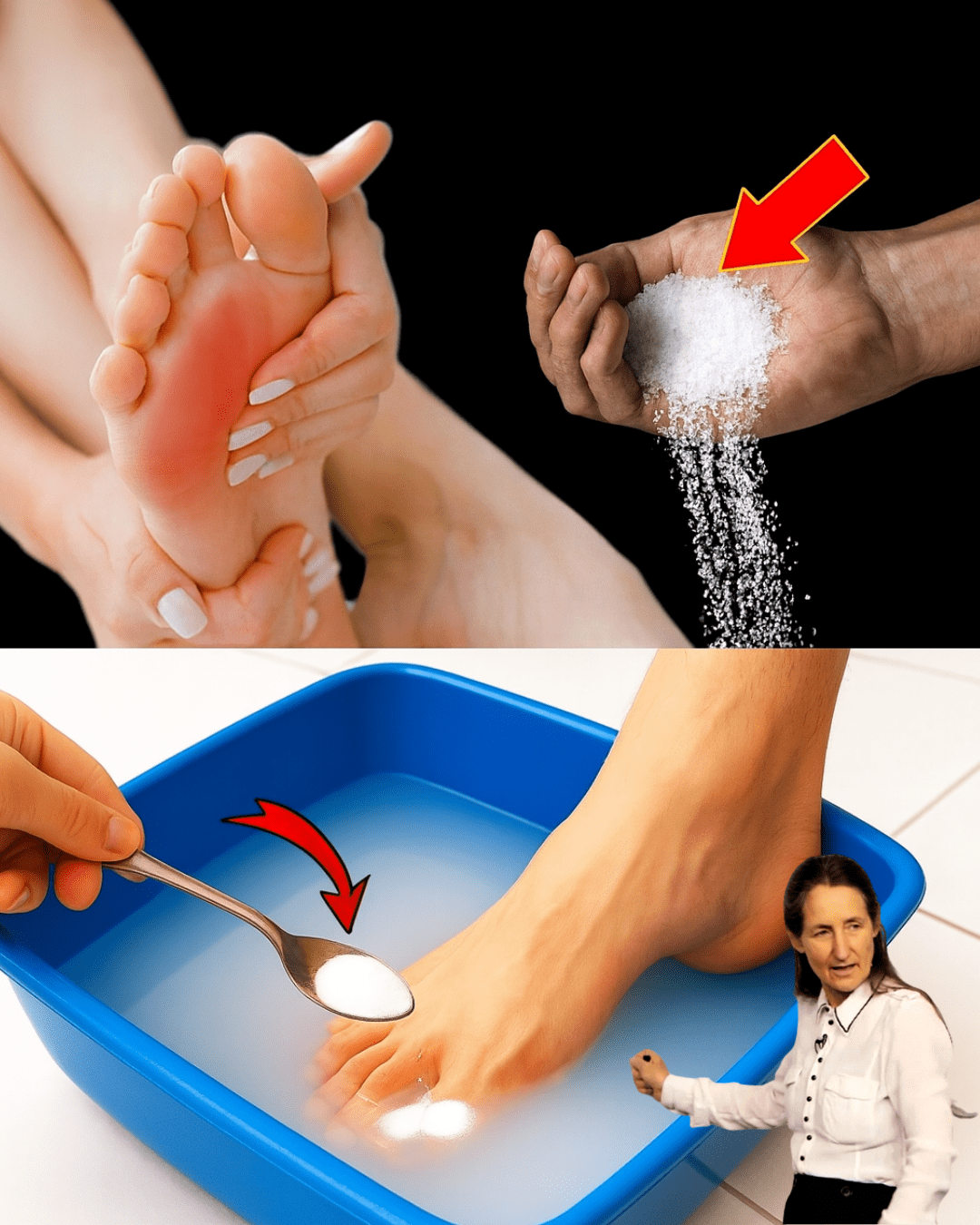
Why People Turn to Natural Foot Soaks
Foot soaks have been a go-to relaxation method for generations. Warm water alone can feel soothing, but adding simple ingredients like herbs, vinegar, and salts may enhance the experience.
Research shows that certain natural elements offer supportive properties. For instance, studies on chamomile highlight its potential anti-inflammatory effects, which could contribute to a calming sensation when used topically. Similarly, warm soaks in general promote relaxation and temporary relief from minor discomforts.
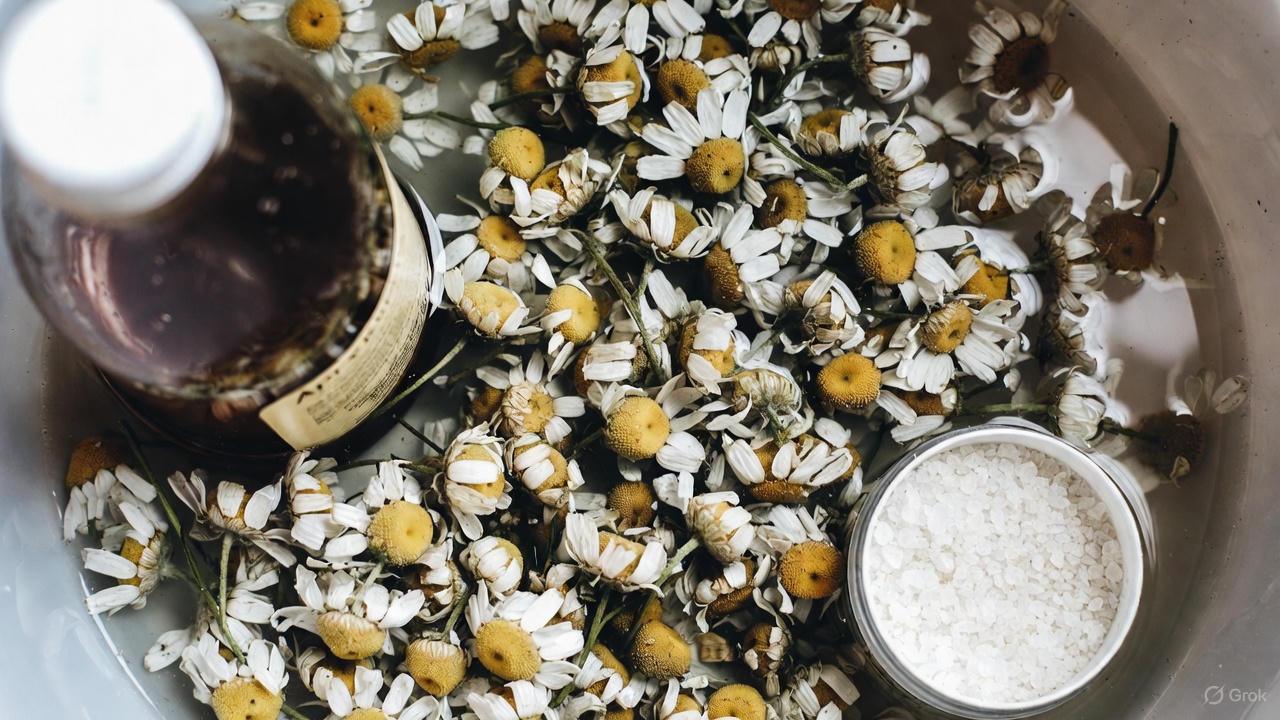
This particular blend—chamomile, apple cider vinegar (ACV), and salt—combines elements traditionally used for foot care. Here’s a closer look at each one.
The Role of Chamomile in Relaxation
Chamomile has long been valued in herbal traditions for its gentle, soothing qualities. Compounds like apigenin in chamomile have been studied for their anti-inflammatory potential.
Studies, including reviews from sources like PubMed, suggest chamomile may help reduce inflammation markers in various applications. When brewed into a tea and added to a soak, it can create a calming aroma and feel.
Many people report that chamomile helps them unwind, especially after a tiring day. But that’s just the start…
How Apple Cider Vinegar Fits In
Apple cider vinegar is a kitchen staple with acetic acid, known for its mild antimicrobial properties. Topically, it may help maintain skin balance and provide a refreshing sensation.
While more commonly used for skin exfoliation or minor irritations, some find ACV in foot soaks leaves feet feeling smoother. Anecdotal feedback often mentions improved comfort from occasional stiffness.
Research on topical ACV is limited but points to potential benefits for skin health in certain contexts, like wound care.
The Appeal of Salt in Soaks
Epsom salt (magnesium sulfate) or sea salt is frequently added to baths for its mineral content. Warm salt soaks are popular for promoting muscle relaxation.
Though evidence on skin absorption of magnesium is mixed—some small studies show minor increases, while others find little—many enjoy the soothing effect of the warm, mineral-rich water.
Sea salt or Epsom salt can also enhance the overall sensory experience, making the soak feel more indulgent.

Benefits People Notice from This Soak
When combined, these ingredients create a warm, aromatic foot bath that many use for:
- Temporary relief from tired, achy feet
- A sense of relaxation in muscles and joints
- Smoother-feeling skin after soaking
- Reduced occasional swelling through the warmth and minerals
- Better unwind time, especially before bed
Here’s a quick comparison of common foot soak ingredients:
| Ingredient | Potential Support | Common Use |
|---|---|---|
| Chamomile | Calming, anti-inflammatory properties | Relaxation and soothing |
| Apple Cider Vinegar | Mild antimicrobial, exfoliating | Skin refreshment |
| Epsom/Sea Salt | Mineral-rich, muscle relaxation | Easing tension |
And here’s what a regular routine might support:
- Soothed stiffness after standing or walking
- Cal9er nerves for better rest
- Overall foot comfort with consistent use
The real appeal? It’s simple, affordable, and uses items you likely have at home.
Step-by-Step Guide to Making the Soak
Ready to try it? This one-spoon formula is straightforward.
Ingredients (for one session)
- 1 tablespoon dried chamomile flowers or 1-2 chamomile tea bags
- 1 tablespoon apple cider vinegar (preferably organic with the mother)
- 1 tablespoon Epsom salt or sea salt
- A basin of warm water (enough to cover your feet)
Instructions
- Brew a strong chamomile tea: Steep the chamomile in 1-2 cups of hot water for 10 minutes.
- Fill a basin with warm (not hot) water.
- Strain and add the chamomile tea to the basin.
- Stir in the salt until dissolved.
- Add the apple cider vinegar.
- Soak your feet for 15-20 minutes.
- Rinse, dry thoroughly, and moisturize if desired.
That’s it—one spoon of each key ingredient for a potentially relaxing ritual.
For variety, use hands if joint comfort there is a concern. Many do this 3-4 times a week.
Tips for the Best Experience
- Use water that’s comfortably warm to avoid irritation.
- Test a small area first if you have sensitive skin.
- Follow with a gentle moisturizer to lock in softness.
- Combine with light foot stretches for added benefits.
Consistency matters—many notice the most from regular use.
This is the part where it gets interesting: While individual results vary, the combination of warmth, aroma, and minerals often leaves people feeling refreshed in ways they didn’t expect.
Conclusion
Exploring natural foot soaks like this chamomile, ACV, and salt blend is a gentle way to prioritize self-care. It’s affordable, easy, and rooted in traditional practices backed by some scientific interest in the individual ingredients.
If foot discomfort persists or affects daily life, consult a healthcare professional for personalized advice.
Frequently Asked Questions
1. How often should I try this foot soak?
Many people use it 3-4 times per week. Start with what feels right and adjust based on your comfort.
2. Can I use this if I have sensitive skin?
Yes, but dilute further if needed and patch test first. Avoid if you have open sores.
3. Is this suitable for everyone?
It’s generally gentle, but check with a doctor if you have conditions like diabetes or poor circulation.
Disclaimer: This information is for educational purposes only and not intended to diagnose, treat, or prevent any medical condition. Always consult a healthcare provider for health concerns. Individual experiences may vary.