
Every time you enjoy the creamy flesh of an avocado in a salad, toast, or smoothie, that large seed often ends up in the trash. Many people also experience occasional digestive discomfort, like feeling bloated after meals or a sense of sluggishness that lingers through the day. These subtle issues can make everyday routines feel heavier than they should, even when trying healthier eating habits. The good news is there’s a straightforward way to repurpose that overlooked seed into a warm, flavorful infusion—especially when combined with hibiscus and cloves—that many find refreshing and supportive for daily comfort. Keep reading to discover how this easy kitchen habit could add a nurturing touch to your routine.
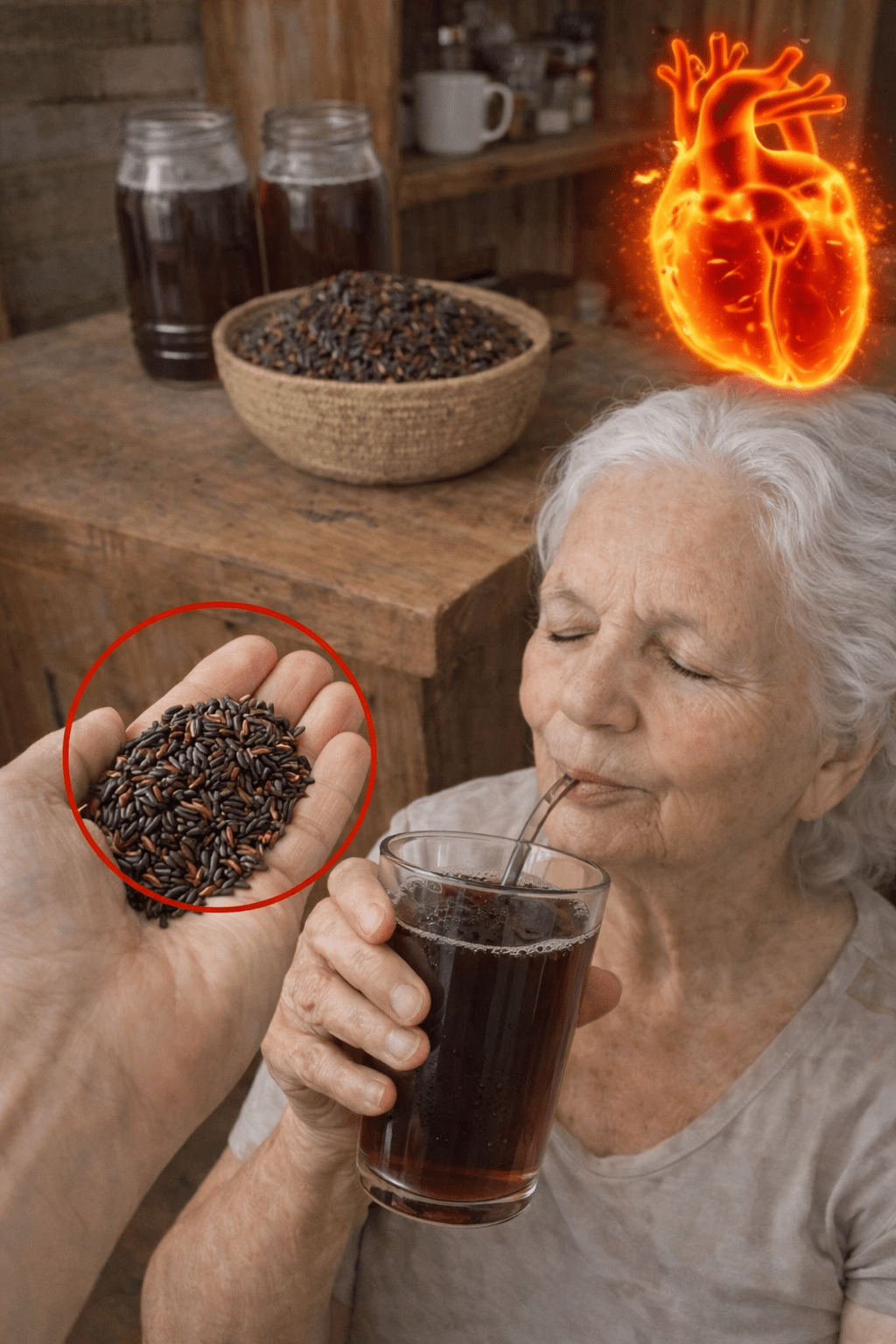
Why Avocado Seeds Are Worth a Closer Look
Most of us discard avocado seeds without a second thought. Yet in regions like Mexico and Central America, where avocados originate, these seeds have been used traditionally in herbal preparations for generations.
Emerging research is highlighting their potential. Studies, including reviews in journals like Food Chemistry, show avocado seeds are packed with dietary fiber and polyphenolic compounds—often in higher concentrations than the fruit itself. These compounds are known for their antioxidant properties, which help the body manage everyday oxidative stress.
Preliminary lab and animal studies suggest these elements may support overall metabolic balance. Many who try seed-based infusions notice a sense of lightness after meals.
But the real appeal often comes from blending the seed with complementary herbs like hibiscus and cloves.
What This Unique Blend of Avocado Seed, Hibiscus, and Cloves Offers
People who incorporate this infusion into their routine often report feeling more balanced. Here’s what research and traditional insights suggest—keep in mind individual experiences vary, and more human studies are ongoing.
Avocado seeds contribute polyphenols that provide antioxidant support, helping protect cells from daily wear.
The fiber content may promote gentle digestive flow, potentially easing that occasional post-meal heaviness.
Hibiscus brings anthocyanins and organic acids. Multiple meta-analyses, such as those in Nutrition Reviews, link regular hibiscus intake to supported healthy blood pressure and cardiovascular markers.
Cloves add eugenol, a compound noted in studies for its potential to soothe the digestive tract and offer anti-inflammatory effects.
Combined, these create a tart, spicy, earthy drink that’s warming and enjoyable.
Here’s a quick overview of commonly noted aspects:
- Antioxidant activity from polyphenols across all three ingredients
- Warming sensation that promotes relaxation
- Potential for smoother digestion and reduced occasional bloating
- Support for comfortable circulation, largely from hibiscus anthocyanins
- A pleasant ritual that fits easily into busy days
The synergy makes this blend more inviting than any single ingredient alone.
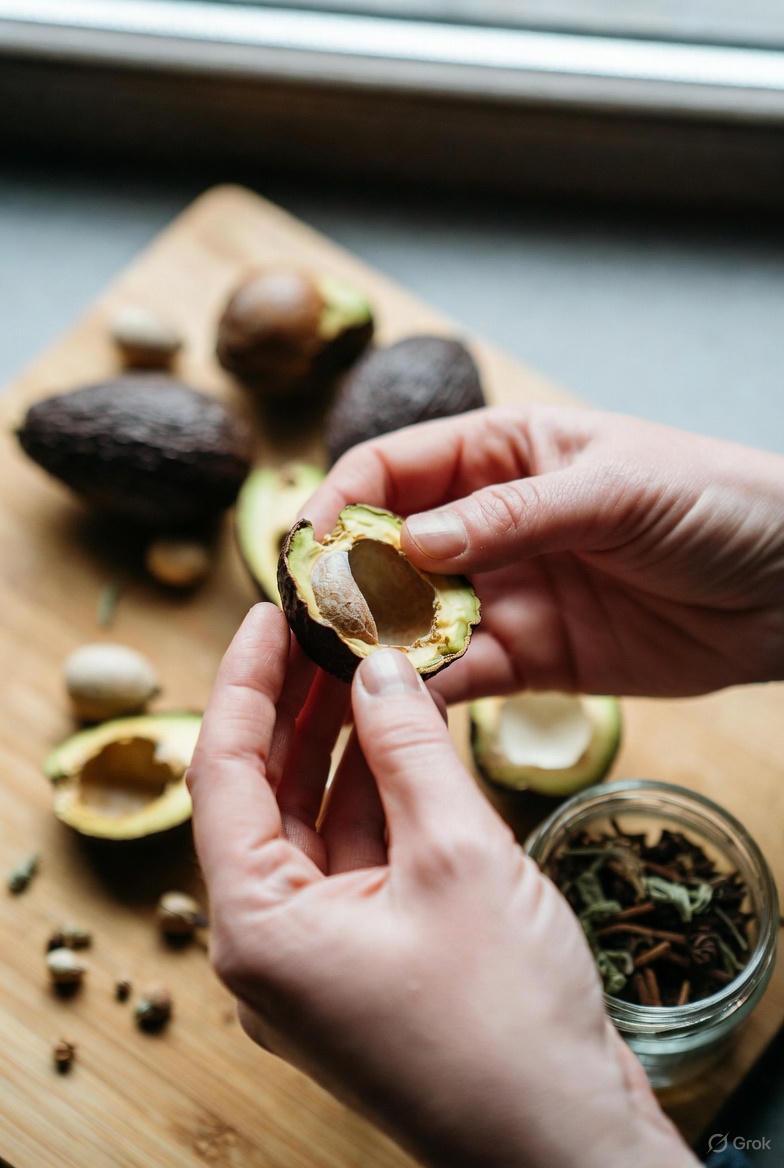
Comparing the Key Ingredients in This Infusion
To better understand the blend, here’s a simple table highlighting each component:
| Ingredient | Key Compounds | Commonly Associated Support | Notes from Research |
|---|---|---|---|
| Avocado Seed | Polyphenols, dietary fiber | Antioxidant activity, digestive comfort | Higher phenolic levels than fruit; promising in lab and animal studies |
| Hibiscus | Anthocyanins, organic acids | Circulation support, fluid balance | Strong evidence from human meta-analyses for blood pressure markers |
| Cloves | Eugenol, flavonoids | Digestive soothing, warmth | Animal studies show potential anti-inflammatory effects |
This combination—tart hibiscus, spicy cloves, and earthy avocado seed—creates a balanced flavor profile.
Step-by-Step Guide to Preparing Avocado Seed, Hibiscus, and Clove Tea at Home
This infusion is simple to make with basic kitchen tools. Here’s a beginner-friendly approach:
First, prepare one clean avocado seed:
- Rinse it well to remove any flesh.
- Pat dry and air-dry for 2–3 days until firm (or bake at low heat to speed up).
- Peel the thin outer skin if desired.
- Grate or finely chop into small pieces for better infusion.
Gather these ingredients for a batch:
- 1 prepared avocado seed (grated)
- 1–2 tablespoons dried hibiscus flowers (widely available)
- 4–6 whole cloves
Steps:
- Boil 4 cups of water in a pot.
- Add the grated seed, hibiscus, and cloves.
- Lower heat and simmer covered for 15–20 minutes—the color will turn deep red.
- Steep off heat for 5–10 minutes.
- Strain into cups.
- Enjoy warm, perhaps with a touch of honey or lemon.
This yields 3–4 servings. Refrigerate extras for up to 2 days and reheat gently.
Start small to adjust to the flavor.
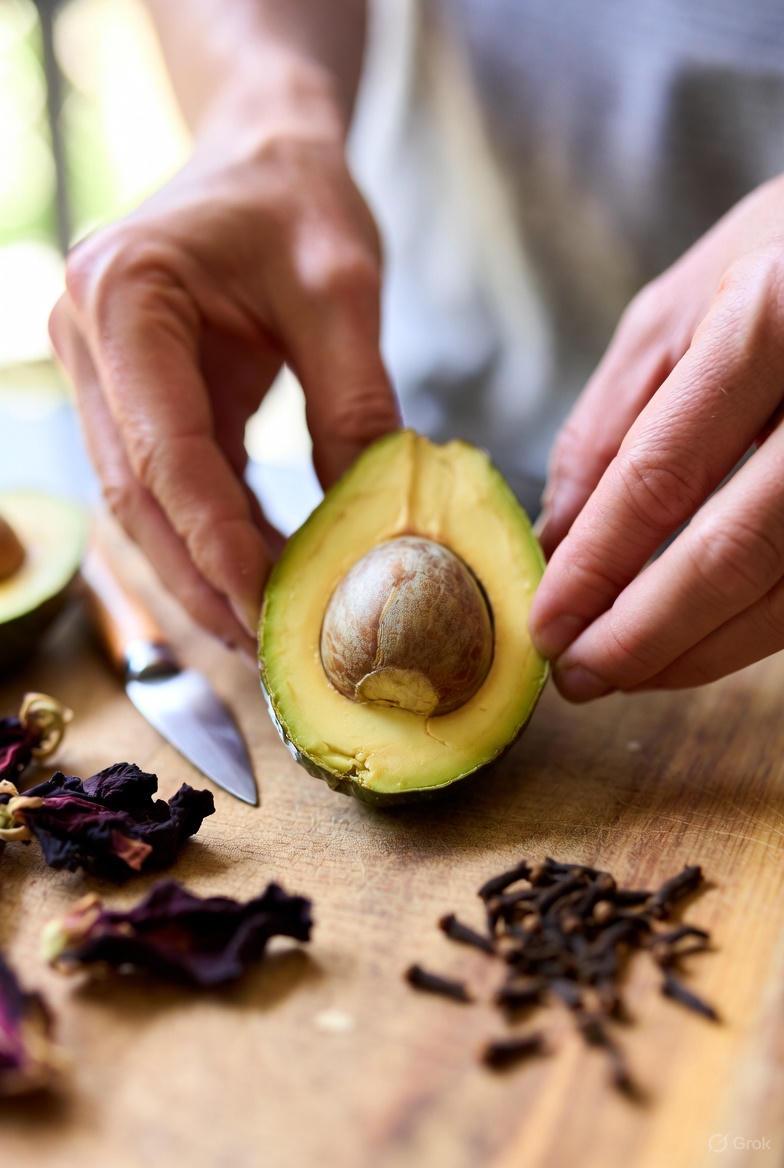
Easy Ways to Make This Tea Part of Your Daily Routine
Building consistency helps you notice subtle benefits. Try these ideas:
- Morning: Pair a cup with breakfast for a gentle start.
- Afternoon: Swap for coffee to maintain steady energy.
- Evening: Sip 1–2 hours before bed for winding down.
Many report feeling lighter digestion-wise after a week or two of moderate use.
Variations to explore:
- Add fresh ginger for extra warmth.
- Mix with green tea for a lighter taste.
- Serve chilled in warmer weather.
Listen to your body and make it enjoyable.
Important Considerations for Safe Enjoyment
This blend is popular and generally well-tolerated in small amounts, but mindfulness is key.
Research on avocado seeds indicates low concerns in typical infusion doses, though high amounts in animal studies raised questions.
Hibiscus can influence blood pressure—helpful for some, but monitor if levels are already low.
Cloves are safe in culinary quantities.
Guidelines to follow:
- Stick to 1–2 cups per day.
- Use in cycles, like 2 weeks on and 1 off.
- Avoid during pregnancy or breastfeeding due to limited data.
- Check with a doctor if taking medications (especially blood pressure-related) or managing health conditions.
Starting gradually allows you to assess how it feels for you.
Wrapping Up: A Zero-Waste Habit with Everyday Appeal
Repurposing avocado seeds with hibiscus and cloves offers a simple, sustainable way to enjoy a flavorful herbal tea. Drawing from traditional uses and supported by promising research on the ingredients, many find it adds comfort to digestion and daily vitality.
If you’re interested in a gentle, natural ritual, trying a batch could be a worthwhile experiment. Consistent small habits like this often bring the most noticeable shifts.
Frequently Asked Questions
Is there reliable research on avocado seed infusions?
Studies on their polyphenols and antioxidants are encouraging, mainly from lab and animal work. Hibiscus has robust human evidence for circulation support, while benefits overall draw from traditional practices and early findings.
How soon might I notice any changes?
Results differ, but some experience subtle digestive or energy improvements within 1–2 weeks of regular, moderate enjoyment.
Is it suitable for long-term daily use?
Moderation is best. Consider cycling and consult a healthcare provider for tailored guidance, especially with ongoing concerns.
This article is for informational purposes only and is not intended to diagnose, treat, cure, or prevent any disease. The information is based on general research and traditional uses. Always consult a qualified healthcare provider before dietary changes or trying new herbal infusions, particularly if you have health conditions, are pregnant, breastfeeding, or taking medications.


