
Finding unwanted pests in your home can be frustrating and unsettling. Those tiny trails of ants on the counter or occasional spiders in corners disrupt your peace and make everyday spaces feel less comfortable. Many people turn to strong chemical options, but there’s a gentler approach using something you likely already have.
Research shows that strong scents from mint compounds, like menthol found in peppermint oil, can interfere with how insects navigate and find food sources. This makes mint-based items a popular natural option for discouraging common household pests. Keep reading to discover practical ways to try this at home and see if it works for your situation.
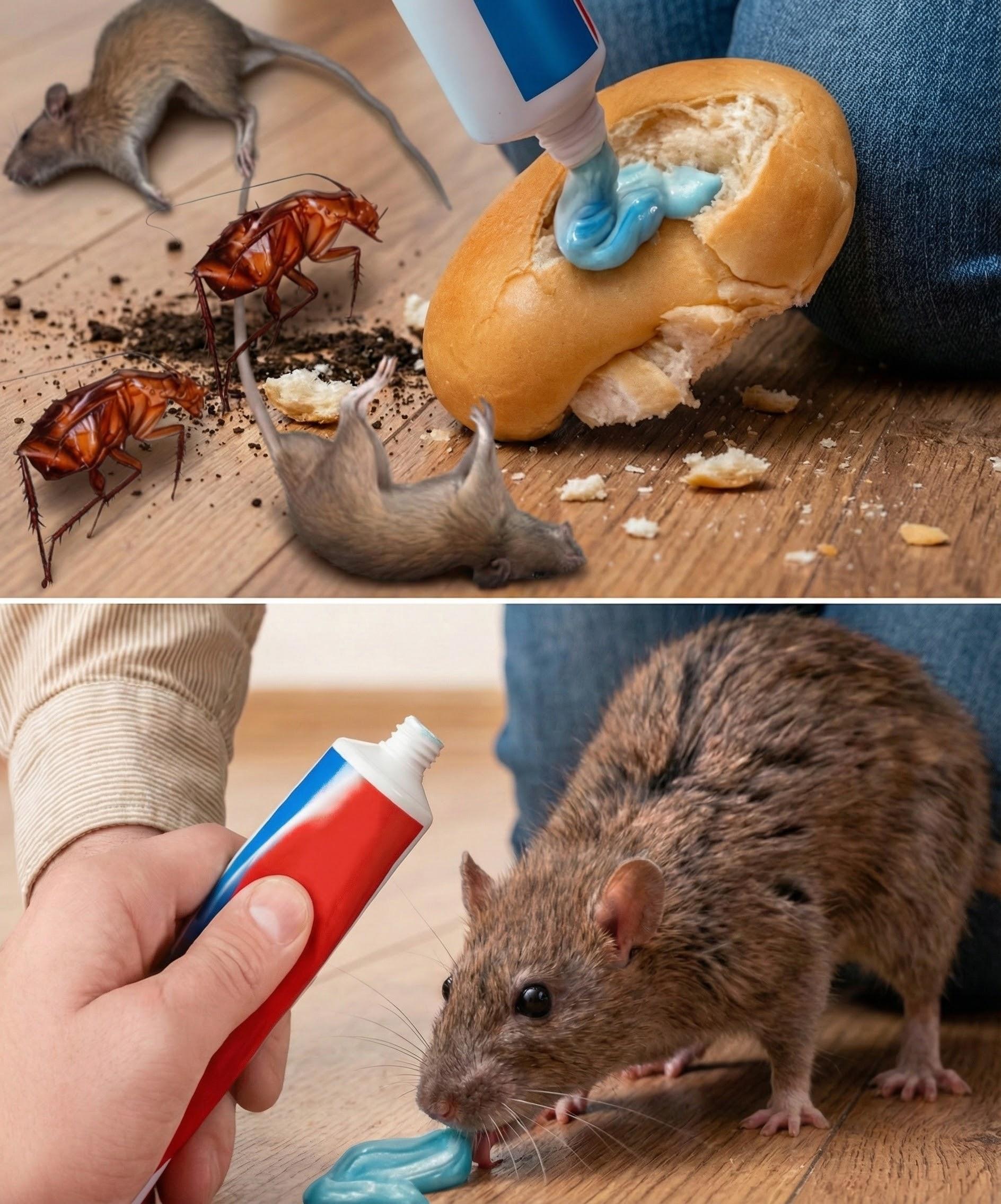
Why Mint Scents May Help Deter Certain Pests
Many insects, such as ants and spiders, rely on their sense of smell to locate food and follow trails. Strong aromas can disrupt these signals, making areas less appealing.
Studies on essential oils, including peppermint, have found that menthol and similar compounds can act as repellents for some species. For example, research in journals like Pest Management Science indicates peppermint oil reduces foraging activity in certain ants. Similar findings exist for spiders and other crawling insects, where the scent overwhelms their sensory systems.
Toothpaste often contains mint flavoring derived from these same natural sources. While not as concentrated as pure essential oils, the scent from mint toothpaste may provide a similar mild deterrent effect when applied in small amounts. Many homeowners report positive experiences with this simple method.
But that’s not all. The approach is easy to test without commitment.
Simple Ways to Apply Mint Toothpaste Around Entry Points
One common method involves creating scent barriers at potential entry spots.
Here’s how to try it step by step:
- Choose a plain mint or peppermint-flavored toothpaste (avoid gels or colored varieties for better adhesion).
- Use a cotton swab to apply thin lines along windowsills, door thresholds, baseboards, or small cracks.
- Focus on areas where you’ve noticed pest activity.
- Refresh the lines every few days or after cleaning, as the scent fades over time.
This creates an invisible line that may confuse scouting insects. Users often notice fewer trails appearing in treated spots.
Pro tip: For outdoor areas like patios, try small dots around furniture legs. Always test on surfaces first to check for any residue.
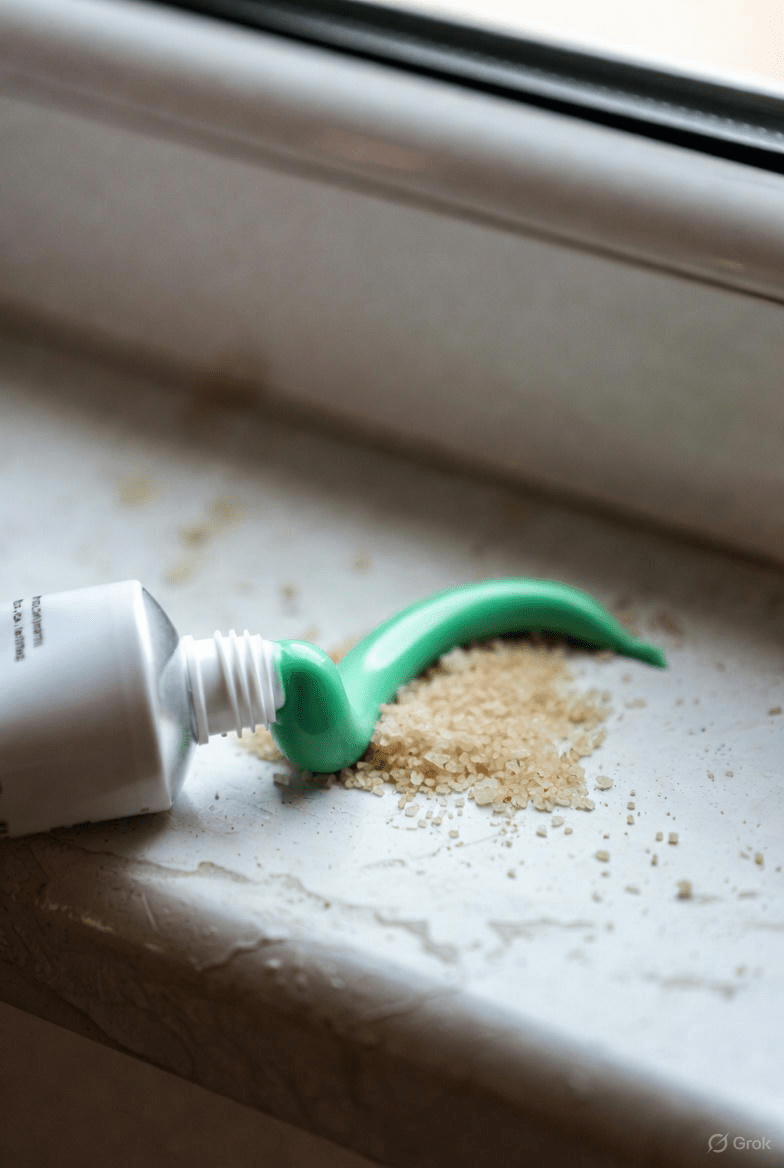
Additional Household Tips Using Mint Toothpaste
Here are more actionable ideas shared by those who’ve tried natural deterrents:
- Place small dots in cabinet corners or near appliances.
- Soak cotton balls in a diluted toothpaste-water mix and position them in hidden spots.
- For garden plants, dab tiny amounts on stems to discourage crawling insects (rinse produce thoroughly).
Combine these with good habits like sealing cracks and keeping surfaces clean for better results.
Common Pests That Strong Mint Scents May Affect
| Pest Type | How Mint Scent May Help | Notes from Observations |
|---|---|---|
| Ants | Disrupts pheromone trails | Effective on scout ants; reapply often |
| Spiders | Overwhelms sensory receptors | Reduces webs in corners |
| Cockroaches | Masks food odors | Best as part of broader cleaning |
| Mice/Rodents | Strong aroma irritates sensitive noses | Anecdotal reports of avoidance |
Research supports mint oils for ants and some other insects, though results vary by species and environment.
Safety Tips When Trying This Method
Always prioritize safety with any home remedy.
- Use only mint-flavored varieties – avoid those with added sweeteners that might attract pests.
- Keep applications away from children and pets.
- Test small areas to prevent staining on fabrics or surfaces.
- Reapply after rain, cleaning, or heavy traffic.
This method works best for mild activity or prevention. For larger issues, consider combining with professional advice.
Ready to Give Mint Toothpaste a Try in Your Home?
Starting with a tube you already own makes this an accessible option. Many find it helpful alongside habits like storing food properly and reducing clutter.
Experiment in one area first and observe changes over a week. Natural scents offer a refreshing alternative that leaves your space smelling clean.
Frequently Asked Questions
Is mint toothpaste safe to use around food areas?
Yes, in small amounts away from direct food contact. Wipe surfaces clean before preparing meals.
How often should I reapply the toothpaste lines?
Every 3-7 days, or sooner if the mint scent fades or after wiping the area.
Will this work for all types of pests?
It may help with scent-sensitive insects like ants and spiders, but effectiveness varies. It’s not a standalone solution for severe infestations.
Disclaimer: This information is for general educational purposes and shares common home tips based on user experiences and research on natural scents. It is not intended to diagnose, treat, or prevent any pest issues. Results can vary, and for significant problems, consult a professional pest control expert. Always follow product labels and prioritize safety.


