Discovering tiny bugs crawling on your sheets or hearing the buzz of mosquitoes at night can ruin anyone’s peace of mind. These unwelcome visitors don’t just annoy — they leave itchy bites, disturb sleep, and make you feel like your own home isn’t safe anymore. The good news? Many people have found success using a single, inexpensive household ingredient that insects seem to dislike intensely.
And the best part? You probably already have it in your kitchen cupboard right now. Keep reading to find out exactly what it is and how to use it the right way.
What Is This One Powerful Ingredient?
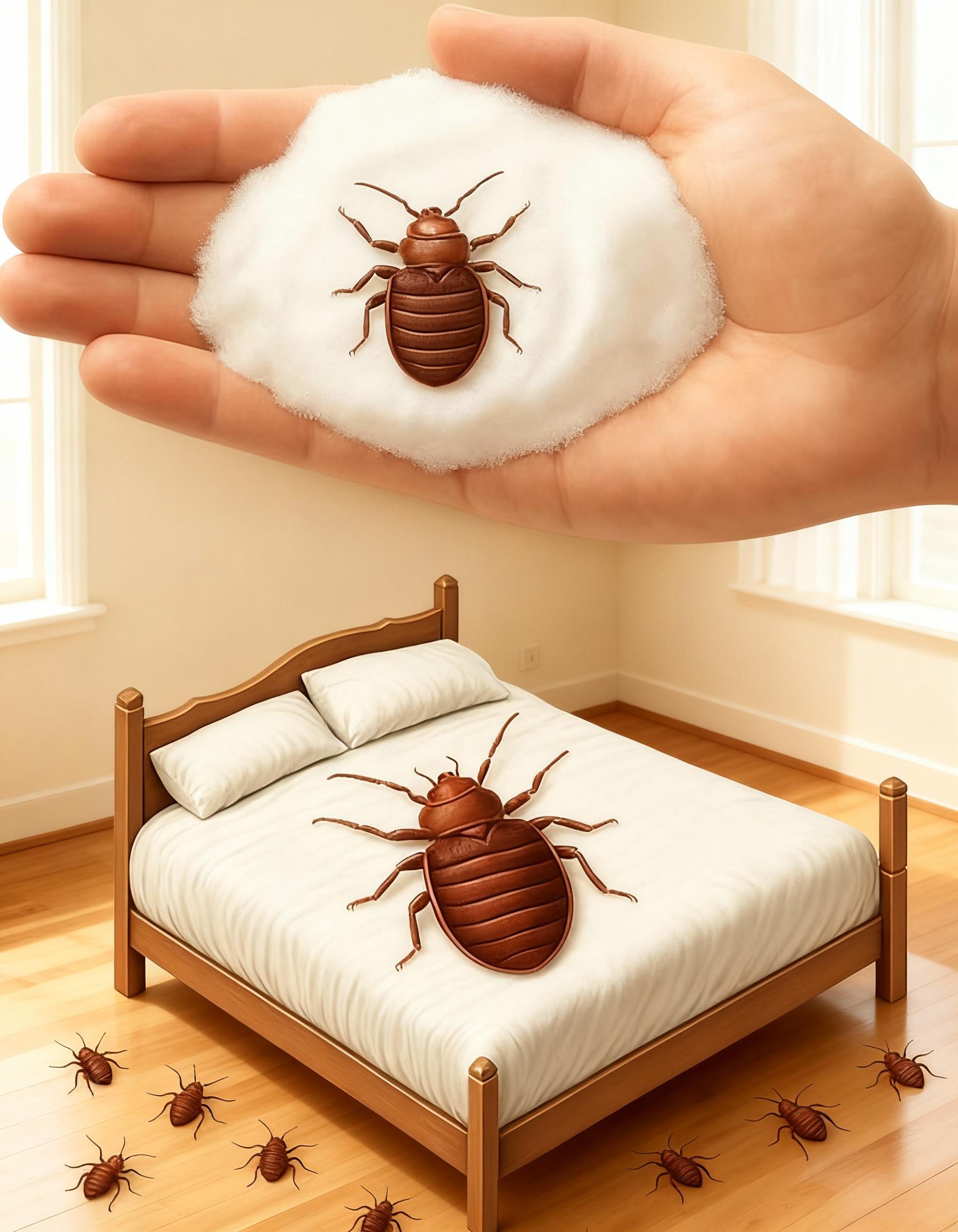
The star of this natural approach is diatomaceous earth (often shortened to DE).
Food-grade diatomaceous earth is a fine, white powder made from the fossilized remains of tiny aquatic organisms called diatoms. Under a microscope, it looks like microscopic shards of glass — completely harmless to humans and pets when you choose the food-grade version, but very unpleasant for insects with exoskeletons.
Research published in the Journal of Economic Entomology and studies from Purdue University have shown that food-grade diatomaceous earth works as a mechanical insecticide. It damages the waxy outer layer of insects, causing them to dry out slowly. That’s why bed bugs, cockroaches, fleas, ants, and even mosquitoes tend to avoid areas where it’s properly applied.
Why People Are Turning to Diatomaceous Earth Right Now
- It contains no chemical pesticides
- Safe enough to be used in organic farming and food storage
- Costs just a few dollars per pound and lasts for years
- Odorless and leaves no stains
- Works 24/7 once applied correctly
But here’s the catch: it only works if you use it the right way. Many people sprinkle it once and give up too soon. Let me show you the simple method that actually delivers results.

Step-by-Step: How to Use Diatomaceous Earth Around Your Home
1. Choose the Right Type
Always buy food-grade diatomaceous earth. The pool-grade version is chemically treated and not safe for home use.
2. Wear Basic Protection
Put on an inexpensive dust mask (the powder is very fine) and optionally wear glasses. It’s non-toxic, but you don’t want to inhale a cloud of it.
3. Apply a Thin, Even Layer in Key Areas
Using a small bulb duster, old ketchup bottle, or even a makeup brush, lightly dust these spots:
- Along baseboards and behind furniture
- Around bed frames, under the mattress, and inside box springs (focus on seams and tufts)
- In cracks around windows and door frames
- Inside cabinets and pantry corners
- Along the edges of carpets
Remember: a little goes a long way. You want a barely visible film — not a pile like powdered sugar.
4. Leave It Undisturbed
Diatomaceous earth keeps working as long as it stays dry. Vacuum or wipe only the areas you walk on daily, then reapply every 7–10 days for the first month if you have an active issue.
5. Combine with Simple Habits for Better Results
- Wash and dry bedding on high heat weekly
- Vacuum mattresses and furniture thoroughly
- Reduce clutter where insects can hide
- Use mattress and pillow encasements
Studies from the University of Kentucky and Ohio State University Extension show that combining mechanical methods (like DE) with basic sanitation gives much better long-term control than any single method alone.
Where Mosquitoes and Flies Hate It Most
People often forget window sills and door tracks. A light dusting in these areas creates an invisible barrier that flying insects cross at their own risk. Many readers report far fewer mosquitoes coming inside after treating window rails — especially during summer evenings.
Safety First: What You Need to Know
Food-grade diatomaceous earth is recognized as safe by the FDA for both human and animal consumption in small amounts. It’s even added to stored grain to protect against insects. However:
- Keep it away from pets’ faces (they might sneeze)
- Don’t apply it where babies crawl daily — vacuum it up after a few days if needed
- Always store it in a sealed container
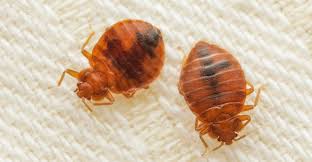
Quick Comparison: Diatomaceous Earth vs. Common Alternatives
| Method | Cost | Safety for Kids/Pets | Lasting Effect | Odor/Stains |
|---|---|---|---|---|
| Chemical sprays | Medium–High | Use caution | 1–4 weeks | Often strong |
| Diatomaceous earth | Very Low | Very safe (food-grade) | Months if dry | None |
| Essential oil sprays | Medium | Generally safe | Hours–days | Strong scent |
| Professional treatment | High | Varies | 3–12 months | None |
Real Results Readers Have Shared
“I dusted my bed frame seams and window sills three weeks ago. The bites stopped almost immediately.” – Sarah K.
“We had cockroaches in the kitchen. After vacuuming and applying DE behind the fridge and stove, we haven’t seen one in two months.” – James R.
Individual results vary, of course, but the feedback keeps coming in.
The Bottom Line
If you’re looking for a simple, natural way to make your home less inviting to bed bugs, mosquitoes, cockroaches, and other common pests, food-grade diatomaceous earth deserves a spot in your toolkit. It’s inexpensive, safe when used correctly, and backed by decades of university research.
Start small, be consistent, and combine it with good cleaning habits. Many families notice a real difference within the first couple of weeks.
Frequently Asked Questions
1. How long does it take for diatomaceous earth to work?
It starts working as soon as insects contact it, but visible reduction usually takes 7–14 days of consistent use.
2. Can I use diatomaceous earth on my mattress directly?
Yes — lightly dust seams and tufts, let it sit for a few hours (or overnight), then vacuum thoroughly. Most people prefer to use it inside encasements or along the frame.
3. Is diatomaceous earth harmful to dogs or cats?
Food-grade DE is commonly used in pet supplements and flea powders. Just prevent them from inhaling large amounts while you apply it.
Disclaimer: This article is for informational purposes only and is not intended to diagnose, treat, or prevent any pest infestation or health condition. For severe infestations, consult a licensed pest-control professional. Always follow product labels and safety guidelines.