
Many older adults notice changes in how their body feels throughout the day, like tired legs after short walks, occasional swelling in the ankles, or cooler hands and feet even in comfortable weather. These sensations can make everyday activities less enjoyable and leave you wondering if it’s just a normal part of getting older. Research suggests that certain minerals play a role in supporting healthy blood vessel function and overall circulation, and one mineral that often comes up in discussions is magnesium.
What if a small daily habit, like enhancing your water with this mineral, could help support your body’s natural processes? In this article, we’ll explore the connection between magnesium and circulation, backed by scientific insights, and share a practical way to incorporate it into your routine.

Understanding Circulation Challenges in Later Years
As we age, blood vessels can naturally become less flexible, and blood flow to the extremities may not be as efficient as it once was. This can contribute to feelings of heaviness in the legs, cooler extremities, or mild swelling by day’s end.
Studies have linked lower magnesium levels to changes in vascular health, including effects on blood vessel relaxation and endothelial function—the inner lining of arteries. For example, research published in the Journal of the American Heart Association has explored how magnesium supplementation influences arterial stiffness, a measure related to how well blood vessels respond.
Magnesium acts as a natural supporter of muscle relaxation around blood vessels, which may help maintain smoother blood flow. Observational data and intervention trials suggest that adequate magnesium intake is associated with better vascular tone and reduced arterial stiffness over time.
But here’s the interesting part: most tap or bottled water provides little to no magnesium, so a simple addition might make a difference in your daily mineral support.
How Magnesium Supports Vascular Health
Magnesium is involved in over 300 enzymatic reactions in the body, including those that help regulate muscle and nerve function. When it comes to circulation, magnesium helps promote relaxation of blood vessel walls, supporting healthy blood pressure levels already within normal range and encouraging better flow to hands, feet, and other areas.
Several studies indicate potential benefits:
- Long-term magnesium intake has been associated with improvements in arterial stiffness in overweight and older adults.
- Magnesium may support endothelium-dependent vasodilation, which aids in maintaining flexible blood vessels.
- Adequate levels are linked to reduced inflammation markers that can affect vascular health.
While results vary across studies, and more research is always needed, evidence points to magnesium as an important player in cardiovascular wellness.
Key Potential Benefits for Everyday Well-Being
Here are some ways magnesium may contribute to how you feel:
- Supports warmer extremities by promoting better peripheral blood flow.
- Helps maintain energy levels through its role in cellular energy production.
- Encourages muscle relaxation, which may reduce occasional leg discomfort.
- Aids in normal heart rhythm and blood pressure balance.
- Contributes to overall vascular flexibility and reduced stiffness.
These effects are most noticeable when magnesium intake meets daily needs, especially if your diet is low in magnesium-rich foods.
Plain Water vs. Magnesium-Enhanced Water: A Quick Comparison
| Feature | Plain Water | Water with Added Magnesium |
|---|---|---|
| Basic hydration | Yes | Yes, often well-absorbed |
| Mineral contribution | Minimal | Provides magnesium support |
| Taste | Neutral | Light and refreshing |
| Support for circulation | Hydration only | May aid vascular relaxation |
| Daily enjoyment | Standard | More appealing with citrus |
Adding magnesium can turn a basic habit into one that feels more supportive.
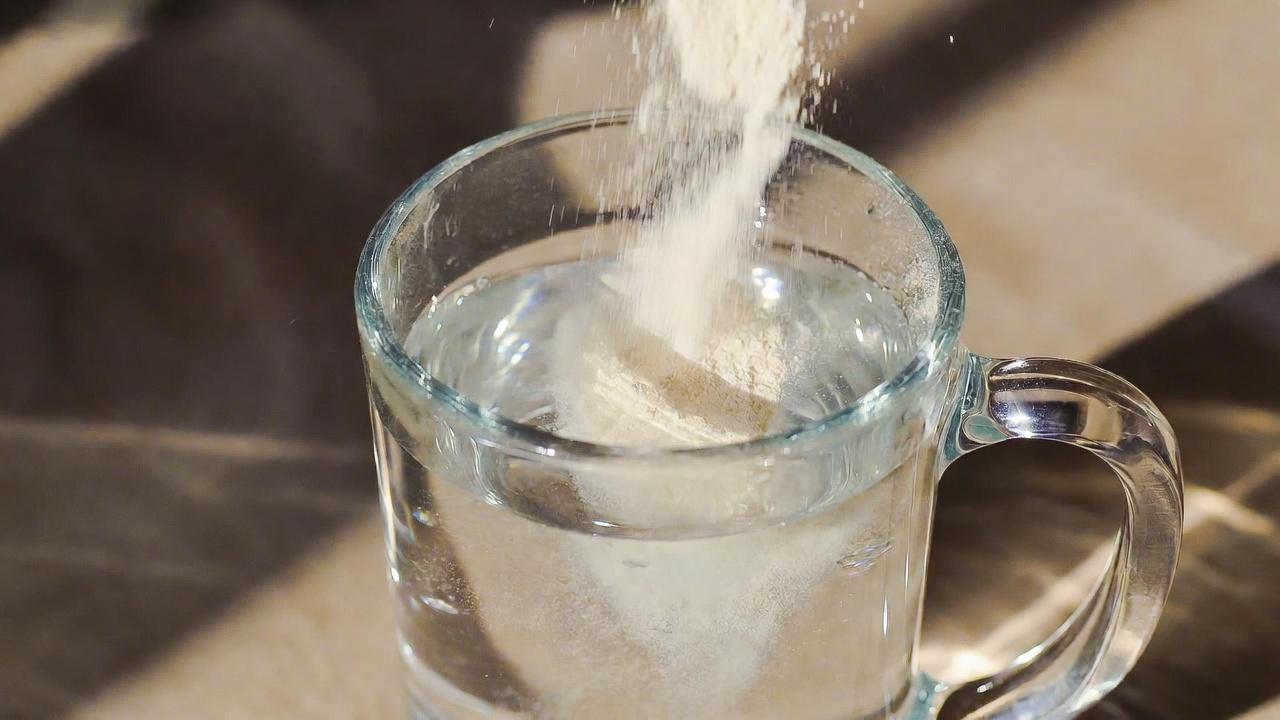
Easy Recipe: How to Make Magnesium Water at Home
This straightforward approach makes it simple to boost your magnesium intake through hydration.
What You’ll Need:
- Magnesium citrate powder (widely available at pharmacies or health stores—choose a reputable brand)
- 1 liter (about 34 oz) of filtered water
- Optional: Fresh lemon or orange slices for natural flavor
Step-by-Step Preparation:
- Start with a clean pitcher or bottle.
- Add 1 teaspoon (approximately 200-300 mg elemental magnesium—check the label) of magnesium citrate powder to the water.
- Stir well until fully dissolved; it mixes easily and may create a slight effervescent feel.
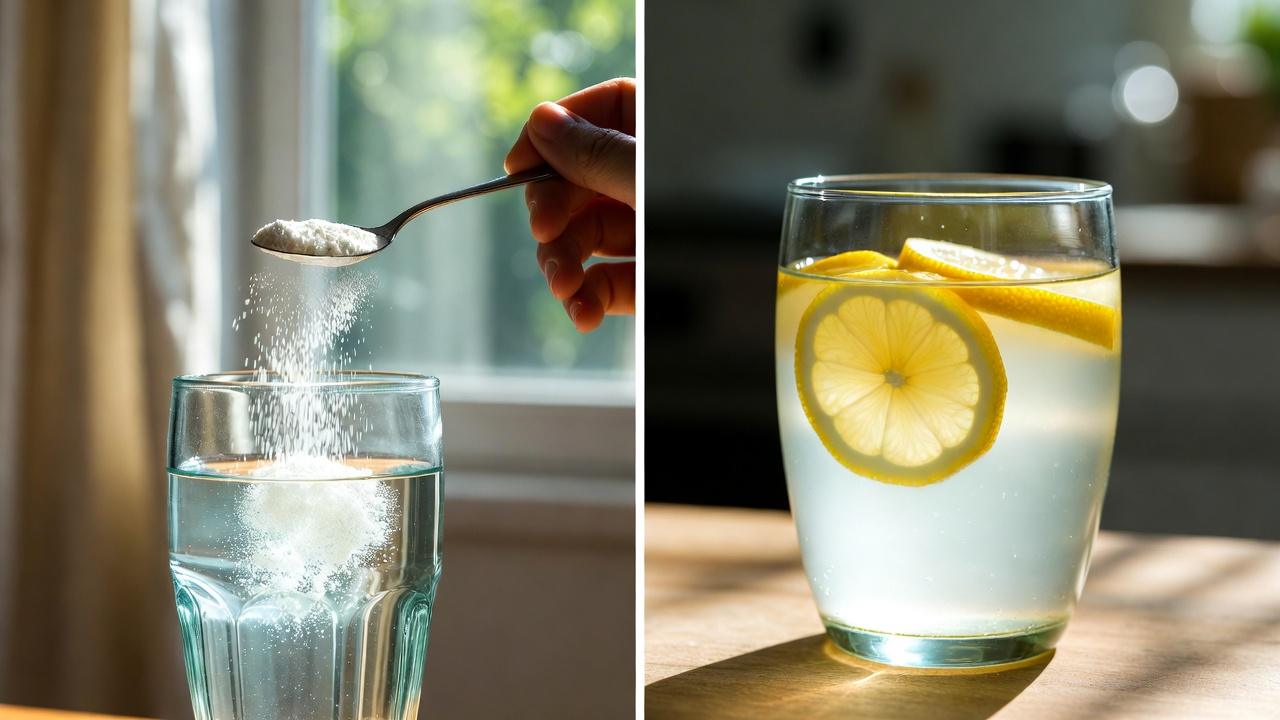
- Add a few slices of lemon or orange for a fresh, citrus taste that makes it more enjoyable.
- Chill in the refrigerator and sip throughout the day.
Many people find this version more refreshing than plain water, encouraging better hydration overall.
Practical Tips for Safe and Effective Use
To get the most from this habit:
- Begin with a lower dose (around 200 mg elemental magnesium daily) and increase gradually if needed.
- Spread intake throughout the day rather than all at once to support steady absorption.
- Pair with magnesium-rich foods like spinach, almonds, avocado, pumpkin seeds, and dark chocolate.
- Take with meals to minimize any potential digestive discomfort.
The Recommended Dietary Allowance for magnesium is 310-320 mg per day for women and 400-420 mg for men, with slightly higher needs in some cases. Supplements like magnesium citrate are well-absorbed, but food sources should form the foundation.
Common Questions About Magnesium and Circulation
Is magnesium safe for daily use? For most healthy adults, yes—when taken at recommended levels. However, if you have kidney concerns, take medications, or have any health conditions, check with your healthcare provider first.
How long might it take to notice changes? Individual responses vary, but consistent daily intake over several weeks is often when people report feeling more comfortable in their daily routines.
Can I combine this with other habits? Absolutely—combine with regular light activity, a balanced diet, and staying hydrated for overall support of vascular health.
Final Thoughts: A Small Step for Daily Support
Incorporating magnesium into your water is a simple, enjoyable way to support your body’s natural circulation processes as you age. With its role in vessel relaxation and overall wellness, this habit could become a refreshing part of your day.
Small, consistent changes often lead to the biggest differences in how you feel.
Disclaimer: This article is for informational purposes only and is not intended as medical advice. Always consult your healthcare provider before starting any new supplement routine, especially if you have existing health conditions or take medications.


