Many adults deal with recurring minor infections, digestive discomfort, or seasonal illnesses that leave them feeling run down. As antibiotic resistance continues to rise and people seek gentler daily support, everyday kitchen ingredients like garlic often spark curiosity about their potential role in maintaining wellness. But how much of the hype is backed by real evidence?
In this article, we’ll examine the popular claim that garlic “kills 14 types of bacteria and 13 types of infections,” separate fact from exaggeration, and explore what research actually shows about its antimicrobial compounds. Stick around until the end for a simple, practical tip that maximizes garlic’s natural potential.
The Origin of the “14 Bacteria and 13 Infections” Claim
The specific numbers in this viral claim likely stem from older lab studies on garlic oil or extracts. For instance, one study reported garlic oil showing activity against 14 enteric pathogens (harmful gut-related bacteria) and 11 commensal strains in test-tube settings. However, this doesn’t translate to garlic directly “killing” exactly 14 bacteria or curing 13 specific infections in the human body.
Research highlights allicin—the key sulfur compound formed when fresh garlic is crushed—as the main player. Allicin reacts with microbial enzymes, potentially disrupting bacterial processes. Studies describe its broad-spectrum effects in lab conditions against various Gram-positive and Gram-negative bacteria, including some resistant strains.
But here’s the important part: Most evidence comes from in vitro (test-tube) experiments or animal models. Human studies show more modest, supportive effects rather than direct eradication of infections.
What Does Science Say About Garlic’s Antimicrobial Potential?
Numerous reviews and lab studies indicate that allicin and other garlic organosulfur compounds exhibit activity against a range of microorganisms. This includes:
- Bacteria like Escherichia coli, Staphylococcus aureus, Salmonella, and others
- Some fungi, such as Candida albicans
- Hints of antiviral and antiparasitic effects in preliminary research
Evidence suggests garlic compounds may support the body’s natural defenses by potentially inhibiting microbial growth and reducing certain biofilms (protective bacterial layers). However, results vary based on preparation, dosage, and individual factors.
Importantly, garlic is not a substitute for medical treatment. Clinical trials often show supportive benefits for general wellness, such as immune balance or gut comfort, rather than definitive cures.
Here are key points from evidence-based overviews:
- Broad activity observed in lab settings against Gram-positive and Gram-negative bacteria
- Potential synergy with certain antibiotics in some studies
- Effects often stronger with fresh, crushed garlic due to higher allicin release
But remember: These findings are promising for supportive use, not replacement therapy.
Practical Ways to Incorporate Fresh Garlic Into Your Routine
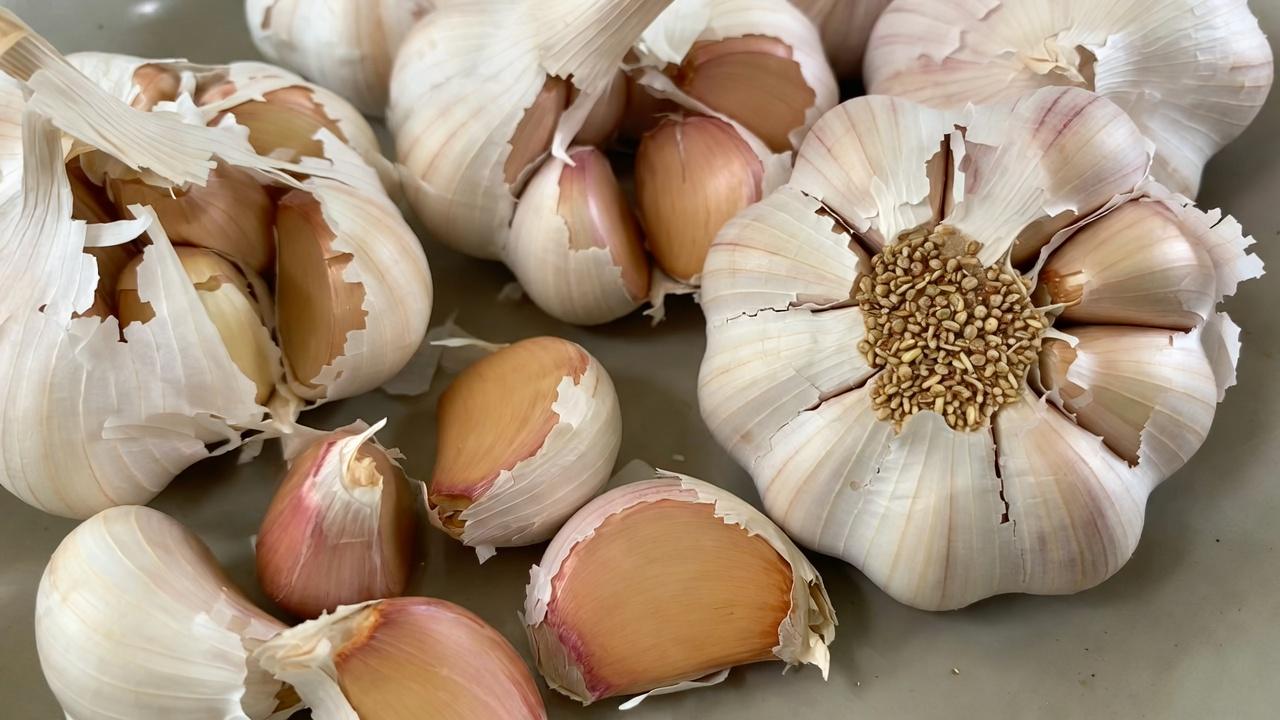
Want to explore garlic’s potential benefits safely? Focus on fresh garlic, as processing can reduce active compounds. Here’s a simple step-by-step guide:
- Choose fresh bulbs — Look for firm, plump cloves without sprouts.
- Crush or chop — Activate allicin by crushing the clove and letting it sit for 10-15 minutes before use.
- Start small — Begin with 1 clove per day to assess tolerance.
- Add to meals — Mix into salads, dressings, soups, or spreads for better digestion of the flavor.
- Try a simple tonic — Combine crushed garlic with a teaspoon of honey for a soothing daily option (many find this more palatable).
Consistency matters more than large amounts—aim for regular, moderate inclusion rather than occasional high doses.
Bonus tips for better results:
- Pair with healthy fats (like olive oil) for improved absorption of compounds.
- Avoid overcooking, as heat can degrade allicin quickly.
- Stay hydrated and maintain a balanced diet to support overall wellness.
Garlic vs. Other Common Options: A Quick Comparison
| Aspect | Fresh Garlic | Conventional Antibiotics | Probiotic Supplements |
|---|---|---|---|
| Spectrum | Broad in lab studies (bacteria, some fungi) | Targeted to specific bacteria | Focuses on beneficial gut strains |
| Resistance Concern | Low (multi-target mechanism) | Higher over time | Low |
| Accessibility | Everyday kitchen staple | Prescription required | Over-the-counter |
| Typical Use | Supportive daily wellness | Acute infections | Gut balance |
| Side Effects | Mild (odor, occasional upset) | Can disrupt gut flora | Generally minimal |
Fresh garlic stands out for its natural, accessible profile when used thoughtfully.
Real-World Considerations and Realistic Expectations
Many people report feeling more resilient with consistent fresh garlic use, perhaps due to its supportive role in daily routines. However, individual responses vary, and factors like overall diet, stress, and sleep play major roles in wellness.
Start small, listen to your body, and track how you feel over a few weeks. If you’re managing ongoing health concerns, professional guidance ensures the best approach.
Frequently Asked Questions (FAQ)
1. How much fresh garlic should I eat daily for potential benefits? Most studies suggest 1-2 cloves per day is a reasonable amount for general wellness support. Start lower if you’re new to it.
2. Does cooking destroy garlic’s beneficial compounds? Heat reduces allicin quickly, so raw or lightly cooked garlic preserves more activity. Letting crushed garlic sit before cooking helps maximize compounds.
3. Can garlic replace antibiotics for infections? No—garlic shows supportive potential in research but is not a treatment for active infections. Always consult a healthcare provider for medical advice.
This article is for informational purposes only and is not intended as medical advice. Consult your healthcare provider before making significant dietary changes, especially if you have health conditions, take medications, or are pregnant. Individual results may vary.