
Many adults notice their body takes longer to bounce back from common bugs as they age, with more frequent sniffles, digestive discomfort, or minor skin irritations becoming part of the routine. This can feel frustrating when simple things like a cold linger or when everyday wellness starts to slip. Research has long pointed to garlic as a kitchen staple with interesting antimicrobial properties, thanks to compounds like allicin that form when fresh cloves are crushed. But what about the specific claim that garlic kills exactly 14 types of bacteria and 13 types of infections? Stay with me as we dive into the real science and uncover practical ways to incorporate this ancient ingredient safely into your daily life—you might be surprised by what the studies actually show.

Why Garlic Has Been Valued for Centuries
Garlic (Allium sativum) has been used in traditional practices around the world for supporting general wellness, particularly in relation to microbial balance. When you crush or chop fresh garlic, an enzyme called alliinase converts alliin into allicin—a sulfur-containing compound responsible for that signature pungent smell and much of garlic’s studied biological activity.
Studies suggest allicin interacts with thiol groups in microbial enzymes, potentially disrupting key processes in bacteria. This gives garlic broad-spectrum potential in lab settings against both Gram-positive and Gram-negative bacteria, including some resistant strains.
Research highlights garlic’s activity against common pathogens like Escherichia coli, Staphylococcus aureus, Salmonella, and others. One notable study on garlic oil showed inhibitory effects against 14 enteric pathogens (harmful gut-related bacteria) and 11 commensal strains, though beneficial bacteria were often more sensitive in those tests.
But here’s the key: These findings come from in vitro (lab dish) experiments, not direct human infection outcomes. The exact numbers “14 bacteria and 13 infections” appear to stem from specific studies on enteric bacteria, but they don’t translate to garlic killing precisely those amounts in the body or curing specific infections.
The Truth About the “14 Bacteria and 13 Infections” Claim
The viral claim likely originates from research on garlic oil or extracts tested against gut-related microbes. For example, one study found garlic oil inhibited 14 pathogenic enteric bacteria in lab conditions.
However, this doesn’t mean garlic eliminates exactly 14 bacteria or treats 13 distinct infections in people. Allicin and other organosulfur compounds show promising broad activity, including against multidrug-resistant strains like MRSA in some lab models, but results vary by preparation, concentration, and bacterial type.
Scientific reviews emphasize that while garlic compounds exhibit antimicrobial effects in controlled settings, they are not a replacement for medical treatments. The claim oversimplifies complex lab data and doesn’t account for how the body processes these compounds.
But that doesn’t mean garlic lacks value—many studies support its role in supporting overall microbial balance when used as part of a healthy lifestyle.
How Allicin Works and Why Fresh Matters
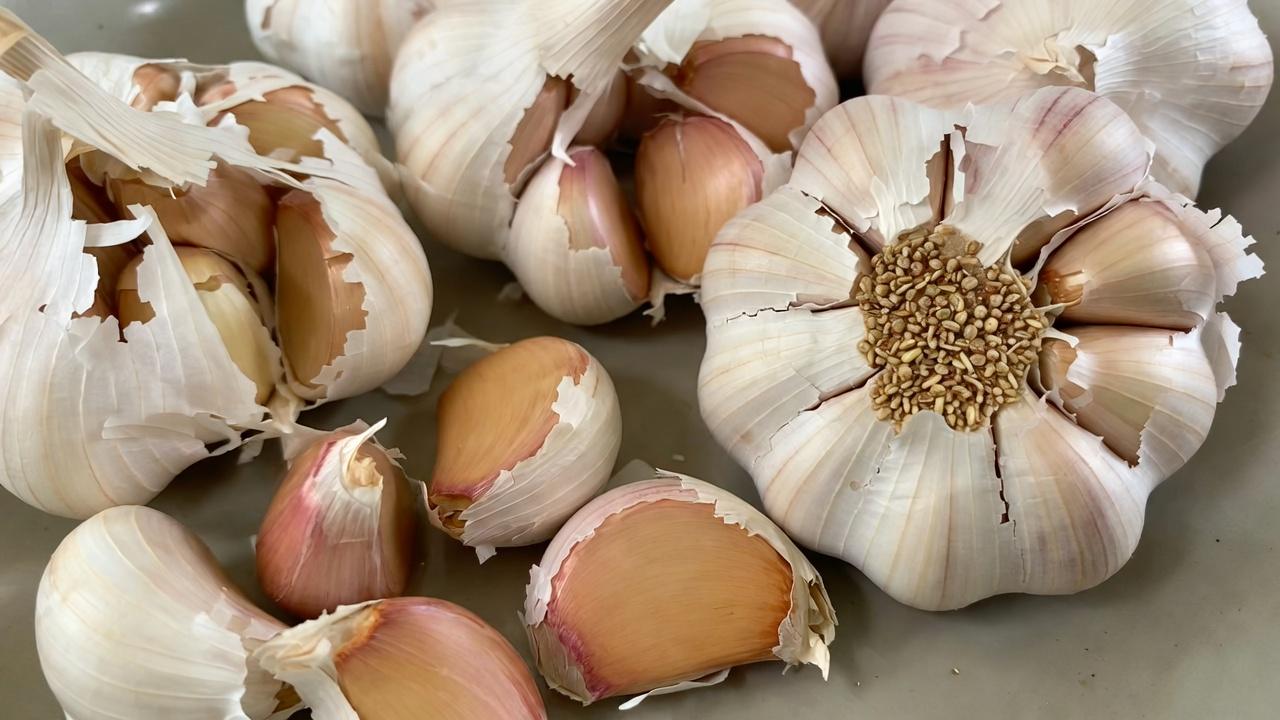
Allicin forms only when fresh garlic is damaged (crushed, chopped, or chewed), making raw or freshly prepared garlic the most potent form. Once formed, allicin is unstable and breaks down quickly, which is why timing is everything.
To maximize potential benefits:
- Crush or chop the clove
- Let it sit for 10-15 minutes (this allows full allicin formation)
- Consume soon after or add to food at the end of cooking to preserve activity
Cooking reduces allicin levels, so raw or lightly cooked preparations tend to retain more of the active compounds.
Practical Ways to Add Garlic to Your Routine
Here are simple, everyday ideas to incorporate fresh garlic while keeping things enjoyable:
- Daily tonic: Mix 1 crushed clove (after resting) with a teaspoon of honey and warm water—many find this soothing for general wellness.
- In meals: Add minced raw garlic to salads, dressings, or hummus for flavor and potential support.
- With food: Stir crushed garlic into soups, stir-fries, or spreads just before serving.
- Start small: Begin with 1 clove per day to see how your body responds—some notice mild digestive adjustment at first.
Consistency seems more important than high doses for any supportive effects.
Garlic Compared to Other Options
Here’s a quick comparison of fresh garlic to common alternatives for supporting microbial balance:
- Spectrum: Broad in lab studies (bacteria, some fungi, etc.)
- Resistance risk: Low, due to multiple mechanisms
- Side effects: Usually mild (odor, occasional stomach upset)
- Accessibility: Inexpensive kitchen staple
- Versus antibiotics: Targeted prescription; higher resistance potential
- Versus probiotics: Focus on beneficial strains; different approach
Fresh crushed garlic offers a natural, multi-target option that complements other habits.
Tips for Best Results and Safety
- Use fresh garlic over aged or processed forms for maximum allicin.
- Pair with meals to reduce any stomach sensitivity.
- Combine with black pepper or healthy fats for better absorption of related compounds.
- Monitor your response—everyone’s tolerance varies.
If you’re on blood-thinning medications or have digestive conditions, check with a healthcare provider first, as garlic can interact in some cases.
Wrapping It Up: A Simple Addition With Real Potential
Garlic won’t replace professional care, but science shows its compounds have intriguing antimicrobial properties in lab research, especially when fresh and properly prepared. Adding a clove or two daily could be an easy, low-cost way to support your overall wellness routine. Start small, stay consistent, and notice how your body feels over time.
Frequently Asked Questions
Is raw garlic more effective than cooked? Yes, raw or lightly added garlic preserves more allicin than prolonged cooking, according to studies on its formation and stability.
Can garlic help with antibiotic resistance concerns? Lab research suggests garlic compounds may inhibit some resistant strains, but it’s not a substitute for prescribed antibiotics—always follow medical advice.
How much garlic is safe daily? Most people tolerate 1-3 cloves of fresh garlic per day well, but start low and consult a doctor if you have health conditions or take medications.
Disclaimer: This article is for informational purposes only and is not intended as medical advice. Garlic is a food and should not be used to diagnose, treat, cure, or prevent any disease. Always consult a qualified healthcare professional before making changes to your diet or health routine, especially if you have existing conditions or are taking medications.


