
Many people notice their hands and feet feeling colder, or experience occasional tiredness that might relate to how well blood moves through the body, especially with age, stress, or a more sedentary lifestyle. These subtle changes can make everyday tasks feel more draining and raise quiet concerns about long-term heart and vascular wellness. The encouraging part is that a soothing, kitchen-friendly drink like ginger tea has drawn interest from both traditional practices and modern research for its potential gentle role in promoting smoother circulation. Stick around until the end for a practical tip that could enhance your experience and make this habit even more enjoyable.
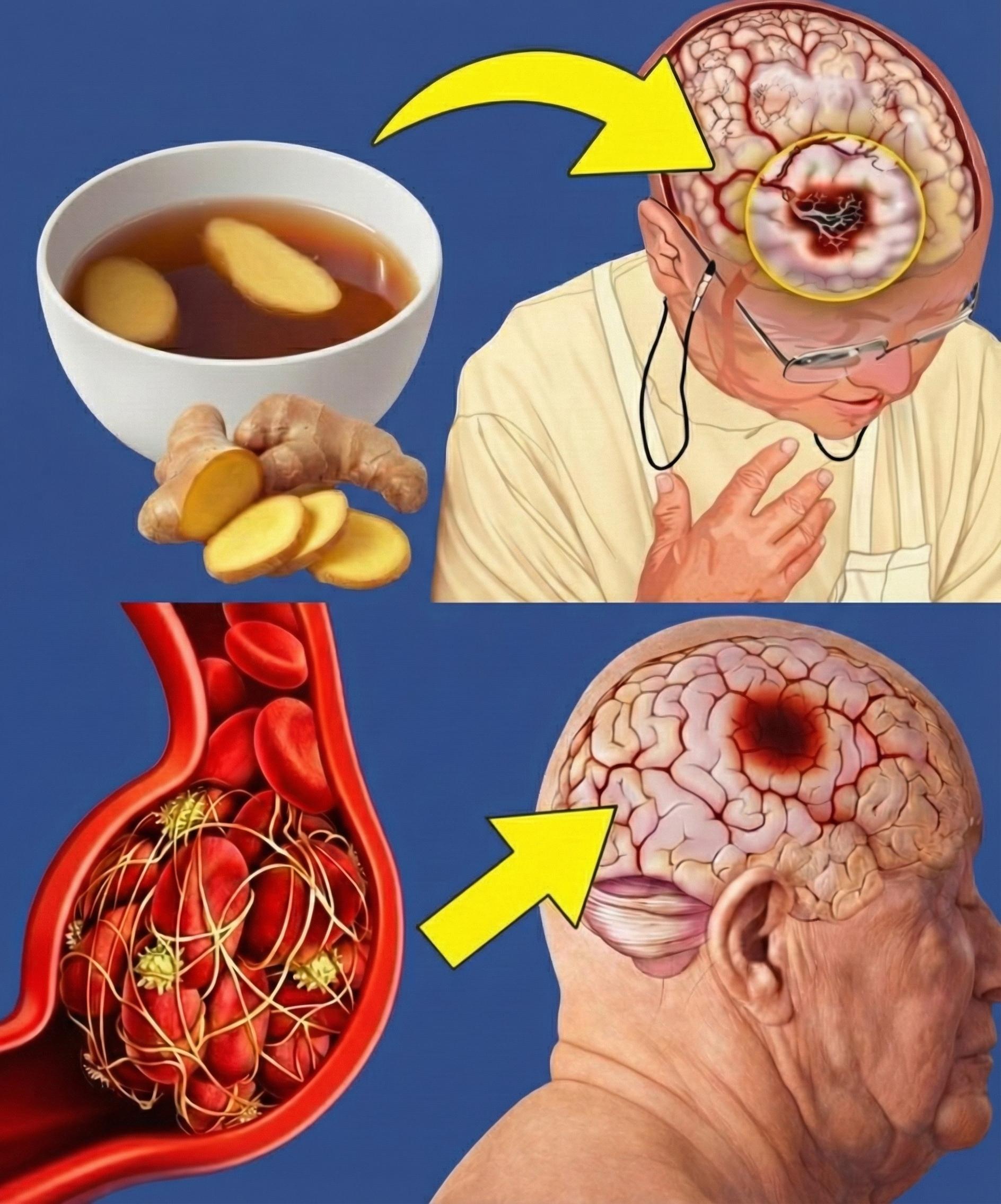
Why Ginger Has Caught Attention for Circulation Support
Ginger (Zingiber officinale) is more than just a spicy root—it’s packed with bioactive compounds such as gingerol and shogaol. These give ginger its signature warmth and are linked to antioxidant and anti-inflammatory effects that may play a part in vascular health.
Research, including systematic reviews of clinical trials, has explored how these compounds might influence platelet function—the way blood cells come together during normal clotting processes. Some studies suggest mild effects on platelet aggregation in certain conditions, while others show inconsistent or no notable changes, particularly at everyday doses.
But that’s not the full picture. Ginger may also contribute to other factors tied to healthy blood flow, like supporting balanced blood pressure and lipid profiles. For example, meta-analyses of randomized trials have indicated modest reductions in systolic and diastolic blood pressure with regular ginger intake, alongside potential improvements in cholesterol markers like triglycerides.
Key Potential Benefits of Adding Ginger Tea to Your Day
Incorporating ginger tea regularly could offer several wellness perks beyond circulation alone. Here’s a quick look at some of the most researched areas:
- Circulation and Platelet Function Support — Certain lab and animal studies point to compounds in ginger having mild effects similar to natural antiplatelet activity, which may help maintain normal blood flow. Human trials show mixed results, with some noting benefits at higher doses (around 4g ginger equivalent), but everyday tea amounts tend to be gentler.
- Blood Pressure and Heart Wellness — Multiple clinical reviews suggest ginger supplementation can lead to small but meaningful drops in blood pressure over weeks of consistent use, especially in people under 50 or with shorter intervention periods.
- Improved Lipid Balance — Studies report favorable shifts in triglycerides and LDL levels, helping support overall cardiovascular function when part of a balanced lifestyle.
- Natural Anti-Inflammatory Action — Chronic low-grade inflammation can affect blood vessels; ginger’s compounds offer a milder alternative to some over-the-counter options.
- Antioxidant Protection — The root helps combat oxidative stress, a factor in vascular aging.
Many people report feeling more energized and noticing better digestive comfort after a few weeks of daily ginger tea—small wins that add up.
Ginger Tea Compared to Low-Dose Aspirin: What the Evidence Shows
Here’s a straightforward side-by-side look to help you understand the differences:
| Aspect | Ginger Tea | Low-Dose Aspirin |
|---|---|---|
| Main Mechanism | Mild, natural compounds may gently influence platelet function | Strongly and irreversibly blocks platelet aggregation |
| Strength of Effect | Generally subtle and variable in studies | Well-established for specific cardiovascular risks |
| Side Effect Profile | Usually mild (possible heartburn at high amounts) | Risk of stomach irritation, bleeding |
| Daily Routine Fit | Enjoyable warm beverage, easy to customize | Medication requiring doctor guidance |
| Evidence Level | Mixed human results; supportive in some reviews | Strong clinical backing for certain uses |
| Extra Perks | Digestion, nausea relief, warming sensation | Primarily focused on antiplatelet action |
While ginger contains small amounts of salicylates (similar to aspirin’s base), its overall impact is much milder and not considered a replacement. Reviews from sources like Medical News Today and systematic analyses emphasize that ginger should never substitute prescribed medications.
Easy Step-by-Step Guide to Making Ginger Tea at Home
Making your own ginger tea takes just minutes and lets you control the strength.
- Start with fresh ingredients: Grab 1–2 inches of fresh ginger root (roughly 10–20g), plus 2–4 cups of water. Optional extras include lemon slices for brightness or a touch of honey.
- Prepare the ginger: Rinse well, peel if you prefer (the skin is edible), then slice thinly or grate for maximum flavor release.
- Simmer gently: Bring water to a boil, add the ginger, lower heat, and let it simmer 10–20 minutes—the longer, the spicier.
- Strain and customize: Pour through a fine strainer. Squeeze in fresh lemon or stir in honey while it’s hot.
- Sip and enjoy: Drink warm for the most comforting effect.
Handy variation: Try cold-brewing by steeping sliced ginger in cold water overnight in the fridge—perfect for warmer days.
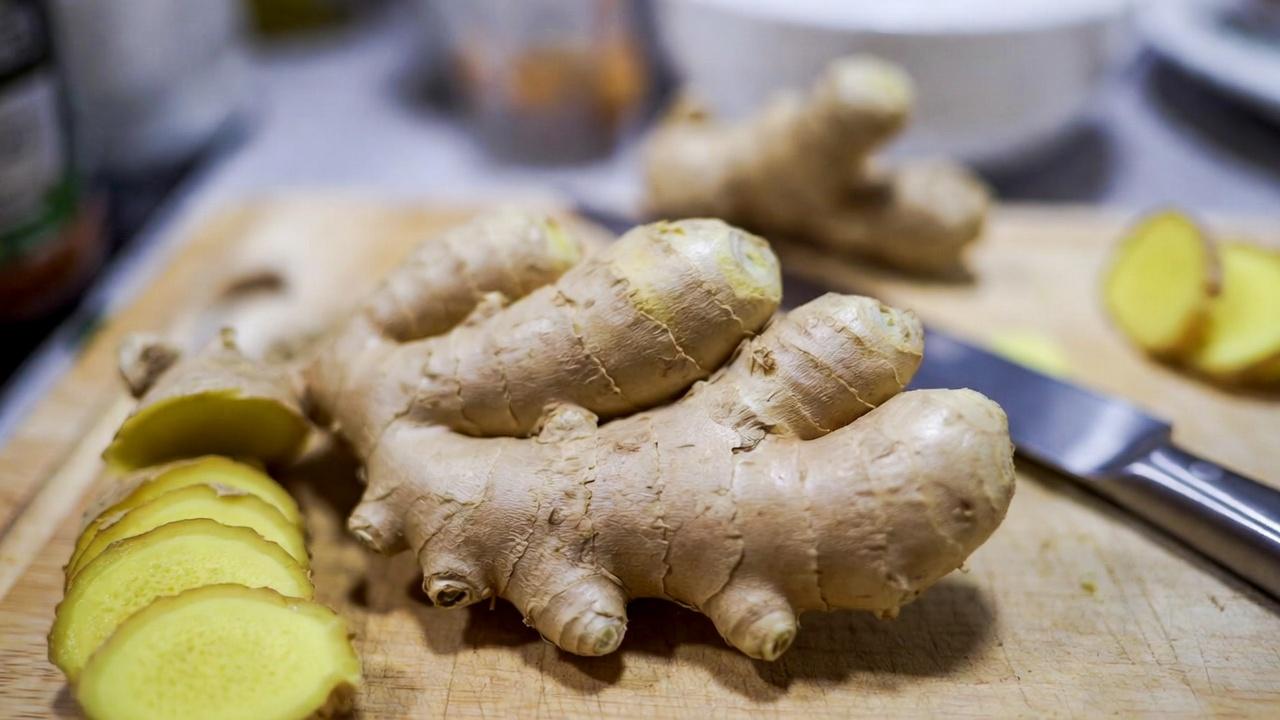
Here are two realistic photos showing fresh ginger being prepared for tea:
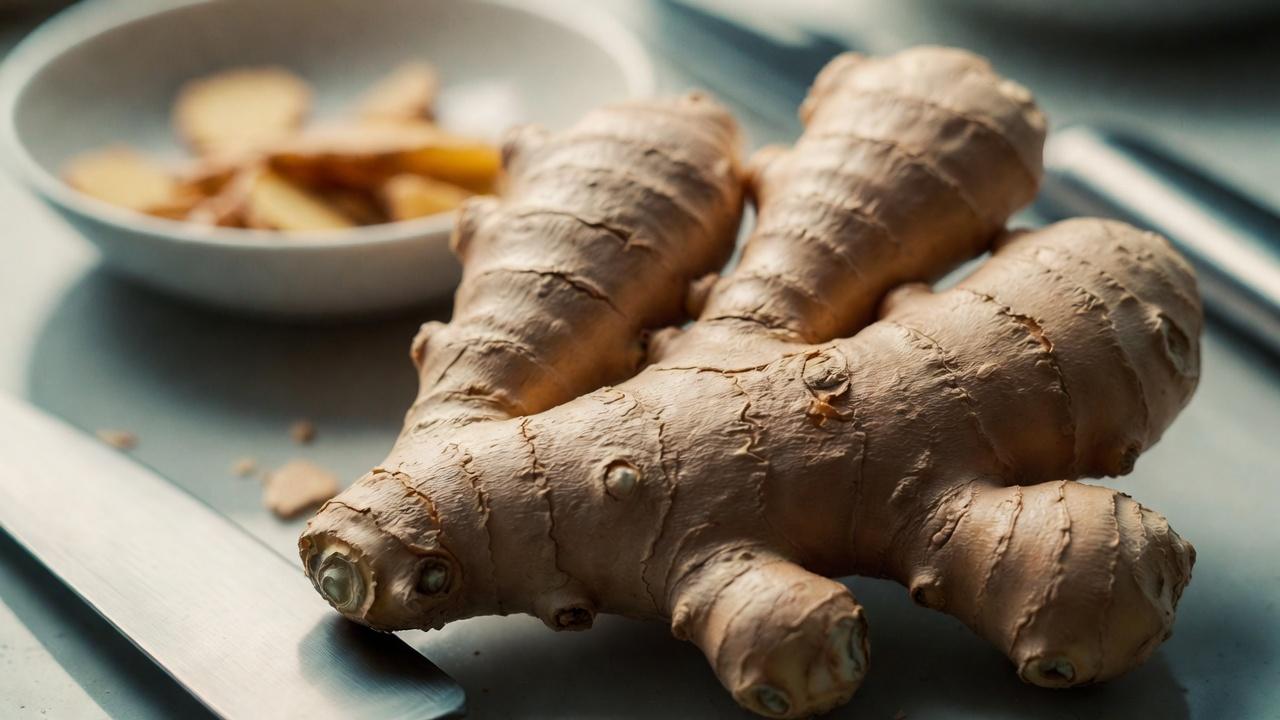
And another view of sliced ginger ready for brewing:
How Much Ginger Tea Is Generally Considered Safe?
Health authorities, including the FDA, view up to about 4 grams of ginger daily as generally recognized as safe for most adults. For tea, 1–3 cups per day (using 1–3g fresh ginger per cup) is a common moderate amount that many studies use for general wellness support.
Start with one cup daily and increase gradually while paying attention to how your body responds. Consistency over quantity tends to bring the most noticeable support.
Important note: If you’re taking blood-thinning medications (like aspirin or warfarin), have a bleeding condition, or are pregnant, ginger might interact in some cases—always check with your healthcare provider first.
Wrapping It Up: A Warming Ritual Worth Trying
Ginger tea stands out as an accessible, tasty way to potentially nurture circulation, ease inflammation, and boost overall cardiovascular comfort through centuries-old use and growing scientific interest. While evidence varies and it’s no miracle cure, adding this simple habit alongside healthy eating, movement, and stress care could make a positive difference over time.
Ready to give it a try? Start today with one warm cup—and discover how this ancient root might become your new favorite daily ritual.
Frequently Asked Questions
Can I drink ginger tea every single day? Yes, for most healthy adults, 1–3 cups daily is typically well-tolerated and may offer ongoing gentle support for digestion, warmth, and wellness.
Is ginger tea strong enough to replace prescribed blood-thinning medication? No. While it may provide mild natural support in some studies, ginger is not a substitute for doctor-prescribed treatments—always follow professional medical advice.
What should I do if ginger tea upsets my stomach? Some people experience mild heartburn with larger amounts; try reducing the dose, using less fresh ginger, or diluting it more. If discomfort continues, consult a healthcare provider.
Disclaimer: This article is for informational purposes only and is not intended as medical advice. Ginger tea may support general wellness but is not meant to diagnose, treat, cure, or prevent any disease. Please consult your healthcare provider before making changes to your routine, especially if you have existing health conditions, are pregnant, or take any medications, as potential interactions may occur.


