
Many people reach for vitamin supplements to support their overall health, but sometimes these choices can have unexpected effects on the body. For instance, certain vitamins play a key role in how blood flows and clots, which might influence heart and brain health in ways you hadn’t considered. It’s common to feel concerned when hearing about potential risks, especially as we age and focus more on preventing issues like strokes. But here’s the good news: by learning about balanced intake, you can make informed decisions that align with your wellness goals. Stick around to discover a surprising insight on managing vitamin levels that could change how you approach your daily routine.
What Is Vitamin K and Why Does It Matter for Your Health?
Vitamin K is a fat-soluble nutrient found in foods like leafy greens and certain vegetables. It helps the body with processes like maintaining bone strength and supporting normal blood functions.
But that’s not all. Research from sources like the National Institutes of Health shows that vitamin K is essential for producing proteins involved in blood coagulation. This means it contributes to how quickly your blood can form clots to stop bleeding from injuries.
Here’s the interesting part: while this clotting ability is helpful in everyday situations, variations in vitamin K levels can sometimes lead to questions about overall vascular health. Studies, such as those published in the Journal of Nutrition, suggest that consistent levels are key to avoiding imbalances.
If you’re wondering how this ties into stroke concerns, keep reading. We’ll explore the connections next.
How Vitamin K Influences Blood Clotting Mechanisms
Blood clotting is a natural process that protects us, but it needs to stay in balance. Vitamin K activates specific proteins, known as clotting factors, in the liver.
For example, without adequate vitamin K, clotting might be slower, leading to easier bruising. On the flip side, consistent monitoring is advised for those on certain medications.
A review in the American Journal of Clinical Nutrition indicates that sudden increases in vitamin K intake can affect how blood thins or thickens. This is particularly relevant for individuals managing conditions related to heart health.
But wait, there’s more. Let’s break down the types of vitamin K to see how they differ.
The Different Forms of Vitamin K: K1 vs. K2
Vitamin K comes in two main forms: phylloquinone (K1) and menaquinones (K2).
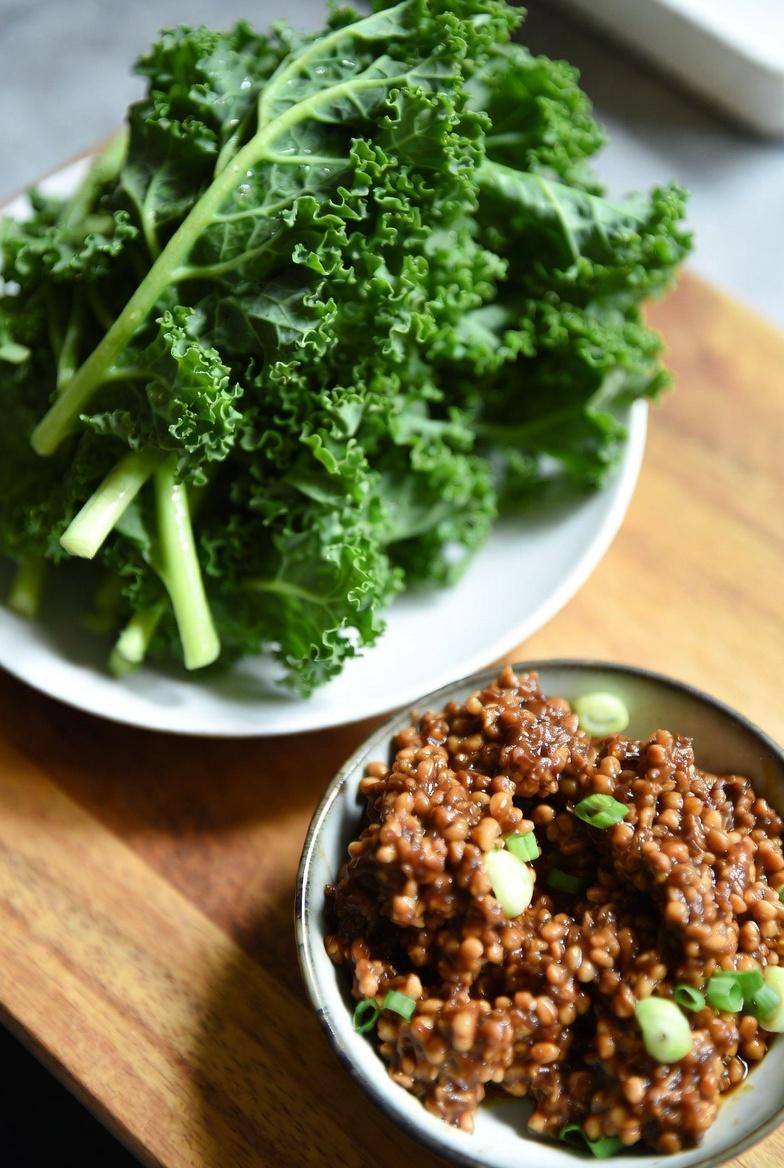
- Vitamin K1: Mostly from plant sources like spinach and kale. It’s primarily involved in clotting.
- Vitamin K2: Found in fermented foods and animal products. It supports bone and heart health by directing calcium properly.
Research from Harvard’s Nutrition Source highlights that K2 might have broader benefits, but both forms interact with clotting pathways.
This distinction matters because dietary choices can shift your intake. For instance, a sudden boost from supplements could alter your body’s response.
And speaking of supplements, that’s where things get really practical.
Potential Links Between Vitamin K and Stroke Risk Factors
Strokes often relate to factors like blood pressure and vessel health, but clotting plays a role too. Some studies explore how vitamin levels might influence these risks.
For example, data from the Cleveland Clinic notes that while vitamin K is crucial for clotting, maintaining steady levels helps support overall cardiovascular function.
It’s fascinating: a study in the journal Nutrients found associations between vitamin K status and vascular calcification, which could indirectly affect stroke considerations.
However, this isn’t about alarm—it’s about awareness. Experts emphasize that most people get enough from diet alone, but certain groups might need to pay closer attention.
Now, let’s dive into who might benefit from this knowledge.
Who Should Be Mindful of Their Vitamin K Intake?
Certain lifestyles or health scenarios can make vitamin K monitoring more relevant.
- People on anticoagulant medications, as noted by the Office of Dietary Supplements, since vitamin K can interact with them.
- Those with dietary changes, like starting a high-green veggie diet.
- Older adults focusing on bone and heart support.
A report from the Mayo Clinic suggests discussing supplements with a healthcare provider to ensure balance.
But here’s the key takeaway: small adjustments can make a big difference. Up next, practical steps you can take today.
Simple Habits to Manage Vitamin K for Better Health
Incorporating mindful habits doesn’t have to be complicated. Start with tracking your food sources.
First, identify common vitamin K-rich foods. Then, aim for consistency rather than extremes.
Sustainability is crucial. Research shows that gradual changes lead to better long-term adherence.
And that’s just the beginning. Let’s outline some actionable tips.
Step-by-Step Guide to Balancing Your Vitamin K Intake
Follow these straightforward steps to stay informed:
- Assess Your Current Diet: Log what you eat for a week. Note greens like broccoli or Brussels sprouts, which are high in K1.
- Consult a Professional: Share your log with a doctor or dietitian. They can provide personalized insights based on your health profile.
- Choose Whole Foods Over Supplements: Unless advised, get vitamin K from natural sources to avoid spikes.
- Monitor Changes: If starting new meds, recheck your intake. Studies like those from WebMD stress this for safety.
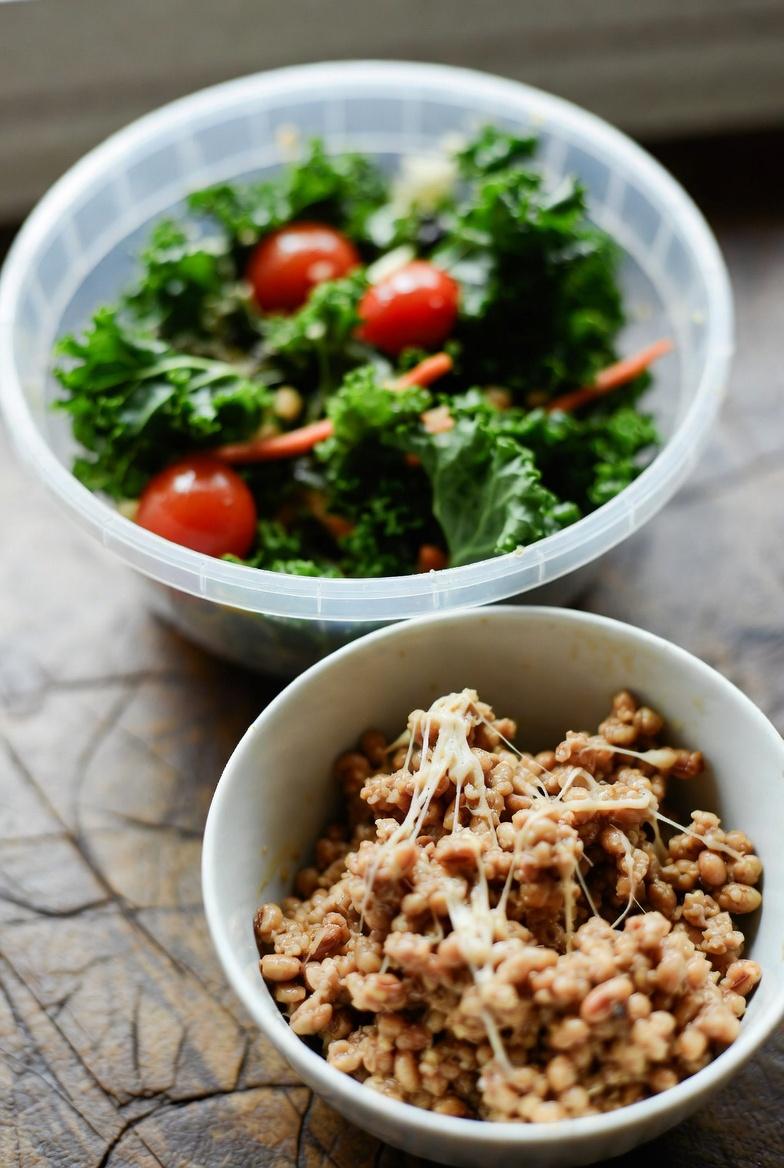
- Incorporate Variety: Mix K1 and K2 sources, such as adding fermented soy for K2.
By following these, you’ll feel more in control. But there’s one more tool to help visualize this.
Comparing Vitamin K Sources: A Quick Table
Here’s a simple comparison to guide your choices:
| Food Type | Vitamin K Form | Approximate Amount per Serving | Notes |
|---|---|---|---|
| Kale (1 cup) | K1 | 500 mcg | High; great for salads |
| Natto (3 oz) | K2 | 850 mcg | Fermented; strong flavor |
| Broccoli (1 cup) | K1 | 220 mcg | Versatile in cooking |
| Cheese (1 oz) | K2 | 25 mcg | Moderate; pairs with meals |
This table, based on USDA data, shows how to diversify without overdoing it.
Impressive, right? These options keep things interesting while supporting balance.
Common Myths About Vitamins and Clotting Debunked
Myths can cloud judgment. One common one: all vitamins are harmless in any amount.
The truth is, as per CDC guidelines, even essential nutrients like vitamin K require moderation.
Another myth: supplements always improve health. But evidence from clinical trials suggests they’re best when filling gaps, not as defaults.
Shedding these misconceptions empowers better decisions.
And now, for that promised surprise: the real “shock” isn’t in avoiding vitamins entirely, but in how simple tweaks can enhance your routine without fear.
Wrapping Up: Key Insights on Vitamin K and Your Well-Being
In summary, vitamin K supports clotting and more, but balance is essential for overall health. By understanding its role and making informed choices, you can navigate potential concerns with confidence.
Remember, knowledge is your best tool. Apply these tips, and consult professionals for tailored advice.
Frequently Asked Questions (FAQ)
What foods are highest in vitamin K?
Leafy greens like spinach and kale top the list for K1, while fermented foods like natto provide K2. Aim for variety to maintain steady levels.
Can vitamin K interact with medications?
Yes, it can affect blood-thinning drugs. A study in the Journal of Thrombosis and Haemostasis recommends consistent intake and doctor consultations.
How much vitamin K do I need daily?
Adults typically need 90-120 mcg, per NIH guidelines. Most get this from diet, but individual needs vary based on age and health.
Disclaimer: This article is for informational purposes only and not a substitute for professional medical advice. Always consult a healthcare provider before making changes to your diet or supplements.
(Word count: 1,248)


