
Many people with concerns about kidney health wonder about everyday foods like rice. As kidneys work harder to manage minerals such as potassium and phosphorus, certain staples can add unnecessary strain when consumed in large amounts or in their whole-grain form. This leads to questions about what choices fit best into a balanced approach, especially when rice appears on the plate daily. The good news is that simple adjustments to rice selection and preparation can make a meaningful difference in supporting overall wellness.
What if choosing refined varieties and a few easy cooking steps could help ease the daily load on your kidneys? Keep reading to discover practical insights that many find helpful.

Why Rice Can Be Kidney-Friendly When Chosen Wisely
Rice serves as a reliable source of energy through carbohydrates, offering a gentle option for many diets. According to insights from organizations like the National Kidney Foundation and DaVita Kidney Care, white rice stands out because processing removes the bran layer, significantly lowering levels of potassium and phosphorus compared to brown or wild varieties.
Research shows that refined white rice typically contains around 50-70 mg of potassium and phosphorus per cooked cup, making it easier for kidneys to handle in moderate portions. This contrasts with brown rice, which can have nearly double or more of these minerals due to the retained bran.
But that’s not all…
Understanding Potassium and Phosphorus in Different Rice Types
When kidneys face challenges filtering excess minerals, focusing on lower-content options becomes key. Here’s a clear comparison based on general nutritional data from renal diet resources:
- White Rice (including standard long-grain): Approximately 50-55 mg potassium and 60-70 mg phosphorus per cup cooked. It’s often recommended for its low mineral profile.
- White Basmati Rice: Similar to standard white, with around 50-60 mg potassium and comparable phosphorus. Its lower glycemic index (around 50-58) may support steadier energy levels.
- White Jasmine Rice: Also aligns closely with white rice values, offering a soft texture that’s easy on digestion.
Brown rice, on the other hand, often exceeds 90-150 mg for both minerals per cup, so it’s usually limited or portion-controlled under professional guidance.
This difference comes from milling: Removing the outer layers strips away much of the naturally occurring potassium and phosphorus.
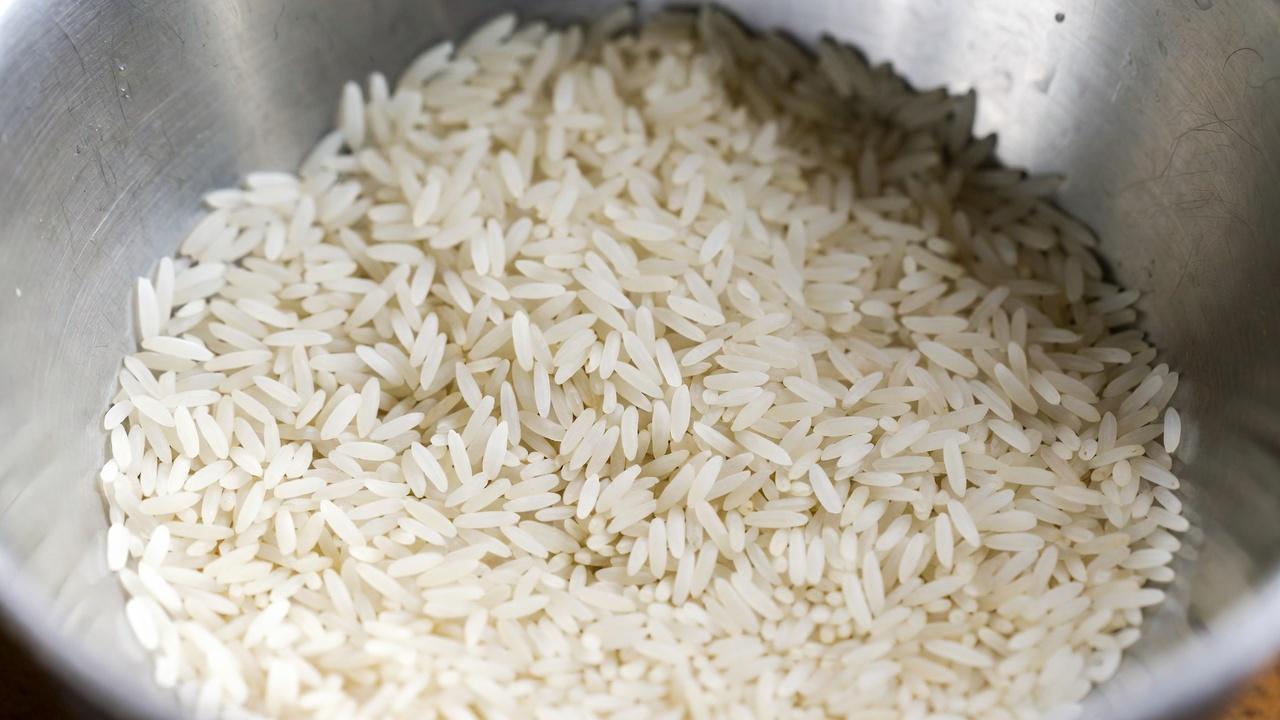
Top 3 White Rice Varieties to Consider for Everyday Meals
White rice varieties provide versatility while keeping mineral intake in check. Here are three popular options that align well with kidney-conscious eating:
- Plain White Rice A classic, neutral base that’s low in minerals and pairs with almost anything. It’s simple, affordable, and widely available.
- White Basmati Rice Known for its fluffy texture and aromatic scent, this variety adds enjoyment to meals without extra mineral burden. Many appreciate its slightly lower impact on blood sugar response.
- White Jasmine Rice With soft, slightly sticky grains, it brings comfort and ease to digestion. Ideal for those who prefer a gentler eating experience.
These choices focus on refined white forms, which renal experts like those at DaVita often highlight as suitable staples.
Practical Tips to Make Rice Even More Supportive
Preparation plays a big role in optimizing rice for daily use. Follow these actionable steps:
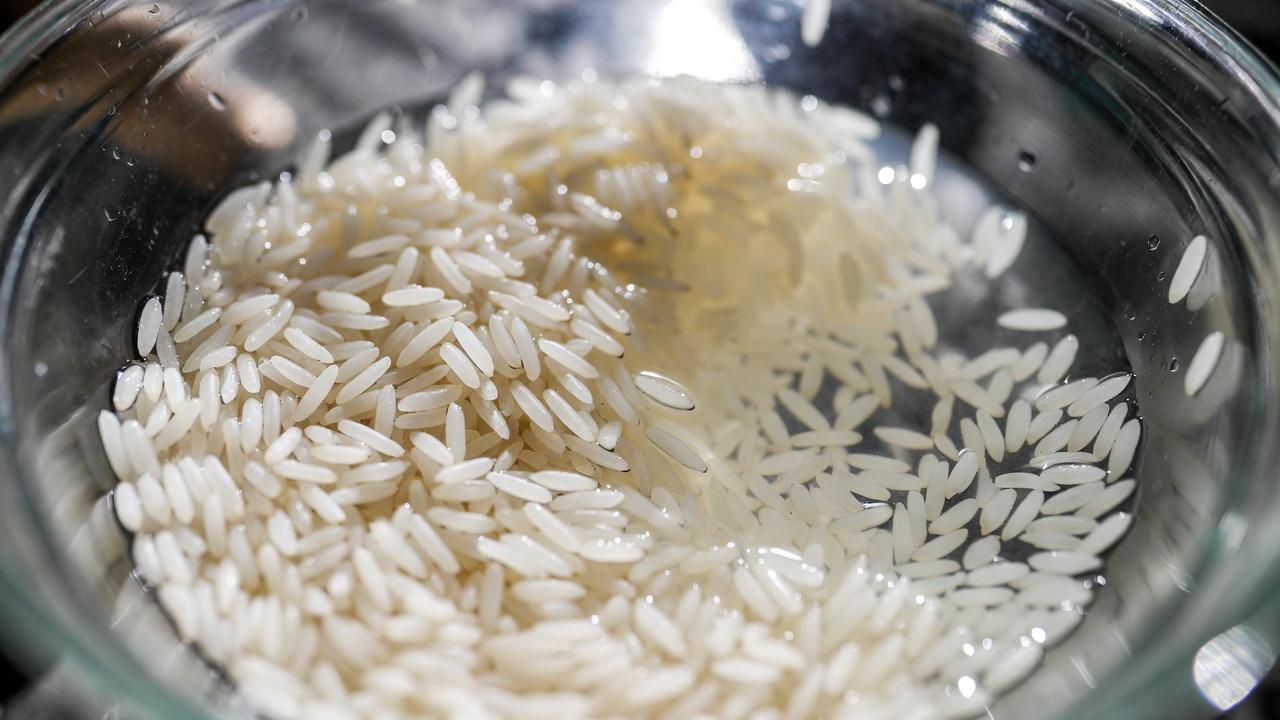
- Rinse the rice thoroughly under running water 3-5 times before cooking. This helps remove excess surface starch and may slightly reduce leachable minerals.
- Use the boil-and-drain method for some dishes: Cook in extra water, then drain to lighten the texture.
- Stick to moderate portions: Start with ½ to ⅔ cup cooked per meal, adjusting based on overall diet.
- Pair with low-potassium vegetables like cabbage, green beans, or cauliflower for balanced plates.
- Opt for enriched white rice when possible—it adds B vitamins without increasing potassium or phosphorus.
These habits are straightforward and can become second nature quickly.
A Simple Weekly Plan to Get Started
Integrating rice thoughtfully doesn’t require major changes. Try this gentle timeline:
- Weeks 1-2: Focus on rinsing and basic boiling. Notice how digestion feels with smaller portions.
- Weeks 3-4: Experiment with basmati or jasmine for variety. Add herbs like parsley for flavor without sodium.
- Week 5+: Maintain consistency while varying types to prevent boredom. Monitor how energized you feel throughout the day.
Consistency with these steps often leads to more comfortable routines over time.
Common Questions About Rice and Kidney Health (FAQ)
Is brown rice ever okay for kidney concerns? In early stages or with controlled portions, some people include it, but white varieties are generally preferred when limiting potassium and phosphorus. Always check with a dietitian.
Does rinsing rice really make a difference? Yes, it removes excess starch and can mildly lower some minerals, making it a simple, worthwhile step.
Can I enjoy rice every day? Many do, as long as portions stay moderate and fit into your overall eating plan. Variety in preparation keeps it enjoyable.
This guide offers information to help you make thoughtful choices about rice in your daily meals.
Disclaimer: This article is for informational purposes only and is not a substitute for professional medical advice. Dietary needs vary based on individual health status, CKD stage, lab results, and medications. Always consult your healthcare provider or a registered dietitian before making changes to your diet.


