You’ve noticed those stubborn light or dark patches on your chest, back, or arms that keep returning no matter what creams you try. They might flake slightly, feel mildly itchy after a sweaty day, and refuse to tan evenly in the sun, leaving you frustrated and self-conscious under summer clothes. Years of mistaking them for eczema lead to endless steroid applications that only seem to make things worse, draining your time, money, and confidence while the spots spread quietly. But what if the real issue is a common fungal overgrowth called Tinea Versicolor, often confused with eczema—and discovering this simple distinction could finally help you manage your skin more effectively? Keep reading, because I’ll share the overlooked giveaway signs and practical daily routines backed by dermatology insights that many overlook.
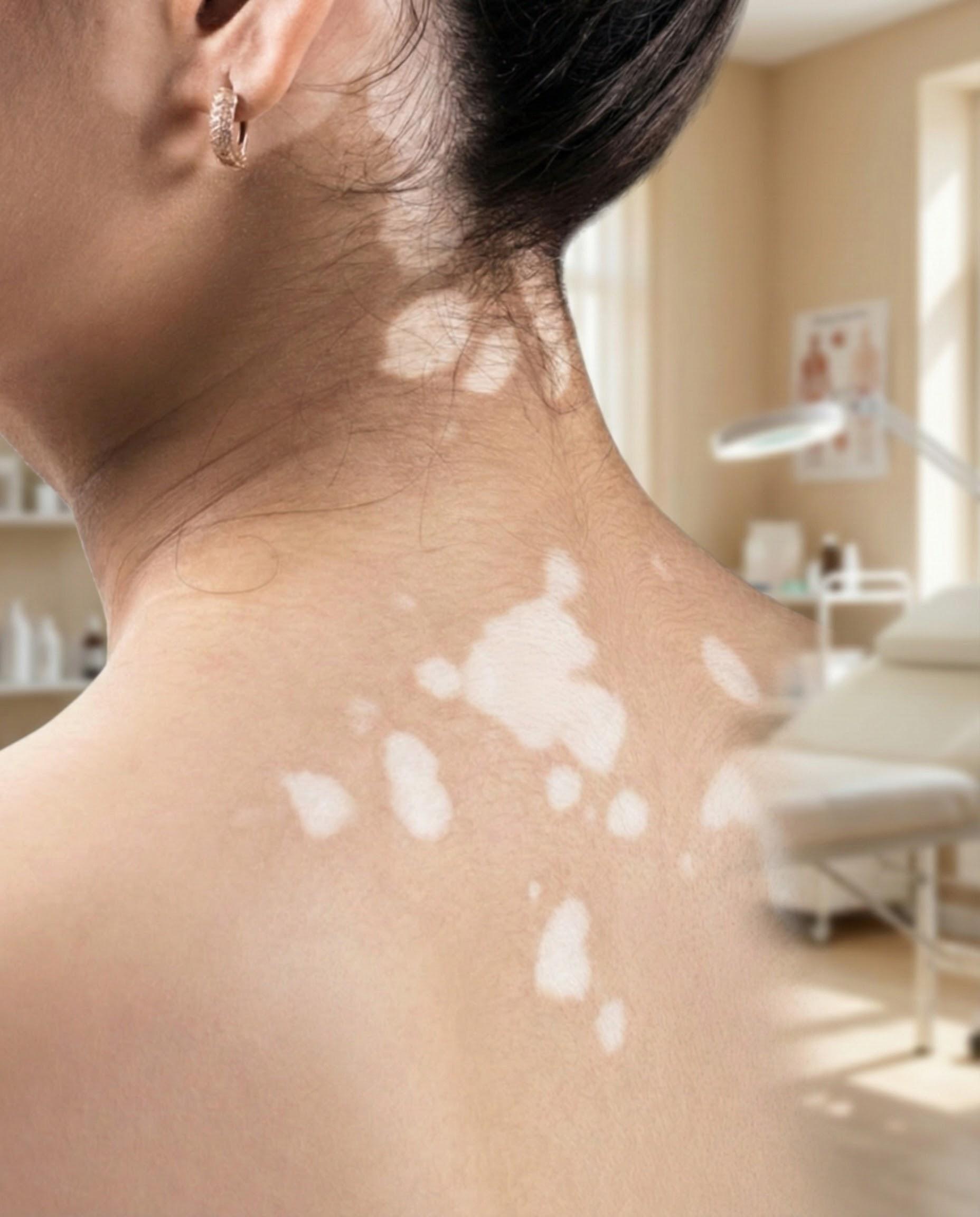
What Exactly Is Tinea Versicolor?
Tinea Versicolor, also known as pityriasis versicolor, happens when a yeast called Malassezia—which naturally lives on most people’s skin—grows out of balance. This yeast feeds on skin oils and, under certain triggers, forms clusters that disrupt normal pigmentation.
Studies from sources like Mayo Clinic and NCBI note that this overgrowth leads to patchy skin changes without causing harm beyond appearance and mild discomfort. Unlike contagious fungal infections, Tinea Versicolor isn’t passed person-to-person; it’s more about your skin’s environment.
But that’s not all—research shows it affects up to 40% in humid tropics but only 1% in cooler climates, per InformedHealth.org. If you’re in a warm area like Vietnam’s Dak Lak region, this explains why it feels so persistent.
Why Do People Mistake Tinea Versicolor for Eczema?
The mix-up is incredibly common, especially since both show dry, discolored patches. But here’s the key difference: Eczema (atopic dermatitis) stems from inflammation, allergies, or irritants, causing red, intensely itchy, oozing rashes that flare with stress or fabrics. Tinea Versicolor? It’s fungal, with subtler signs.
| Feature | Tinea Versicolor | Eczema |
|---|---|---|
| Cause | Malassezia yeast overgrowth | Immune response, genetics, allergens |
| Itch Level | Mild or none, worse with sweat | Intense, constant |
| Appearance | White/pink/brown patches, fine scale | Red, inflamed, weepy bumps |
| Spread | Chest, back, arms; doesn’t tan | Flexures like elbows, behind knees |
| Triggers | Heat, oil, humidity | Dry air, soaps, foods |
This table, drawn from WebMD and Healthline comparisons, highlights why eczema treatments like moisturizers or steroids fail here—they ignore the yeast.
The truth is, misdiagnosis keeps cycles going. But spotting it early changes everything…
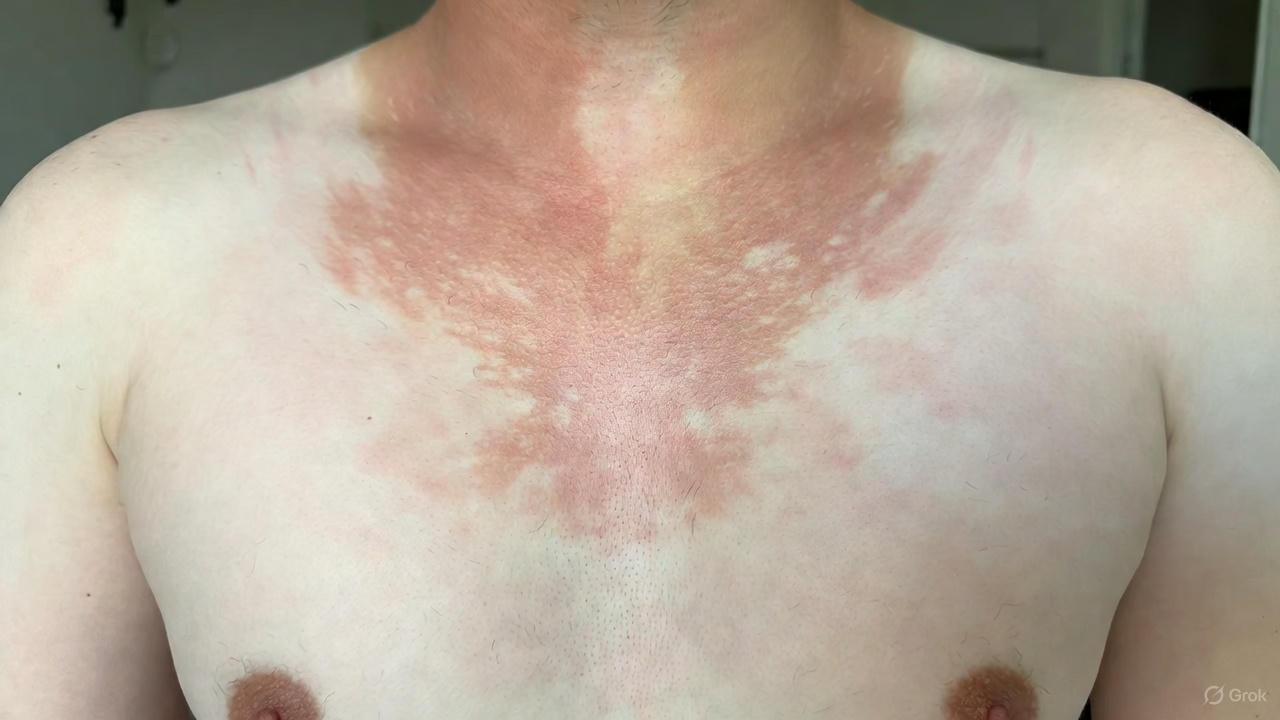
Where and How Tinea Versicolor Shows Up on Skin
Patches often start small on oily areas, merging over time. Common spots include:
- Upper back and chest (most frequent, per Mayo Clinic )
- Shoulders and upper arms
- Neck or face (especially in teens )
- Rarely legs or face in adults
They appear white on tan skin, pink/red on lighter tones, or brown—scaling finely when scratched (the “evoked scale sign”). Sun exposure? Unaffected areas tan, making spots pop .
But here’s the interesting part: In humid climates, they thrive silently until summer reveals them.
Who Gets Tinea Versicolor Most Often?
Not everyone, but certain habits and conditions raise odds. You’re more prone if you:
- Live in warm, humid spots (e.g., tropics: 40% prevalence )
- Have oily skin or sweat heavily (Malassezia loves sebum )
- Are a teen/young adult (hormones boost oil )
- Use weakening immune factors like corticosteroids
- Have family history (21% genetic link )
NCBI stats show teens peak due to sebaceous activity . In Vietnam’s climate, this hits hard—posts on X echo daily struggles [post:61][post:67].
Sự thật là, it’s not hygiene; even clean skin hosts the yeast.
Subtle Symptoms That Set It Apart from Other Skin Issues
Mild signs mimic dryness, but watch these:
- Discolored patches (lighter/darker, scaly edges)
- Slight itch (increases with heat/sweat, unlike eczema’s fury )
- Flaking or dryness on scratch
- No pain, swelling, or blisters
Post-sun? Spots stand out more . Studies confirm minimal inflammation , so no red welts.
This is where confusion peaks—but don’t stop now; diagnosis tricks ahead make it clear.
How Doctors Confirm Tinea Versicolor (Simple Tests)
No guesswork needed. Pros use:
- Visual Check: Distinct pattern on trunk
- Skin Scraping + KOH: Microscope reveals “spaghetti and meatballs” yeast
- Wood’s Lamp: Yellow-green glow on patches
Per Cleveland Clinic , these are quick, painless. Dermoscopy adds detail . Self-test? Scrape a spot—if powdery scale shows spores, suspect fungus.
Nghiên cứu cho thấy, accurate ID prevents wrong treatments .
Why Eczema Creams Make Tinea Versicolor Worse (And What Helps Instead)
Steroids calm eczema inflammation but feed yeast, worsening spread . Fungal-specific options target Malassezia:
- OTC shampoos (selenium sulfide like Selsun Blue, ketoconazole like Nizoral )
- Creams (clotrimazole, terbinafine )
Apply shampoo as body wash: Lather 5-10 mins, rinse daily for 1-2 weeks . For widespread, docs may suggest short oral courses .
Even after clearing, color evens in 1-6 months—patience key .
But recurrence hits 60-80% . Here’s how to break the cycle…
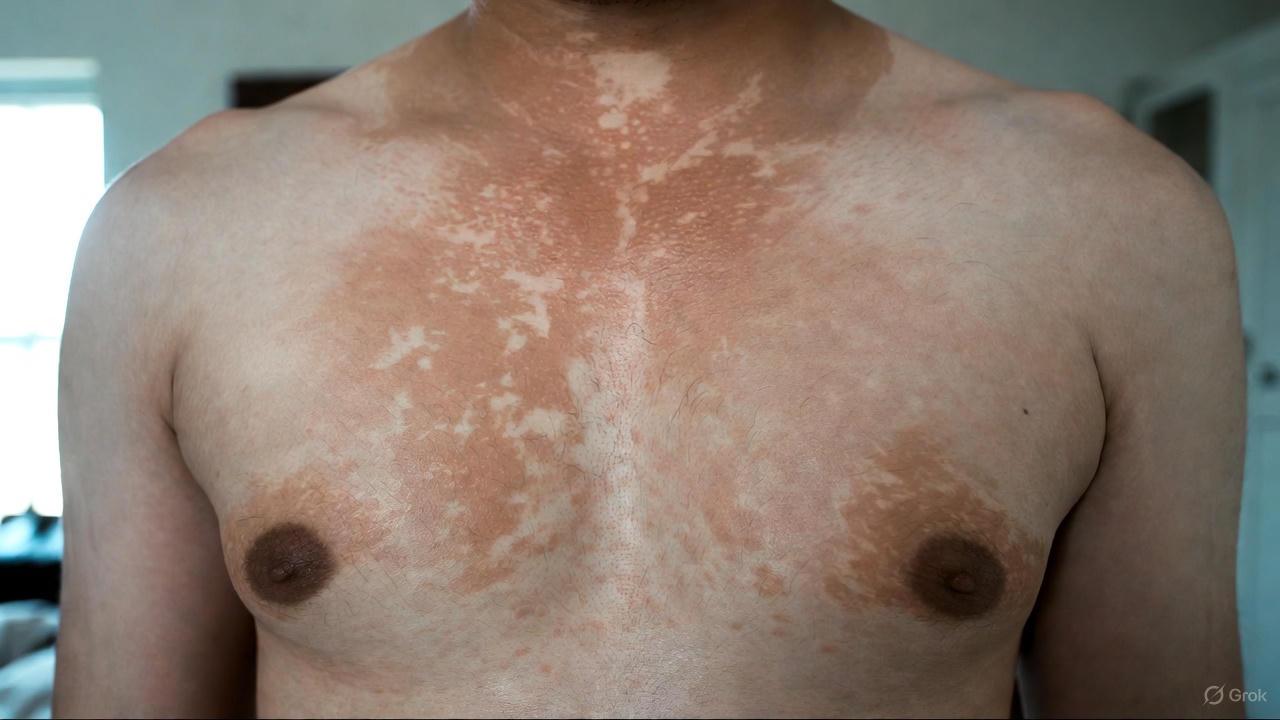
The Real Reason It Keeps Coming Back (High Recurrence Exposed)
Malassezia never fully leaves—it’s normal flora. Triggers regrow it: humidity, oil . Studies show 80% relapse in 2 years without prevention . Early stopping? 33% recur yearly .
In tropics, it’s chronic . X users share frustration with “eczema” returns [post:63][post:64].
Practical Daily Habits to Help Prevent Tinea Versicolor Recurrence
Consistency beats it. Adopt these evidence-based steps:
- Shower After Sweat: Dry skin starves yeast
- Breathable Clothes: Cotton over synthetics
- Antifungal Maintenance: Weekly Selsun Blue wash (1% selenium cuts growth )
- Oil Control: Gentle cleansers, no heavy lotions
- Diet Boost: Probiotic foods (yogurt) support immunity; limit sugars feeding yeast
| Prevention Routine | How Often | Why It Works (Evidence) |
|---|---|---|
| Antifungal Shampoo Body Wash | 1-2x/week | 88% symptom-free vs 57% placebo (NCBI ) |
| Zinc Pyrithione Soap | Daily | Inhibits Malassezia (WebMD ) |
| Cool, Dry Environment | Always | Thrives in humidity (Mayo ) |
Track progress: Fewer patches in 1-3 months. For humid VN, monthly ketoconazole shampoo prevents flares .
Natural supports (limited evidence): Diluted tea tree oil (antifungal in lab ), aloe vera —patch test first. No strong proof for ACV .
Final Thoughts: Reclaim Clear Skin with the Right Knowledge
Tinea Versicolor mimics eczema but demands fungal-focused habits: quick showers, antifungal washes, and dry skin to keep Malassezia in check. Studies from Mayo Clinic, WebMD, and NCBI confirm these steps reduce recurrence dramatically, especially in humid areas. You’re not alone—millions manage it yearly. Start with a scraping test, tweak routines, and watch patches fade. Your skin deserves this clarity.
FAQ
What makes Tinea Versicolor look like eczema but act differently?
Patches seem dry/scaly, but lack eczema’s red inflammation/intense itch. Wood’s lamp glows yellow-green for confirmation (Healthline ).
How long until skin color evens after managing Tinea Versicolor?
1-6 months; melanocytes repigment slowly post-yeast control (Cleveland Clinic ).
Can humid climates like Vietnam’s worsen it, and how to cope?
Yes, 40% prevalence in tropics (InformedHealth ). Weekly antifungal shampoo + breathable clothes helps (Mayo ).
Disclaimer: This article offers general information based on reputable sources like Mayo Clinic, WebMD, and NCBI studies for educational purposes only. It is not medical advice, diagnosis, or treatment. Skin conditions vary; consult a dermatologist for personalized guidance, especially if symptoms persist or worsen. Avoid self-treatment if pregnant, immunocompromised, or on medications.
(Word count: 1428)